
📊 Full opportunity report: How To Use AI For Real-Time Near-Miss Detection In Warehouses on IdeaNavigator AI — validation score, market gap, and execution plan.

Get school and study supplies delivered free — and shop member deals
- Fast, free delivery on millions of items
- Access to Prime Big Deal Days deals on October 6–7
- Prime Video, Amazon Music and more included
TL;DR
AI technology is now capable of analyzing existing warehouse CCTV feeds in real-time to detect near-misses like forklift-pedestrian proximity and rack contact. Testing is underway at select warehouses, aiming to reduce incidents and insurance costs.
AI systems are being tested to analyze existing warehouse CCTV feeds in real time, aiming to identify safety hazards such as forklift-pedestrian near-misses, rack contacts, and speed violations. This development could significantly improve warehouse safety management and reduce incident costs, according to industry sources.
The opportunity arises from the ability of current vision models to classify proximity events and unsafe behaviors using commodity CCTV feeds. These models can now detect forklift-to-pedestrian proximity, blind-corner conflicts, rack strikes, and speed violations, providing safety managers with actionable alerts.
Test implementations involve a device that ingests existing RTSP camera streams, analyzes footage for predefined safety events, and sends weekly email digests with clips, dates, shifts, and severity levels. This approach leverages existing infrastructure, avoiding costly camera upgrades.
Safety managers at warehouses or third-party logistics providers (3PLs) are the primary targets, with the goal of demonstrating how near-miss detection can lower incident rates and insurance premiums. The system is positioned as a subscription service scaled by the number of cameras per facility.
Potential Impact on Warehouse Safety and Insurance Costs
This technology could transform safety management by providing continuous, automated monitoring of hazardous near-misses, which are often underreported or overlooked in traditional reviews. By documenting leading indicators of accidents, warehouses can proactively address risks, potentially reducing injury rates and related insurance premiums.
Industry experts suggest that successful deployment could lead to widespread adoption, especially as insurers increasingly reward documented safety improvements. The ability to analyze existing CCTV feeds without hardware upgrades makes this solution accessible to mid-market warehouses.
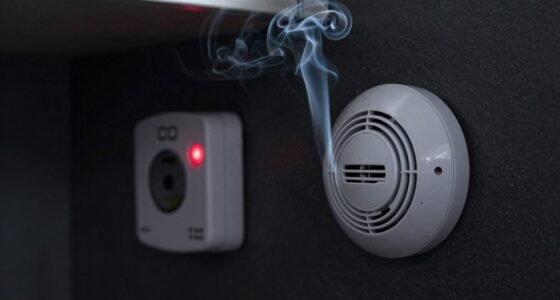
AI warehouse near-miss detection system
As an affiliate, we earn on qualifying purchases.
As an affiliate, we earn on qualifying purchases.
Advances in Vision Models Enable Feasible Near-Miss Detection
Recent developments in computer vision have made it possible to classify complex safety events from commodity CCTV footage. This capability has emerged amid growing safety concerns in warehouse environments, where hundreds of hours of footage are recorded daily but rarely reviewed due to resource constraints.
Previous efforts focused on manual review or expensive sensor-based systems; now, AI offers a scalable alternative. Testing is currently underway at select warehouses, with initial results expected within the next few months.
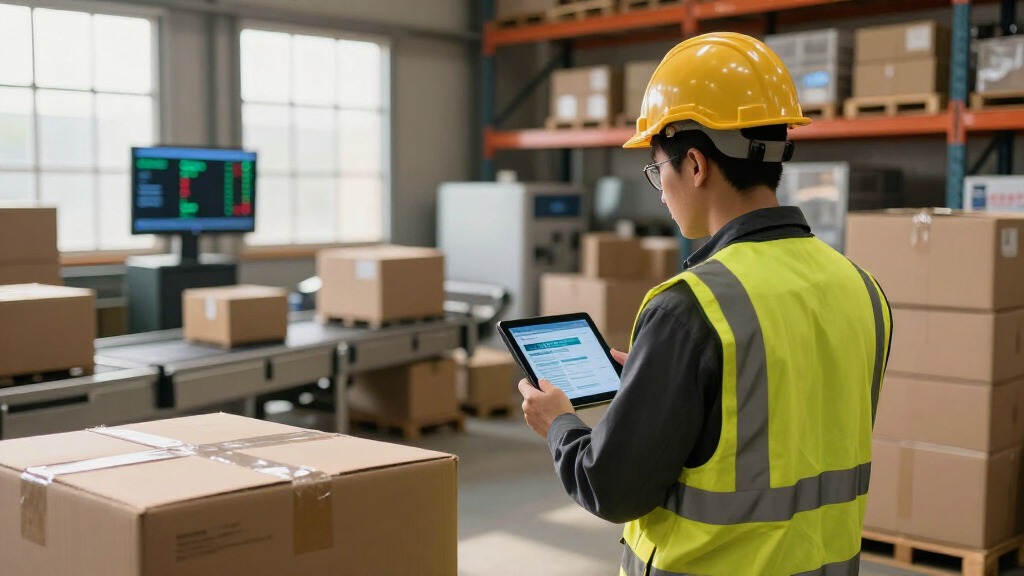
CCTV safety monitoring for warehouses
As an affiliate, we earn on qualifying purchases.
As an affiliate, we earn on qualifying purchases.
Uncertainties About Deployment and Effectiveness
It is not yet clear how accurately the AI models will perform across different warehouse layouts and camera setups. The effectiveness of real-time alerts versus post-event analysis remains to be validated through pilot programs. Additionally, the cost-benefit ratio and acceptance by safety teams are still being evaluated.
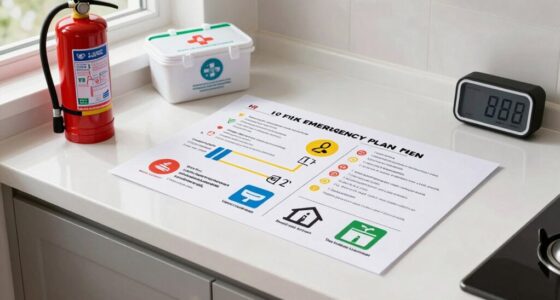
real-time warehouse safety alert devices
As an affiliate, we earn on qualifying purchases.
As an affiliate, we earn on qualifying purchases.
Next Steps for Validation and Broader Adoption
Testing will continue over the next two months, with warehouses processing archived footage to assess detection accuracy and user engagement. If successful, pilot programs will expand to more facilities, and developers will refine the system for commercial deployment. Industry adoption will depend on demonstrated reductions in incident rates and insurance savings.
warehouse safety camera analysis software
As an affiliate, we earn on qualifying purchases.
As an affiliate, we earn on qualifying purchases.
Key Questions
How does the AI detect near-misses in warehouse CCTV footage?
The AI uses computer vision models trained to classify proximity events, speed violations, and rack contacts from existing CCTV streams, alerting safety managers to potential hazards in real time or through weekly summaries.
What types of hazards can this system identify?
The system can detect forklift-pedestrian proximity, blind-corner conflicts, rack strikes, and unsafe speeds, providing comprehensive safety monitoring for warehouse environments.
Will this technology replace manual safety reviews?
No, it is designed to supplement manual reviews by providing automated alerts and documented incident indicators, thus enabling more proactive safety management.
What are the costs involved in deploying this AI system?
The solution is offered as a per-facility subscription scaled by camera count, with the main investment being the setup and ongoing monitoring, which can be offset by insurance premium reductions.
When will this AI system be widely available?
Widespread availability depends on pilot success; initial testing is ongoing, with broader rollout expected within the next year if results are favorable.
Source: IdeaNavigator AI
Fall Picks
fall essentials
As an affiliate, we earn on qualifying purchases.