
TL;DR

Prime made for students and young adults
- Fast, free delivery for dorm and study essentials
- Prime Video and Amazon Music included
- Member-only deals
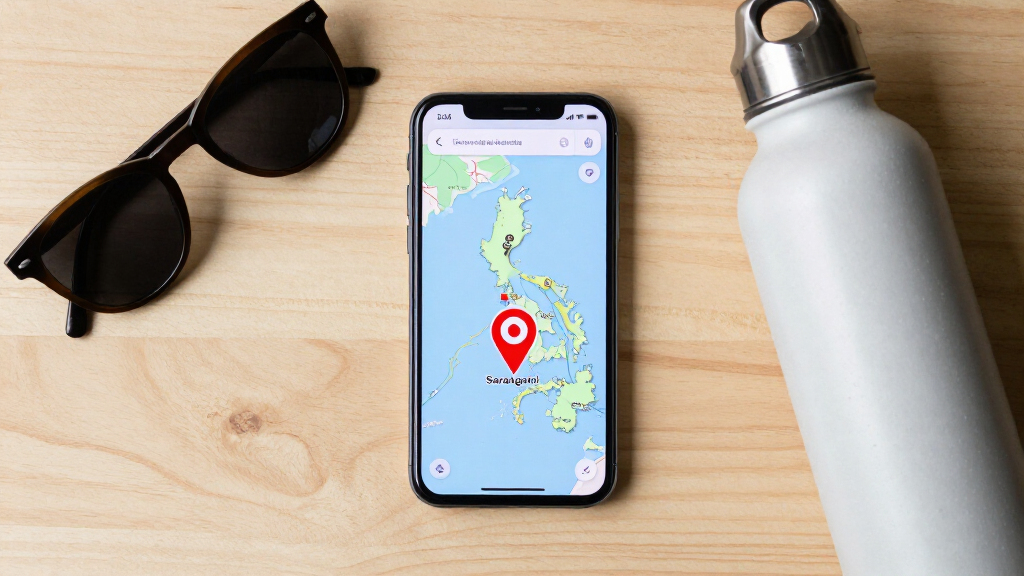
A magnitude 4.8 earthquake struck 54 km southwest of Sarangani, Philippines. There are no reports of damage or injuries so far. Authorities continue to monitor seismic activity.
A magnitude 4.8 earthquake struck 54 kilometers southwest of Sarangani, Philippines, early this morning, according to the USGS. The event was shallow and did not trigger any immediate reports of damage or injuries, but authorities are monitoring the situation closely, especially given the region’s seismic activity like the recent earthquake near Sarangani.
The earthquake was recorded at approximately 6:30 a.m. local time and had a depth of around 10 kilometers. The USGS confirmed its magnitude and location, indicating a moderate seismic event in the region. No tsunami warnings have been issued, and local authorities have not reported any damage or casualties as of now.
Seismologists note that this quake is part of the region’s ongoing seismic activity, which is influenced by the complex tectonic interactions in the area. The Philippine Institute of Volcanology and Seismology has been alerted and is conducting further assessments. Residents in nearby areas have reported feeling light tremors but no significant impact.
Implications of the Earthquake for Local Safety
This earthquake highlights the ongoing seismic risks in the Sarangani region, which is known for its tectonic activity. Although the quake was moderate, it serves as a reminder for local communities to review emergency preparedness plans. The absence of damage or injuries so far is positive, but authorities emphasize vigilance as aftershocks could occur.
As an affiliate, we earn on qualifying purchases.
Regional Seismic Activity and Historical Earthquakes
The Philippines is situated along the Pacific Ring of Fire, making it prone to frequent earthquakes and volcanic activity. The Sarangani area has experienced several tremors in recent years, with notable quakes in 2013 and 2017 causing minor damage but no casualties. This recent event is consistent with the region’s seismic profile, which involves tectonic movements along the Philippine Fault and nearby subduction zones.
“The magnitude 4.8 quake is within the expected seismic activity of the region. Residents should remain alert for possible aftershocks and follow safety protocols.”
— Dr. Maria Santos, PHIVOLCS Seismologist
As an affiliate, we earn on qualifying purchases.
Unconfirmed Reports and Potential Aftershocks
While no damage or injuries have been reported, it is still unclear whether aftershocks will follow and their potential strength. The situation remains dynamic, and authorities have not issued any warnings beyond standard monitoring procedures. It is also uncertain if the quake will lead to any significant geological changes in the area.
As an affiliate, we earn on qualifying purchases.
Ongoing Monitoring and Preparedness Measures
Authorities, including PHIVOLCS and local government units, will continue to monitor seismic activity in the region. Emergency preparedness drills and public advisories are expected to be issued if aftershocks occur or if new information emerges. Residents are advised to stay informed through official channels and review safety protocols.
emergency preparedness first aid kit
As an affiliate, we earn on qualifying purchases.
As an affiliate, we earn on qualifying purchases.
Key Questions
Was there any damage caused by the earthquake?
As of now, there are no reports of damage or injuries following the magnitude 4.8 quake near Sarangani. Authorities are monitoring the situation closely.
Should residents be worried about aftershocks?
Seismologists indicate that aftershocks are possible and advise residents to remain alert and prepared for additional tremors, though no significant aftershocks have been confirmed yet.
Is a tsunami threat possible from this quake?
No tsunami warning has been issued, as the quake’s depth and location do not suggest a tsunami risk at this time.
What should residents do in case of another earthquake?
Residents should follow standard safety protocols: drop, cover, and hold on; stay away from windows; and have an emergency kit ready. Local authorities recommend reviewing safety plans regularly.
Will there be more updates about this event?
Yes, authorities will continue to provide updates as new information becomes available, especially if aftershocks occur or if any damage is reported.
Source: hazard
Fall Picks
fall essentials
As an affiliate, we earn on qualifying purchases.