
TL;DR
Researchers are developing a dashboard app that detects driver drowsiness via a phone mounted on the dashboard, using face landmarks to monitor eye closure and head nodding. This system aims to reduce microsleeps and crashes among long-commute drivers of older vehicles lacking built-in safety tech.
A phone-mounted dashboard app is being developed to detect signs of driver drowsiness in vehicles without built-in safety sensors. This technology aims to provide a practical safety measure for older car owners who face increased risk of microsleeps and highway crashes, with testing expected to begin soon.
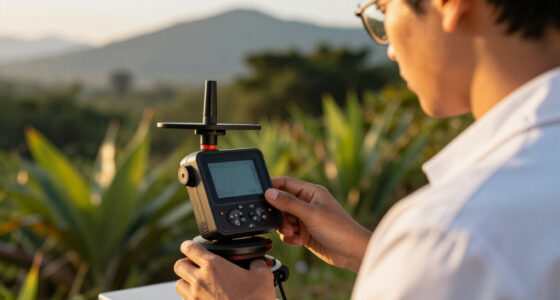
The proposed system uses on-device face-landmark models to analyze eye-closure and head-nod patterns through a smartphone mounted on the dashboard. Unlike integrated vehicle sensors, this approach leverages cheap dashboard phone mounts and existing mobile hardware to monitor driver alertness.
According to sources familiar with the project, the app will sound escalating alerts and prompt drivers to take a break when signs of drowsiness are detected. The initiative targets long-commute drivers of older vehicles, a demographic often lacking access to advanced safety tech found in newer cars.
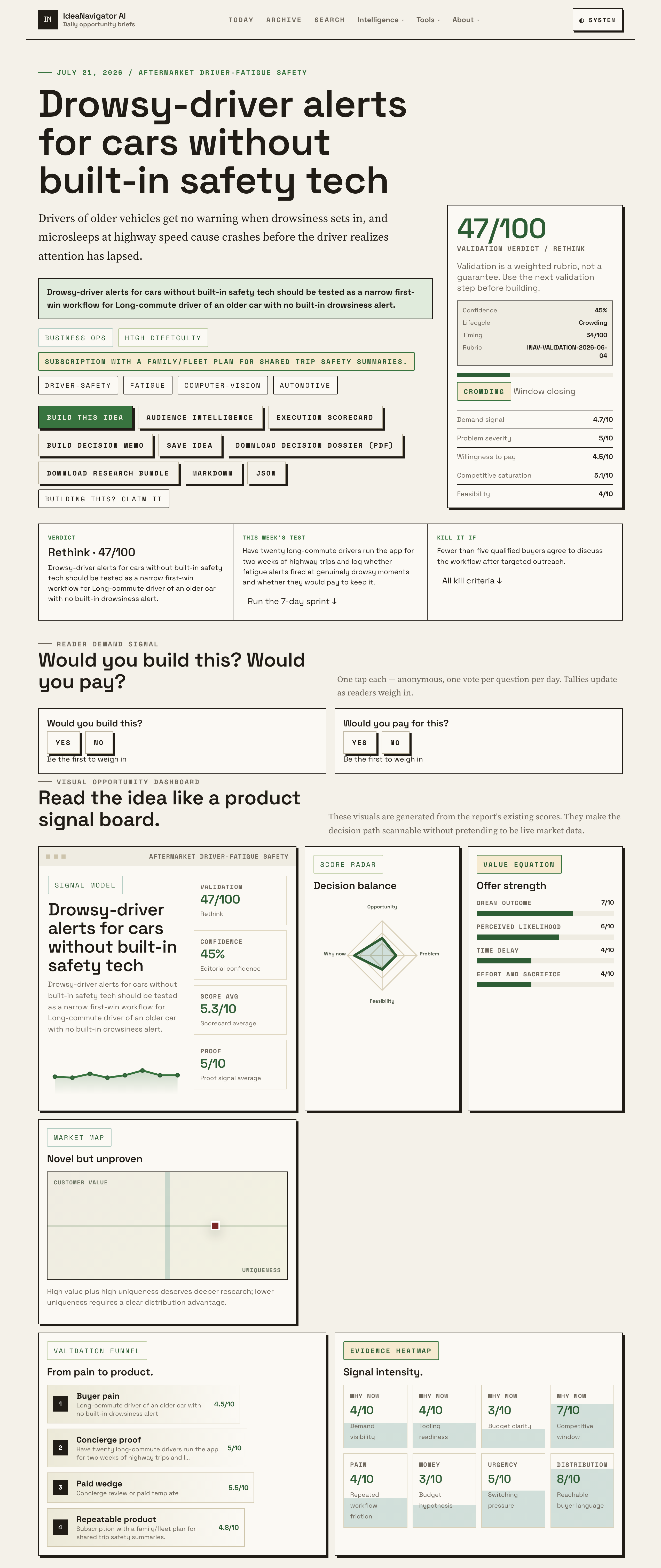
Validation involves testing the app with twenty drivers over two weeks of highway trips, logging whether fatigue alerts correspond to truly drowsy moments and assessing willingness to pay for ongoing use. The model includes a subscription plan with family or fleet sharing options for safety summaries.
Potential Impact on Older Vehicle Safety
This development could significantly reduce accidents caused by driver fatigue among older vehicle owners, a group that typically lacks access to built-in safety alerts. By providing an affordable, aftermarket solution, it offers a practical way to improve highway safety and prevent microsleeps that often lead to crashes.
Moreover, if successful, this approach could pave the way for widespread adoption of non-intrusive, smartphone-based driver monitoring systems, expanding safety measures beyond the latest vehicle models and into the broader driver population.
dashboard drowsiness detection app
As an affiliate, we earn on qualifying purchases.
As an affiliate, we earn on qualifying purchases.
Rise of Aftermarket Driver Fatigue Solutions
Driver fatigue is a known contributor to highway accidents, especially among long-distance commuters and older drivers in vehicles lacking modern safety features. Currently, built-in drowsiness detection relies on sensors and camera systems integrated into newer cars, leaving many older vehicles unprotected.
Recent advances in mobile hardware and face-landmark algorithms have made it feasible to develop cost-effective, aftermarket safety systems. Pilot programs and research suggest that driver alertness can be reliably monitored using a smartphone mounted on the dashboard, which detects eye closure and head nodding patterns associated with drowsiness.
This initiative aligns with broader trends toward accessible, tech-driven safety enhancements that do not require vehicle modifications.
“Using face-landmark models on smartphones provides a promising way to monitor driver alertness without needing vehicle-installed sensors.”
— an anonymous researcher
phone mount for driver alert system
As an affiliate, we earn on qualifying purchases.
As an affiliate, we earn on qualifying purchases.
Uncertainties About System Validation and Adoption
It is not yet confirmed how accurately the app will detect drowsiness in real-world conditions or how drivers will respond to alerts. The results of ongoing pilot testing are still pending, and user acceptance remains to be evaluated.
Additionally, regulatory or safety certification processes for aftermarket alert systems are still unclear, which could influence broader deployment.
As an affiliate, we earn on qualifying purchases.
Upcoming Pilot Testing and Market Rollout Plans
The next step involves conducting pilot tests with twenty long-commute drivers over a two-week period to validate alert accuracy and user willingness to pay. Pending successful results, developers may refine the app and prepare for wider release, potentially including subscription plans for individual and fleet users.
Further research and regulatory review will determine how quickly and broadly this technology can be adopted in the aftermarket safety market.
car alert system for older vehicles
As an affiliate, we earn on qualifying purchases.
As an affiliate, we earn on qualifying purchases.
Key Questions
How does the app detect drowsiness without built-in sensors?
The app uses face-landmark detection via the smartphone camera to monitor eye closure and head movement patterns associated with drowsiness.
Will this system work in all vehicles?
Yes, it is designed to be used with any vehicle that can accommodate a mounted smartphone, making it suitable for older cars without integrated safety tech.
How reliable is face-landmark detection for safety alerts?
While promising, the reliability depends on the accuracy of face detection algorithms and driver behavior during testing; validation is ongoing.
What is the cost of this aftermarket system?
The system would operate on a subscription model, with potential plans including family or fleet sharing, but exact pricing details are still being developed.
When will this system be available for general use?
Pending successful pilot testing and regulatory approval, a wider market rollout could occur within the next year or two.
Source: IdeaNavigator AI