
Alarm systems now depend more on sensor technology because sensors detect intrusions early, allowing for quicker and smarter responses. They reduce false alarms caused by pets, weather, or technical glitches, making your security more reliable. Sensors also share detailed information about threats, helping responders act accurately. Unlike sirens, which are disruptive, sensors provide seamless protection that adapts to your needs. Keep going to discover how this innovative approach keeps your home safer and more efficient.

Get school and study supplies delivered free — and shop member deals
- Fast, free delivery on millions of items
- Access to Prime Big Deal Days deals on October 6–7
- Prime Video, Amazon Music and more included
Key Takeaways
- Sensors detect intrusions early, enabling quicker responses than loud sirens that only alert after entry.
- Sensor technology reduces false alarms caused by pets or weather, ensuring more reliable security.
- Data from sensors allows precise location identification and targeted responses, improving effectiveness.
- Sensor-based systems enable automated, smart security measures without relying solely on disruptive sirens.
- Advanced sensors enhance overall system dependability, minimizing the need for loud alarms to deter intruders.
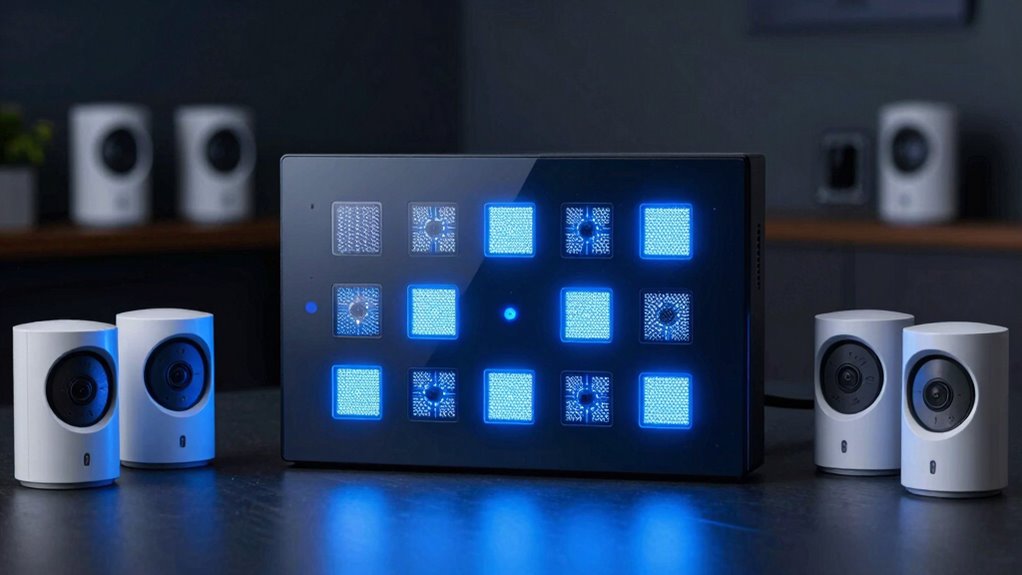
While traditional alarm systems rely heavily on loud sirens to deter intruders, modern security strategies prioritize sensor technology for more effective protection. You’ll find that sensors offer a smarter way to detect unauthorized entry, making your security system more dependable and less disruptive. Instead of depending solely on a siren to scare off intruders, sensors focus on intrusion detection, identifying suspicious activity early and accurately. This shift means that false alarms, which can be frustrating and costly, are notably reduced.
Modern security favors sensors over loud sirens for smarter, more reliable intrusion detection and fewer false alarms.
With sensor-based systems, you get a nuanced approach to security. Motion detectors, door and window sensors, and glass-break sensors work together to monitor specific vulnerabilities around your home or business. When these sensors detect unusual movement or breach, they send immediate signals to a control panel, which then triggers alerts—either to your phone, a security company, or law enforcement—without relying on a blaring siren. This targeted response helps you verify threats quickly, minimizing unnecessary disruptions caused by false alarms. Sensor technology plays a crucial role in this smarter security approach. Additionally, integrating sensor networks can improve overall system reliability and coverage, ensuring no vulnerability is overlooked.
The reliance on sensors also enhances intrusion detection. Unlike sirens, which only alert everyone nearby, sensors provide detailed information about where an intrusion might be happening. This precision allows you to respond faster and more appropriately. For example, if a sensor detects movement in a rarely used area, you can investigate without causing alarm for the entire neighborhood. Over time, sensor data can even help identify patterns, enabling you to strengthen weak points in your security setup. Incorporating advanced algorithms can further refine the system’s ability to distinguish between real threats and benign activities. Analyzing sensor data with these algorithms can significantly improve detection accuracy and response times. Moreover, the integration of sensor data can enhance real-time decision-making and automate responses.
Reducing false alarms is another vital benefit of sensor-centric security. Sirens can go off accidentally due to pets, weather, or technical glitches, leading to costly false alarms and possible fines. Sensors, especially those with sophisticated algorithms, are less prone to these errors. They are designed to differentiate between real threats and benign activities, saving you the trouble of dealing with unnecessary police responses or security company dispatches. This smarter detection not only keeps your peace of mind but also helps maintain the credibility of your security system. Properly calibrated sensors can also adapt to changing environmental conditions, further decreasing the likelihood of false positives.
In essence, modern alarm systems depend more on sensor strategy because it offers precise intrusion detection, reduces false alarms, and provides actionable information quickly. You gain a more reliable, less intrusive, and more intelligent security setup that adapts to your needs. Instead of relying on loud sirens to scare off intruders, you’re empowering your system to identify threats early and respond intelligently—making your security both more effective and less disruptive. The integration of these sensor-based systems represents a significant advancement in home security technology.
wireless motion sensor alarm system
As an affiliate, we earn on qualifying purchases.
As an affiliate, we earn on qualifying purchases.
Frequently Asked Questions
How Do Sensors Detect Different Types of Intrusions?
You can detect different types of intrusions through various sensors. Motion detection sensors, including infrared sensors, identify movement by sensing heat or body heat changes. Infrared sensors specifically detect heat signatures from intruders, triggering alarms when unusual activity is detected. These sensors are essential because they respond precisely to different intrusion types, making your alarm system more effective. Properly deploying a combination of sensors ensures thorough coverage against potential threats.
What Are the Latest Sensor Technologies in Alarm Systems?
A stitch in time saves nine, and staying ahead with the latest sensor tech is key. You’ll find advanced alarm systems now use refined motion detection and infrared sensors for better accuracy. These sensors quickly identify disturbances, even in low light or through obstacles. Smart sensors also adapt to your environment, reducing false alarms. By upgrading your system, you guarantee reliable protection using cutting-edge sensors that work seamlessly together.
Can Sensor Placement Affect False Alarm Rates?
Sensor placement can considerably impact false alarm rates. When you calibrate sensors properly and position them thoughtfully, you reduce false alarms caused by pets, weather, or other environmental factors. Proper sensor placement guarantees accurate detection, while calibration fine-tunes sensitivity levels. Together, these strategies enhance false alarm mitigation, making your alarm system more reliable and minimizing unnecessary disruptions, so you feel secure without constant false alarms interrupting your day.
How Do Sensor Strategies Improve Overall Security?
Think of sensor strategies as your security’s GPS, guiding responses precisely. Proper sensor calibration guarantees accurate detection, reducing false alarms and catching intruders early. When sensors are well-placed, they trigger user alerts promptly, giving you time to respond. This strategic approach enhances overall security by focusing on detection accuracy and timely alerts, making your system smarter and more reliable—think of it as turning your alarm into a vigilant, high-tech security guard.
Are There Industry Standards for Sensor Effectiveness?
Yes, industry standards for sensor effectiveness exist, emphasizing regular sensor calibration and maintenance routines. You should guarantee sensors are calibrated according to manufacturer guidelines to maintain accuracy. Scheduled maintenance routines help identify and fix potential issues early, ensuring sensors respond correctly to threats. Following these standards boosts your alarm system’s reliability, reduces false alarms, and enhances overall security, making your setup more effective in protecting your property.
pet-friendly door and window sensors
As an affiliate, we earn on qualifying purchases.
As an affiliate, we earn on qualifying purchases.
Conclusion
Think of your alarm system as a vigilant guardian, much like a lighthouse guiding ships safely through treacherous waters. Its sensors are the steady, watchful beams that detect danger early, steering you clear of storms before they hit. The siren is just the loud horn that sounds when trouble’s already near. By focusing on smart sensor strategies, you’re not just shouting into the night—you’re illuminating threats before they reach you, keeping your safety truly in your own hands.
glass break sensors for home security
As an affiliate, we earn on qualifying purchases.
As an affiliate, we earn on qualifying purchases.
smart security system with sensor alerts
As an affiliate, we earn on qualifying purchases.
As an affiliate, we earn on qualifying purchases.
Fall Picks
fall essentials
As an affiliate, we earn on qualifying purchases.