
You can use rain barrel water for watering gardens, flowers, and vegetables, helping you save on utility bills and conserve water. However, avoid using it for washing cars, filling pools, or watering edible plants that will be eaten raw if it’s stored for a long time. Rainwater is generally safe for non-food plants, but be cautious with certain plants and always guarantee proper maintenance. To discover more tips, explore how to use rainwater wisely.

Get school and study supplies delivered free — and shop member deals
- Fast, free delivery on millions of items
- Access to Prime Big Deal Days deals on October 6–7
- Prime Video, Amazon Music and more included
Key Takeaways
- Use rain barrel water for watering gardens, flowers, and non-edible landscaping plants.
- Avoid using stored rainwater on edible plants that are eaten raw if stored long-term.
- Do not use rain barrel water for washing cars or filling swimming pools.
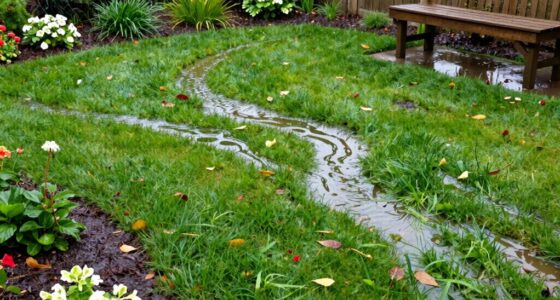
- Ensure overflow is managed properly to prevent foundation damage and water pooling.
- Regularly clean and maintain the barrel to prevent contamination and mosquito breeding.

Have you ever considered how rain barrels can help you conserve water and save money? Using a rain barrel is an easy way to collect and store rainwater from your roof, reducing your reliance on municipal water and lowering your utility bills. But to make the most of your rain barrel, it’s important to understand the best harvesting techniques and maintenance tips. Proper harvesting techniques involve positioning your barrel correctly, with the downspout directing water into it without splashing or overflowing. Installing an appropriate screen or mesh on the opening prevents debris, leaves, and insects from contaminating the stored water. It’s also wise to use a spigot or hose attachment for easy access, ensuring you can direct water where it’s needed most. When it comes to harvesting, consider adding a diverter or filter system that diverts clean rainwater into your barrel while keeping out dirt and pests. This way, you maximize the quality of the water you collect and minimize maintenance issues later. Additionally, selecting a rain barrel with a high storage capacity can help you collect more water during heavy rainfall events.
Maintaining your rain barrel is equally important to keep it functioning efficiently and safely. Regular maintenance tips include checking for cracks or leaks, especially after storms, and ensuring the lid or cover remains secure to prevent mosquito breeding. Cleaning the screen or mesh regularly helps keep debris out of the water, reducing clogging and contamination. You should also drain and rinse your barrel periodically to prevent algae buildup and sediment accumulation. During the winter months in colder climates, disconnect and empty your rain barrel to prevent freezing and cracking. Keep an eye on the overflow outlet to make sure it’s clear and functioning properly, directing excess water away from your foundation. Installing a splash guard or a diverter can help manage overflow and prevent water from pooling around your home’s foundation, which could cause damage.
Using collected rainwater for your garden is a smart, eco-friendly choice. You can water your plants, flowers, and vegetables, as long as you avoid using water from your barrel on edible plants that are meant to be eaten raw, especially if the water has been stored for some time. Rainwater is generally free of chemicals and pollutants, making it ideal for irrigating non-edible landscaping. However, avoid using rain barrel water for washing cars, filling swimming pools, or watering plants that might be sensitive to any contaminants that could have entered the barrel. By following proper harvesting techniques and maintenance tips, you’ll ensure your rain barrel remains an efficient, safe, and cost-effective resource for your home and garden needs.
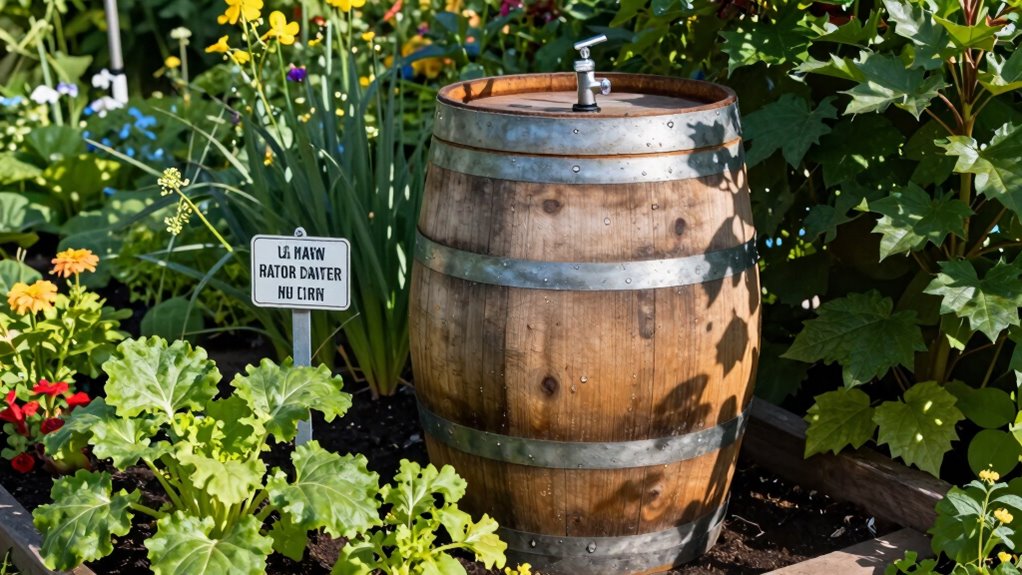
rain barrel with spigot and hose attachment
As an affiliate, we earn on qualifying purchases.
As an affiliate, we earn on qualifying purchases.
Frequently Asked Questions
Can Rain Barrel Water Be Used for Drinking?
No, you shouldn’t use rain barrel water for drinking. It’s not considered potable water without proper purification methods. Rainwater can pick up contaminants from roofs and gutters, making it unsafe. To drink rainwater, you need to filter and disinfect it thoroughly using methods like boiling, chemical treatment, or UV purification. Always test the water first to verify it’s safe before consuming, and consider installing a proper filtration system.
How Often Should I Clean My Rain Barrel?
You should clean your rain barrel at least once a year to maintain proper rain barrel maintenance. During your cleaning schedule, empty the barrel, scrub away algae and debris, and rinse thoroughly. If you notice standing water or debris more frequently, increase cleaning frequency. Regular cleaning prevents mosquito breeding and keeps the water quality high, ensuring your rain barrel remains a safe, effective water source for your garden or outdoor use.
Is Rain Barrel Water Safe for Vegetable Gardens?
Rain barrel water is generally safe for vegetable gardens if you use proper rainwater filtration. I recommend filtering the water before use to remove debris and potential contaminants. It’s best suited for garden irrigation rather than direct contact with edible parts. Regular cleaning of your rain barrel also helps maintain water quality. When filtered properly, you can confidently use rainwater for your vegetables, saving resources and promoting healthy growth.
What Are the Best Materials for Rain Barrels?
Did you know that choosing the right materials for rain barrels can extend their lifespan by up to 50%? For ideal durability assessment, you should consider UV-resistant plastics like polyethylene, cedar wood, or metal. These materials resist weathering and corrosion, ensuring your rain barrel lasts longer. Focus on selecting materials that are sturdy, non-toxic, and easy to maintain, so your collection remains reliable and safe for use around your home.
How Do I Prevent Mosquito Breeding in My Rain Barrel?
To prevent mosquito breeding in your rain barrel, you should use mosquito prevention measures like installing a tight-fitting rain barrel cover. Make certain the cover is secure and doesn’t have any gaps, as mosquitoes lay eggs in stagnant water. You can also add mosquito dunks or larvicides safe for plants. Regularly check and clean the barrel to eliminate any standing water and reduce mosquito breeding habitats effectively.
rainwater diverter and filter system
As an affiliate, we earn on qualifying purchases.
As an affiliate, we earn on qualifying purchases.
Conclusion
By thoughtfully harnessing rain barrel water, you open the door to a world of sustainable possibilities that gently nurture your garden and surroundings. While it’s a wonderful resource, it’s wise to handle it with care and discernment, avoiding certain uses that could lead to unintended complications. Embracing this eco-friendly practice allows you to subtly enrich your environment, fostering harmony between your home and nature’s delicate balance. After all, wisdom in moderation makes the most graceful and enduring impression.
garden watering can with rain barrel connection
As an affiliate, we earn on qualifying purchases.
As an affiliate, we earn on qualifying purchases.
mosquito proof rain barrel cover
As an affiliate, we earn on qualifying purchases.
As an affiliate, we earn on qualifying purchases.
Halloween Picks
halloween
As an affiliate, we earn on qualifying purchases.