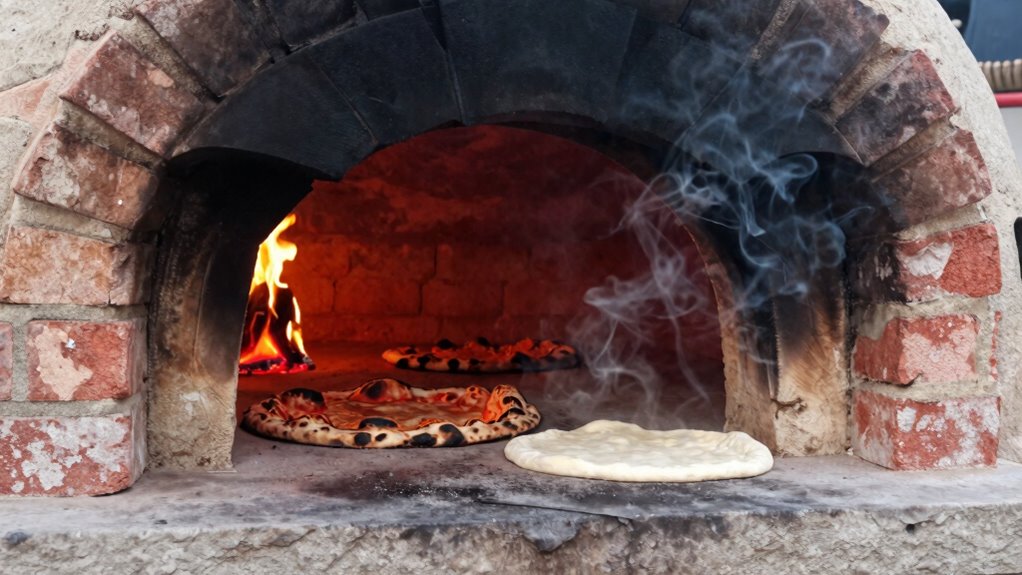
In outdoor pizza ovens, managing heat zones is key to preventing toppings from burning while ensuring the crust cooks evenly. If heat is too concentrated on the top, toppings can scorch before the crust is done. Using proper heat zones allows you to move your pizza to cooler areas when needed, avoiding burnt toppings. Continued exploration of heat zone techniques can help you perfect your cooking for professional-quality results.

Get school and study supplies delivered free — and shop member deals
- Fast, free delivery on millions of items
- Access to Prime Big Deal Days deals on October 6–7
- Prime Video, Amazon Music and more included
Key Takeaways
- Uneven heat zones in outdoor pizza ovens can cause toppings to burn while the crust remains undercooked.
- Proper heat zone management allows you to move the pizza away from high heat areas during cooking.
- Fuel type (wood, gas, charcoal) affects heat distribution and control, impacting topping safety.
- Gas ovens provide more precise temperature control, reducing the risk of burning toppings.
- Balancing high heat for crusts with cooler zones for toppings is essential to prevent burning.
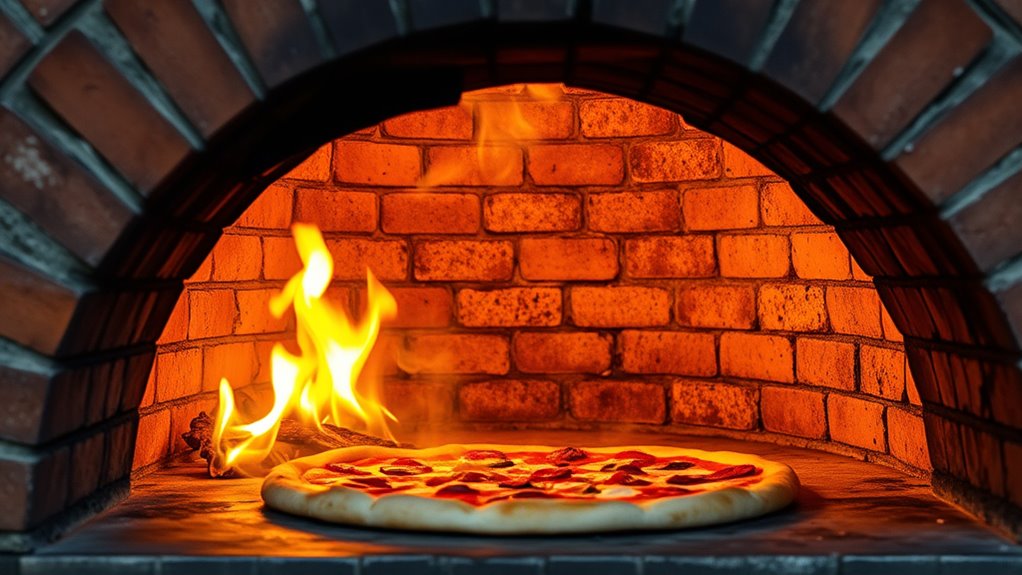
Outdoor pizza ovens have become a popular addition to backyard spaces, allowing you to cook restaurant-quality pizzas right at home. One of the key factors in achieving that perfect pie is understanding how heat zones and temperature control work within these ovens. The type of fuel you choose plays a significant role in how you manage heat, as different fuel types—such as wood, gas, or charcoal—offer distinct advantages and challenges. Wood-fired ovens, for example, create a smoky flavor and high, uneven heat that can be tricky to control, but they give you a traditional experience. Gas ovens, on the other hand, provide cleaner burning and more precise temperature adjustments, making it easier to maintain consistent heat levels. Charcoal combines some benefits of both, delivering high heat with a smoky aroma while requiring more effort to regulate temperature.
Temperature regulation is vital because it directly affects how your pizza cooks. If you don’t manage heat zones properly, you’ll notice uneven cooking, with toppings burning while the crust remains underdone. The key is understanding how to balance the heat across different areas of your oven. Many outdoor pizza ovens are designed with multiple heat zones, where one side is hotter for crisping the crust, and the other remains cooler for baking toppings without burning them. This way, you can move your pizza around, ensuring the crust gets the perfect crunch without overcooking the toppings. Achieving this balance requires practice and knowing how your specific oven responds to different fuels and adjustments. Additionally, heat zones play a crucial role in preventing tops from burning, as they allow you to control the heat distribution effectively.
outdoor pizza oven heat zone thermometer
As an affiliate, we earn on qualifying purchases.
As an affiliate, we earn on qualifying purchases.
Frequently Asked Questions
How Do I Prevent My Pizza Tops From Burning?
To prevent your pizza tops from burning, use a pizza stone to distribute heat evenly and avoid direct flame contact. Make certain your oven has proper insulation to regulate temperature and prevent hot spots. Keep an eye on the top of your pizza as it cooks, and consider rotating it for even baking. Adjust your oven’s heat zones if needed, and remove the pizza promptly once the top reaches your desired doneness.
What Is the Ideal Temperature for Outdoor Pizza Ovens?
Think of your outdoor pizza oven as a finely tuned orchestra, where temperature plays the lead. The ideal temperature is around 700°F to 800°F for Neapolitan-style pizzas. This range balances fuel efficiency and guarantees consistent heat, even when weather impacts outdoor conditions. Keep an eye on the temperature gauge, and adapt your fuel use accordingly to maintain this perfect heat and avoid burning the tops.
How Do Heat Zones Develop in Different Oven Designs?
You develop heat zones in different oven designs based on fire safety and fuel types. For example, wood-fired ovens create distinct zones with hotter areas near the fire and cooler spots farther away, while gas ovens offer more even heat distribution. Your choice of fuel influences how heat spreads, affecting top burning. Proper design guarantees safe operation and prevents uneven cooking, so understanding these factors helps you optimize your outdoor pizza oven’s performance.
Can I Control Heat Zones Effectively During Cooking?
Did you know that about 60% of pizza chefs adjust their heat zones for perfect results? You can control heat zones effectively by understanding your oven’s dome shape and fuel source. A well-designed dome distributes heat evenly, but adjusting the fuel source—like shifting coals—can help concentrate heat where needed. Practice managing these elements, and you’ll master consistent, perfectly cooked pizzas every time.
Why Do Some Ovens Have Uneven Heat Distribution?
You notice uneven heat distribution because the fuel type and insulation materials impact how heat spreads inside your oven. Wood-fired ovens, for example, can create hot spots due to uneven fire placement, while gas ovens may have inconsistent burners. Poor insulation allows heat to escape or concentrate unevenly, causing temperature differences. To improve, choose a high-quality insulation material, and position your fuel source carefully for better heat control.
gas outdoor pizza oven with temperature control
As an affiliate, we earn on qualifying purchases.
As an affiliate, we earn on qualifying purchases.
Conclusion
Understanding heat zones in your outdoor pizza oven helps prevent burning the tops and guarantees perfectly cooked pies. Did you know that most pizza ovens reach temperatures of up to 900°F? That intense heat can cause uneven cooking if you’re not careful. By mastering heat distribution and knowing where your oven’s hottest spots are, you’ll enjoy delicious, evenly baked pizzas every time. Get familiar with your oven, and turn your backyard into your favorite pizzeria!
pizza stone for outdoor pizza oven
As an affiliate, we earn on qualifying purchases.
As an affiliate, we earn on qualifying purchases.
outdoor pizza oven heat management tools
As an affiliate, we earn on qualifying purchases.
As an affiliate, we earn on qualifying purchases.
Fall Picks
fall essentials
As an affiliate, we earn on qualifying purchases.