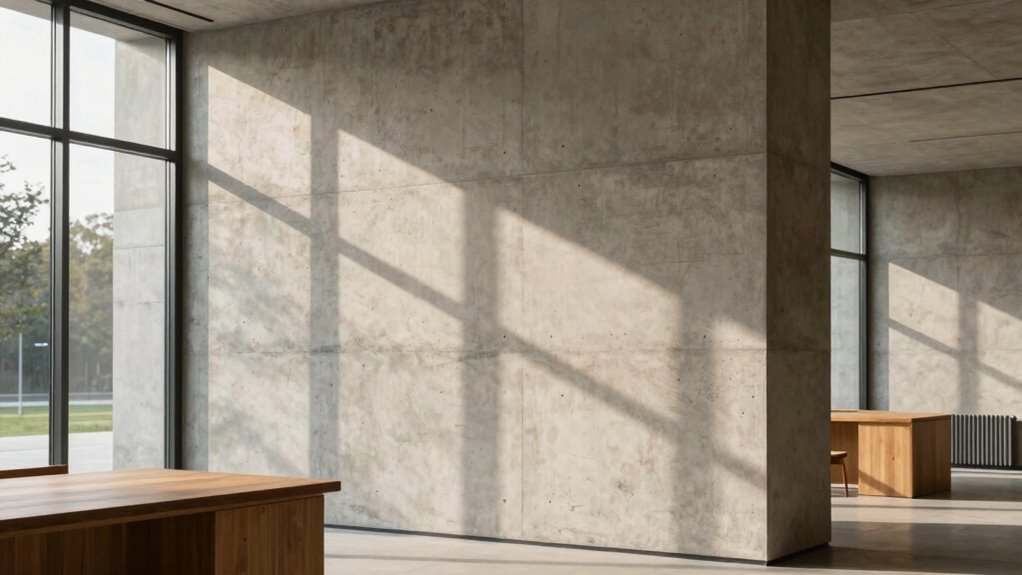

Heavy materials like concrete, brick, and stone help regulate indoor temperatures by absorbing, storing, and slowly releasing heat. They work best in climates with significant temperature swings or day-night differences. These materials create a thermal mass that helps keep your space warm in winter and cool in summer, reducing energy use. To learn how to optimize their use and maximize comfort, explore more about thermal mass and its applications.
Key Takeaways
- Heavy materials like concrete, brick, and stone effectively absorb, store, and slowly release heat, stabilizing indoor temperatures.
- Thermal mass helps reduce energy costs by smoothing out temperature fluctuations during day and night cycles.
- Heavy materials are most beneficial in climates with significant temperature swings, maximizing passive heating and cooling.
- Proper placement and orientation of thermal mass elements enhance their ability to regulate indoor comfort naturally.
- Combining high thermal mass with insulation and strategic design optimizes building energy efficiency and occupant comfort.

Rocket Espresso Appartamento TCA Espresso Machine (Stainless/White)
Fresh Design - The Appartamento TCA is a ground-up redesign from the original Appartamento, including an upgraded case,...
As an affiliate, we earn on qualifying purchases.
What Is Thermal Mass and How Does It Work
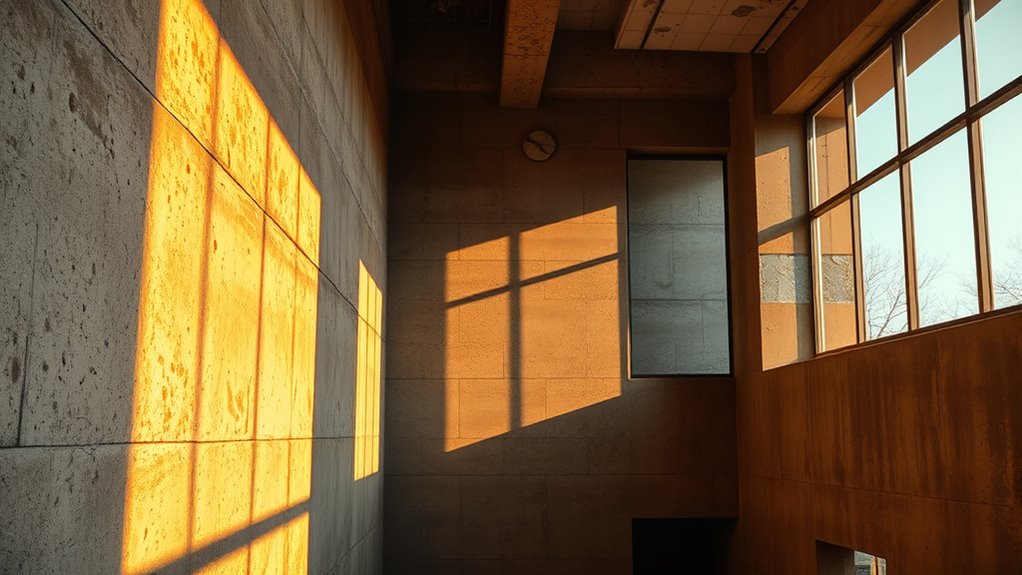
Thermal mass refers to the ability of a material to absorb, store, and release heat. This property plays a key role in thermal regulation within a space, helping maintain a stable indoor temperature. Materials with high thermal mass, like concrete or brick, have higher material density, which allows them to hold more heat energy. When the environment warms up, these materials absorb excess heat, preventing temperature spikes. As temperatures drop, they gradually release stored heat, keeping the space comfortable. Your choice of material density directly influences thermal regulation; denser materials provide better heat absorption and release. Understanding this relationship helps you select the right materials to optimize energy efficiency and indoor comfort in your building or home. material density impacts how effectively thermal mass can regulate temperature and energy use.

Breville Dual Boiler Espresso Machine BES920XL, Brushed Stainless Steel
The Breville Dual Boiler with commercial features delivers third wave specialty coffee at home using the 4 keys...
As an affiliate, we earn on qualifying purchases.
How Do Heavy Materials Absorb and Release Heat
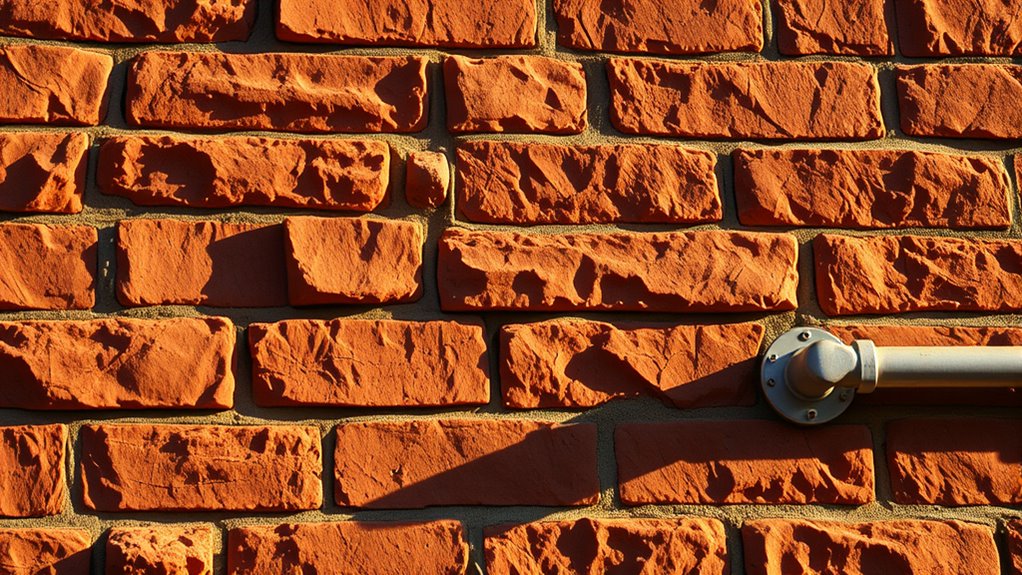
Heavy materials like concrete and brick absorb heat quickly because their dense structures contain closely packed molecules. Their ability to store and release heat depends on thermal conductivity and heat capacity. Higher thermal conductivity means heat moves through them faster, while greater heat capacity allows them to hold more heat overall. When exposed to warmth, these materials absorb heat during the day, thanks to their high heat capacity, and slowly release it at night, helping to regulate indoor temperatures. This process creates a thermal buffer that reduces temperature swings. Understanding how these properties work together helps you choose materials that effectively absorb and release heat, making your building more energy-efficient. Thermal properties play a key role in optimizing the use of heavy materials for temperature regulation.

Rocket Espresso Appartamento Espresso Machine | E61 | Heat Exchanger | White
Rocket Design - A flashy update to Rocket's (already showstopping) design, the Appartamento will draw stares from everyone...
As an affiliate, we earn on qualifying purchases.
Which Building Materials Have the Highest Thermal Mass

Concrete has an impressive ability to store and release heat, making it a popular choice for thermal mass. Brick and clay also offer excellent heat retention, helping to regulate indoor temperatures naturally. Stone materials, with their high thermal storage capacity, can absorb and release heat over long periods, enhancing building energy efficiency. Additionally, European cloud innovation emphasizes sustainable infrastructure, aligning with the use of energy-efficient building materials like those with high thermal mass.
Concrete’s Thermal Storage Capacity
Have you ever wondered which building materials can best store heat and help regulate indoor temperatures? Concrete is a top contender because of its high thermal mass and material density. Its ability to absorb, store, and release heat makes it ideal for maintaining comfortable indoor environments.
Consider these factors:
- Concrete’s dense structure allows for significant heat storage.
- The high material density increases thermal mass.
- Its thermal conductivity helps transfer heat efficiently.
- Concrete’s durability ensures long-term heat retention.
With its substantial thermal mass, concrete can absorb excess heat during the day and release it at night, reducing energy costs. Its capacity to store and manage heat underscores its role as a heavy-duty, efficient building material.
Brick and Clay Benefits
Ever wondered which materials can store the most heat and help keep indoor temperatures stable? Clay brick and adobe are excellent options because of their high thermal mass. Clay brick absorbs heat during the day and releases it slowly at night, maintaining a comfortable indoor environment. Adobe benefits are similar; made from natural materials like clay, straw, and water, adobe walls provide impressive heat retention. These materials are dense and capable of storing significant amounts of thermal energy, reducing the need for artificial heating and cooling. Their natural properties make them sustainable choices, especially in climates with temperature fluctuations. Incorporating ventilation considerations when using these materials can enhance their energy efficiency further. By incorporating clay brick or adobe into your building, you harness their thermal mass to create a more energy-efficient and comfortable space.
Stone’s Heat Retention
When it comes to high thermal mass, stone stands out as one of the most effective building materials. Its excellent stone’s heat retention allows it to absorb and store heat efficiently, making it ideal for regulating indoor temperatures. Stone’s thermal mass properties mean it slowly releases heat, helping you maintain a comfortable environment even after the sun sets. To understand its benefits, consider these key points: 1. High density supports superior heat absorption. 2. Slow heat transfer** ensures consistent indoor warmth. 3. Durability provides long-lasting thermal performance. 4. Natural insulation reduces energy costs over time. Additionally, the natural properties of stone contribute to its popularity for vetted** endurance and energy efficiency in building design.
Breville Duo Temp Pro Espresso Machine BES810BSS, Brushed Stainless Steel
The Breville Duo Temp Pro lets you create third wave specialty coffee at home; This espresso machine ensures...
As an affiliate, we earn on qualifying purchases.
Why Use Heavy Materials in Building Design
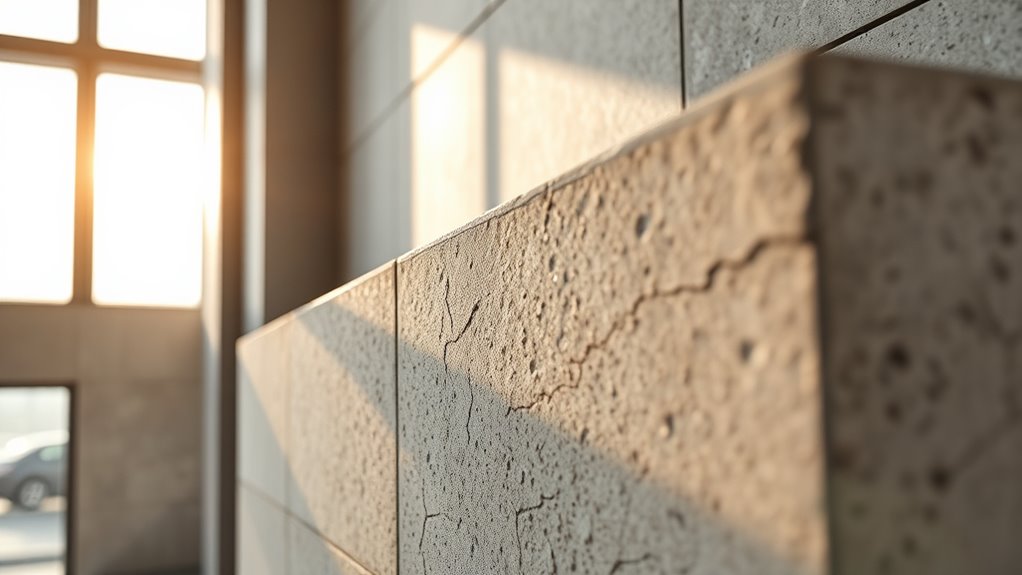
Using heavy materials in building design offers significant thermal benefits by increasing the structure’s ability to store and release heat slowly. This helps maintain consistent indoor temperatures, reducing energy costs. Heavy materials also minimize thermal bridging, which occurs when heat bypasses insulation through less insulated paths. When heavy materials work alongside lightweight insulation, they create a balanced system that optimizes thermal mass and reduces heat loss. This combination ensures your building stays warm in winter and cool in summer. Incorporating thermal mass principles can further enhance energy efficiency and occupant comfort.
When Is Relying on Thermal Mass Most Effective
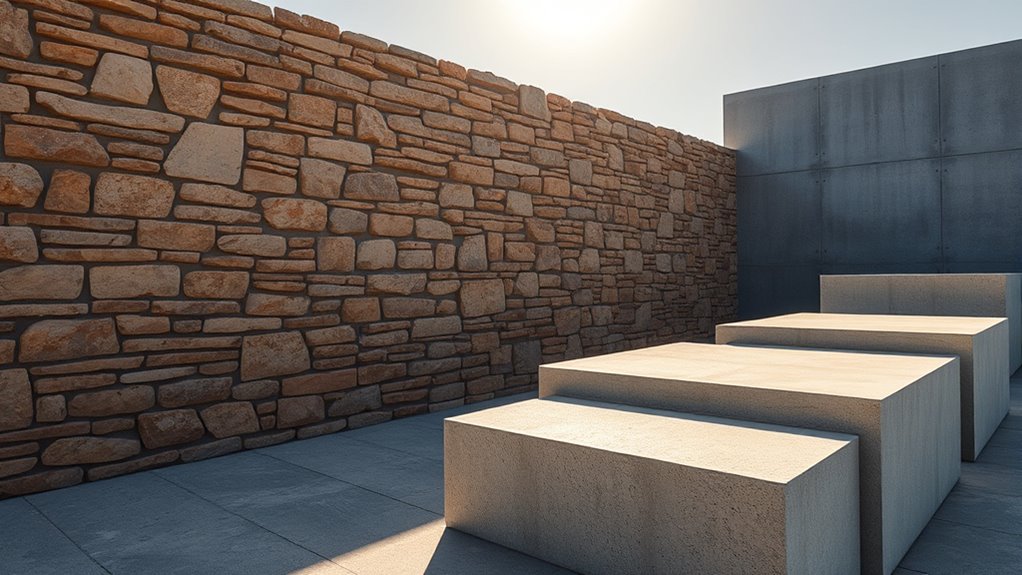
Thermal mass is most effective in climates with significant temperature fluctuations between day and night or between seasons. When temperatures swing dramatically, heavy materials can absorb heat during the day and release it at night, improving thermal comfort and reducing reliance on active heating or cooling. To maximize benefits, consider these factors: 1. Your climate’s temperature variation 2. The building’s orientation and insulation 3. The placement of thermal mass within the structure 4. How well the mass interacts with natural ventilation and the presence of free floating elements to enhance heat exchange.
How Can You Design With Thermal Mass in Mind
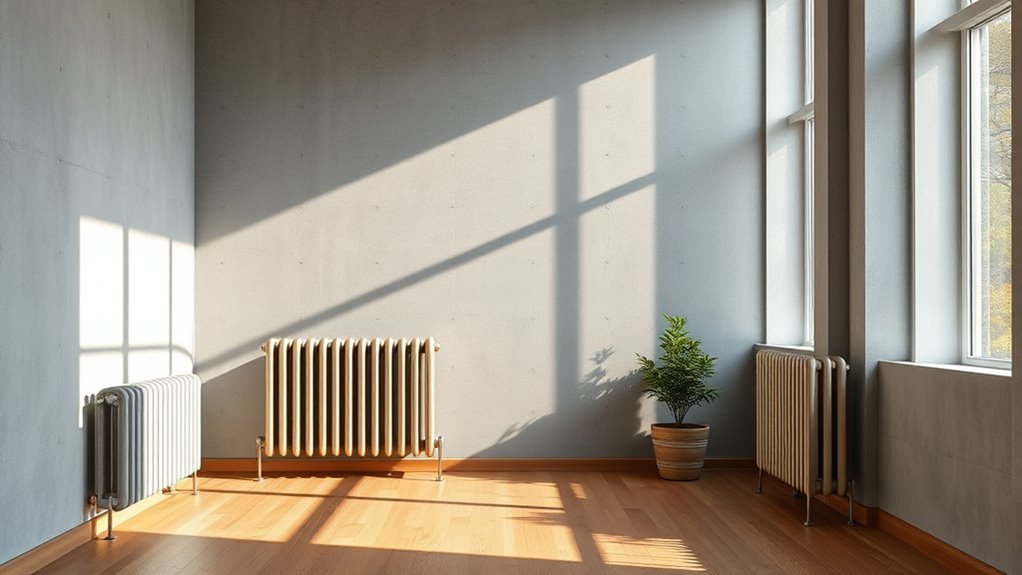
To design with thermal mass in mind, start by selecting materials that store and release heat effectively. Consider how your building’s orientation can maximize sunlight during winter and minimize it in summer. Finally, incorporate thermal mass elements strategically to enhance comfort and energy efficiency.
Select Appropriate Materials
How do you choose the right materials to effectively incorporate thermal mass into your design? First, focus on material selection, prioritizing those with high specific heat capacity like concrete, brick, or stone. Next, consider weight considerations, since dense materials can store and release heat more effectively. Here are key factors to guide your choice:
- Thermal Conductivity – Materials that transfer heat slowly help maintain stable indoor temperatures.
- Durability – Select materials that withstand environmental conditions over time.
- Aesthetics – Opt for finishes that complement your design while serving functional purposes.
- Cost and Availability – Balance budget constraints with the practicality of sourcing materials.
Optimize Building Orientation
Choosing the right building orientation is key to maximizing the benefits of thermal mass. You should position your structure to enhance passive cooling and daylight optimization. Facing windows toward the sun during winter lets thermal mass absorb heat, then release it at night. In summer, shading strategies prevent overheating. To help you decide, consider this table:
| Orientation Strategy | Benefits |
|---|---|
| South-facing windows | Maximize winter heat gain, daylight |
| North-facing walls | Minimize unwanted summer heat |
| Shading devices | Reduce cooling loads, enhance comfort |
Proper orientation guarantees thermal mass moderates indoor temperatures naturally, reducing reliance on active systems and creating energy-efficient comfort year-round. Additionally, understanding the utilitarian principles behind thermal mass helps in designing buildings that are both sustainable and comfortable.
Incorporate Thermal Mass Elements
Incorporating thermal mass elements into your building design involves selecting and positioning materials that can store and release heat effectively. To optimize passive cooling and leverage material properties, consider these strategies:
- Use heavy materials like concrete or brick in walls and floors to absorb daytime heat.
- Place thermal mass where it can directly face sunlight for maximum heat gain.
- Insulate thermal mass from external temperature fluctuations to control heat flow.
- Design indoor layouts that allow thermal mass to interact with living spaces, promoting stable temperatures.
- Understanding the material properties of your chosen elements helps maximize their effectiveness in thermal management.
These steps help you harness thermal mass, reducing energy use and enhancing comfort. By understanding material properties and passive cooling principles, you can create a balanced environment that stays cool during the day and warms at night.
What Are the Limits of Using Heavy Materials for Thermal Mass

While heavy materials like concrete and brick can effectively store and release heat, their use comes with notable limitations. Material limitations include their weight, which can require reinforced structural support, adding to construction costs and complexity. Structural constraints also restrict where you can install these materials; not all buildings can bear the load without significant modifications. Additionally, heavy materials tend to have slow response times, making them less effective in climates with rapid temperature fluctuations. You might find that their thermal benefits diminish if insulation isn’t adequate or if the building isn’t designed to optimize heat transfer. Furthermore, the availability of suitable materials can influence the feasibility of incorporating heavy materials for thermal mass, especially in custom or retrofit projects. Overall, these factors limit the widespread application of heavy materials for thermal mass, especially in retrofit projects or lightweight structures.
Examples of Buildings That Use Heavy Materials Successfully
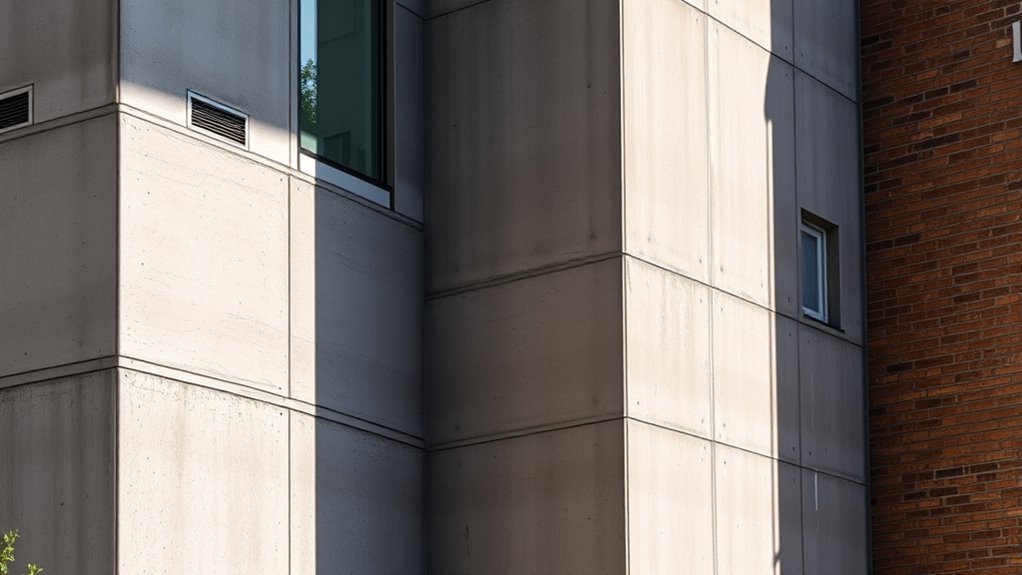
Many successful buildings demonstrate how heavy materials like concrete and brick can be effectively integrated to optimize thermal mass. These structures showcase the thermal mass benefits by maintaining comfortable indoor temperatures and reducing energy costs. For example:
- The Guggenheim Museum in Spain uses massive concrete walls to regulate temperature.
- Traditional adobe homes showcase the durability and thermal benefits of heavy material types.
- The Empire State Building incorporates brick and concrete for thermal regulation.
- Passive House designs often feature thick concrete or brick walls to enhance thermal mass benefits.
These examples highlight how strategic use of heavy materials can create energy-efficient, comfortable spaces, proving their value in sustainable architecture.
Is Thermal Mass Better Than Insulation

Thermal mass and insulation serve different but equally important roles in building performance, making it difficult to declare one outright better than the other. Thermal mass helps stabilize indoor temperatures by absorbing and slowly releasing heat, reducing the need for active heating and cooling. Insulation, on the other hand, minimizes heat transfer, keeping indoor spaces warm in winter and cool in summer. You might combine thermal mass with solar shading to prevent overheating during hot days, enhancing comfort and energy efficiency. Good indoor air quality also depends on proper insulation and ventilation strategies, which work alongside thermal mass to create a healthier environment. Ultimately, the choice depends on your climate, building design, and specific needs—both are essential tools, not competitors.
What Are Future Trends in Thermal Mass and Sustainable Building
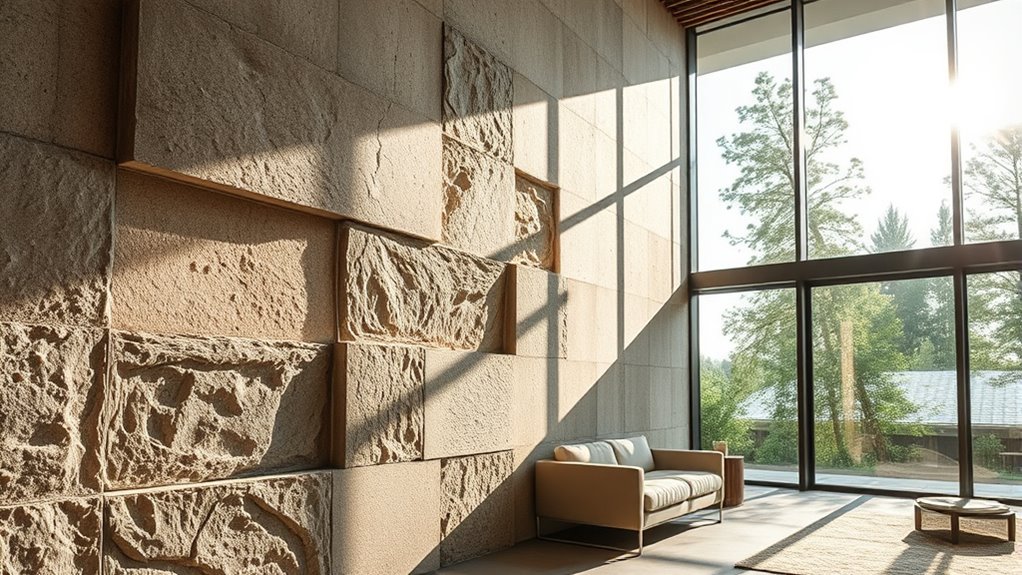
Advances in materials science and building design are shaping the future of thermal mass in sustainable construction. You’ll see more integration of passive cooling strategies, where heavy materials absorb heat during the day and release it at night, reducing energy use. Daylight harvesting will also play a key role, using thermal mass to optimize natural light and minimize reliance on artificial lighting. Future trends include:
- Smart materials that adapt their thermal properties in real-time
- Incorporation of phase change materials for more efficient heat storage
- Building designs that maximize passive cooling benefits of thermal mass
- Enhanced daylight harvesting systems powered by intelligent controls
These innovations will make buildings more energy-efficient, environmentally friendly, and comfortable for occupants.
Frequently Asked Questions
How Does Climate Influence the Effectiveness of Thermal Mass?
Climate greatly influences how well thermal mass works in your building. In hot climates, heavy materials absorb heat during the day and release it at night, aiding climate adaptation. Conversely, in cold regions, they help retain warmth. Regional building codes often specify thermal mass use based on climate, ensuring ideal energy efficiency. You should consider your local climate when designing with thermal mass to maximize comfort and meet regulations.
Can Lightweight Materials Ever Replace Heavy Materials for Thermal Mass?
Can lightweight alternatives truly replace heavy materials for thermal mass? Yes, in some cases. Modern lightweight materials like insulated panels or advanced composites can offer durable solutions that absorb and release heat effectively. They often provide better material durability and easier installation, making them suitable for specific climates and building designs. However, consider whether their thermal properties match heavy materials to guarantee ideal energy efficiency in your space.
What Maintenance Is Required for Buildings With High Thermal Mass?
Buildings with high thermal mass require minimal maintenance, but you should regularly check material durability to prevent cracks or damage. Confirm proper insulation integration to maintain energy efficiency and prevent heat loss or gain. Keep surfaces clean and inspect for moisture issues, which can affect thermal performance. Periodic sealing or repairs might be necessary to sustain their thermal benefits, but overall, these buildings are low-maintenance and durable when properly cared for.
How Does Thermal Mass Impact Energy Efficiency in Different Seasons?
Thermal mass improves your building’s energy efficiency by stabilizing indoor temperatures across seasonal variations. It absorbs excess heat during summer, aiding thermal regulation, and releases stored warmth during winter, reducing heating needs. This seasonal adaptation means you experience less fluctuation in comfort levels. By balancing internal temperatures, thermal mass minimizes energy consumption year-round, making your space more sustainable and comfortable regardless of the season.
Are There Health Concerns With Using Heavy Building Materials?
You might have health concerns with heavy building materials like concrete or stone, especially regarding material toxicity and dust or allergens. These materials can release volatile compounds or dust during installation or over time, which could affect indoor air quality. It’s important to choose non-toxic options, guarantee proper sealing, and maintain good ventilation to minimize health risks and create a safer environment for occupants.
Conclusion
Now that you understand how heavy materials can regulate indoor temperatures, you might wonder if thermal mass alone is enough for your building’s comfort. While it’s a powerful tool, combining it with proper insulation and design is key. Wouldn’t you prefer a space that stays comfortable naturally, without constantly running HVAC? Embracing thermal mass could be the sustainable solution you’re looking for—so why not explore how it can work for your project?