Excess moisture in your crawl space creates a damp environment where mold can quickly grow and spread upstairs, damaging your home’s structure and affecting indoor air quality. Poor ventilation, blocked vents, and ground moisture trap humidity, making it easier for mold spores to migrate through your home. This can lead to health issues like allergies and respiratory problems. If you want to understand how to stop this problem from worsening, keep exploring the solutions below.
Key Takeaways
- Excess moisture in crawl spaces promotes mold growth that can spread to upper levels via air circulation and contaminated air exchange.
- Poor crawl space ventilation traps humidity, increasing the risk of mold spores migrating upstairs through vents, gaps, or ductwork.
- Moisture-laden air from the crawl space can seep into living areas, causing dampness, odors, and potential mold spread.
- Visible mold or musty smells upstairs often originate from underlying crawl space moisture issues.
- Proper moisture control and ventilation in the crawl space prevent mold proliferation that impacts indoor air quality upstairs.
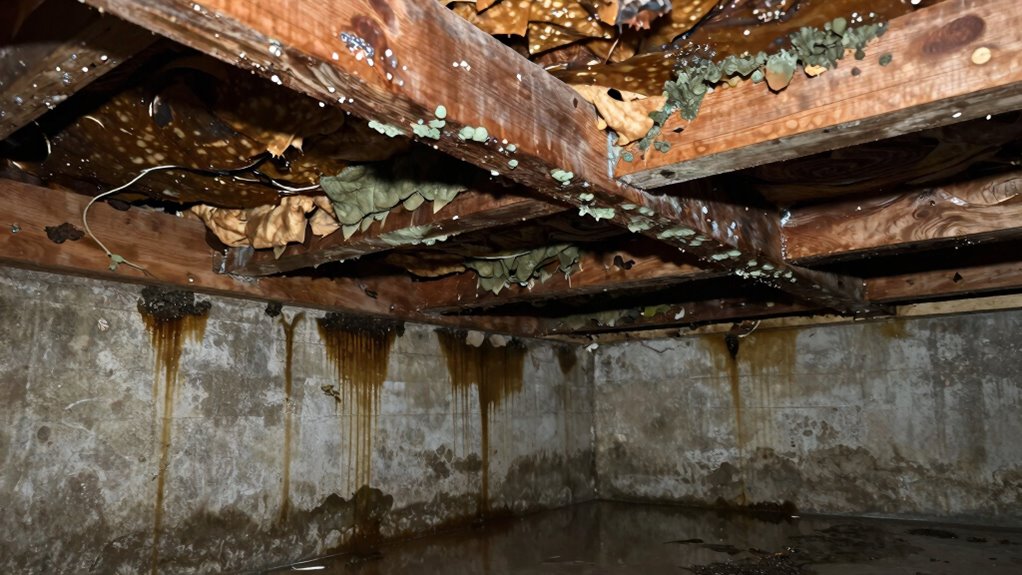
A crawl space with excess moisture can lead to serious problems for your home’s structure and indoor air quality. When moisture builds up beneath your house, it creates an ideal environment for mold growth, which can spread quickly if not addressed. Mold thrives in damp, dark conditions, and once it takes hold, it can release spores into your living space, affecting your health and making your indoor air quality decline. These spores can cause allergies, respiratory issues, and other health problems, especially if you’re sensitive or have existing conditions.
One of the key issues that contribute to moisture problems in crawl spaces is poor ventilation. When airflow is restricted, humidity levels rise, trapping moisture against your home’s foundation and framing. This stagnation not only encourages mold growth but also weakens structural components over time. Ventilation issues often stem from inadequate vents, blocked vents, or a lack of proper vents altogether. Without enough airflow, the moisture can’t escape, creating a cycle of dampness that spreads upward into your living areas, especially through the floors and walls. Improving ventilation systems can significantly reduce humidity and prevent these issues.
Poor ventilation in crawl spaces leads to rising humidity and mold growth, weakening your home’s structure over time.
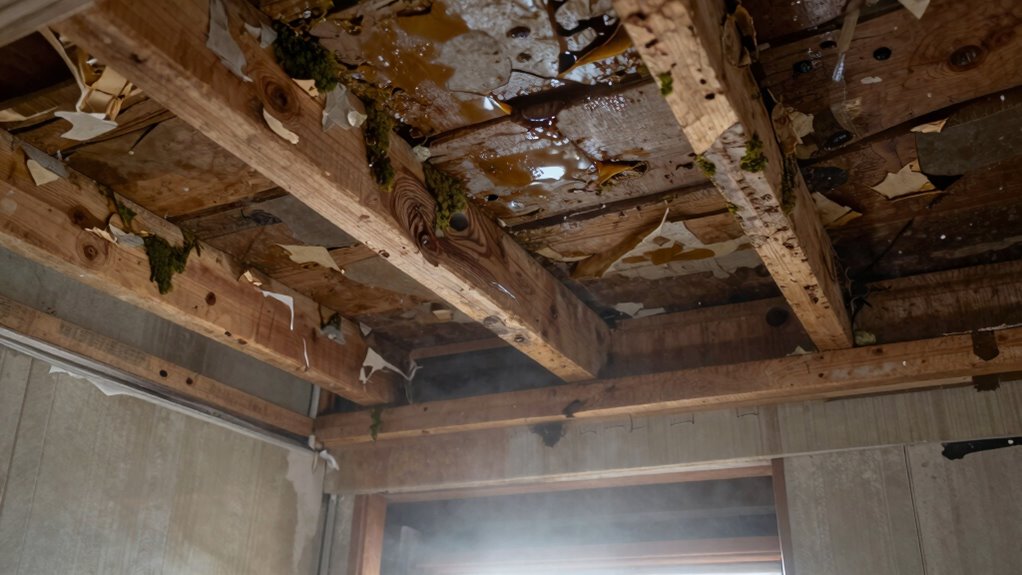
You might notice signs of ventilation issues and mold growth in your home’s upper levels if you see a persistent musty smell or notice visible mold patches on ceilings and walls. These signs should prompt you to investigate your crawl space. If left untreated, the mold can penetrate deeper into your home’s structure, damaging wooden beams, insulation, and even electrical wiring. Moisture-laden air from the crawl space can also seep into your home’s living areas, making the air feel heavy or damp and increasing your energy bills due to inefficient heating and cooling. Addressing moisture control issues early can prevent costly repairs and health risks.
Addressing these problems requires a combination of improving ventilation and controlling moisture levels. You should consider installing or upgrading vents to promote better airflow. Vent covers can be opened or closed seasonally to regulate humidity, and exhaust fans can help draw moist air out. Additionally, sealing cracks and gaps in the foundation prevents outside moisture from entering, reducing overall dampness. Installing a vapor barrier on the crawl space floor minimizes moisture coming from the ground, creating a drier environment that discourages mold growth. Proper maintenance and regular inspections are essential to keep these systems functioning effectively. Incorporating moisture barriers is also a crucial step in maintaining a healthy, mold-free environment.
Ultimately, tackling crawl space moisture issues isn’t just about protecting your home’s foundation; it’s also about safeguarding your indoor air quality and your health. By improving ventilation and reducing excess moisture, you can stop mold growth in its tracks before it spreads upstairs and causes more significant damage. Regular inspections, proper maintenance, and proactive measures will help keep your home safe, dry, and healthy for years to come.
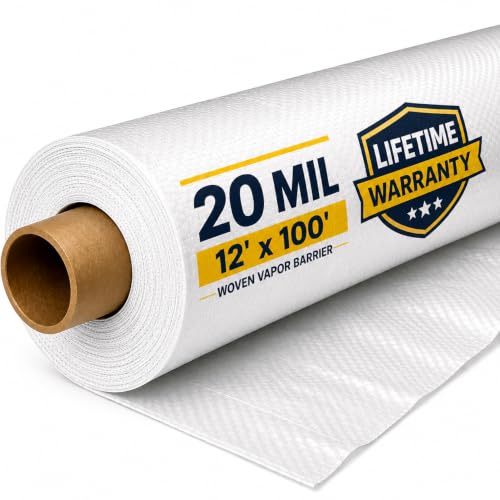
Whitecap – Woven Vapor Barrier – 20 Mil (12' x 100'), Thick Plastic sheeting, Drop Cloth Moisture Barrier Covering for Crawl Space Encapsulation, Life-Time Warranty
- Heavy-Duty Thickness: 20 mil thick vapor barrier
- Enhanced Strength: Woven polyethylene resists tearing
- Large Coverage: 12' x 100' roll for extensive areas
As an affiliate, we earn on qualifying purchases.
As an affiliate, we earn on qualifying purchases.
Frequently Asked Questions
How Can I Tell if My Crawl Space Has Moisture Issues?
You can tell if your crawl space has moisture issues by checking for dampness, mold, or a musty smell. Look for standing water or condensation on surfaces. Use proper ventilation techniques to improve airflow and reduce humidity. Inspect insulation options—if insulation is wet or moldy, moisture is likely a problem. Regularly monitoring these signs helps prevent moisture from spreading upstairs and causing further damage.
Are There Signs of Upstairs Damage Caused by Crawl Space Moisture?
Is your home whispering secrets of hidden damage? Yes, upstairs signs like peeling paint, warped flooring, or musty odors often point to crawl space moisture issues. Poor crawl space ventilation and insulation deterioration allow moisture to seep through floors, causing upstairs damage over time. Keep a close eye on these clues, and address ventilation and insulation problems promptly to prevent further harm and protect your home’s structural integrity.
What Are the Health Risks Associated With Crawl Space Mold?
Crawl space mold poses health risks like allergies, respiratory issues, and asthma attacks. Mold spores can become airborne and spread throughout your home. To reduce these risks, improve ventilation and install mold-resistant barriers to keep moisture out. Regular inspections and moisture control are essential. Addressing these issues promptly helps protect your indoor air quality and prevents mold from spreading upstairs, keeping your home safer and healthier.
How Long Does It Take to Fix a Moisture Problem?
They say, “A stitch in time saves nine,” and fixing a moisture problem can take anywhere from a few days to a couple of weeks. To speed up drying and prevent future issues, you should implement ventilation improvements and install effective moisture barriers. These steps help control humidity levels, dry out the space faster, and protect your home’s structure, ensuring a healthier environment without unnecessary delays.
Can I Address Crawl Space Moisture Without Professional Help?
You can tackle crawl space moisture with DIY solutions if you’re comfortable with basic home repairs. Start by installing a moisture barrier on the floor and walls to prevent dampness. Ventilate the space properly and consider using a dehumidifier to reduce humidity. However, if the problem persists or worsens, it’s best to consult a professional to guarantee thorough and lasting solutions.
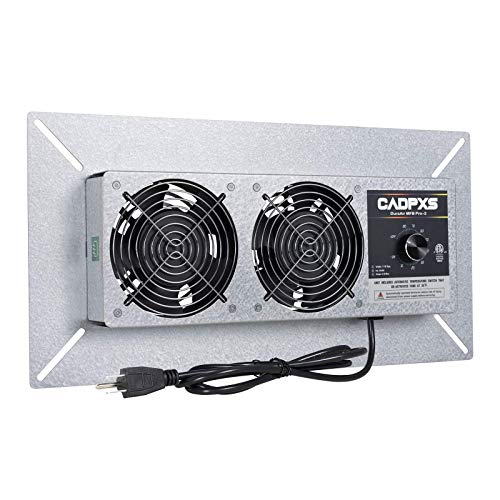
CADPXS Crawlspace Ventilation Fan, Crawlspace Fan Vent with Humidistat
- High airflow capacity: 220 CFM for effective ventilation
- Dual fan design: Provides efficient air exchange
- Includes grounded power cord: 6.56 feet for easy installation
As an affiliate, we earn on qualifying purchases.
As an affiliate, we earn on qualifying purchases.
Conclusion
If you ignore your crawl space’s moisture issues, you risk more than just an unpleasant smell—you could see your energy bills skyrocket by up to 25%. Moisture rises, spreading upstairs and causing mold, wood rot, and structural damage. Don’t let this problem fester; taking action now protects your home and your health. Addressing crawl space moisture isn’t just maintenance—it’s a crucial step in safeguarding your entire house and your peace of mind.

Whitecap Crawl Space Vapor Barrier Encapsulation Kit – 12 & 20 Mil Woven Barrier for 2,000 Sq. Ft., Vapor Barrier Tape, Sealant, Butyl Tape & Installation Fasteners Included
- Complete Encapsulation Kit: Covers up to 2,000 sq. ft.
- Durable Woven Vapor Barrier: Tear and puncture resistant
- Includes Sealing Materials: Tape, sealant, and fasteners
As an affiliate, we earn on qualifying purchases.
As an affiliate, we earn on qualifying purchases.

ZXQDRE Crawl Space Foundation Vent Cover Automatic 8×16 Inch, Black 1 Pack
- Automatic Temperature Control: Opens at 70°F, closes at 40°F
- Energy Saving and Pipe Protection: No electricity needed, prevents frozen pipes
- Weather-Resistant Construction: Made with durable, corrosion-free materials
As an affiliate, we earn on qualifying purchases.
As an affiliate, we earn on qualifying purchases.