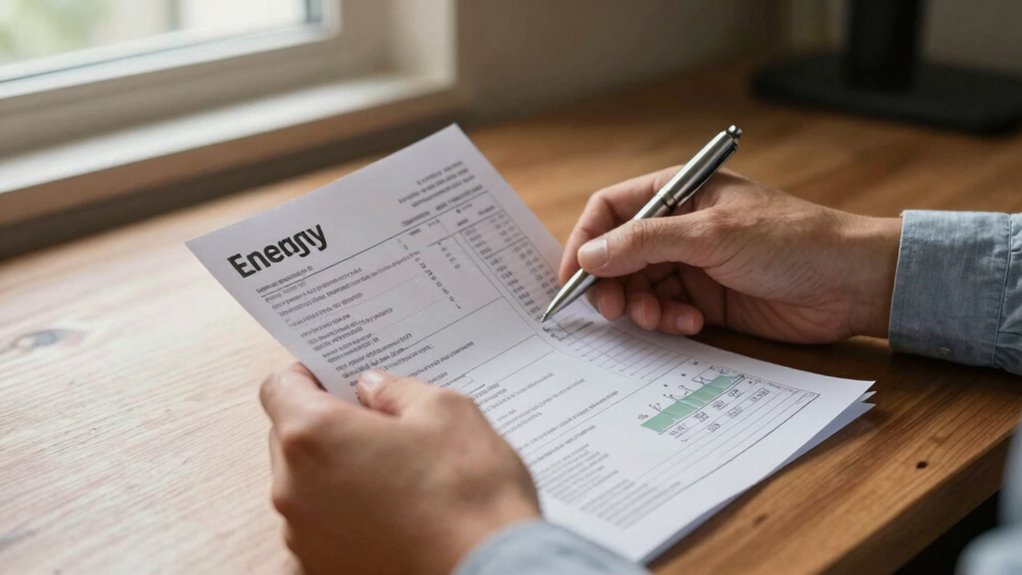
To read your energy bill like a detective, start by verifying the header details to confirm its legitimacy. Next, examine your usage patterns, peak times, and any unusual changes. Dissect charges, identifying fixed fees vs. usage costs, and watch for hidden or suspicious fees. Spot anomalies or spikes that could signal errors. Asking questions and staying proactive with your provider can uncover savings opportunities. Keep exploring your bill thoroughly—there’s always more to uncover.
Open a free Amazon Business account
Business pricing, bulk buying and tax-exempt orders.
As an affiliate, we earn on qualifying purchases.
Key Takeaways
- Examine the header to verify the bill’s source, issue date, and service address for legitimacy.
- Review energy consumption details, usage patterns, and peak times to identify anomalies or unusual spikes.
- Dissect charges, rates, and hidden fees, such as administrative or facility charges, for accuracy.
- Compare billing cycle start and end dates to spot consumption trends and detect irregularities.
- Ask questions about meter calibration, rate changes, or unexpected charges to resolve discrepancies proactively.
As an affiliate, we earn on qualifying purchases.
Understand the Basics of Your Energy Bill
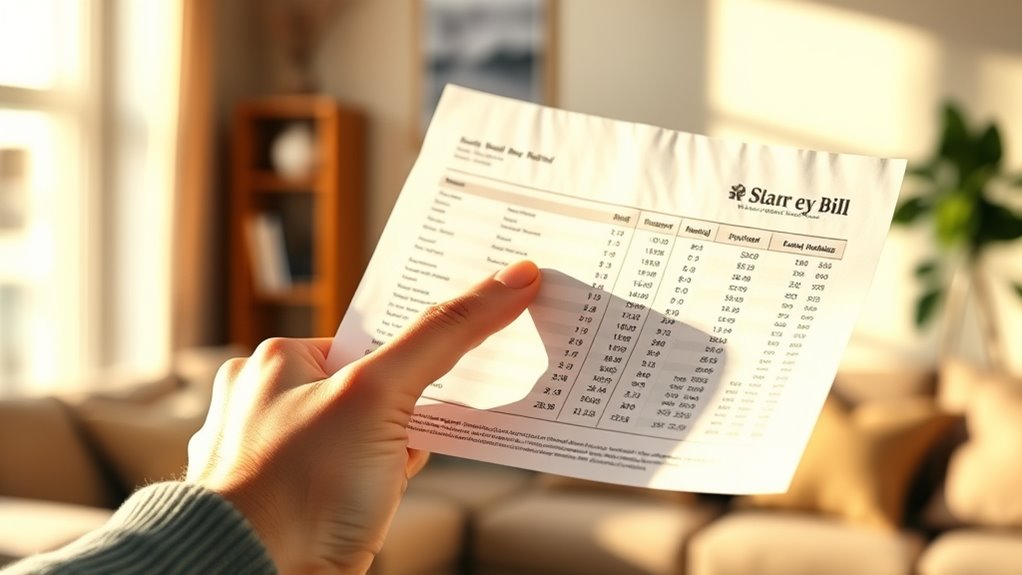
Have you ever looked closely at your energy bill and wondered what all the numbers and charges really mean? To start, understand that your bill is based on your utility’s billing cycle, which typically covers a month or a similar period. During this cycle, your meter records your energy usage, but meter accuracy is essential—if it’s off, your bill could be higher or lower than it should be. Utilities perform regular tests to verify meters are precise, so you’re billed fairly. The bill breaks down your total energy consumption, charges, and any additional fees. Recognizing how your meter readings tie into billing cycles helps you see why your bill fluctuates and guarantees you’re paying accurately for your actual energy use. Additionally, understanding the importance of meter calibration can help you identify potential discrepancies in your billing.
As an affiliate, we earn on qualifying purchases.
Read the Bill Header: Who, When, and Where
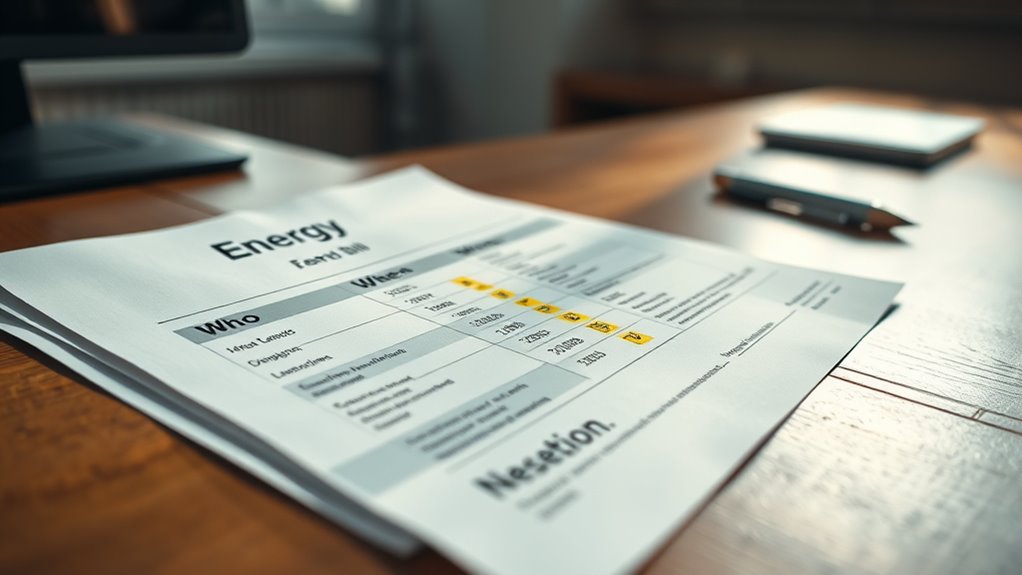
Ever wonder who sent your energy bill, when it was issued, and where it’s from? The bill header provides this vital information, using clear billing terminology. Look for the company’s name and contact details to identify the sender. The date shows when the bill was issued, helping you track your billing cycle. The location or service address confirms where the energy was delivered. This header also includes legal disclosures, which are essential for transparency and legal compliance. These disclosures may mention rights, terms, or notices required by law. Paying attention to this section ensures you understand the source of your bill and confirms it’s legitimate. Recognizing these details helps you verify the bill’s authenticity and sets the stage for understanding your energy charges more deeply. Reviewing affiliate disclosures can also provide insight into any potential commissions or partnerships related to your energy provider.
As an affiliate, we earn on qualifying purchases.
Break Down Your Energy Usage and Peak Times
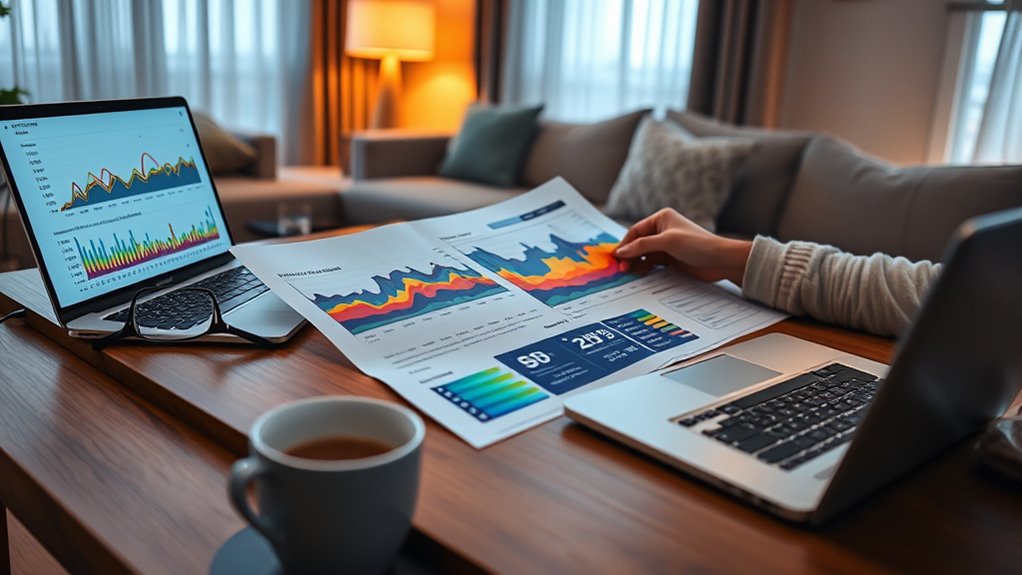
Understanding how you use energy throughout the billing period is key to managing your costs. Check your energy bill for details on your total consumption and note when you’re using the most power. Many providers now include time of use rates, which charge different amounts depending on the time of day. Peak hour consumption refers to the times when your energy use is highest, often during evenings or weekends. By identifying these peak times, you can adjust your habits—like running heavy appliances during off-peak hours—to save money. Look for charts or graphs that show your usage during different parts of the day. Recognizing patterns helps you target specific periods to reduce consumption and control your energy costs effectively. Additionally, understanding energy-efficient solutions can help you implement sustainable practices that benefit both your budget and the environment.
As an affiliate, we earn on qualifying purchases.
Know Your Charges: Fixed Fees and Usage Costs
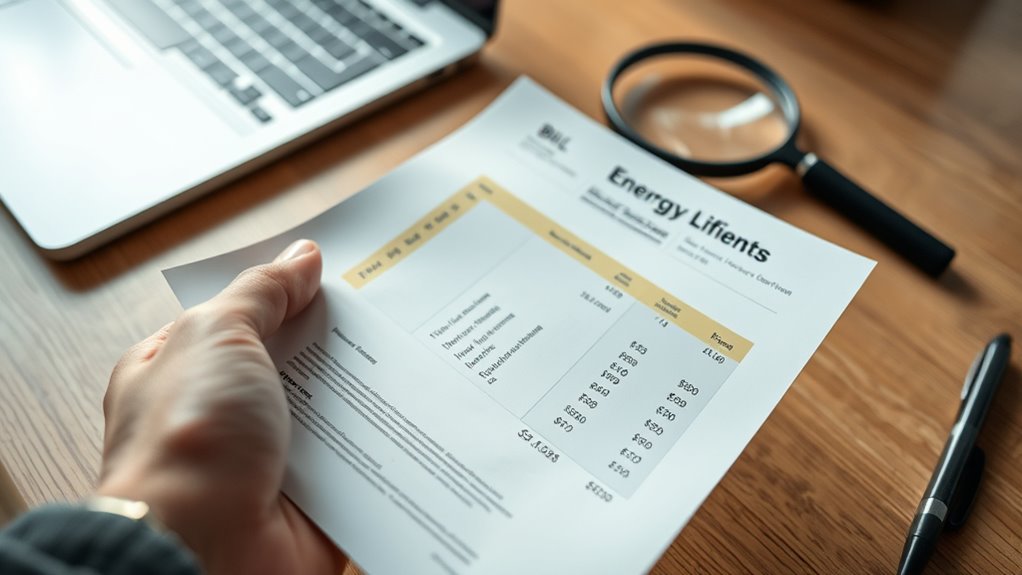
Your energy bill divides charges into fixed fees and usage costs, making it essential to comprehend each component. Fixed fees are constant charges billed regardless of how much energy you use, covering things like service connection or account maintenance. Usage costs fluctuate based on the actual amount of electricity or gas you consume, calculated per kilowatt-hour or cubic meter. These costs can vary month to month depending on your energy habits and the rate plan you’re on. Recognizing the difference helps you identify where you might save; lowering your usage reduces usage costs, while fixed fees remain unchanged. Carefully reviewing both sections ensures you understand what you’re paying for and can spot any discrepancies or unnecessary charges. Being aware of cookie categories and how they may impact your online interactions can also help you better interpret the details of your bill. This clarity empowers you to make informed decisions about your energy consumption.
Find Out About Rate Plans and Tariffs

Have you checked what rate plan or tariff your energy provider offers? Understanding whether you’re on a variable rate or fixed tariffs can make a big difference in managing your costs. Variable rates change based on market prices, so your bill can fluctuate month to month. Fixed tariffs, on the other hand, lock in a set price for a specific period, providing predictability. Look for this information on your bill or contact your provider to clarify your plan. Knowing your rate type helps you anticipate potential price changes and decide if switching plans might save you money. Be aware of any conditions or adjustments tied to your plan, so you’re fully informed about your energy costs. This knowledge empowers you to make smarter decisions about your energy usage and budget. Additionally, exploring different rate plans can optimize your savings based on your consumption patterns.
Spot Hidden Fees and Extra Charges
Carefully review each line item on your bill to spot any hidden fees or extra charges. Look out for unfamiliar charges that may be added without clear explanation. Scrutinize service fees to guarantee they’re legitimate and necessary, preventing unexpected costs from catching you off guard. Additionally, understanding the components of your bill, such as essential gear for preppers, can help you identify unnecessary expenses.
Examine Line Item Details
Ever wonder if there are hidden fees lurking within your energy bill? Examining line item details can reveal unexpected charges. Start with billing code analysis to identify unfamiliar or suspicious codes that may indicate extra fees. Check if meter calibration adjustments are applied, which can sometimes lead to inflated usage charges. Look for line items that seem out of place or duplicate, such as extra service fees or maintenance charges. Pay attention to fluctuations in your usage compared to previous bills. Scrutinize taxes or surcharges that don’t match your region’s norms. Also, reviewing your utility rate structure can help you understand how your charges are calculated. By dissecting each line, you’ll spot hidden fees and ensure you’re only paying for what you actually consume. Staying vigilant helps you catch errors early and avoid overpaying.
Identify Unfamiliar Charges
When reviewing your energy bill, it’s vital to identify unfamiliar charges that could be hidden fees or billing anomalies. These unexpected costs might be labeled oddly or appear as separate line items. To spot them, compare your bill’s charges with your contract or previous bills. Look for entries that don’t match your usage or rate plan. Sometimes, extra fees like late payment charges or service fees sneak in unnoticed. Use this table to understand common unfamiliar charges:
| Charge Type | What It Means |
|---|---|
| Account Service Fee | Monthly fee for account management |
| Billing Anomaly | Unexpected or incorrect billing items |
| Additional Charges | Extra costs outside your rate plan |
Stay vigilant to catch and challenge billing anomalies before they go unnoticed, and consider trusted business resources to verify legitimate charges.
Scrutinize Service Fees
To spot hidden fees and extra charges on your energy bill, you need to scrutinize the service fees listed carefully. Service fees can hide additional costs that inflate your bill without obvious explanation. Look out for charges labeled as “monthly service fee,” “administrative fee,” or “facility charge,” which can be sneaky hidden charges. These fees may vary by provider or plan and can sometimes be added without clear notice. By examining these line items closely, you prevent surprises and better understand what you’re paying for. Additionally, understanding your energy consumption patterns can help identify if some fees are disproportionate or unnecessary.
Compare Billing Periods to Track Your Consumption
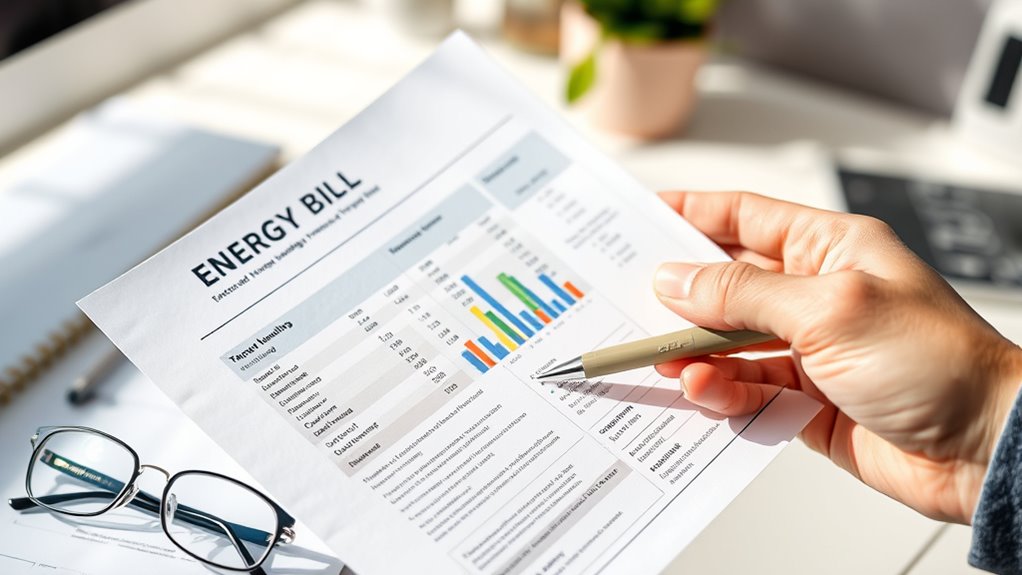
You should check the billing cycle dates to see how long each period covers. Comparing these dates helps you spot any unusual changes in your usage. Monitoring your usage trends over different periods lets you identify patterns and manage your energy consumption more effectively. Additionally, understanding essential oil applications can inspire you to incorporate natural wellness practices into your daily routine.
Spot Billing Cycle Dates
Billing cycle dates are essential for understanding your energy usage because they determine the period your bill covers. To spot your billing cycle, check the dates listed on your energy bill under the billing period section. Knowing these dates helps you compare periods accurately and spot any unusual spikes or drops.
- Look for the start and end dates of your billing cycle
- Note if your billing period aligns with calendar months or spans different dates
- Check for any gaps or overlaps between billing cycles
- Keep track of recurring billing periods to identify patterns
Understanding your billing cycle enables you to compare consumption over specific periods and detect anomalies. By paying close attention to these dates, you can better evaluate your energy habits and identify opportunities to save.
Monitor Usage Trends
Tracking your energy consumption over multiple billing periods helps you identify patterns and detect unusual changes. By comparing bills, you can see how your usage varies week to week or month to month. Usage tracking reveals whether your energy consumption spikes during certain times or remains steady. Noticing consistent increases might indicate appliances that need maintenance or inefficient devices. Conversely, a sudden drop could signal a problem or equipment failure. Keep a record of your bill amounts and usage details to spot trends. Monitoring these patterns empowers you to adjust habits, optimize energy efficiency, and potentially lower costs. Regularly reviewing your billing history turns you into a savvy energy detective, helping you understand your consumption habits and take control of your energy bills.
Recognize Patterns and Spot Anomalies
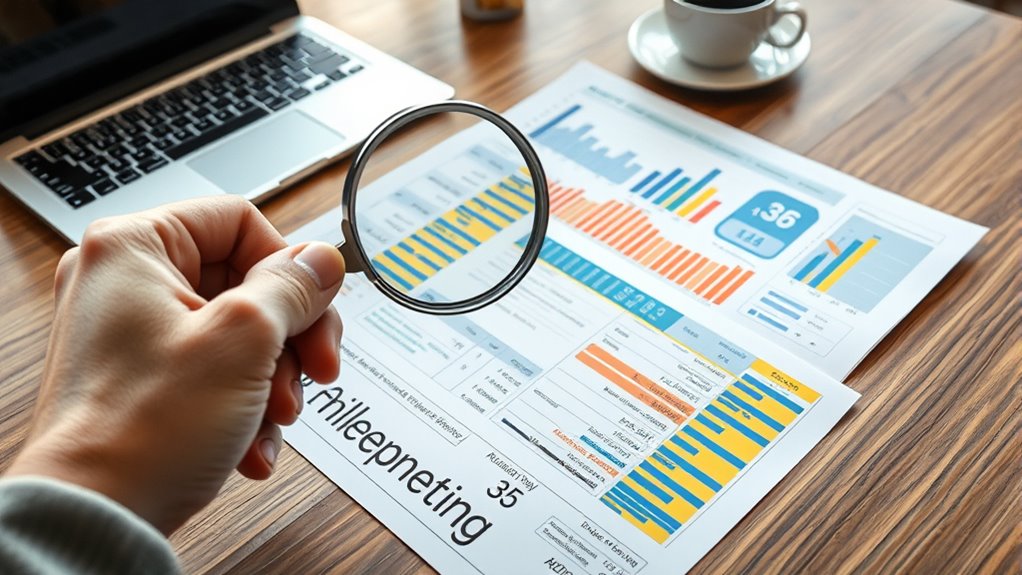
Recognizing patterns and spotting anomalies on your energy bill helps you understand your usage habits and catch errors early. Look for consistent changes in energy consumption that don’t match your routine, like sudden spikes or drops. Billing anomalies, such as unexpected charges or incorrect rates, can indicate errors or leaks. Identifying these early allows you to address issues before they escalate.
Spotting energy bill anomalies helps you catch errors early and manage your usage effectively.
- Notice recurring patterns in daily, weekly, or seasonal energy use
- Watch for unusual increases during specific periods
- Check for charges that don’t align with your typical consumption
- Identify any unexplained fees or adjustments
Use Your Bill to Find Ways to Save
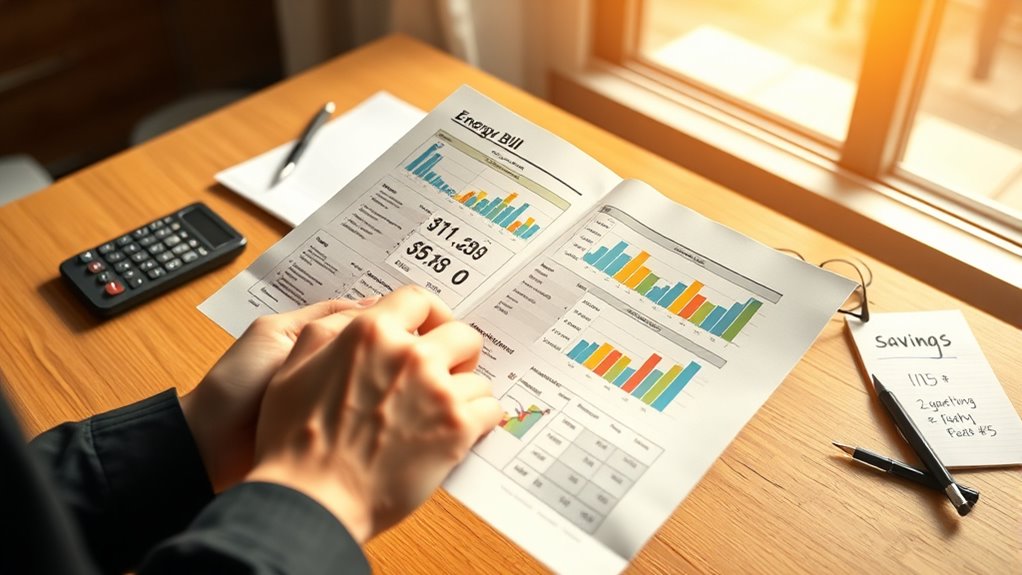
Look closely at your bill to spot any hidden charges that might be increasing your costs. Pay attention to your consumption patterns to see when your usage spikes or drops. Recognizing these details helps you find ways to cut expenses and save money.
Spot Hidden Charges
Have you ever wondered if your energy bill hides unexpected charges? Hidden fees can sneak in, making it harder to spot savings. Look closely for charges related to meter accuracy, which assures your meter is correctly recording your usage. Errors here can lead to billing disputes and overcharges. Also, check for miscellaneous fees or service charges that aren’t clearly explained. Sometimes, late payment penalties or account maintenance fees are added without notice.
- Extra charges from meter inaccuracies
- Unexplained service or maintenance fees
- Late payment or penalty fees
- Billing disputes unresolved on your account
Identify Consumption Patterns
Do you know how your energy consumption varies over time? By examining your bill, you can spot patterns that reveal when you use the most energy. Check if your meter calibration is accurate; inaccurate readings can distort your understanding of usage. Look for spikes during certain hours or days—these indicate high-usage periods. Recognizing these trends helps in consumption forecasting, so you can adjust habits or appliances to save. For example, running heavy-duty appliances at off-peak times can reduce costs. Tracking monthly consumption also shows whether your efforts to conserve are effective. Over time, identifying these patterns empowers you to make smarter choices, optimize your energy use, and potentially lower your bill.
Ask the Right Questions and When to Call Your Provider
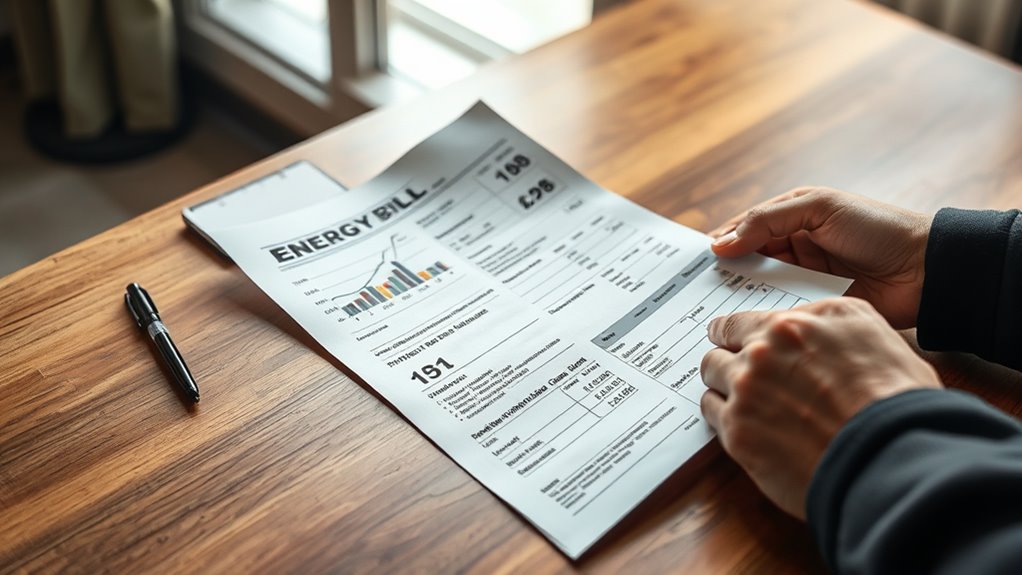
Understanding your energy bill can be confusing, but asking the right questions can make a big difference. If something seems off, don’t hesitate to call your provider. Ask about meter calibration to verify your meter is accurate, especially if your bills are unexpectedly high. Clarify billing disputes promptly to prevent ongoing issues. Know when to reach out if your usage spikes suddenly or if charges seem inconsistent with your habits. It’s helpful to inquire about rate changes or hidden fees that could affect your bill. Being proactive can save you money and frustration.
- Is my meter calibrated correctly?
- Why are my charges higher than usual?
- Are there any billing disputes on my account?
- When should I expect a technician visit?
Frequently Asked Questions
How Do I Interpret Different Energy Units and Measurement Terms?
You interpret different energy units and measurement terms by understanding energy measurement, like kilowatt-hours (kWh), which show your consumption, and billing terminology such as demand charges or supply rates. Check the bill’s labels and definitions to clarify each term. Recognize that different units, like therms or cubic feet, measure gas, while kWh measures electricity. Comparing these helps you spot savings and better understand your overall energy usage.
What Should I Do if My Bill Seems Unusually High?
If your bill seems unusually high, start by reviewing your energy consumption details for any billing discrepancies or unexpected spikes. Check for recent changes in your usage patterns, appliances, or leaks. Contact your energy provider to clarify charges and request an explanation. Comparing your current bill with previous ones helps identify inconsistencies. Taking these steps guarantees you understand what’s driving the high costs and can take measures to reduce future bills.
How Can I Compare My Bill With Previous Months Effectively?
Think of comparing your bills like tracking a marathon runner’s pace. Look at your usage trends over multiple billing cycles, noting patterns or sudden spikes. Use your bill’s detailed breakdown to see if the charges align with your typical consumption. Keep in mind, seasonal changes can affect your energy use. By consistently reviewing these trends, you’ll spot anomalies early and better understand your energy habits over time.
Are There Specific Questions to Ask My Provider About Billing Errors?
When you notice a billing discrepancy, ask your provider specific questions about charges that seem incorrect or unexpected. Inquire about any recent changes in rates or billing methods. Don’t hesitate to contact customer service for clarification and request a detailed explanation of your bill. This helps identify errors early, guarantees accurate billing, and keeps you informed about your energy consumption and costs.
How Can I Verify if My Rate Plan Matches My Usage Habits?
You can verify if your rate plan matches your usage habits by comparing your bill’s details with your actual energy consumption. Use usage tracking tools provided by your provider to monitor your patterns over time. Check the rate plan options to see if they suit your typical usage—like fixed or tiered rates. This helps you determine if you’re on the best plan or need to adjust for savings.
Conclusion
Think of your energy bill as a treasure map—each line reveals clues about your habits and costs. By reading it carefully, you become the detective uncovering hidden patterns and opportunities to save. Just like a treasure hunter, ask questions, spot anomalies, and navigate your usage wisely. The more you understand, the closer you get to the treasure of lower bills and smarter energy choices. Your journey starts with reading your bill like a seasoned sleuth.
Flea & tick season Picks
flea and tick prevention
As an affiliate, we earn on qualifying purchases.