Thermal bridging happens when heat escapes through gaps or materials with high thermal conductivity, like metal or concrete, bypassing your insulation. This causes your home to lose warmth in winter and gain heat in summer, making your energy bills higher. You can spot these areas around joints, corners, or gaps, and better insulation techniques can help. Keep exploring to discover simple ways to minimize these heat leaks and boost your home’s efficiency.
Key Takeaways
- Thermal bridging happens when heat bypasses insulation through gaps or high-conductivity materials.
- It causes energy loss, drafts, and cold spots, making your home less comfortable and more expensive to heat or cool.
- Common problem areas include wall junctions, corners, and around structural elements like beams and columns.
- Detect thermal bridges easily with thermal cameras or by noticing cold spots and drafts.
- Reduce thermal bridging by sealing gaps, using insulating materials, and employing advanced framing techniques.
What Is Thermal Bridging and Why Should You Care?

Have you ever wondered why some buildings feel colder or less energy-efficient than others? That’s often due to thermal bridging, which happens when heat escapes through insulation gaps or areas with high material conductivity. When parts of a structure, like metal beams or uninsulated spots, conduct heat more easily than surrounding materials, it creates a thermal bridge. This process allows heat to bypass insulation, making your space lose warmth in winter and gain heat in summer. Recognizing thermal bridging helps you understand why certain areas lose energy faster. It’s essential to address these gaps and choose materials with lower conductivity to improve energy efficiency. Understanding thermal conductivity of building materials is key to effectively managing these issues, especially in well‑designed building envelopes. Being aware of energy transfer mechanisms can assist in selecting better insulation solutions. By doing so, you can keep your home warmer, reduce heating costs, and enhance overall comfort. Additionally, employing thermal breaks can significantly reduce heat flow through structural elements, minimizing heat loss and improving overall building performance.
Common Places Where Thermal Bridges Happen
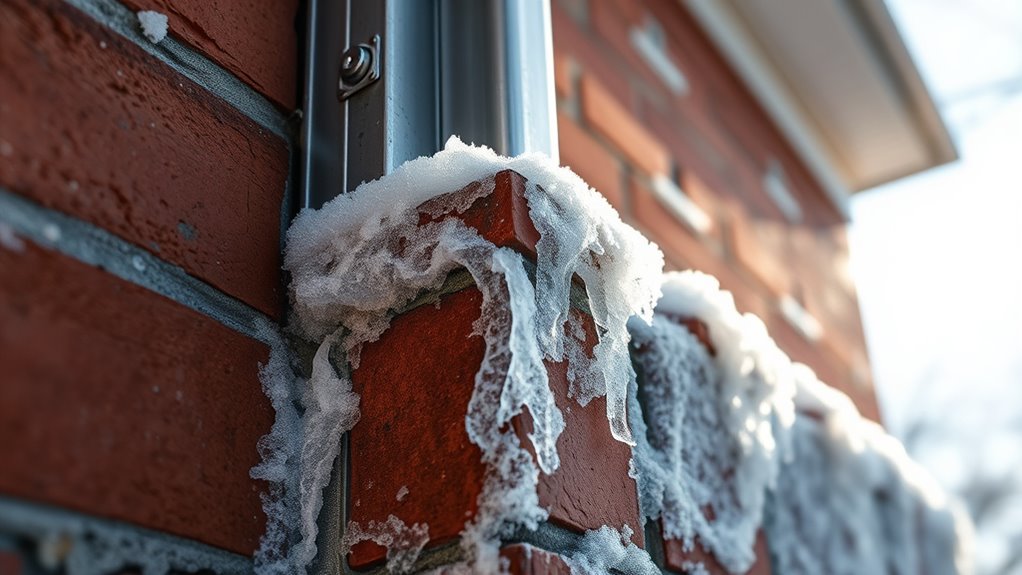
Thermal bridges commonly occur at specific points in a building’s structure where heat transfer is easier, often due to material differences or gaps in insulation. You’ll find these bridges at joints, corners, and around structural elements like beams and columns, where materials with higher conductivity allow heat to pass more readily. Insulation gaps are common culprits, creating paths for heat to bypass insulating layers. For example, where walls meet floors or roofs, or where window frames connect to walls, thermal bridging is more likely. Materials like metal or concrete have higher conductivity than insulation, making these areas prime spots for heat transfer. Recognizing these common places helps you understand where thermal bridges are most likely to occur and how they compromise your building’s thermal performance. Understanding thermal conductivity helps in identifying and addressing these problem areas effectively. Additionally, addressing material conductivity in construction choices can significantly reduce the impact of thermal bridging, especially when combined with proper insulation techniques. Implementing thermal break solutions at key points can further improve overall energy efficiency.
How Thermal Bridging Affects Your Home’s Energy Use
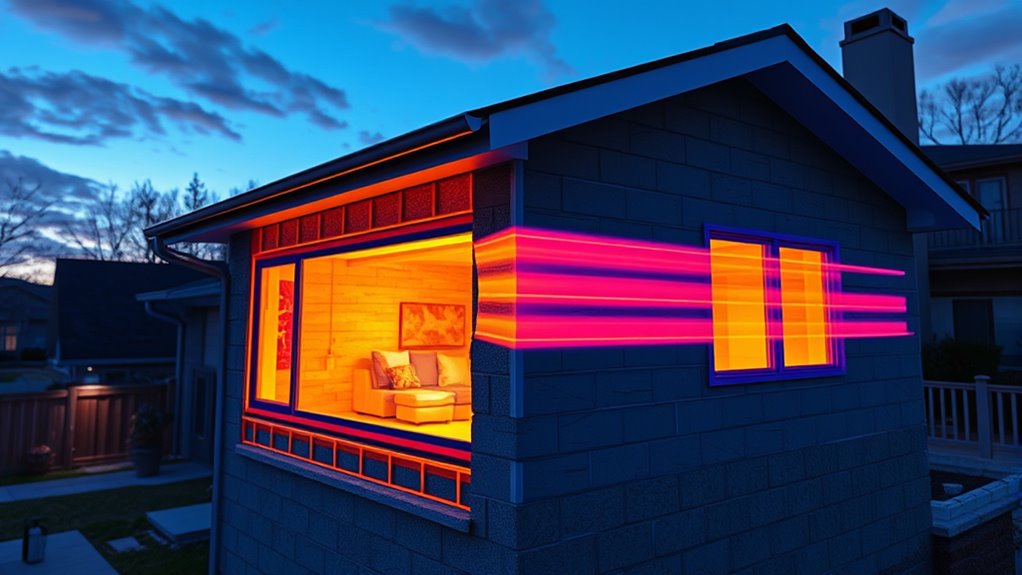
When thermal bridges form in your home, they create direct pathways for heat to escape or enter, which can considerably increase your energy bills. These bridges often occur around insulation gaps, where insulation isn’t continuous, allowing heat to bypass your insulation layers. As a result, your heating or cooling system works harder to maintain comfortable temperatures, raising energy costs. Thermal bridging also contributes to window drafts, making your home less efficient and more uncomfortable. Cold spots near windows and walls mean your HVAC system cycles more frequently. Over time, this inefficiency wastes energy and increases expenses. By understanding how thermal bridging impacts your home’s energy use, you can better identify areas needing attention to improve insulation and reduce drafts. Proper insulation techniques can help minimize these thermal bridges and enhance your home’s energy efficiency, especially when combined with advanced building practices that address common problem areas.
Easy Ways to Spot and Reduce Thermal Bridges
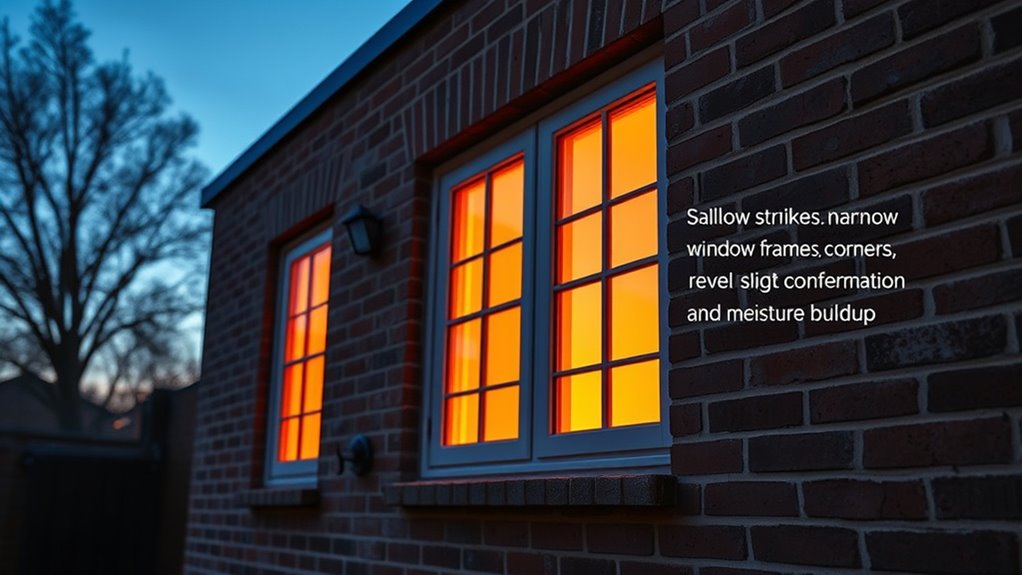
Wondering how to identify thermal bridges in your home? Look for insulation gaps around windows, doors, or where different building materials meet. You might notice cold spots on walls or ceilings, or feel drafts near windows. These are signs of heat escaping and potential thermal bridges. To spot them easily, check for uneven wall temperatures with a thermal camera or even your hand. Proper building insulation is essential for preventing thermal bridging and maintaining energy efficiency. Using thermal imaging can help you easily locate problem areas without invasive measures. Additionally, understanding the building envelope helps in recognizing how heat moves through different materials. For example, incorporating energy-efficient materials can minimize the risk of thermal bridging. Here’s a quick guide:
| Common Signs | Possible Causes |
|---|---|
| Cold spots on walls | Insulation gaps |
| Drafts near windows | Thermal bridging |
| Uneven wall temperature | Poor sealing or gaps |
Addressing these helps improve comfort and energy efficiency. Regularly inspecting your home for thermal bridges can help prevent long-term energy loss and maintain a cozy environment.
Simple Strategies to Minimize Thermal Bridging in New Builds and Renovations
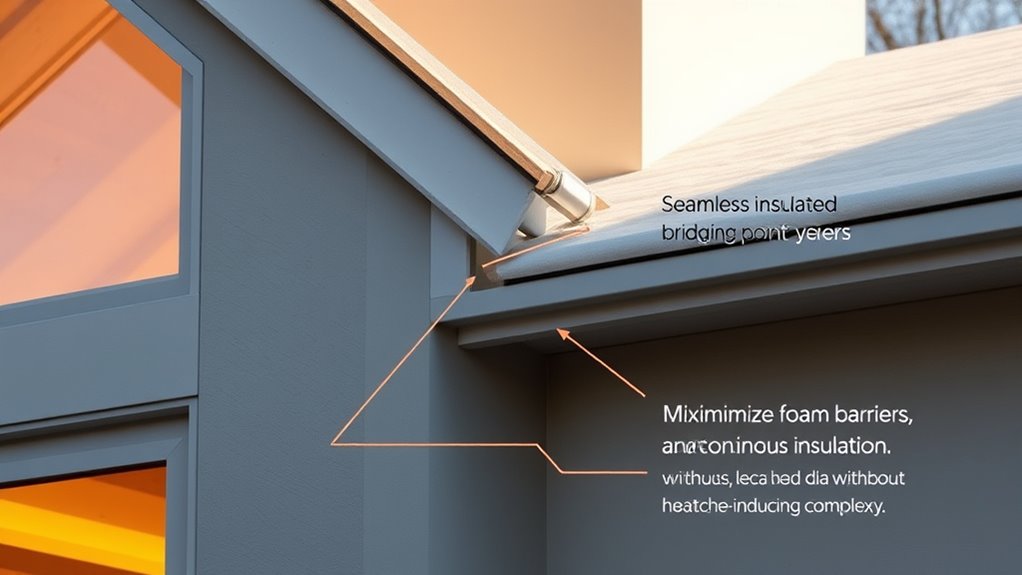
To effectively minimize thermal bridging in new buildings and renovations, you need to incorporate strategic design and construction practices from the outset. First, choose framing materials like insulated timber or steel that reduce thermal conductivity. Second, ensure insulation gaps are sealed tightly to prevent heat leaks. Third, consider continuous exterior insulation layers to create a thermal break between studs and the outside environment. Fourth, use advanced framing techniques, such as insulating sheathing or staggered studs, to reduce thermal bridges. These approaches help eliminate gaps in insulation and minimize the thermal transfer through framing materials. Additionally, understanding whole-home backup power can inspire eco-friendly and energy-efficient design choices. Incorporating Mad Tasting techniques into building design, such as optimizing airflow and material choices, can further enhance energy efficiency. Also, employing thermal modeling tools during planning can identify potential problem areas before construction begins. By planning carefully and selecting the right materials, you can substantially improve your building’s energy efficiency and comfort, avoiding costly heat loss or gain caused by thermal bridges. For example, integrating air barrier systems can significantly decrease unwanted heat transfer and improve overall thermal performance.
Frequently Asked Questions
How Do Thermal Bridges Impact Indoor Comfort Levels?
Thermal bridges can considerably reduce your indoor comfort by creating cold spots and drafts, making spaces feel less cozy. They also compromise energy efficiency, causing your heating or cooling systems to work harder to maintain a consistent temperature. As a result, you may experience fluctuating thermal comfort levels and higher energy bills. Addressing thermal bridges helps you enjoy a more stable indoor environment and saves you money on energy costs.
Can Thermal Bridging Cause Condensation or Mold Issues?
Yes, thermal bridging can cause condensation and mold issues. When thermal bridges lead to insulation failure, they create cold spots on walls, which encourages moisture accumulation. Over time, this moisture fosters mold growth and damages your home’s interior. To prevent this, guarantee proper insulation around potential thermal bridges and maintain good ventilation, reducing the risk of condensation and mold buildup.
What Tools or Devices Can Detect Thermal Bridges Accurately?
You can detect thermal bridges accurately using infrared cameras and thermal sensors. Infrared cameras visually reveal temperature differences on walls, helping you spot cold spots caused by thermal bridges. Thermal sensors provide precise temperature readings at specific points, confirming problem areas. Together, these tools enable you to identify thermal bridging issues quickly and effectively, making it easier to address insulation gaps and improve your building’s energy efficiency.
Are There Specific Building Materials That Reduce Thermal Bridging?
Think of building materials like a cozy sweater—some keep warmth in better than others. Using advanced insulation materials, like foam board or spray foam, markedly reduces thermal bridging. Incorporating thoughtful building design, such as continuous insulation and thermal breaks, also helps. These choices create a seamless barrier, much like a well-fitted sweater, preventing heat loss and improving energy efficiency in your home.
How Does Climate Influence the Severity of Thermal Bridging Problems?
Climate zones markedly influence how severe thermal bridging problems become. In colder zones, you’ll notice more heat loss through uninsulated or poorly insulated areas, making effective insulation strategies essential. In warmer regions, thermal bridging can lead to unwanted heat gain. To minimize these issues, you should adapt insulation strategies to your climate, using materials and techniques designed to address the specific challenges posed by your local environment.
Conclusion
So, after all this talk about thermal bridges, it’s amusing how something so invisible can make such a fuss. You’ve learned to spot and reduce them, yet in the end, the biggest irony is that addressing these sneaky gaps might just save you money—and yet, they often go unnoticed until it’s too late. So, next time you think about energy efficiency, remember: sometimes the tiniest cracks make the biggest difference. Who knew?