TL;DR

Prime made for students and young adults
- Fast, free delivery for dorm and study essentials
- Prime Video and Amazon Music included
- Member-only deals
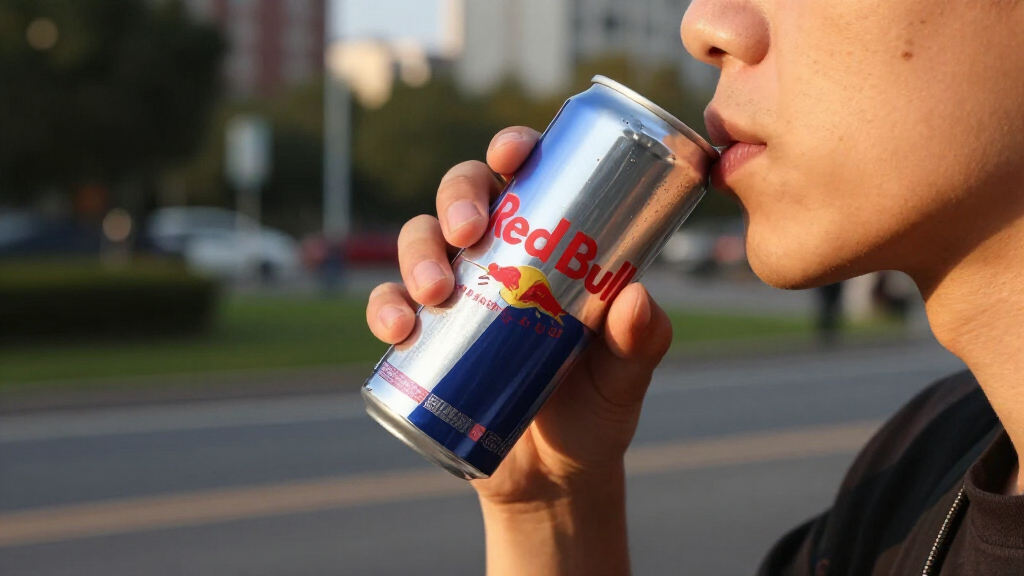
A review of recent investigations shows that questionable research tied to Red Bull has played a significant role in shaping energy drink policies worldwide. The findings raise questions about the influence of industry-funded studies on public health regulations.
Recent investigations have revealed that questionable research funded by Red Bull has significantly influenced energy drink regulations in multiple countries. This development raises concerns over the role of industry-funded studies in shaping public health policies, with critics questioning the scientific validity of the evidence used to justify regulatory decisions.
Multiple reports have identified that research linked to Red Bull, often characterized as methodologically flawed or biased, has been cited by policymakers when establishing limits on caffeine content and marketing restrictions. These studies, some of which have been discredited or are under scrutiny, were funded or supported by Red Bull or its affiliates, according to sources familiar with the investigations. Regulatory agencies in several countries, including the European Union and Australia, have relied on these studies to justify their current policies.
Experts and public health advocates have raised alarms that such industry-funded research may have skewed the scientific basis for regulation, potentially prioritizing commercial interests over consumer safety. Meanwhile, Red Bull has defended its research practices, stating that its studies meet scientific standards and are transparent. The controversy has sparked calls for greater transparency and independent review of the evidence used in policy formulation.
Implications of Industry-Funded Research on Public Health Policy
This revelation underscores the potential influence of corporate funding on scientific research and policy decisions, especially in areas related to public health. If regulatory frameworks are based on biased or flawed studies, it could compromise consumer safety and erode public trust in health authorities. The controversy also highlights the need for independent research and stricter scrutiny of industry-sponsored studies to ensure that public policies are grounded in unbiased scientific evidence.
energy drink caffeine content tester
As an affiliate, we earn on qualifying purchases.
As an affiliate, we earn on qualifying purchases.
Background of Industry Influence on Energy Drink Regulations
Over the past decade, energy drinks like Red Bull have faced increasing scrutiny due to health concerns related to high caffeine levels and marketing practices targeting youth. Several countries have introduced regulations limiting caffeine content or restricting advertising, often citing scientific studies to justify these measures. However, recent investigations suggest that some of the research supporting these policies may have been funded or influenced by the industry itself, raising questions about the objectivity of the evidence base.
Red Bull and other energy drink companies have historically funded research to support their marketing and regulatory efforts. Critics argue that such practices may distort scientific findings and lead to regulations that favor industry interests, rather than public health priorities. The current controversy adds a new dimension to ongoing debates about transparency and accountability in health-related research funded by commercial entities.
“The reliance on industry-funded studies without adequate independent verification raises serious questions about the objectivity of the evidence used to shape regulations.”
— Dr. Laura Simmons, public health researcher
As an affiliate, we earn on qualifying purchases.
Unclear Scope of Industry Influence and Research Validity
It remains unclear how extensively Red Bull-funded research has influenced global policies, and whether all studies cited by regulators are compromised. Investigations are ongoing, and some experts question the transparency of the research review process. The full extent of potential bias and its impact on public health regulations is still being assessed.
independent energy drink research reports
As an affiliate, we earn on qualifying purchases.
As an affiliate, we earn on qualifying purchases.
Next Steps in Investigating Industry-Linked Research and Policy Impact
Authorities and independent watchdogs are expected to conduct comprehensive reviews of the studies cited in policy decisions. Red Bull and other industry players may face increased scrutiny, and calls for stricter regulation of industry-funded research are likely to grow. Further transparency measures and independent research initiatives are anticipated to ensure that future policies are based on unbiased evidence.
energy drink regulatory compliance monitor
As an affiliate, we earn on qualifying purchases.
As an affiliate, we earn on qualifying purchases.
Key Questions
How was the research linked to Red Bull found to be dubious?
Investigations revealed that some studies funded or supported by Red Bull contained methodological flaws, biased interpretations, or conflicts of interest, raising doubts about their scientific validity.
Which countries have based their energy drink policies on this research?
Regulatory agencies in the European Union, Australia, and several other jurisdictions have cited studies linked to Red Bull in formulating their caffeine limits and marketing restrictions.
What are the potential consequences of this controversy?
The controversy could lead to policy revisions, increased transparency requirements, and a reevaluation of the scientific evidence used in energy drink regulation, potentially impacting industry practices and consumer safety.
Is Red Bull admitting any wrongdoing?
Red Bull maintains that its research meets scientific standards and emphasizes its commitment to transparency, but has not explicitly admitted to any misconduct related to the funding or conduct of specific studies.
Source: hn
Fall Picks
fall essentials
As an affiliate, we earn on qualifying purchases.