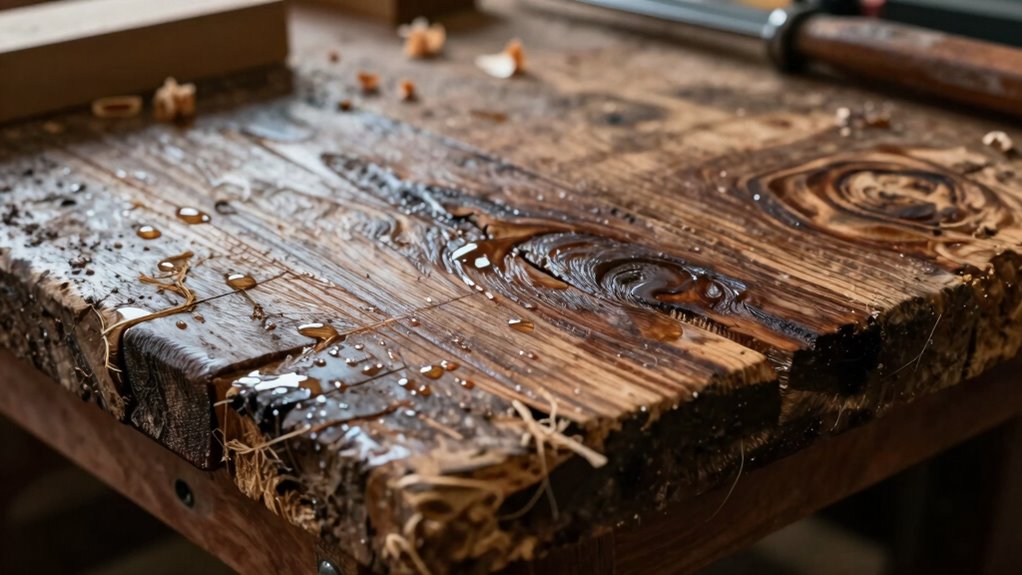

The moisture rule many woodworkers ignore at their risk is not properly measuring and controlling moisture levels before and during finishing. Ignoring this can cause warping, cracking, and finish failure, ruining your project’s appearance and stability. You need to guarantee your wood acclimates to the environment and maintains consistent moisture content. If you keep overlooking this, you’ll face costly mistakes. Stay tuned to discover essential tips for managing moisture and securing lasting quality in your projects.

Prime made for students and young adults
- Fast, free delivery for dorm and study essentials
- Prime Video and Amazon Music included
- Member-only deals
Key Takeaways
- Failing to measure moisture content accurately before finishing can lead to uneven finishes and future cracking.
- Ignoring the importance of allowing wood to acclimate to environmental conditions causes dimensional instability.
- Overlooking grain orientation during moisture management can result in warping and misalignment over time.
- Neglecting consistent moisture levels throughout the project increases the risk of surface defects and finish failure.
- Disregarding the natural moisture variations in wood can compromise the durability and aesthetic quality of the final product.
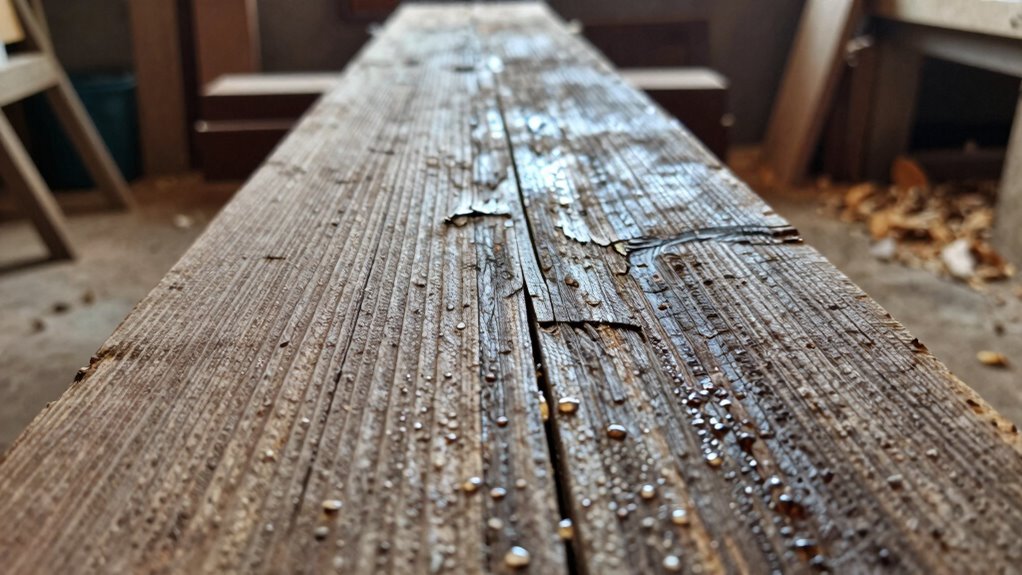
Have you ever wondered why controlling moisture is essential in woodworking? The answer lies in understanding how moisture levels influence the integrity and appearance of your projects. When you work with wood, it’s crucial to keep moisture content in check, especially during the finishing process. Wood’s grain orientation plays a critical role here because it affects how moisture moves within the material. If you ignore this, your final finish may end up uneven or prone to cracking. Grain direction determines how the wood responds to environmental changes—wood fibers run along the grain, and moisture can cause them to swell or shrink, impacting your work’s stability and look. When applying finish, neglecting the grain orientation can lead to poor adhesion, visible brush marks, or even peeling. This is why careful attention to grain direction during finish application is so important.
Moisture content isn’t just about the wood’s initial state; it’s about maintaining a consistent level throughout your project. If your wood is too wet or too dry, it can warp, crack, or develop unsightly surface defects. This is especially true when you’re preparing to add a finish. Finishes, like varnish or paint, need to bond properly to the wood surface, and that’s only possible if moisture levels are stable. When moisture fluctuates, the wood expands or contracts, causing the finish to crack or peel over time. To avoid this, you must measure moisture content accurately and allow your wood to acclimate to the environment before starting the finish process. Proper moisture measurement ensures your project’s success and longevity. Additionally, understanding the moisture content helps you select the right treatments and finishes suitable for your wood’s condition. Recognizing the importance of environmental conditions can also help prevent moisture-related issues during and after finishing. Maintaining proper wood stability is essential to avoid costly mistakes and ensure a professional result.
Neglecting to control moisture can also lead to dimensional instability, which causes warping and misalignment in your finished pieces, making precision work more difficult. Ignoring the moisture rule can lead to significant setbacks—costly repairs, wasted materials, and compromised aesthetics. Properly managing moisture ensures your project remains true to your vision, with a smooth, durable finish. Always remember that grain orientation influences how moisture moves through the wood, so plan your cuts and finish application accordingly. If you apply a finish on a piece with uneven moisture levels or without considering the grain direction, you risk uneven absorption and a subpar outcome. The key is to maintain consistent moisture content and respect the natural grain flow. This discipline not only improves the look of your work but also prolongs its lifespan. Ultimately, controlling moisture might seem like a small detail, but ignoring it can undo all your craftsmanship efforts, making it a rule you simply cannot afford to overlook.
Popular right now

Ninja Foodi Smart Dual Heat Air Fry Oven, 13-in-1, Silver (SP351)

De'Longhi Dinamica Plus Fully Automatic Espresso Machine

Shark Rotator Lift-Away Upright Vacuum, White/Red (NV501)
As an affiliate, we earn on qualifying purchases.
Frequently Asked Questions
How Do I Measure Moisture Content Accurately?
To measure moisture content accurately, use a reliable pin or pinless moisture meter suited for wood drying. Guarantee the tool is calibrated correctly, and take multiple readings across different spots for consistency. Keep in mind that moisture migration can affect readings, so measure in stable conditions. Regularly checking moisture levels helps prevent issues like warping or cracking, ensuring your projects stay dimensionally stable and durable over time.
What Tools Are Best for Checking Wood Moisture Levels?
Did you know that using the right tools can reduce warping risks by 60%? For checking wood moisture levels, a digital moisture meter is your best bet. It quickly provides accurate readings and helps you monitor wood in storage or during projects. Remember, climate impact influences moisture content, so regularly testing guarantees your wood stays stable, preventing costly mistakes and ensuring a quality finish.
How Does Climate Affect Wood Moisture?
Climate greatly impacts wood moisture because high humidity levels slow down wood drying, causing it to retain excess moisture, while low humidity speeds up drying, risking cracks. You need to control humidity in your workspace for proper moisture balance. By maintaining consistent humidity levels, you help wood reach ideal moisture content, reducing warping or splitting. Effective humidity control is essential for quality woodworking and ensuring your projects stay stable over time.
Can Moisture Content Vary Within a Single Piece of Wood?
Moisture content can vary within a single piece of wood, much like the changing tides. You’ll find differences due to wood density and grain pattern, which influence how water moves and settles. Denser areas may hold moisture longer, while grain direction affects drying rates. Recognizing these variations helps you avoid warping or cracking, ensuring your project stays true to your vision. Always measure moisture at multiple points for accuracy.
What Are the Signs of Excess Moisture in Wood?
You’ll notice signs of excess moisture in wood through warping, twisting, or cracking, which indicate wood expansion due to moisture damage. If the wood feels damp or has a musty smell, that’s another warning sign. These issues can compromise your project’s stability and appearance, so addressing moisture content early helps prevent moisture damage, ensuring your wood remains stable, durable, and true to your design.
Conclusion
Ignoring the moisture rule puts your projects at serious risk—not just of warping or cracking, but of wasting your time and money. I know it’s tempting to rush, but taking the time to measure and control moisture levels guarantees your work lasts. Don’t let frustration or pride cause avoidable mistakes. Respecting this rule isn’t just about precision; it’s about protecting your craft and feeling proud of every piece you create. Your future projects depend on it.