Steam cleaning uses high heat, usually above 200°F, to sanitize many surfaces, killing germs, bacteria, and mold. It’s great for cleaning tiles, countertops, and appliances without chemicals. However, it can’t fully disinfect all pathogens, like viruses, spores, or some bacteria. Porous materials or delicate surfaces may also be damaged by steam. To get the best results and stay safe, it’s helpful to understand what steam heat can and can’t do—more details await you.
Key Takeaways
- High-temperature steam (above 200°F) effectively disinfects hard surfaces like tiles and countertops by killing many germs and organic stains.
- Steam cleaning is not reliable against viruses, spores, or certain bacteria, which may require chemical disinfectants for complete sterilization.
- Porous materials such as fabrics, mattresses, and carpets are generally unsuitable for steam cleaning, limiting its disinfecting scope.
- Proper equipment maintenance and correct technique ensure consistent heat levels and safe, effective sanitization.
- Steam’s effectiveness depends on surface compatibility; delicate or unsealed surfaces may be damaged, reducing cleaning efficacy.
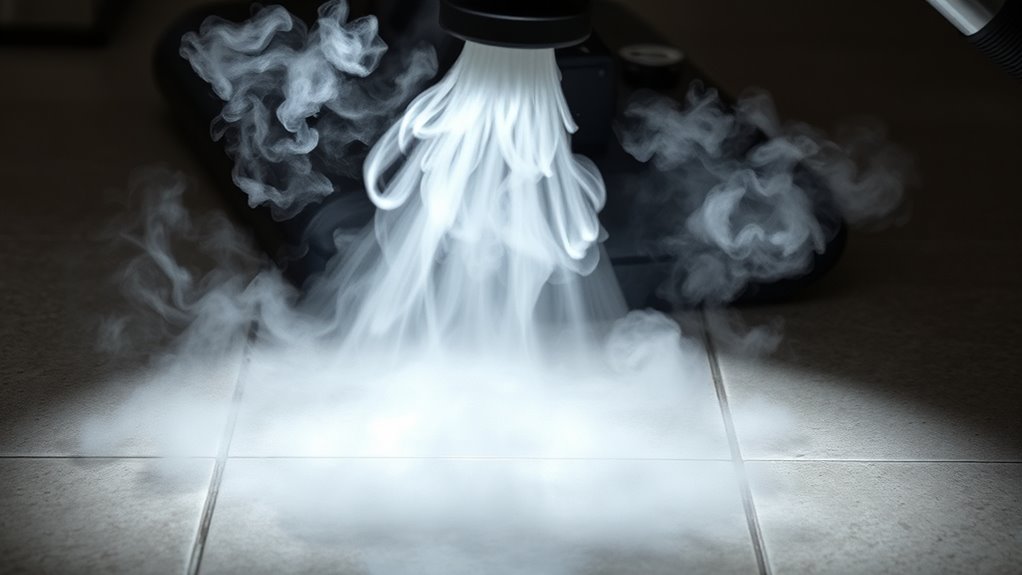
Steam cleaning is an effective and eco-friendly way to deep-clean your home without harsh chemicals. It harnesses the power of high-temperature steam to lift dirt, kill germs, and refresh surfaces. However, understanding steam cleaning safety is essential to ensure you don’t accidentally cause damage or injury. When using steam cleaning equipment, always follow the manufacturer’s instructions, wear protective gloves, and keep the machine’s hot components away from skin. Properly handling and maintaining your equipment helps prevent accidents, such as burns or electric shocks. Make sure the area is well-ventilated to avoid inhaling steam or fumes, and never point the steam nozzle at yourself or others.
The steam cleaning equipment itself is designed to produce a steady flow of hot vapor, usually reaching temperatures above 200°F. This heat is effective at sanitizing surfaces like tile, countertops, and even appliances. But while steam cleaning can eliminate many germs and bacteria, it’s important to recognize its limits. High temperatures are excellent for disinfecting hard surfaces and removing stains caused by organic matter, such as grease or mold. In these cases, steam cleaning provides a chemical-free alternative to harsh cleaners, making it a safer choice for households with children or pets.
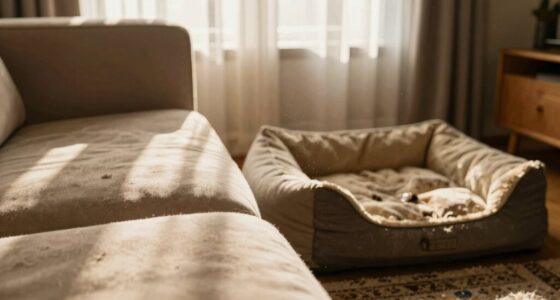
That said, steam cleaning isn’t a cure-all. It can’t sanitize porous surfaces like fabric upholstery, mattresses, or carpets in the same way chemicals can. While steam cleaning can reduce dust mites and some allergens, it doesn’t guarantee complete sterilization of these materials. For mattresses or rugs, specialized cleaning methods or chemicals may still be necessary to achieve full sanitation. Additionally, steam cleaning equipment isn’t effective against all germs—viruses, spores, and certain bacteria require more intensive disinfectants or specific sterilization procedures. Proper equipment maintenance is essential to ensure consistent and safe operation.
You should also be aware that not all surfaces tolerate steam cleaning equally. Delicate materials like silk or unsealed wood can be damaged by high heat or moisture. Always test a small, inconspicuous area first to ensure the surface can handle the steam. Properly using your equipment involves maintaining the right distance, avoiding prolonged exposure to one spot, and ensuring surfaces are compatible with steam. If used correctly, steam cleaning is a powerful tool that can disinfect and refresh your home, but it’s not a substitute for thorough cleaning protocols when dealing with highly infectious or resilient pathogens. Ultimately, understanding what heat can sanitize—and what it can’t—helps you make the most of this eco-friendly cleaning method safely and effectively.

Steam Cleaner, Portable Steamer for Cleaning with 16pcs Accessories, 6-Level Adjustable and 15s Heat-Up, Handheld Steam Cleaner for Home, Tile, Dirt, Grout, Grease, Car Detailing
Powerful Steam Cleaner: This steam cleaner heats up in just 15 seconds, releasing high-temperature steam at 221°F (105°C)…
As an affiliate, we earn on qualifying purchases.
As an affiliate, we earn on qualifying purchases.
Frequently Asked Questions
Can Steam Cleaning Eliminate All Types of Bacteria?
Steam cleaning can eliminate many bacteria due to its heat, but it doesn’t remove all types. Some bacteria have high resistance, making them harder to kill through steam penetration alone. You need to contemplate that certain bacteria can survive at lower temperatures or in protected areas. So, while steam is effective against most, it isn’t a guaranteed method for eradicating all bacteria, especially those with high resistance.
Is Steam Cleaning Effective Against Viruses Like COVID-19?
Think of steam cleaning as a knight in shining armor, ready to battle viruses like COVID-19. Steam sterilization can be effective against many viruses when the right temperature and contact time are met, enhancing antiviral efficacy. However, it’s not a guaranteed shield for all surfaces or situations. For best results, combine steam cleaning with disinfectants and follow proper protocols to guarantee thorough virus elimination.
How Long Does Steam Cleaning Disinfect Surfaces?
You can typically expect steam cleaning to disinfect surfaces in about 10 to 15 seconds, depending on steam penetration and surface porosity. For non-porous surfaces, the heat quickly kills germs, but porous surfaces may require longer or multiple passes. Keep the steam moving steadily to guarantee even coverage, and allow surfaces to air dry fully to maximize sanitation. Remember, thoroughness is key for effective disinfection.
Are There Materials That Cannot Withstand Steam Cleaning?
You should avoid steam cleaning on materials with high heat sensitivity, as the heat can cause damage. Delicate surfaces like silk, certain plastics, or electronics can’t withstand the intense heat, risking warping, melting, or deterioration. Coincidentally, these materials often look sturdy but aren’t designed to handle steam’s high temperature. Always test a small area first and check manufacturer guidelines to prevent material damage.
Does Steam Cleaning Remove Stubborn Stains and Grime?
Steam cleaning can effectively loosen stubborn stains and grime, helping you clean surfaces thoroughly. It’s especially useful for mold removal and removing chemical residues, leaving your space healthier. However, for very deep or ingrained stains, you might need additional cleaning methods. Steam’s heat helps sanitize surfaces, but it may not completely eliminate tough stains on certain materials. Always test a small area first to verify compatibility and best results.

McCulloch MC1385 Deluxe Canister Steam Cleaner, 2-Hour Runtime, Chemical-Free, 23 Accessories: Mop Head, Brushes & More – Built for Home, Tile, Carpet, Furniture, & Personal Car Detailing
CHEMICAL-FREE CLEANING — Naturally deep clean without the use of harsh chemicals using hot, pressured steam to eliminate…
As an affiliate, we earn on qualifying purchases.
As an affiliate, we earn on qualifying purchases.
Conclusion
Just like the legendary fire that purified and renewed, steam cleaning harnesses heat to sanitize surfaces—if it reaches the right temperature. But remember, it’s not a magic wand; some germs and deep grime may still hide beyond its reach. To truly keep your space safe, combine steam with regular cleaning and disinfecting. Think of it as your modern-day Excalibur—powerful, but best used wisely for a cleaner, healthier home.

Steam Cleaner, Portable Steamer for Cleaning with 16pcs Accessories, 6-Level Adjustable and 15s Heat-Up, Handheld Steam Cleaner for Home, Tile, Dirt, Grout, Grease, Car Detailing
Powerful Steam Cleaner: This steam cleaner heats up in just 15 seconds, releasing 221°F (105°C) high-temperature steam with…
As an affiliate, we earn on qualifying purchases.
As an affiliate, we earn on qualifying purchases.

Handheld Steam Cleaner, Portable Steamer for Cleaning with 18PCS Accessories, 12s Fast Heating, Pressurized Steam Cleaner for Home, Kitchen, Bathroom, Car Detailing, Window, and Clothes, Green
1200W Powerful Steam Cleaner: DOURARY handheld steam cleaner heats up in 10-12 seconds, blasting 230°F hot steam to…
As an affiliate, we earn on qualifying purchases.
As an affiliate, we earn on qualifying purchases.