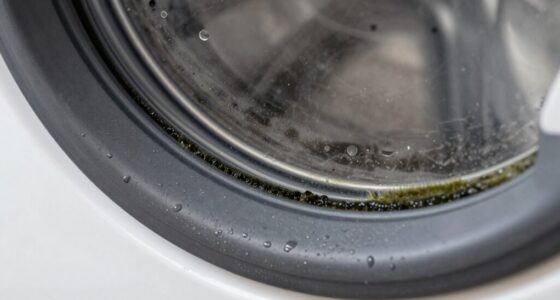
Dryer lint that hides deep inside your vent path creates a serious fire risk you might not see. While you regularly clean the lint trap, buildup can occur further down the vent system, narrowing airflow and trapping heat. This extra lint can become highly combustible over time. Neglecting proper vent cleaning can lead to dangerous fires and damage your home. Want to know how to keep your vent system safer and more efficient? Keep going for helpful tips.

Get school and study supplies delivered free — and shop member deals
- Fast, free delivery on millions of items
- Access to Prime Big Deal Days deals on October 6–7
- Prime Video, Amazon Music and more included
Key Takeaways
- Lint buildup inside the vent system can ignite, causing household fires if not regularly cleaned.
- Lint often accumulates beyond the lint trap, narrowing airflow and increasing heat, which heightens fire risk.
- Regularly inspecting and cleaning the entire vent pathway prevents dangerous lint accumulation and reduces fire hazards.
- Signs like slow drying, hot dryer, or blocked vent flap indicate potential lint buildup in hidden duct areas.
- Routine vent maintenance prolongs dryer lifespan, improves efficiency, and significantly minimizes fire risk from lint fires.
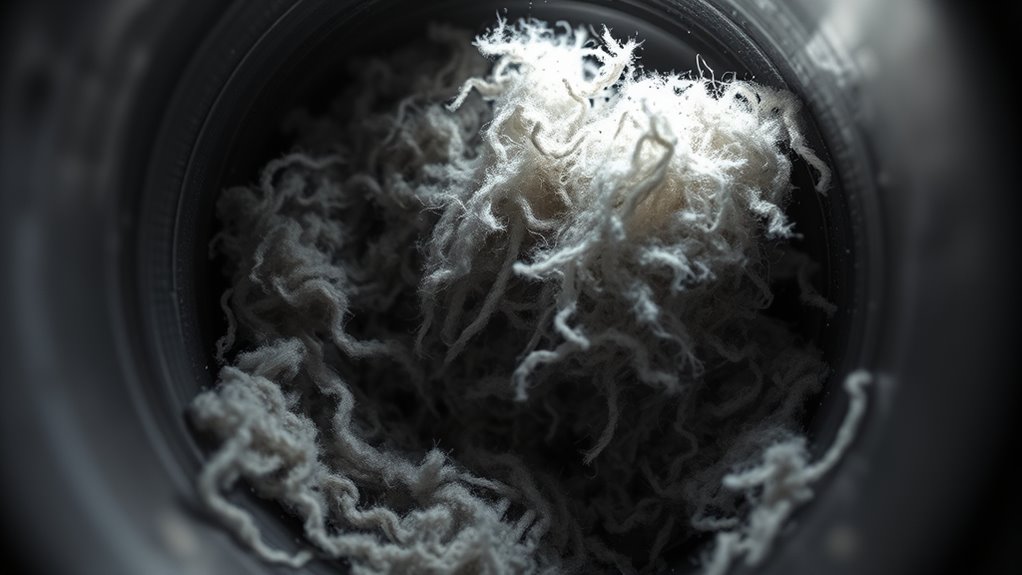
Dryer lint is more than just a minor annoyance; it’s a leading cause of household fires. Every time you run your dryer, tiny fibers from your clothes and towels are released and collect inside the lint trap. Over time, lint accumulation doesn’t just clog your dryer—it builds up in the vent system, creating a serious fire hazard. If you neglect vent cleaning, this buildup can become combustible, especially after repeated drying cycles. That’s why regular maintenance is essential to keep your home safe.
You might think that cleaning the lint trap after each load is enough, but lint can hide deeper within the vent system. The real danger lies in the lint that escapes the trap and settles in the ductwork. As the lint accumulates, it narrows the airflow pathway, forcing your dryer to work harder and generate more heat. This excess heat, combined with the flammable lint, can ignite unexpectedly, leading to devastating fires. To prevent this, you need to focus on thorough vent cleaning periodically, ideally every year or more frequently if you do a lot of laundry.
Lint can hide deep in vents, increasing fire risk without regular cleaning.
While it’s tempting to dismiss vent cleaning as a tedious chore, it’s an essential step in reducing fire risk. You should inspect the entire vent system, from the dryer outlet to the exterior vent cap. Remove and clean out any lint buildup you find along the way. Use a vent brush or a vacuum attachment designed for this purpose—don’t just rely on the lint trap. Many homeowners overlook how much lint can hide within the ductwork, especially in bends or turns where lint tends to collect. Neglecting these areas can allow dangerous buildup to persist, increasing the chances of a fire.
In addition to vent cleaning, you should also be mindful of other signs that indicate your vent system needs attention. If your dryer takes longer to dry clothes or if the exterior vent flap doesn’t open fully, these are signs that lint is blocking airflow. Regularly inspecting and maintaining your vent system not only prolongs the life of your appliance but also protects your home and loved ones from fire hazards. Remember, a clean vent system means safer drying and peace of mind.
Taking proactive steps to remove lint accumulation and keep your vent pathways clear can make all the difference. It’s a small effort that yields significant safety benefits, ensuring that your household stays secure and your dryer operates efficiently. Don’t wait until a fire occurs—make vent cleaning part of your routine maintenance today. Regular vent cleaning also helps maintain optimal airflow and efficiency, which can save you money on energy costs over time.
As an affiliate, we earn on qualifying purchases.
Frequently Asked Questions
How Often Should I Professionally Clean My Dryer Vent?
You should have your dryer vent professionally cleaned at least once a year for ideal vent maintenance and fire prevention. This regular cleaning helps remove lint buildup that can block airflow and increase fire risk. If you notice longer drying times or a burning smell, schedule a cleaning sooner. Staying on top of vent maintenance keeps your home safe and your dryer running efficiently.
What Signs Indicate a Vent Blockage or Lint Buildup?
You’ll notice lint signs like clothes taking longer to dry or your dryer feeling unusually hot. Blockage indicators include a burning smell during operation or reduced airflow from the vent. If you see excess lint around the vent opening or find lint buildup inside the dryer, it’s a clear sign of a blockage. Regularly inspecting these signs helps prevent fire risks and keeps your dryer running efficiently.
Are Certain Dryer Models More Prone to Lint Fires?
Yes, certain dryer models are more prone to lint fires due to their vent design and lint trap efficiency. Models with complex or poorly accessible vent paths can trap more lint, increasing fire risk. Additionally, dryers with less effective lint traps may allow more lint to escape into the vent system, leading to buildup. Regular maintenance and choosing models with optimized vent design and lint trap efficiency help reduce this danger.
How Can I Reduce Lint Accumulation in My Dryer?
You can reduce lint accumulation by regularly cleaning your lint traps after every load, ensuring they’re free of debris. Additionally, perform vent maintenance by inspecting and cleaning your dryer vent and ductwork at least once a year to prevent lint buildup. Using a vent brush or vacuum helps remove trapped lint, reducing fire risk and improving dryer efficiency. Don’t forget to check for obstructions or damage during these cleanings.
What Safety Precautions Should I Take During Vent Cleaning?
A stitch in time saves nine, so always prioritize safety during vent cleaning. Wear gloves and a dust mask to protect yourself from dust and lint. Turn off the dryer and unplug it before starting. Use proper tools and be gentle to avoid damaging the vent system. Confirm good ventilation as part of your fire safety routine, and regularly maintain your vents to prevent lint buildup and reduce fire hazards.
As an affiliate, we earn on qualifying purchases.
Conclusion
So, next time you clean out that vent, remember it’s more than just routine maintenance—you might be catching a hidden danger before it sparks a fire. Sometimes, the simplest actions, like removing lint, unexpectedly save your home from disaster. It’s funny how a small, overlooked detail can become a vital line of defense, especially when you least expect it. Stay vigilant, stay safe, and keep that vent clear—because safety often hinges on these quiet, coincidental moments.
As an affiliate, we earn on qualifying purchases.
As an affiliate, we earn on qualifying purchases.
Halloween Picks
halloween
As an affiliate, we earn on qualifying purchases.