To prevent streaks on stainless steel, always follow the grain pattern during cleaning and polishing. Moving in the same direction as the grain helps maintain a smooth, shiny surface and avoids scratches or marks caused by dragging abrasive particles against it. Cleaning against the grain can cause visible streaks and damage. By understanding and applying this simple rule, you can keep your stainless steel surfaces looking pristine. Keep exploring to learn how surface finishing techniques support this rule.
Key Takeaways
- Cleaning along the grain prevents streaks, scratches, and drag marks on stainless steel surfaces.
- Always identify and follow the natural grain pattern during maintenance for a pristine finish.
- Cleaning against the grain can disturb the surface’s smoothness and cause visible streaks.
- Proper surface finishing techniques create a consistent grain, simplifying cleaning and reducing streak formation.
- Maintaining the grain direction during cleaning preserves the surface’s shiny, uniform appearance over time.

Stainless steel streaks can quickly detract from the sleek, polished look of your appliances or surfaces. These streaks often appear as unsightly lines that interrupt the uniform shine, making your surfaces look less pristine and well-maintained. To avoid this, understanding the importance of proper surface finishing and manufacturing techniques becomes essential. When stainless steel is manufactured, various surface finishing methods—such as grinding, polishing, and brushing—are employed to create a smooth, reflective surface. However, if these techniques are not carefully executed or if the grain direction isn’t properly aligned, streaks can develop during cleaning or regular use. Proper maintenance also involves recognizing how surface finishing impacts the longevity and appearance of your stainless steel. One of the key factors in preventing streaks is paying attention to the grain direction during manufacturing. Stainless steel has a natural grain that results from the finishing process. This grain acts like a tiny pattern running across the surface, which influences how the material responds to cleaning and polishing. When you clean or polish against the grain, you risk dragging abrasive particles across the surface, creating visible streaks or scratches. Conversely, following the grain with your cloth or cleaning tool helps maintain the surface’s smoothness and prevents streak marks from forming. This simple rule—always move in the same direction as the grain—can markedly improve the appearance of your stainless steel surfaces. Manufacturing techniques also play a pivotal role in establishing the grain pattern. During the manufacturing process, machines and tools are used to achieve the desired surface finish, whether a mirror polish or a brushed look. Properly executed techniques ensure that the grain is consistent and well-defined, making maintenance easier and reducing streak formation. For example, a uniform brushed finish, achieved through specific abrasive belts or pads, creates a predictable grain pattern that guides your cleaning motions. When you maintain the surface by following this pattern, you minimize the risk of streaks and scratches, keeping your surfaces looking their best.
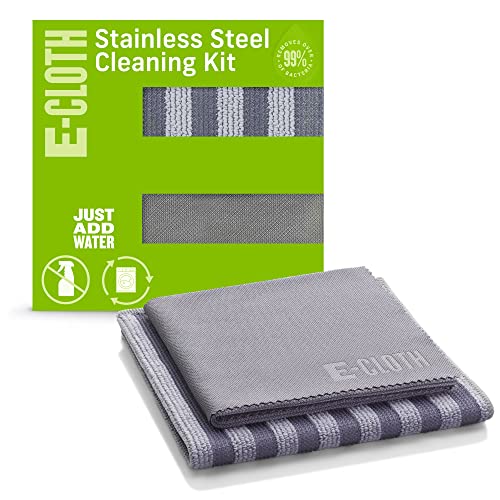
E-Cloth Stainless Steel Microfiber Cleaning Cloth Pack – Glass & Polishing + Stainless Steel Cleaner Cloth for Appliances, Cars & More, Reusable & Washable Microfiber Towels, Cleans with Water
CLEANING CLOTHS FOR STAINLESS STEEL: All you need to keep stainless steel appliances looking shiny, this E-Cloth kit…
As an affiliate, we earn on qualifying purchases.
As an affiliate, we earn on qualifying purchases.
Frequently Asked Questions
How Can I Prevent Stainless Steel Streaks During Cleaning?
To prevent streaks on stainless steel, use proper polishing techniques and gentle cleaning solutions. Always wipe along the grain to avoid scratch marks and streaks, and avoid abrasive cleaners. Use a soft cloth or microfiber towel to buff the surface, applying minimal pressure. Regularly clean with a mild, stainless steel-specific solution, and dry thoroughly to prevent water spots, ensuring a smooth, streak-free finish every time.
What Tools Are Best for Aligning the Grain?
A picture is worth a thousand words, so choose your tools wisely. For aligning the grain, use a fine-grit abrasive pad or a microfiber cloth to follow the natural grain direction. Polishing techniques like using a soft buffing wheel or a polishing cloth help guarantee even alignment. These tools help you achieve a smooth, streak-free finish while respecting the stainless steel’s natural grain, preventing streaks and enhancing shine.
Does the Grain Direction Affect Stainless Steel’s Corrosion Resistance?
Yes, the grain orientation affects stainless steel’s corrosion impact. When you align the grain direction properly during fabrication, it minimizes corrosion risks by reducing areas where moisture and contaminants can settle. Improper grain orientation can create crevices or weak spots, increasing susceptibility to rust. You should carefully consider grain direction to enhance corrosion resistance, especially in harsh environments, ensuring the stainless steel maintains its durability and appearance over time.
Can Grain Direction Influence the Durability of Stainless Steel Finishes?
Ever wondered if the grain pattern impacts your stainless steel’s durability? Yes, it does. When you pay attention to the grain direction, you promote surface consistency, which helps prevent uneven wear and helps the finish last longer. Proper alignment of the grain pattern guarantees the steel withstands scratches and corrosion better, ultimately increasing its durability. So, always consider the grain direction when working with stainless steel to maximize its longevity.
Are There Specific Stainless Steel Types With More Visible Grain Patterns?
Yes, you’ll notice some stainless steel types have more visible grain patterns, especially those with brushed or matte finishes. These finishes highlight the grain pattern, making it more prominent and offering a distinctive look. Finish variation plays a role here, as certain types like 304 or 430 stainless steel tend to display more noticeable grain patterns, giving your project a textured, stylish appearance.

Weiman Stainless Steel Cleaner & Polish, 2 Pack, Anti Fingerprint Spray Stainless Steel Cloth, Water Spots & Grease, No Streaks or Residue, Safe for Metal Polish, Chrome, Appliances, Sinks & Grills
Cleans, polishes & protects stainless steel: Our stainless steel cleaner for appliances, which won a 2026 Good Housekeeping…
As an affiliate, we earn on qualifying purchases.
As an affiliate, we earn on qualifying purchases.
Conclusion
Remember, paying attention to the grain direction can make all the difference in achieving a flawless finish. When you follow the stainless steel streaks rule, you guarantee a smooth, professional look every time—no need to call the Ghostbusters for those pesky streaks. Think of it as your secret weapon, like a trusty compass guiding you through the machining maze. Stick to the grain, and your work will shine brighter than a knight’s armor on the battlefield!

Zep Stainless Steel Cleaner and Polish 14 ounces – ZUSSTL14 – Protects Metal Surfaces from Fingerprints, Soil and Waterspots
Polishes as it cleans to beautify and protect stainless steel, chrome, and aluminum appliances and metal surfaces
As an affiliate, we earn on qualifying purchases.
As an affiliate, we earn on qualifying purchases.

Yadool Stainless Steel Scratch Remover Kit, Suitable for Sinks & Appliances Scratch Repair & Polish, Used for Non-Coated Stainless Steel & Easily Remove Rust, Discoloration
ALL-IN-ONE STAINLESS STEEL SCRATCH ERASER: Tired of scratches ruining your stainless steel? Our kit offers a complete solution!…
As an affiliate, we earn on qualifying purchases.
As an affiliate, we earn on qualifying purchases.