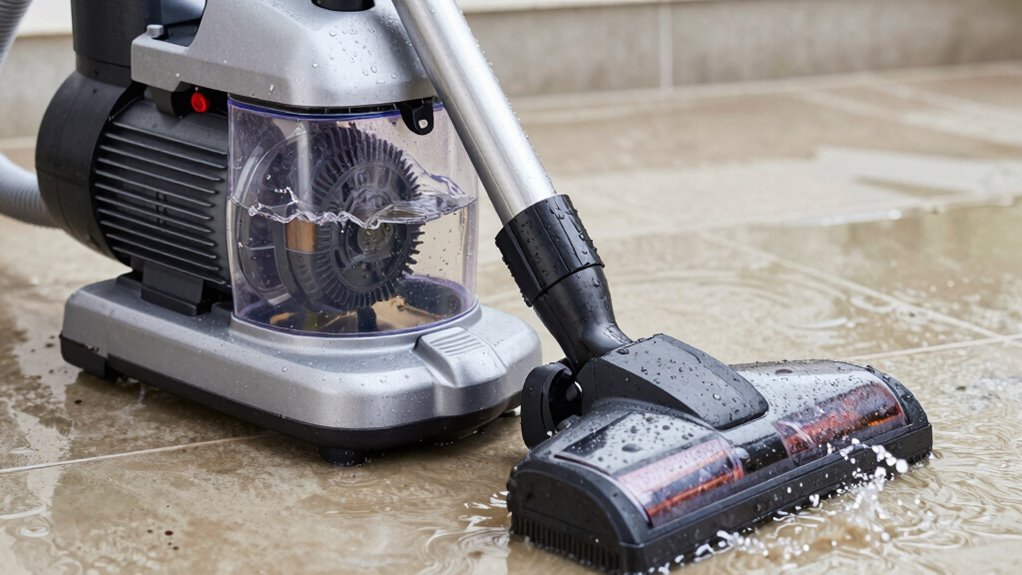

When using your wet/dry vacuum to pick up water, it becomes dangerous if electrical components are damaged, cords are frayed, or if water contacts exposed wiring. Never operate the vacuum near wet electrical outlets or standing water, and always check that all parts are intact before use. Stop immediately if you smell burning or notice sparks. Staying aware of these risks helps keep you safe—keep going to discover how to prevent these hazards effectively.

Prime made for students and young adults
- Fast, free delivery for dorm and study essentials
- Prime Video and Amazon Music included
- Member-only deals
Key Takeaways
- Never vacuum water if electrical components or cords are damaged or frayed.
- Stop use immediately if you notice unusual smells, sparks, or electrical issues during water pickup.
- Avoid vacuuming water near wet electrical outlets or standing water to prevent electrical shock.
- Ensure the vacuum is in good condition and dry before attempting water pickup.
- Regularly inspect and maintain the vacuum to prevent leaks or electrical contact hazards during water use.
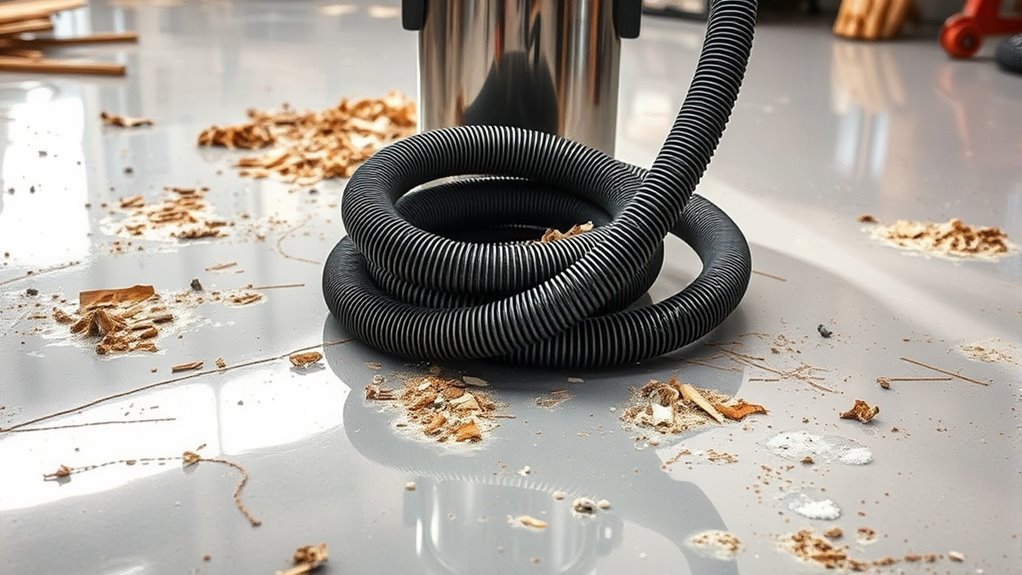
Have you ever needed a versatile cleaning tool that handles both wet spills and dry debris with ease? A wet/dry vacuum can be your best friend in these situations, but it’s essential to use it safely to prevent accidents. Before you start, familiarize yourself with safety precautions to avoid electrical hazards or damage to the vacuum. Always check that the cord and plug are in good condition, and ensure the vacuum is unplugged before changing filters or emptying the tank. When working with water, avoid overfilling the tank, as this can cause leaks or water to reach electrical parts. Keep the vacuum on stable, dry surfaces, and never operate it near standing water or wet electrical outlets. These precautions are vital to prevent electric shocks or fires. Regular inspection and maintenance are key to keeping your wet/dry vacuum operating safely and efficiently. Proper maintenance tips also play a crucial role in keeping your wet/dry vacuum functioning effectively and safely. Regularly inspect the filters and replace or clean them as recommended by the manufacturer. Dirty filters reduce suction power and can lead to motor overheating. Empty the tank frequently, especially if you’re working with large amounts of water, to avoid overloading the unit, which can strain the motor and cause damage. Always ensure the tank is dry and free of debris before storing the vacuum away. This prevents mold growth or unpleasant odors later on. When cleaning the vacuum, detach and clean parts like the hose, filters, and attachments to prevent clogs and maintain optimal performance. Use mild soap and water for cleaning, but avoid immersing electrical components. When dealing with water pickup, exercise extra caution. Water and electricity are a dangerous combination if not handled correctly. Never attempt to vacuum water if you suspect the vacuum’s electrical components are compromised or if it’s been damaged. If you notice frayed cords, exposed wiring, or unusual smells, stop using the vacuum immediately and have it inspected or repaired by a professional. Also, be cautious about the environment you’re working in—avoid wet or damp areas where water could come into contact with electrical outlets or extension cords. Keep the vacuum’s cord away from water and ensure you’re standing on a dry surface.
wet dry vacuum with water pickup
As an affiliate, we earn on qualifying purchases.
As an affiliate, we earn on qualifying purchases.
Frequently Asked Questions
Can Wet/Dry Vacuums Handle Flammable Liquids Safely?
You should never use a wet/dry vacuum to handle flammable liquids because it’s unsafe. These vacuums aren’t designed for combustible substances, and doing so can cause fires or explosions. Always follow safety precautions, such as using explosion-proof equipment and proper ventilation, when dealing with flammable liquids. If in doubt, consult the manufacturer’s guidelines to guarantee safe handling and avoid risking your safety or property.
What Are the Signs of a Vacuum Malfunction During Water Pickup?
If your vacuum malfunctions during water pickup, watch for signs like unusual noises or a sudden loss of suction. You might also notice vacuum sensor failures, which alert you to internal issues, or motor overheating alerts, indicating the motor is struggling. These signs signal you should stop using the vacuum immediately to prevent damage or safety hazards, and check for clogs, leaks, or electrical problems before continuing.
Are There Specific Models Recommended for Industrial Water Removal?
Think of industrial models as the sturdy ships steering stormy waters; they’re built to handle heavy-duty units and tough conditions. For water removal, choose heavy-duty units designed specifically for industrial use, with powerful motors and large tanks. Brands like RIDGID and Shop-Vac offer reliable options. These models guarantee safe, efficient water pickup, preventing mishaps and keeping your workspace dry and secure during challenging cleanup jobs.
How Often Should I Clean and Maintain My Wet/Dry Vacuum?
You should clean and maintain your wet/dry vacuum after every use, especially if you’ve picked up water or debris. Check and replace filters regularly to guarantee peak performance, and clean out the filter housing to prevent buildup. Follow proper storage practices, keeping the vacuum in a dry, cool place, and empty the tank completely to avoid mold or damage. Regular maintenance keeps your vacuum safe and effective for water removal.
Can Wet/Dry Vacuums Be Used for Sewage or Contaminated Water?
Think of your wet/dry vacuum as a superhero capable of many feats, but not all. You shouldn’t use it for sewage or contaminated water because sewage safety is critical. Handling contaminated water requires specialized equipment to prevent health risks and damage. Using your vacuum for such tasks can spread harmful bacteria and clog the machine. Always use a designated, heavy-duty sewage vacuum designed for contaminated water to keep yourself safe.
wet dry vacuum filters replacement
As an affiliate, we earn on qualifying purchases.
As an affiliate, we earn on qualifying purchases.
Conclusion
Remember, your wet/dry vacuum is like a trusted guardian, capable of tackling messes and floods alike. But just as a guardian needs to know its limits, so must you respect the boundaries of water pickup. When water becomes too deep, it’s a warning sign—a mirror reflecting danger’s presence. Listen to that reflection, and don’t let your trusty protector turn into a trap. Stay vigilant, and keep safety the true victory in every cleanup.
As an affiliate, we earn on qualifying purchases.
wet dry vacuum safety accessories
As an affiliate, we earn on qualifying purchases.
As an affiliate, we earn on qualifying purchases.
Fall Picks
fall essentials
As an affiliate, we earn on qualifying purchases.