
Drying surfaces to the touch doesn’t mean all moisture has been eliminated. Air movers help speed up evaporation, but they only affect surface moisture and don’t reach hidden layers within walls or carpets. Proper drying requires controlling humidity and measuring moisture levels with tools to guarantee everything is truly dry. If you want to learn how to tell when your property is fully dry and safe, keep exploring how moisture management works.
Get ready for Prime Big Deal Days — try Prime free
Exclusive member deals on October 6–7, plus fast free delivery. Cancel anytime.
As an affiliate, we earn on qualifying purchases.
Key Takeaways
- Surfaces can feel dry while moisture remains beneath, risking mold and structural damage.
- “Dry to the touch” doesn’t measure moisture content; moisture meters provide accurate readings.
- Residual hidden moisture in porous materials like drywall or carpet can cause long-term issues.
- Air movers speed evaporation but don’t remove moisture; humidity control is essential for complete drying.
- Effective drying requires thorough monitoring of moisture levels, not just surface dryness.

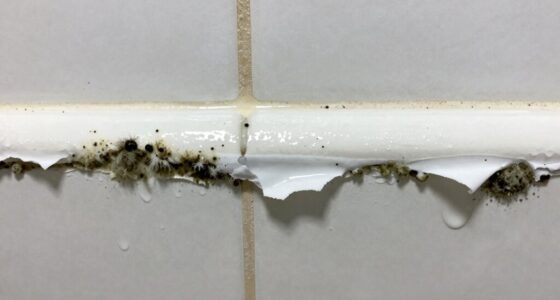
Ever wondered how professionals quickly dry out water-damaged areas? The secret lies in their mastery of humidity control and effective drying techniques. When water infiltrates a space, simply wiping the surface or waiting for it to evaporate isn’t enough. Water can seep into walls, carpets, and hidden crevices, leaving moisture behind that’s invisible to the naked eye. This residual moisture can cause mold growth, structural damage, and unpleasant odors long after the visible water is gone. That’s why drying professionals use specialized equipment, such as air movers, to accelerate the drying process and ensure thorough dehumidification.
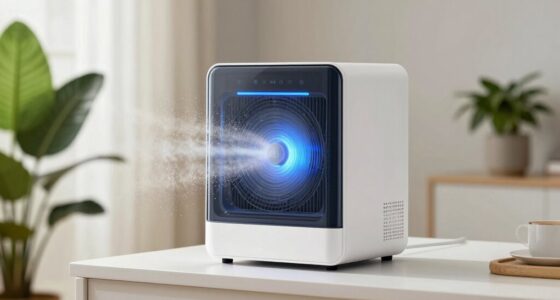
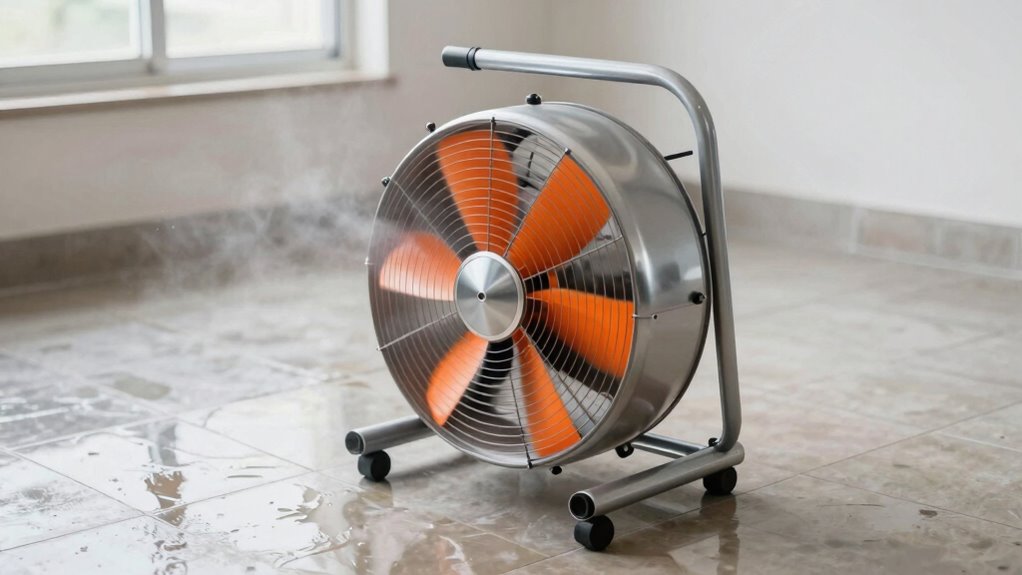
Air movers are designed to increase airflow over wet surfaces, helping moisture evaporate faster. They work by creating a high-velocity stream of air that directs moisture away from affected materials. But it’s not just about blowing air around; the key to efficient drying is combining air movers with proper humidity control. Using dehumidifiers in tandem with air movers reduces the overall moisture content in the air, preventing it from becoming saturated. When the air is saturated with moisture, evaporation slows down, making it harder to dry out the space. Professionals carefully monitor humidity levels and adjust equipment accordingly, ensuring that moisture is removed swiftly and completely.
Drying techniques involve more than just turning on a fan. It’s a strategic process that requires understanding the materials involved, the extent of water intrusion, and the environment’s conditions. For instance, porous materials like drywall and carpet padding tend to hold moisture longer and require more intensive drying efforts. Professionals position air movers to target these areas specifically, often moving them around to ensure even airflow. They also use moisture meters to measure the moisture content in materials, confirming when surfaces are truly dry—not just “dry to the touch,” which can be misleading. The goal is to reach a point where moisture levels are below the threshold that promotes mold growth or material deterioration. Additionally, integrating connected technology can help monitor and optimize the drying process more precisely.
As an affiliate, we earn on qualifying purchases.
Frequently Asked Questions
How Long Does It Typically Take for a Surface to Dry Completely?
It typically takes anywhere from several hours to a few days for a surface to dry completely, depending on surface moisture and drying duration. Factors like material type, airflow, and humidity influence this process. You should check for residual moisture by feeling or testing to guarantee it’s fully dry. Rushing the process can lead to issues like mold or damage, so patience is key for thorough drying.
Can Air Movers Cause Additional Damage to Wet Materials?
You might think air movers can’t cause damage, but they can if used improperly. Air mover risks include over-drying or uneven moisture removal, especially with sensitive materials. If you point too much airflow at delicate surfaces, it can lead to warping, cracking, or delamination. Always assess material sensitivity and modify airflow accordingly to prevent additional damage during the drying process. Proper technique ensures effective drying without risking harm.
What Are the Signs That Drying Is Truly Complete?
You can tell drying is truly complete by using moisture detection tools to measure moisture levels, ensuring they’re within the safe, dry range. Look for consistent drying indicators, like stable moisture readings over time and no visible signs of dampness. If moisture detection shows low, stable readings and materials feel dry to the touch, you can confidently consider the drying process finished, preventing mold or further damage.
Do Different Materials Require Different Drying Times?
You’ll find that different materials definitely need varying drying times, often unexpectedly. For example, porous or sensitive materials like paper or fabric take longer to dry compared to non-porous surfaces like glass or metal. This variability stems from material sensitivity and moisture absorption rates. So, always consider the specific material you’re working with, and don’t rely solely on surface dryness—drying time can differ notably, impacting your drying process’s efficiency.
How Do Environmental Factors Affect Drying Efficiency?
Environmental factors like humidity impact your drying efficiency profoundly. High humidity slows evaporation, making it harder for air movers to dry surfaces effectively. Proper airflow dynamics are vital; they ensure moisture is moved away quickly, speeding up the process. You can improve drying times by controlling humidity levels and optimizing airflow. Using dehumidifiers and adjusting air mover placement helps create ideal conditions, guaranteeing thorough drying rather than just “dry to the touch.”
air mover for water damage drying
As an affiliate, we earn on qualifying purchases.
As an affiliate, we earn on qualifying purchases.
Conclusion
Think of air movers as gentle rainmakers, coaxing moisture out of surfaces without fully revealing how deep it hides. Just because it feels dry to the touch doesn’t mean the job’s done — beneath the surface, moisture can still be lurking, waiting to cause damage. So, don’t let that “dry to the touch” feeling fool you. Trust the process, keep the air moving, and remember, true dryness is like a clear sky after a storm—more than what meets the eye.
dehumidifier for flood restoration
As an affiliate, we earn on qualifying purchases.
As an affiliate, we earn on qualifying purchases.
professional moisture testing tools
As an affiliate, we earn on qualifying purchases.
As an affiliate, we earn on qualifying purchases.
Fall Picks
fall essentials
As an affiliate, we earn on qualifying purchases.