The main reason disinfectants fail is because you don’t give them enough contact time—the period they need to stay wet on the surface to kill germs effectively. If surfaces dry out too quickly or you wipe them off too soon, disinfectants can’t do their job. To guarantee proper disinfection, you must follow the recommended wetting time and adjust for your environment. Want to learn how to maximize contact time for better results?

Prime made for students and young adults
- Fast, free delivery for dorm and study essentials
- Prime Video and Amazon Music included
- Member-only deals
Key Takeaways
- Insufficient contact time allows germs to survive, reducing disinfectant effectiveness.
- Environmental factors like evaporation can shorten the actual contact time below recommended durations.
- Applying disinfectant unevenly or too thinly can cause surfaces to dry prematurely, compromising disinfection.
- Ignoring surface compatibility or using incompatible disinfectants can lead to ineffective germ kill or surface damage.
- Rushing the process or neglecting proper application techniques prevents surfaces from staying wet for the necessary duration.
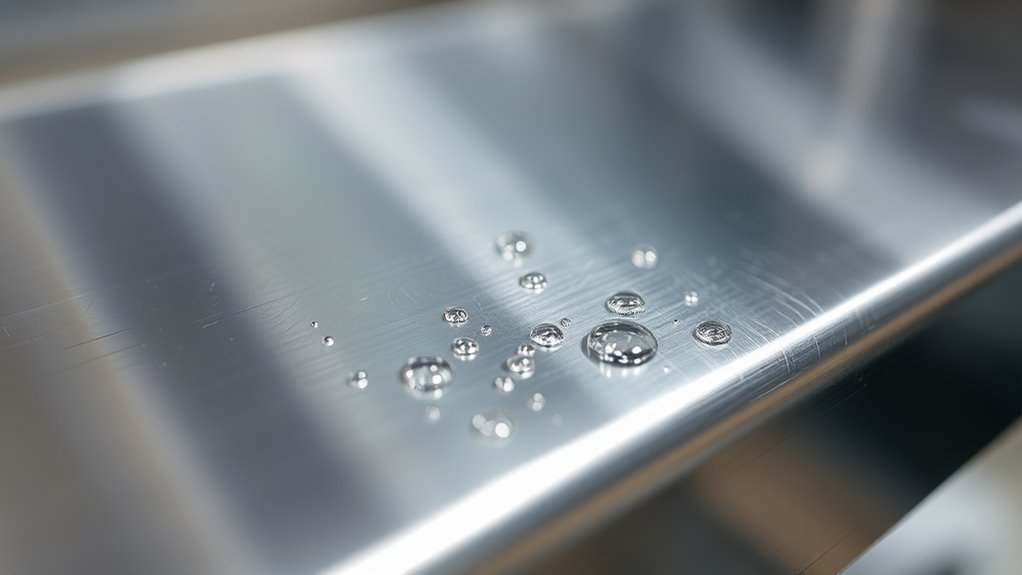
Have you ever wondered how long a disinfectant needs to stay on a surface to effectively kill germs? The answer isn’t just about the clock; it’s about understanding the critical factors that influence disinfectant efficacy. One of the most overlooked yet essential elements is contact time—the period during which the disinfectant remains wet on the surface. If you don’t give it enough time, germs can survive, and your efforts become futile. To maximize effectiveness, you need to pay close attention to application techniques and surface compatibility. Different surfaces react differently to disinfectants, which can affect how long you should leave the product sitting.
When considering surface compatibility, it’s crucial to recognize that some materials may degrade or become damaged if exposed to disinfectants for too long or if incompatible products are used. For example, certain plastics, rubber, or painted surfaces can deteriorate when exposed to harsh chemicals. Before applying, always check the manufacturer’s guidelines to ensure the disinfectant is safe for that specific surface. Proper surface compatibility not only preserves the integrity of the surface but also ensures the disinfectant works as intended. It’s a balancing act—using enough disinfectant for the right contact time without harming the surface.
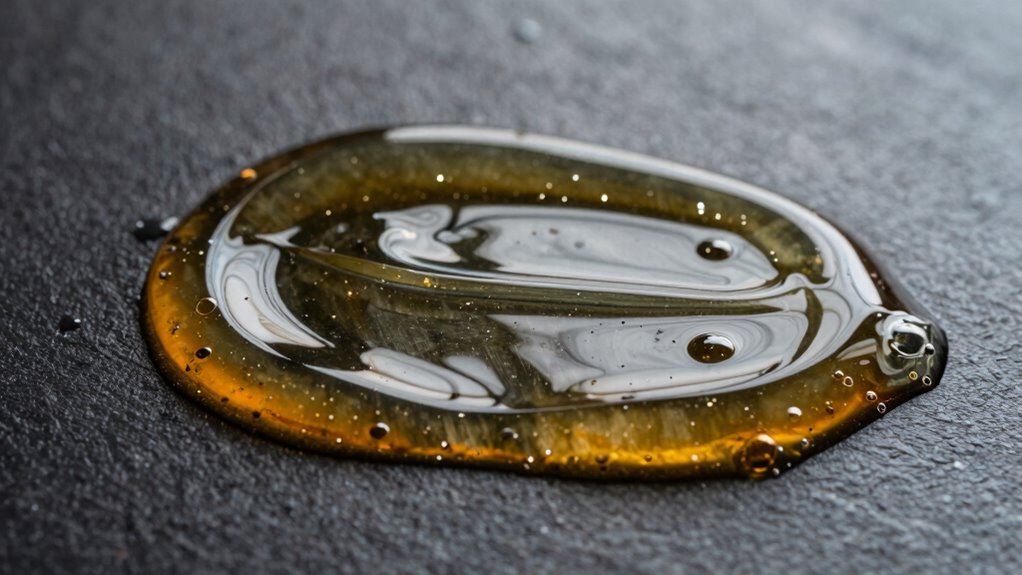
Application techniques play a pivotal role in achieving the proper contact time. You want to apply the disinfectant evenly, ensuring that every inch is thoroughly covered. Use enough product to keep the surface visibly wet during the recommended contact time; a dry surface won’t be effective at killing germs. Some disinfectants require a specific method of application, such as spraying, wiping, or soaking, each influencing how long the disinfectant remains in contact with the surface. For instance, wiping may remove the disinfectant prematurely, reducing contact time, unless you follow up with a wet wipe that leaves the surface damp for the required period. Conversely, spraying and allowing the surface to air dry can sometimes provide better contact time if done correctly. Additionally, understanding cleaning methods can help optimize disinfectant performance.
It’s also essential to understand that the environment can influence contact time effectiveness. Factors like temperature, humidity, and airflow can cause disinfectants to evaporate faster, shortening the window necessary for germ eradication. To avoid this, you might need to adjust your application technique—like applying a thicker coat or waiting longer before touching the surface. Ultimately, the success of disinfection depends on carefully balancing these elements: choosing the right disinfectant compatible with your surfaces, applying it using proper techniques, and ensuring it stays wet long enough to do its job. Neglecting any of these steps often results in ineffective disinfection, allowing germs to survive and potentially cause infection.
Popular right now

Vitamix Propel Series 750 Professional-Grade Blender, 4 Programs, Black

Shark Rocket Pet Plus Corded Stick Vacuum, Bordeaux, HV322
Dyson Car+Boat Cordless Handheld Vacuum
As an affiliate, we earn on qualifying purchases.
Frequently Asked Questions
How Does Disinfectant Contact Time Vary Across Different Disinfectant Types?
Disinfectant contact time varies across different disinfectant types because each has unique efficacy requirements. You’ll find that some disinfectants, like alcohol-based solutions, need only a few seconds, while others, such as quaternary ammonium compounds or bleach, require several minutes to be effective. Understanding this contact time variability is vital for ensuring disinfectant efficacy, as insufficient contact time can lead to ineffective disinfection and potential contamination.
What Environmental Factors Influence Effective Contact Time?
Did you know that environmental factors can cut disinfectant effectiveness by up to 50%? Surface porosity plays a big role—porous surfaces absorb disinfectants, reducing contact time. Ambient humidity also impacts results; high humidity can dilute disinfectants, making them less effective. To ensure proper disinfection, you need to take these factors into account, adjusting contact time accordingly. Otherwise, you risk inadequate pathogen elimination and potential health hazards.
Can Shorter Contact Times Still Provide Adequate Disinfection?
Shorter contact times can sometimes still provide adequate disinfection if surface porosity is low, allowing the disinfectant to reach all microorganisms quickly. Chemical stability also plays a role; if the disinfectant remains effective during the shortened time, it can work effectively. However, always follow the manufacturer’s instructions, as insufficient contact time on porous surfaces or with unstable chemicals may lead to inadequate disinfection and potential contamination.
How Is Contact Time Measured in Real-World Cleaning Scenarios?
Think of contact time as a dance between the disinfectant and surface. You measure it by timing how long the solution stays wet on a surface, considering surface porosity and chemical stability. You guarantee proper contact time by observing the wetness duration, adjusting for porous surfaces that absorb disinfectants faster. Using a timer or clock helps confirm the disinfectant remains effective, ensuring it has enough time to do its job properly.
Are There Specific Pathogens That Require Longer Contact Times?
Yes, some pathogens, like bacterial spores and certain viruses, require longer contact times due to their high resistance. You need to check the disinfectant formulation, as it influences effectiveness against these tough pathogens. If you don’t allow enough contact time, the disinfectant might not fully eliminate resistant pathogens, risking contamination. Always follow label instructions for specific contact times tailored to the pathogens you’re targeting.
Conclusion
So, next time you’re disinfecting, remember that contact time isn’t just a suggestion — it’s the difference between a germ-free surface and one that’s still contaminated. Are you willing to risk it by rushing the process? Taking a few extra seconds guarantees your disinfectant works effectively, keeping you and your loved ones safe. Don’t let haste undermine your efforts; a little patience goes a long way in fighting germs.