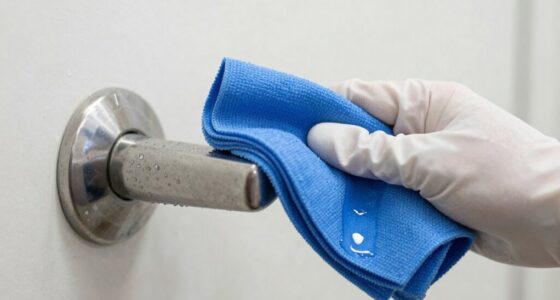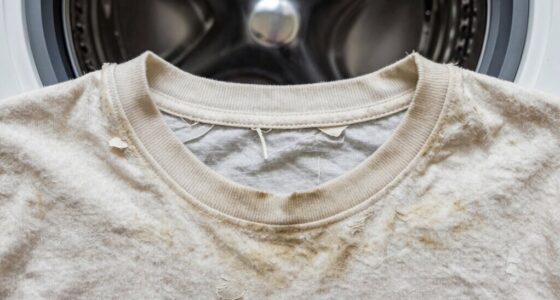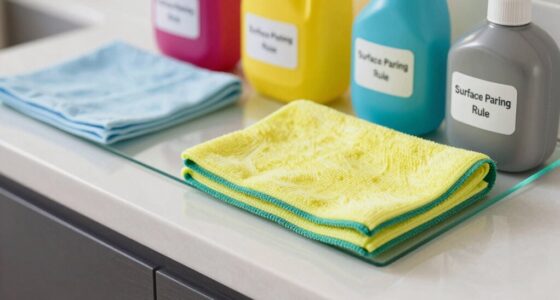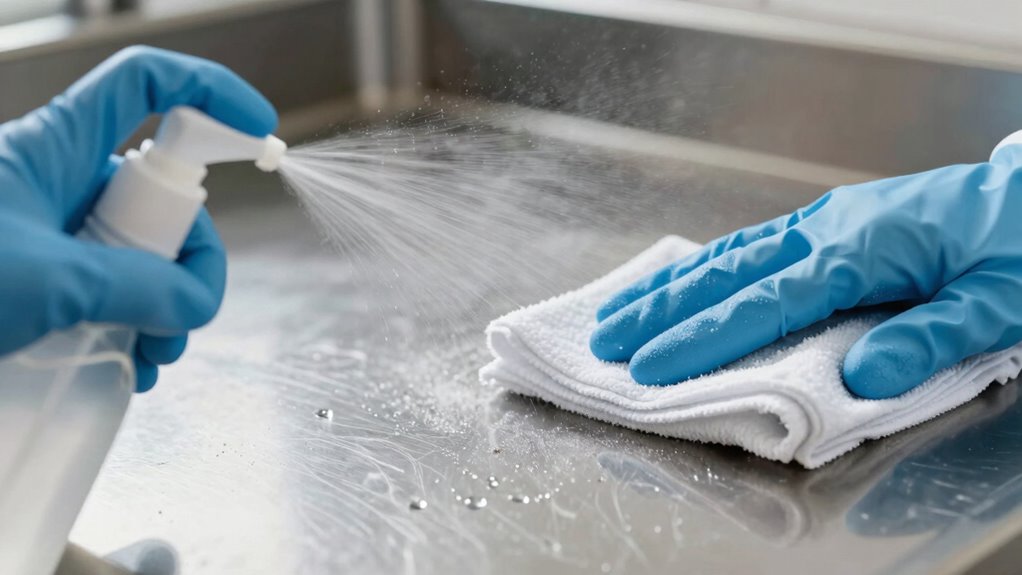
Cleaning and disinfecting are not the same. Cleaning removes dirt, dust, and germs with soap or water, making surfaces visibly tidy. Disinfecting kills or inactivates specific germs, often using EPA-approved products, and is essential during illness outbreaks or on high-touch surfaces. Knowing when to clean or disinfect helps keep environments safe and healthy. If you want to understand how to do each step effectively, keep exploring these important differences.

Prime made for students and young adults
- Fast, free delivery for dorm and study essentials
- Prime Video and Amazon Music included
- Member-only deals
Key Takeaways
- Cleaning removes dirt, dust, and grime, while disinfecting kills or inactivates germs on surfaces.
- Cleaning is a physical process using soap or water; disinfecting involves chemical agents approved to eliminate pathogens.
- Proper surface preparation through cleaning enhances the effectiveness of disinfectants.
- Disinfecting is especially important during illness outbreaks or on high-touch surfaces.
- Both cleaning and disinfecting are essential steps for effective sanitation and maintaining a healthy environment.
As an affiliate, we earn on qualifying purchases.
Defining Cleaning and Disinfecting: What’s the Difference?
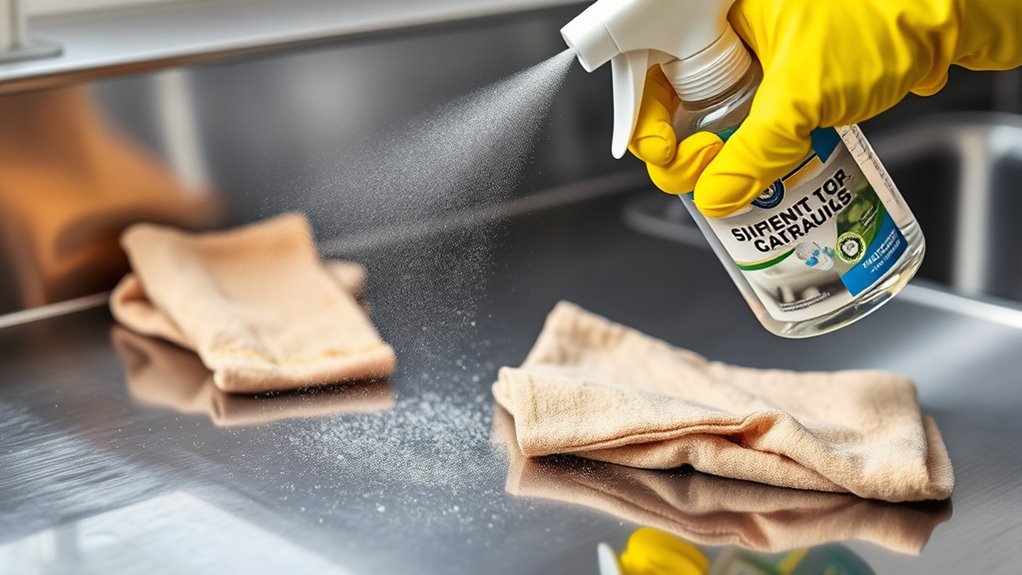
Understanding the difference between cleaning and disinfecting is essential for maintaining a healthy environment. Cleaning focuses on removing surface contamination like dirt, dust, and grime, which can harbor germs. It involves physical scrubbing and wiping to make surfaces look and feel clean. Disinfecting, on the other hand, aims at microbial elimination, killing or inactivating germs that may cause illness. While cleaning reduces the overall microbial load, disinfecting targets specific pathogens for thorough safety. Recognizing this distinction helps you choose the right approach to keep your space safe. Cleaning alone might not eliminate all microbes, but it prepares surfaces for disinfecting, ensuring a more effective process. Proper surface preparation is vital for disinfectants to work effectively. Both steps are crucial for controlling germs and creating a healthier environment. Implementing effective cleaning protocols can significantly enhance the success of disinfection efforts. Additionally, understanding the appropriate contact time for disinfectants ensures maximum microbial kill. Being aware of cleaning and disinfecting techniques can help you develop a comprehensive approach to maintaining a healthy home environment. Incorporating knowledge about projector technology can also inform better choices for home entertainment setups.
multi-surface disinfectant wipes
As an affiliate, we earn on qualifying purchases.
As an affiliate, we earn on qualifying purchases.
When and Why You Should Clean vs. Disinfect
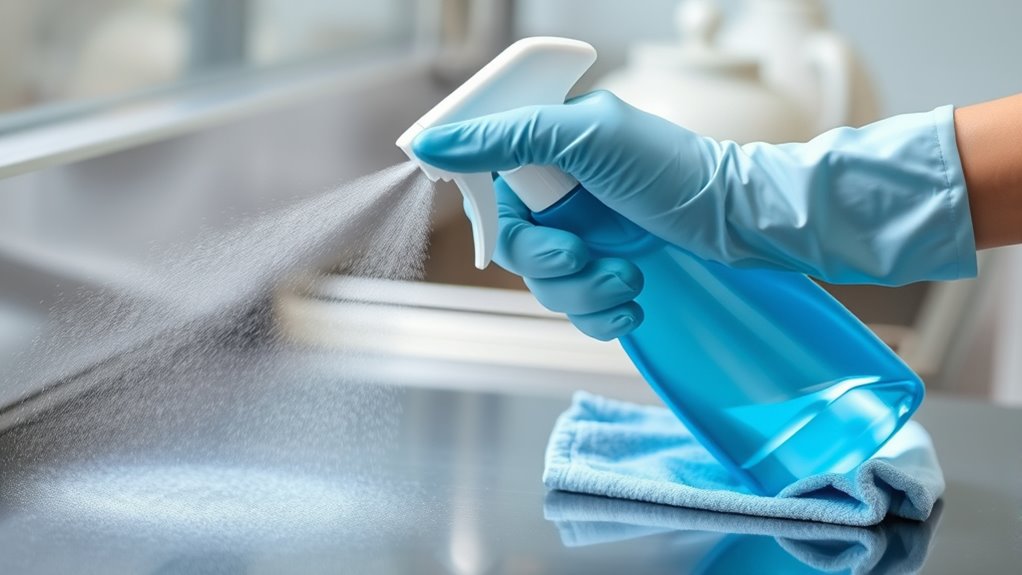
Knowing when to clean or disinfect is key to maintaining a safe and healthy environment. You should clean regularly to remove dirt and germs that can harbor bacteria, supporting good hygiene practices. Disinfect only when there’s a risk of infection or visible contamination, as it eliminates germs more thoroughly. Use the table below to decide when each method is appropriate:
| Situation | Action |
|---|---|
| Visible dirt or spills | Clean |
| After handling raw food | Clean |
| During flu season or illness | Disinfect |
| High-touch areas like doorknobs | Disinfect |
| Routine maintenance | Clean |
Understanding these differences helps you prioritize germ elimination effectively, reducing illness and promoting overall hygiene. Proper cleaning methods are essential for effective hygiene in your home. Regular cleaning can also help prevent the buildup of germs that can lead to illness, especially in shared spaces. Additionally, utilizing appropriate air purifier maintenance practices ensures optimal air quality and reduces airborne contaminants. Being aware of disinfection protocols ensures you target the right surfaces at the right times for maximum health benefits.
household cleaning and disinfecting kit
As an affiliate, we earn on qualifying purchases.
As an affiliate, we earn on qualifying purchases.
The Methods and Products Used for Effective Cleaning and Disinfecting
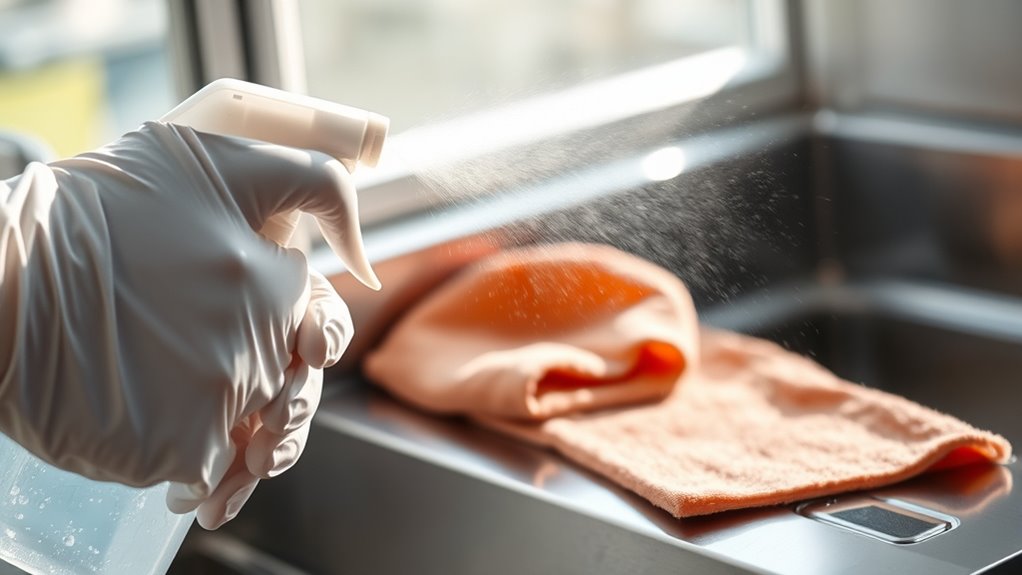
To effectively clean and disinfect surfaces, choosing the right methods and products is crucial. You need to focus on removing surface contamination with appropriate cleaning agents, such as detergents or soap and water. These cleaning agents break down dirt and grime, making surfaces easier to disinfect. For disinfecting, you’ll want to use EPA-approved disinfectants that target harmful microbes. Always follow the manufacturer’s instructions for proper application and contact time to ensure effectiveness. Using the correct tools, like microfiber cloths or disposable wipes, can improve results by trapping dirt and bacteria. Remember, thorough cleaning reduces surface contamination, which is essential before applying disinfectants. Incorporating Proper Technique can also enhance the overall effectiveness by allowing surfaces to dry naturally and preventing microbial buildup. Proper Surface Preparation is a critical step that ensures disinfectants can work effectively. Understanding the importance of attention to detail in cleaning processes can significantly improve outcomes. Applying effective cleaning protocols can help ensure that surfaces are properly sanitized and free of harmful contaminants. Combining proper cleaning methods with suitable products will give you the best protection against germs and maintain a healthier environment.
As an affiliate, we earn on qualifying purchases.
Common Misconceptions About Disinfecting and Cleaning
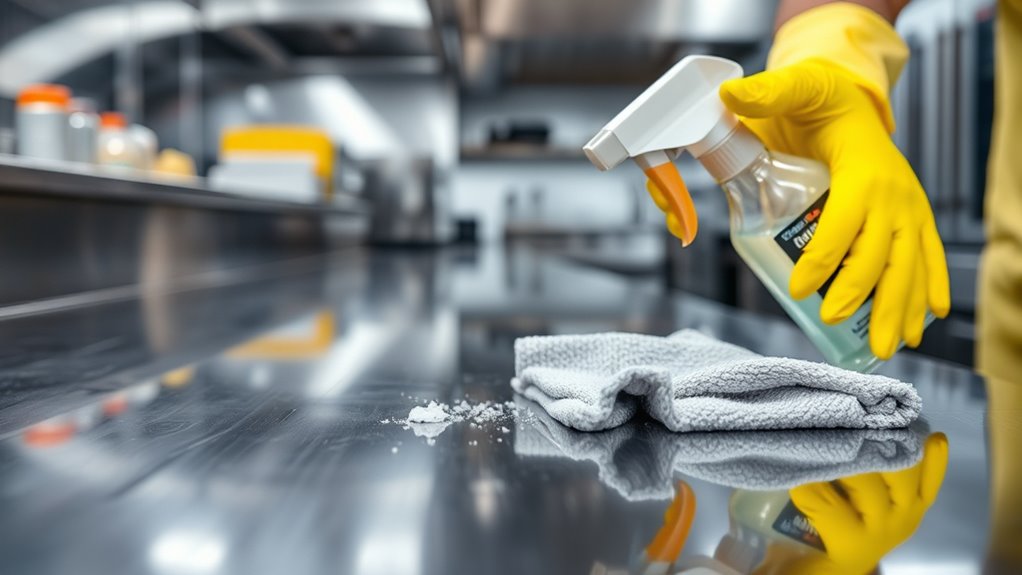
Many people assume that simply spraying a disinfectant on a surface is enough to eliminate germs, but this is a common misconception. Disinfecting reduces surface bacteria, yet many believe it eradicates all germs instantly. Myth busting reveals that cleaning first is essential to remove dirt and debris, making disinfectants more effective. Without proper cleaning, bacteria can hide beneath grime, risking infection. Proper deep-sky imaging techniques demonstrate the importance of preparation and thoroughness for optimal results. Additionally, understanding the disinfecting process helps ensure that surfaces are properly sanitized and safe for continued use. Recognizing the cleaning versus disinfecting distinction is crucial for achieving effective hygiene and reducing the spread of illness. Being aware of the proper sanitation sequence can significantly improve overall cleanliness and safety. Moreover, understanding the role of water chemistry in sanitation can enhance disinfection effectiveness.
Practical Tips for Proper Surface Maintenance
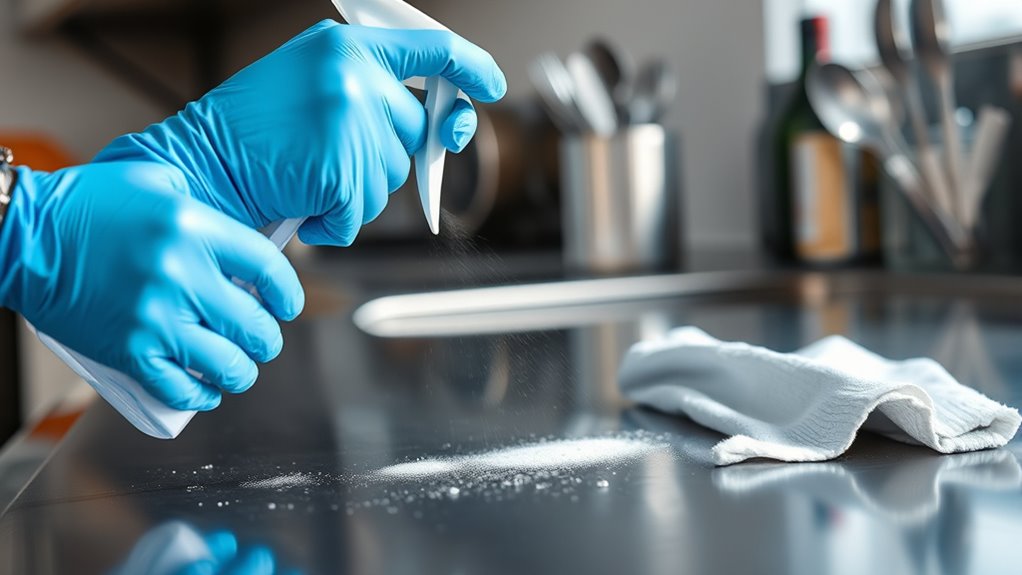
Maintaining clean and disinfected surfaces requires consistent, proper techniques to guarantee germs are effectively eliminated. First, regularly clean surfaces with soap and water to remove dirt and organic matter that can hinder surface sterilization. Use appropriate disinfectants labeled for the specific surface, and follow the contact time instructions carefully. Incorporate good hygiene practices, such as washing your hands before and after cleaning, to prevent cross-contamination. Always use clean cloths or disposable wipes to avoid spreading germs. Pay special attention to high-touch areas like doorknobs and light switches. Regularly disinfect these surfaces to maintain hygiene. Remember, effective surface maintenance isn’t a one-time task—it’s an ongoing process essential for a healthy environment. Additionally, understanding the difference between cleaning and disinfecting helps ensure you choose the right method for each situation surface maintenance. Incorporating proper sanitation techniques can also extend the lifespan of your sauna and cold-plunge equipment by preventing microbial buildup, especially when combined with effective air purification practices to reduce airborne germs. Being aware of water chemistry principles can further optimize your cleaning strategies to improve overall hygiene.
Frequently Asked Questions
Can Cleaning Alone Eliminate All Germs and Viruses?
Cleaning alone can’t eliminate all germs and viruses because it mainly removes surface contamination without necessarily destroying pathogens. While cleaning reduces dirt and some bacteria, it doesn’t guarantee chemical reactions that kill all germs. To effectively eliminate viruses and bacteria, you need to disinfect afterward, ensuring that chemical reactions target and destroy surface contamination thoroughly. So, don’t rely on cleaning alone if you want a truly germ-free environment.
How Long Do Disinfectants Remain Effective After Application?
Disinfectants typically remain effective for about 4 to 6 hours after application, depending on the product and surface conditions. This is known as residual effectiveness, which helps maintain disinfectant longevity. To keep surfaces protected, you should reapply disinfectant as recommended by the manufacturer, especially in high-touch areas. Remember, the effectiveness diminishes over time, so regular reapplication guarantees ongoing germ and virus control.
Are Natural or DIY Disinfectants as Effective as Commercial Products?
Natural alternatives and DIY disinfectants can be effective, but they’re not always a silver bullet. Think of them as tools in your cleaning toolbox—some work well against certain germs, but others might fall short. While natural options like vinegar or hydrogen peroxide can reduce bacteria, they often lack the broad-spectrum power of commercial disinfectants. For high-risk areas, relying solely on DIY disinfectants might leave you vulnerable.
How Do I Choose the Right Disinfectant for Different Surfaces?
To select the appropriate disinfectant, consider surface compatibility and disinfectant potency. You need a product that’s safe for your specific surface—like glass, wood, or plastic—so check labels for compatibility. Also, verify the disinfectant’s potency is strong enough to kill germs effectively. For high-touch areas, opt for a product with proven antimicrobial strength. Always follow the manufacturer’s instructions for best results and safety.
Is It Necessary to Wear Protective Gear When Disinfecting?
Yes, you should wear protective equipment when disinfecting. Protective gear, such as gloves and masks, helps prevent skin contact with harmful chemicals and reduces inhalation risks. Following safety precautions guarantees your health and safety while disinfecting. Proper protective equipment keeps you safe from potential irritants or toxins, allowing you to focus on effective cleaning without worry. Always prioritize safety precautions to protect yourself during disinfection routines.
Conclusion
Now that you know the key differences between cleaning and disinfecting, you’re armed with a powerful toolkit to battle germs. Think of cleaning as sweeping away the shadows, while disinfecting is like sealing them behind a fortress. By choosing the right approach at the right time, you create a sparkling sanctuary where germs can’t hide. Keep your surfaces shining bright and your environment safe — because a well-maintained space is your personal armor against unseen invaders.
Evergreen bestsellers Picks
bestsellers
As an affiliate, we earn on qualifying purchases.