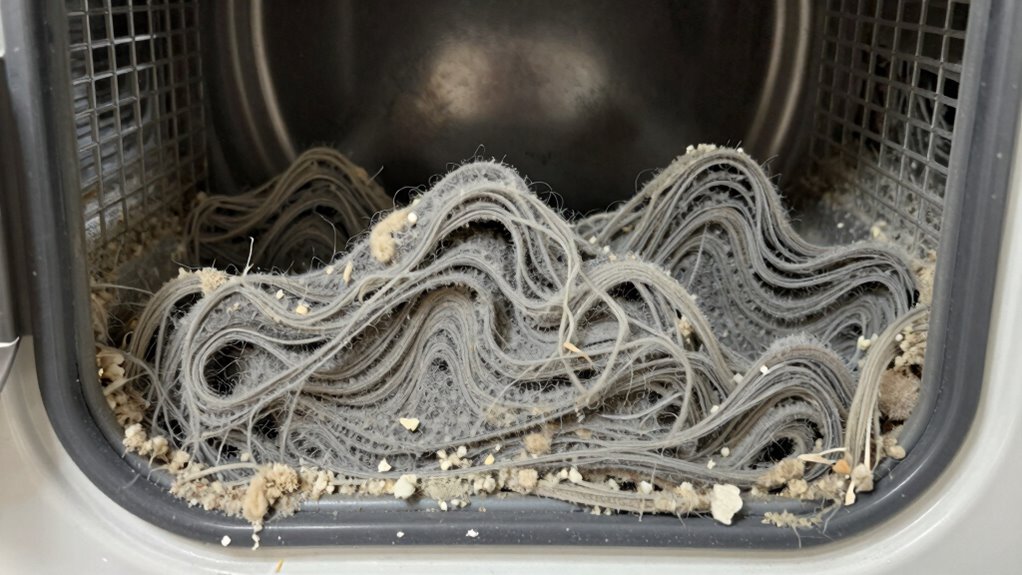

Dryer lint isn’t just a mess—it’s a hidden fire risk that builds up in your dryer vent, filter, and behind the drum. When ignored, this highly flammable debris can ignite, especially during long or high-heat cycles. Regular cleaning of your lint trap, vent, and duct is essential to keep fire hazards at bay. Stay alert to signs of excessive lint—if you want to learn how to keep your home safe, keep exploring.

Get school and study supplies delivered free — and shop member deals
- Fast, free delivery on millions of items
- Access to Prime Big Deal Days deals on October 6–7
- Prime Video, Amazon Music and more included
Key Takeaways
- Lint buildup occurs in multiple dryer parts, including the vent, lint trap, and behind the drum, increasing fire risk.
- Accumulated lint is highly flammable and can ignite during high-heat cycles or sparks.
- Regular cleaning of vents, filters, and internal components significantly reduces fire hazards.
- Hotspots like bends and joints in vent pathways are common fire risk areas due to lint accumulation.
- Professional dryer vent inspections and cleanings help create a fire risk map to prevent potential fires.
As an affiliate, we earn on qualifying purchases.
What Is Dryer Lint and How Does It Build Up?
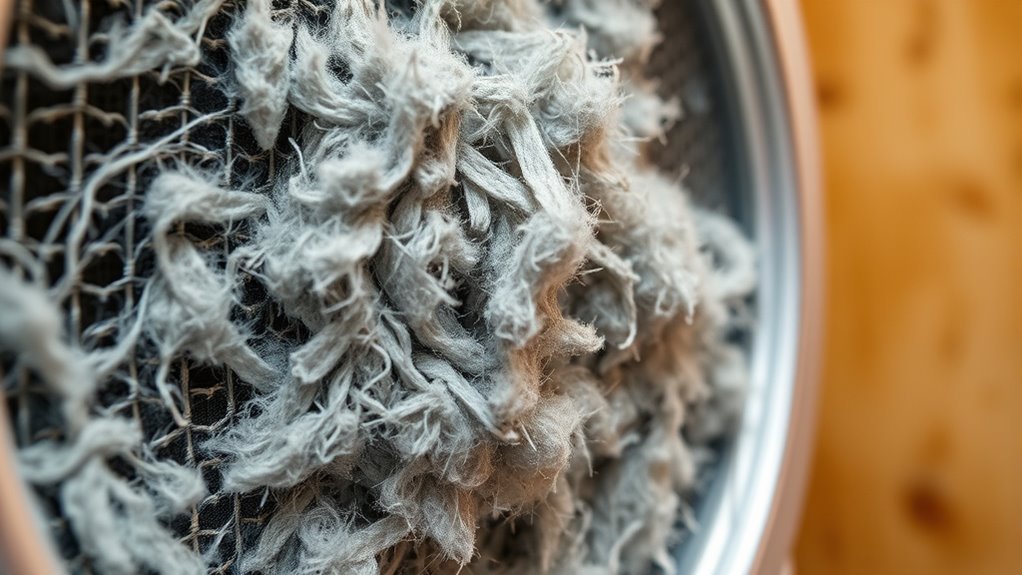
Dryer lint is a collection of fibers, dust, and small fabric particles that loosen from clothing during the drying process. It forms because, during clothes washing and drying, tiny fibers detach from fabrics and become airborne or settle inside the dryer drum. The lint composition mainly includes natural fibers like cotton, wool, and synthetic fibers such as polyester. As you run multiple loads, these particles accumulate in the lint trap and dryer vent. Over time, this buildup can become substantial, especially if the lint trap isn’t cleaned regularly. The more you wash and dry clothes, the more lint you generate. Without proper maintenance, lint can spread throughout the dryer’s components, increasing the risk of fire and decreasing appliance efficiency.
As an affiliate, we earn on qualifying purchases.
Why Is Lint Buildup a Fire Hazard?

Lint buildup is a major fire hazard because it’s highly flammable and can ignite easily if it contacts heat or sparks. This makes lint hazards a serious concern for fire prevention. When lint accumulates in your dryer, it creates a combustible layer that can quickly ignite, especially during long or high-heat cycles. Regular cleaning reduces the risk considerably. Here’s a quick look at common lint hotspots:
| Location | Risk Level | Fire Prevention Tips |
|---|---|---|
| Dryer vent duct | High | Clean and inspect monthly |
| Lint trap | Moderate | Empty after every load |
| Inside drum | Low | Wipe down regularly |
| Exhaust vent outside | Moderate | Clear obstructions |
| Behind dryer | High | Schedule professional cleaning |
Understanding these lint hazards helps you stay safe and prevent fires effectively. Additionally, maintaining proper ventilation systems can significantly reduce the risk of lint fires.
As an affiliate, we earn on qualifying purchases.
Where Does Lint Accumulate Most in Your Dryer?
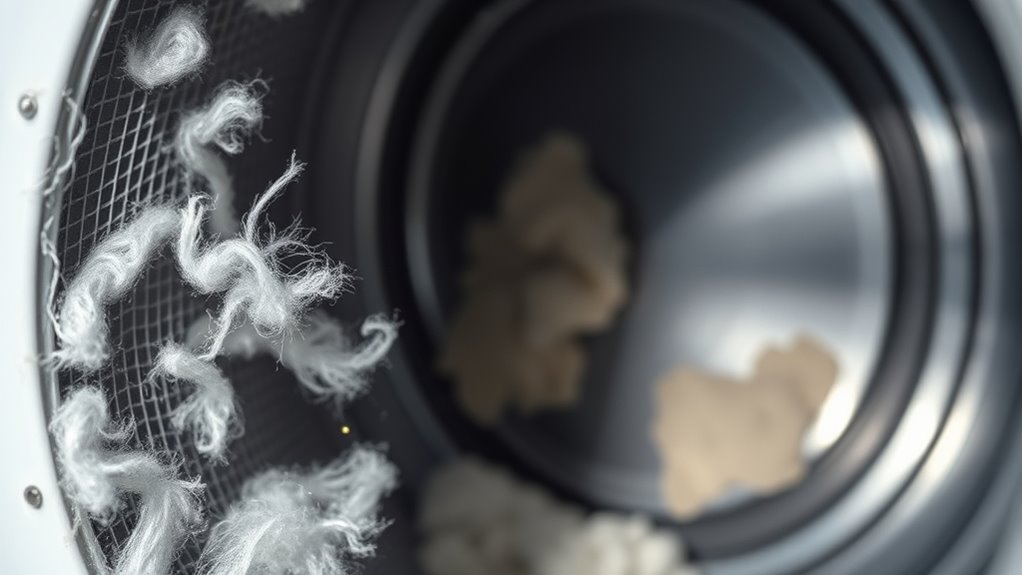
Lint mostly collects in your dryer’s trap and filter, so it’s essential to clean them regularly. It can also build up in the vent pathways, blocking airflow and increasing fire risk. Additionally, lint can gather inside the drum and blower, making maintenance even more important. Incorporating Free Floating techniques in your dryer setup can help prevent lint buildup and improve safety.
Lint Traps and Filters
Your dryer’s lint trap is the primary area where lint collects, but it’s not the only spot prone to buildup. Over time, lint can also gather in the filter housing and around the drum’s edges. If you neglect cleaning these areas, clogged filters can hinder airflow and increase fire risk. Lint accumulation in hidden spots can be harder to spot but equally dangerous. Regular maintenance of your dryer’s lint system is essential to ensure safety and efficiency. Here are the main areas to watch for lint buildup: 1. Lint trap and filter screen 2. Inside the filter housing 3. Around the drum’s edges and seals. Regularly cleaning these parts helps prevent lint buildup, reduces fire hazards, and keeps your dryer running efficiently. Don’t forget, a clean lint trap isn’t enough—inspect the entire area periodically.
Dryer Vent Pathways
While cleaning the lint trap and filter helps prevent buildup, much of the lint can still escape into the dryer’s vent pathways. Over time, lint accumulates along these pathways, especially at bends and joints where airflow slows. This buildup narrows the vent, causing airflow obstruction and reducing dryer efficiency. Regular vent cleaning is essential to remove trapped lint and maintain proper airflow. When airflow is obstructed, the dryer works harder, increasing heat and the risk of lint ignition. Lint tends to gather most around vent elbows, connections, and the long runs of ductwork. Ensuring these pathways are clear prevents dangerous buildup and promotes safer, more efficient drying cycles. Proper vent maintenance is a crucial step in reducing fire hazards linked to lint accumulation.
Inside Drum and Blower
Have you ever wondered where lint tends to hide inside your dryer? It often accumulates in places you might not see, especially inside the dryer drum and blower assembly. Lint can cling to the fabric of the drum, particularly around the edges and behind the drum where airflow slows. It also gathers in the blower assembly, where it gets caught in the fan blades and housing. To keep your dryer safe, focus on these common lint hotspots:
- Edges and back of the dryer drum
- Inside the blower assembly and fan blades
- Around the vent openings within the drum
Regular cleaning of these areas reduces fire risk and guarantees your dryer operates efficiently. Keeping lint out of the blower assembly and drum is vital for safety.
professional dryer vent cleaning service
As an affiliate, we earn on qualifying purchases.
As an affiliate, we earn on qualifying purchases.
How Can You Spot Excessive Lint and Fire Risks?

You can spot fire risks by looking for visible lint buildup around your dryer and vent. Check if the vent feels clogged or if lint is blocking airflow. Addressing these issues promptly helps reduce the risk of fire and keeps your dryer running safely. Regularly cleaning your dryer vent system can further prevent hazardous lint accumulation and improve dryer efficiency.
Visible Lint Accumulation
How can you identify if your dryer is at risk of a fire? Look for visible lint accumulation around the vent opening, on the lint trap, or inside the dryer drum. Excessive lint formation occurs from regular laundry, and lint shedding can build up quickly if not cleaned regularly. These signs indicate a higher fire risk and need prompt attention. To spot potential hazards, check for:
- Lint clinging to the lint trap or dryer interior beyond normal shedding.
- Lint buildup around the vent opening or behind the dryer.
- Visible lint dust on nearby surfaces or accumulated in the vent hose.
- Poor airflow caused by clogged vents can increase the risk of overheating and fire.
If you notice these signs, it’s a clear warning that your dryer needs cleaning to prevent fire hazards. Regular inspection keeps lint from becoming a dangerous fire risk map.
Dryer Vent Blockages
Blocked dryer vents can silently increase your fire risk, often caused by excessive lint buildup that restricts airflow. When lint accumulates in the dryer vent, it hampers proper ventilation, making your dryer work harder and increasing the chance of overheating. You might notice your clothes taking longer to dry or the dryer feeling unusually hot. Regular inspections are essential—check for visible blockages and listen for unusual noises. To prevent hazards, perform lint removal routinely and ensure the vent pathway is clear. Use a vent brush or vacuum to clear out lint buildup inside the vent pipe. Keeping your dryer vent unobstructed reduces fire risks and improves dryer efficiency, protecting your home and loved ones from potential hazards caused by blocked vents. proper ventilation is a key factor in maintaining both safety and optimal dryer performance.
How to Properly Clean and Maintain Your Dryer and Vent
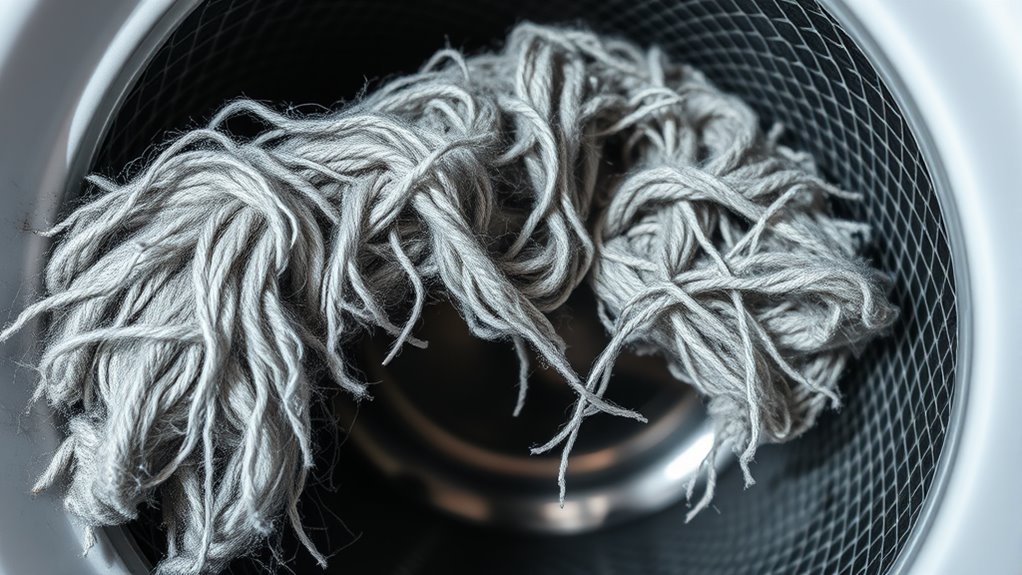
Regularly cleaning and maintaining your dryer and its vent is essential to prevent lint buildup, which can pose a serious fire hazard. Proper maintenance enhances lint prevention and improves dryer efficiency, saving energy and reducing risks. To keep your dryer in top shape:
- Clean the lint filter after every load to prevent lint accumulation.
- Inspect and clean the dryer vent and ductwork at least once a year using a vent brush or vacuum attachment.
- Check the exterior vent cap to ensure it’s clear and unobstructed, allowing proper airflow.
- Be aware that failure to properly maintain vents can also have implications for energy efficiency and safety.
How Can You Identify High-Risk Areas in Your Home?
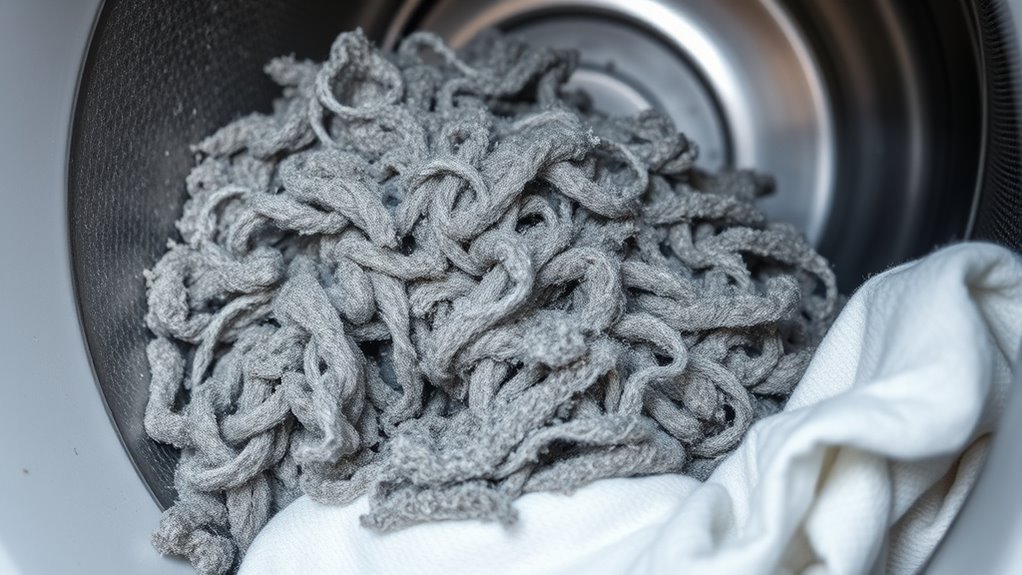
Identifying high-risk areas in your home is essential for preventing fires, especially those caused by lint buildup and electrical hazards. Start by inspecting your laundry area, ensuring vents and ductwork are clear and free of lint accumulation. Check behind appliances for lint collection around vents and electrical outlets. In the kitchen, look for overloaded outlets, frayed cords, or clutter near heat sources, which can escalate fire risks. Regularly clean lint traps and avoid blocking airflow around heating devices. Be alert to areas with poor ventilation or excessive dust, which can trap lint and increase fire danger. Practicing lint prevention and maintaining good fire safety habits helps you spot potential hazards early, reducing the likelihood of a dangerous fire in your home. European cloud servers are also instrumental in supporting fire safety systems through secure and reliable data management.
What Simple Steps Help Reduce Fire Risks From Lint?
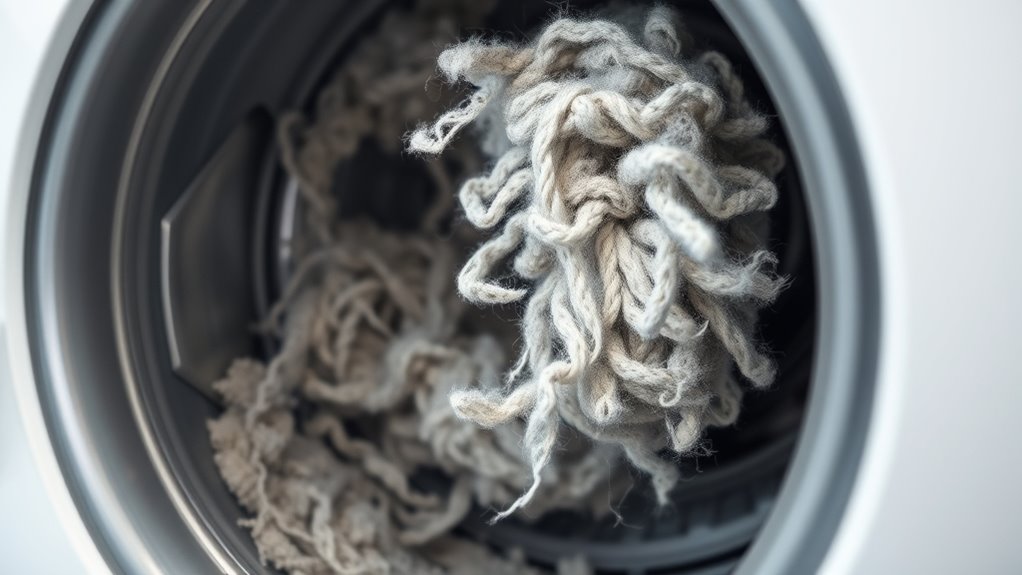
What simple steps can you take to reduce fire risks from lint? Regular dryer maintenance is key to lint prevention and keeping your home safe. Start by cleaning the lint filter after every load to prevent buildup. Next, schedule a professional dryer vent cleaning at least once a year to clear out any obstructions. Finally, inspect your dryer vent and exhaust duct for damage or blockages regularly, ensuring proper airflow. These straightforward actions reduce lint accumulation and lower fire risks. Proper maintenance not only enhances dryer efficiency but also helps prevent dangerous fires caused by lint buildup. Additionally, understanding dryer vent technology can help you select safer, more efficient appliances. By staying vigilant with these simple steps, you protect your home and loved ones from potential hazards linked to dryer lint.
When Should You Call a Professional for Dryer Safety Checks?

Knowing when to call a professional for dryer safety checks is essential to preventing fires and ensuring your appliance operates safely. If you notice persistent issues like your dryer taking longer to dry clothes or unusual noises, it’s time for a lint inspection by a professional. Regular maintenance isn’t enough if you see signs of lint buildup or suspect vent blockages. Also, if your dryer overheats or if you notice a burning smell, don’t wait—call a technician immediately. Professional dryer safety checks can identify hidden problems, such as damaged venting or electrical issues, that could lead to a fire. Incorporating dryer vent cleaning into your routine maintenance can significantly reduce fire risks and improve appliance efficiency. Prioritizing routine inspections and responding to warning signs helps keep your home safe from dryer-related fire risks.
Frequently Asked Questions
How Often Should I Schedule Professional Dryer Vent Cleaning?
You should schedule professional dryer vent cleaning and vent inspection at least once a year. Regular dryer maintenance helps prevent lint buildup, reduces fire risk, and keeps your appliance running efficiently. If you notice longer drying times, musty odors, or the dryer feels hot, consider more frequent inspections. Staying proactive guarantees your dryer operates safely, saving you money and avoiding potential hazards.
Can Using Dryer Sheets Contribute to Lint Buildup?
Using dryer sheets can contribute to lint buildup like a slow, sticky spider web, reducing your lint trap efficiency. Dryer sheet residue often clings to the lint and vent surfaces, making it harder for air to circulate and increasing fire risk. To keep your dryer safe, consider reducing or avoiding dryer sheets, and regularly clean your lint trap and vent system to prevent dangerous buildup.
Are There Specific Dryer Models With Reduced Fire Risk?
You should look for dryer models with enhanced safety features, like fire-resistant dryers, which are designed to minimize fire risks. Some brands offer models with advanced lint filtration and automatic shutoff systems that help prevent lint buildup. Prioritize dryer model safety by choosing appliances certified for reduced fire risk, and regularly maintain your dryer to ensure it operates safely, reducing the chance of dangerous fires caused by lint accumulation.
How Does Humidity Affect Lint Accumulation and Fire Hazards?
Humidity impact plays a significant role in lint accumulation and fire hazards. When humidity levels are high, lint absorbs moisture, making it heavier and less likely to become airborne or clog vents. However, moisture can also cause lint to stick together, creating thicker, more compact layers that are harder to remove and can trap heat. To minimize fire risk, guarantee your dryer vent stays dry, and regularly clean lint from filters and ducts.
What Are Early Signs My Dryer Might Be Unsafe?
Think of your dryer as a vigilant guard—if it’s overheating, making strange noises, or taking longer to dry clothes, it’s warning you. Excess lint accumulation can clog the vent, causing heat to build up dangerously. Watch for a burning smell or the dryer feeling hot to the touch. These signs point to vent blockage or other issues, so address them promptly to prevent a potential fire hazard.
Conclusion
By regularly inspecting, cleaning, and maintaining your dryer and vent, you protect your home, prevent fires, and promote safety. By staying aware of buildup, acting promptly on risks, and seeking professional help when needed, you take control of your dryer’s safety. Because prevention is key, because awareness is essential, because safety depends on your actions—make dryer maintenance a habit and keep your home secure.
Halloween Picks
halloween
As an affiliate, we earn on qualifying purchases.