![New AI Tutor Achieves 0.71-1.30 SD Effect Size In Dartmouth Course [Pdf]](https://micronomicon.com/wp-content/uploads/2026/07/new-ai-tutor-achieves-0-71-1-30-sd-effect-size-in-dartmouth-course-pdf-featured-200x110.jpg)
The one moisture mistake that creates bathroom odors is neglecting proper ventilation. When you don’t guarantee your exhaust fan works or leave windows closed, moisture from showers and daily use builds up, trapping humidity and fostering mold growth. Mold emits musty smells that are hard to remove with sprays alone. If you keep overlooking ventilation, odors will persist. Stay tuned to discover simple ways to fix this issue and keep your bathroom fresh.

Prime made for students and young adults
- Fast, free delivery for dorm and study essentials
- Prime Video and Amazon Music included
- Member-only deals
Key Takeaways
- Failing to use or repair exhaust fans allows moisture to accumulate, promoting mold growth and persistent odors.
- Leaving the bathroom door closed after showers traps humid air, increasing moisture levels.
- Not opening windows or vents prevents proper airflow, leading to stagnant, damp environments.
- Ignoring ongoing moisture issues results in mold buildup, which is a primary source of bathroom odors.
- Relying solely on air fresheners without addressing moisture issues allows odors to persist and worsen.
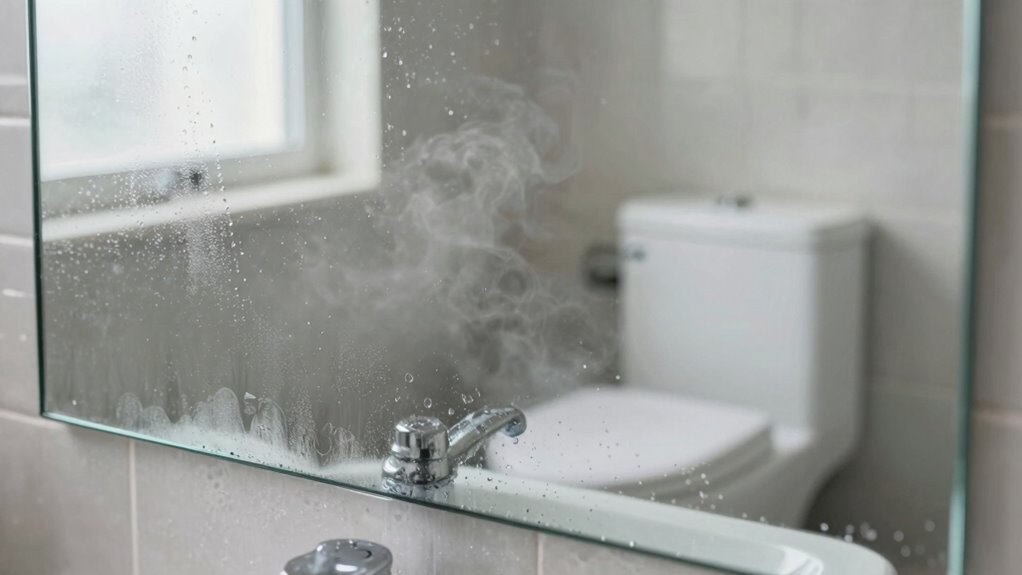
Have you ever wondered why your skin still feels dry even after applying moisturizer? The same principle applies to your bathroom’s odors. Sometimes, despite regular cleaning and freshening sprays, that persistent smell lingers. The culprit often isn’t just dirt or grime but a simple moisture mistake that fuels bad odors—failure to address ventilation issues properly. When your bathroom doesn’t have adequate airflow, moisture gets trapped, creating a humid environment that promotes mold growth and unpleasant smells.
You might notice that after a hot shower, the mirror fogs up and the air feels thick. That’s a sign your ventilation isn’t doing its job. Without proper airflow, moisture settles on surfaces and in corners, providing the perfect conditions for mold to develop. Mold isn’t just unsightly; it’s a leading cause of bathroom odors because it emits a musty, stale smell that’s hard to eliminate with sprays alone. By neglecting ventilation, you’re inadvertently setting the stage for mold prevention issues, which directly contribute to that persistent, unpleasant odor.
Addressing ventilation issues isn’t complicated, but it’s often overlooked. Check if your exhaust fan is working correctly and running during and after showers. If it’s noisy, weak, or doesn’t turn on at all, it’s time for repairs or replacement. Proper ventilation doesn’t just remove moisture; it also helps dry out surfaces quickly, reducing the chance for mold spores to settle and grow. If an exhaust fan isn’t an option, consider opening a window or installing a vent to improve air circulation. Even a small, well-placed vent can make a huge difference in controlling moisture levels. Proper ventilation is a key factor in preventing mold growth and managing bathroom odors effectively. Additionally, understanding indoor air quality can help you adopt better practices for overall bathroom health. Ensuring that your bathroom has good air circulation is essential to prevent moisture buildup and keep odors at bay.
Failing to manage moisture effectively means mold can take hold, and mold is a major contributor to bathroom odors. It releases volatile compounds that fill the air with a damp, stale smell. Even with frequent cleaning, if moisture isn’t properly ventilated, the mold can keep coming back, making odors persistent. So, the key to odor control isn’t just cleaning more often or using air fresheners—it’s ensuring that your bathroom’s ventilation system is working efficiently to prevent mold buildup. Proper ventilation is essential for maintaining a healthy bathroom environment and avoiding ongoing odor issues.
bathroom exhaust fan replacement
As an affiliate, we earn on qualifying purchases.
As an affiliate, we earn on qualifying purchases.
Frequently Asked Questions
How Often Should I Replace My Bathroom’s Moisture Barrier?
You should replace your bathroom’s moisture barrier every 5 to 10 years, depending on wear and tear. Regularly check for signs like peeling or mold, which indicate deterioration. Good air circulation helps maintain lower humidity levels, preventing moisture buildup that can weaken the barrier. By replacing it when needed and keeping humidity in check, you’ll prevent bathroom odors and protect your space from water damage.
Can Using Certain Cleaning Products Worsen Bathroom Odors?
In a flash of old-fashioned wisdom, you know certain cleaning products can worsen bathroom odors. When your cleaning routines rely on harsh chemicals, they may break down odor absorption barriers, making smells worse. Opt for mild, natural cleaners to maintain fresh air. Using the right products guarantees odors don’t linger, and your bathroom stays smelling clean. Avoid strong chemicals that can inadvertently trap smells, turning a simple cleaning task into a lingering issue.
Are There Specific Materials That Prevent Moisture Buildup?
Yes, you can prevent moisture buildup by using moisture-resistant tiles and humidity-absorbing curtains. Moisture-resistant tiles, like ceramic or porcelain, block water penetration and reduce dampness. Humidity-absorbing curtains, made from breathable fabrics, help control moisture levels and prevent mold. By choosing these materials, you create a barrier against excess moisture, keeping your bathroom fresh and odor-free. Regular ventilation also complements these solutions effectively.
How Does Ventilation Affect Bathroom Odor Control?
Ventilation directly impacts bathroom odor control by improving air circulation and managing humidity levels. When you guarantee proper airflow with exhaust fans or open windows, it helps remove moist, odor-causing air faster. Keeping humidity low prevents mold and mildew, which are often linked to bad smells. Regularly ventilating your bathroom is a simple yet effective way to keep odors at bay and maintain a fresh, clean environment.
What Are the Signs of Hidden Mold Caused by Moisture?
Spot mold signs swiftly! If you notice musty smells, discolored walls, or peeling paint, hidden mold might be lurking. Look for signs of mold growth around grout, caulk, or beneath sinks, especially where hidden leaks occur. Moisture attracts mold, so persistent dampness, water stains, or a slimy texture are key indicators. Address these issues promptly to prevent mold from spreading and damaging your space further.
As an affiliate, we earn on qualifying purchases.
Conclusion
So, next time you notice a lingering bathroom odor, remember it might just be that one overlooked moisture mistake. Sometimes, a simple check or quick fix can turn everything around—like that forgotten towel or damp corner. It’s funny how small things, if left unchecked, can cause big frustrations. But now, with this knowledge, you’re equipped to prevent those odors before they start, making your bathroom fresh and welcoming—proof that sometimes, the tiniest change makes the biggest difference.
As an affiliate, we earn on qualifying purchases.
As an affiliate, we earn on qualifying purchases.
Halloween Picks
halloween
As an affiliate, we earn on qualifying purchases.