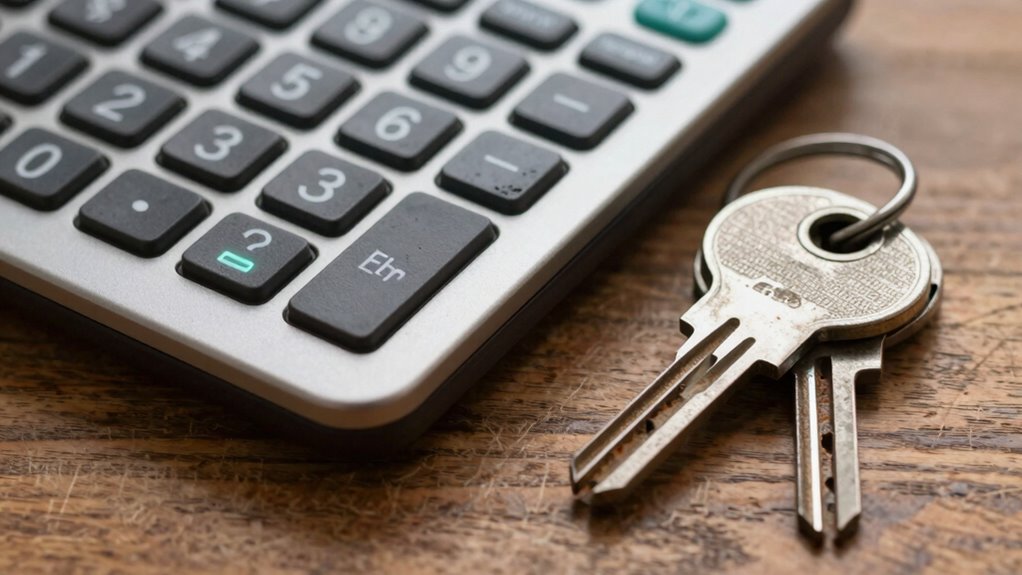

When comparing keypads and keys, many overlook critical failure modes. Mechanical keys can break, corrode, or become unusable over time, especially under harsh conditions. Electronic keypads depend on power and software, risking outages from dead batteries or glitches that lock you out unexpectedly. Even biometric systems can fail due to environmental factors or sensor issues. Understanding these hidden risks helps you prepare for unexpected lockouts—stick with us to uncover more overlooked vulnerabilities.

Prime made for students and young adults
- Fast, free delivery for dorm and study essentials
- Prime Video and Amazon Music included
- Member-only deals
Key Takeaways
- Mechanical keys are vulnerable to physical damage, corrosion, and breakage, often overlooked in failure planning.
- Electronic keypads can fail due to power outages, battery depletion, or circuit faults, which may be underestimated.
- Biometric systems face sensor malfunctions and environmental interference, risks often neglected in maintenance strategies.
- Backup methods like emergency keys or power sources are essential but frequently not incorporated into failure preparedness.
- Sudden environmental factors or surges can incapacitate both systems unexpectedly, highlighting overlooked vulnerabilities.
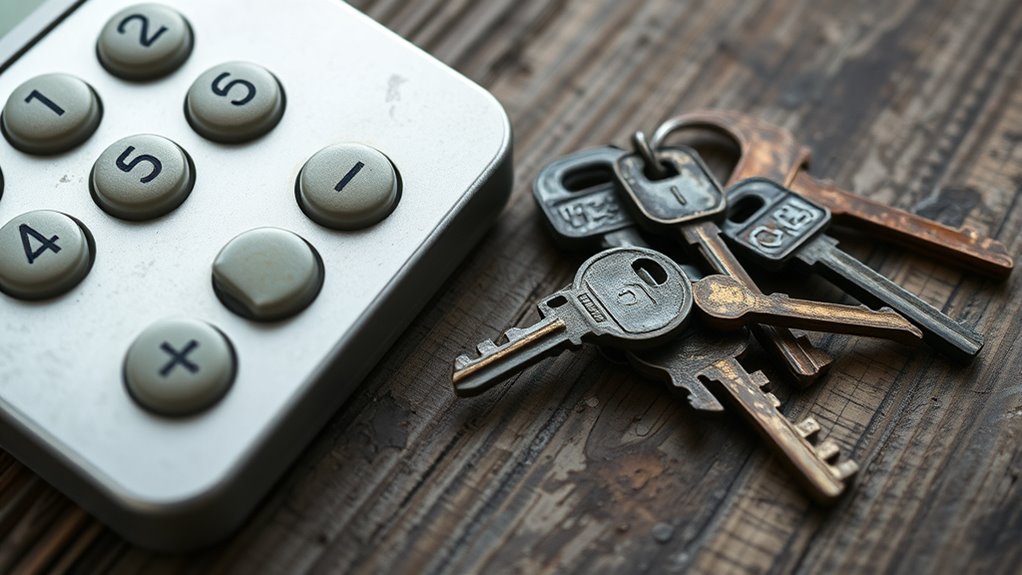
Have you ever wondered whether keypads or traditional keys are the better choice for securing your property? It’s a question many overlook until a failure occurs. When weighing your options, consider not just convenience but also how each system handles potential breakdowns. Keypads, especially those integrated with biometric security, offer a modern approach that can be more resilient in certain scenarios. Unlike mechanical keys, which rely on physical components that can wear out or break, electronic keypads are designed with digital circuits that, if properly maintained, can be more resistant to physical damage. That said, they aren’t invincible; their failure modes often stem from power issues, software glitches, or environmental factors like extreme weather. Biometric security adds an extra layer of protection, allowing you to access doors using fingerprint or facial recognition, which reduces the risk of lost or stolen keys. However, biometric systems can encounter their own failure modes, such as sensor malfunctions or false rejections, especially if they aren’t regularly calibrated or exposed to dirt and moisture. Mechanical durability is a critical factor here—while keys are simple and robust, they can corrode, bend, or break over time, especially with frequent use or harsh conditions. When a mechanical key fails, you’re left with a lockout or costly rekeying. Electronic keypads, on the other hand, generally don’t face such physical wear, but their electronic components can fail due to power surges, battery exhaustion, or internal circuit faults. That’s why backup systems are crucial; a keypad that relies solely on battery power can leave you stranded if the batteries die unexpectedly. Some advanced systems incorporate backup keys or emergency power options to mitigate this risk. Additionally, understanding the thermal behavior of electronic components can help in selecting more reliable security systems. Ultimately, understanding the failure modes of both options helps you make a smarter choice. Mechanical keys are simple but vulnerable to physical damage, while electronic keypads with biometric security provide convenience and advanced protection but depend heavily on power and proper maintenance. No system is perfect, and each has its vulnerabilities that you should plan for. If you prefer minimal maintenance and higher durability in the face of physical wear, traditional keys might suit you better. But if you want a more sophisticated, tamper-resistant solution that reduces the risk of lost keys, a biometric keypad could be the smarter investment—just guarantee you account for its potential electronic failures. Knowing these failure modes empowers you to build a more resilient security setup, so you’re prepared for the unexpected, regardless of which system you choose.
electronic keypad backup power supply
As an affiliate, we earn on qualifying purchases.
As an affiliate, we earn on qualifying purchases.
Frequently Asked Questions
How Do Environmental Factors Affect Keypad and Key Longevity?
Environmental factors like weather corrosion and temperature effects markedly impact the longevity of keypads and keys. Exposure to moisture and humidity can cause corrosion, leading to malfunction or failure. Extreme temperatures, whether hot or cold, can weaken materials and affect electronic components, reducing their lifespan. You should consider weather-resistant designs and proper sealing to protect your devices, ensuring they operate reliably under varying environmental conditions.
Can User Behavior Influence Failure Modes in Keypads and Keys?
Think of your keypad or keys as a garden path—your user interaction shapes their future. If you frequently press the same keys or rush through usage, you accelerate wear and tear, increasing failure risk. Mindful usage and varied interaction distribute stress evenly, extending their lifespan. So, your behavior directly influences failure modes, making conscious use essential for maintaining performance and avoiding premature breakdowns.
What Are the Cost Implications of Replacing Failed Keypads Versus Keys?
Replacing a failed keypad usually costs more than replacing a key, primarily due to higher replacement costs and complex installation. You may also face warranty implications, as some warranties cover only specific parts, making keypad replacements more expensive if out of warranty. Consider these cost factors when planning maintenance, and decide whether investing in more durable options could reduce long-term expenses and minimize downtime.
Are There Differences in Failure Rates Between Mechanical and Electronic Keypads?
Mechanical keypads generally have a higher durability comparison, making them less prone to failure from frequent use. Electronic keypads, however, tend to have more failure modes due to manufacturing defects or electronic component wear over time. You might experience fewer failures with mechanical keypads, but electronic ones offer more flexibility. Regular maintenance can help extend their lifespan, reducing overall failure rates regardless of type.
How Do Maintenance Routines Impact the Lifespan of Keypads and Keys?
Your maintenance routines, including regular cleaning protocols and adherence to maintenance schedules, directly influence the lifespan of keypads and keys. By keeping surfaces free of dirt and debris, you prevent wear and malfunction. Scheduled inspections help identify issues early, allowing you to address potential failures before they worsen. Consistent maintenance ensures your keypads and keys stay functional longer, reducing replacement costs and downtime.
As an affiliate, we earn on qualifying purchases.
Conclusion
So, next time you choose between keypads and keys, remember that neither is invincible. You might find yourself in a jam, like trying to dial a rotary phone in a world of smartphones. Planning for unexpected failures keeps you ahead of the game. Don’t let a simple slip-up turn into a disaster. After all, whether you’re opening a treasure chest or a secret lab, it’s better to be prepared than to be left scratching your head in the dark.
mechanical key lock with corrosion resistance
As an affiliate, we earn on qualifying purchases.
As an affiliate, we earn on qualifying purchases.
As an affiliate, we earn on qualifying purchases.
Fall Picks
fall essentials
As an affiliate, we earn on qualifying purchases.