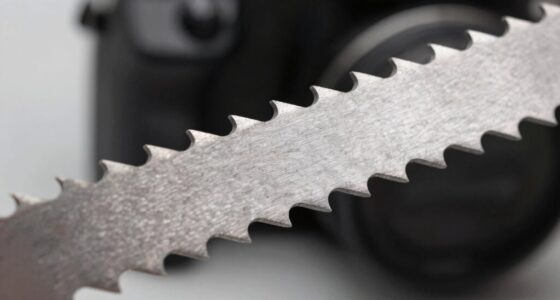
To prevent most bad cuts, make a habit of properly setting up your tools before starting each project. Make certain blades are sharp, correctly installed, and suited for the task. Keep your workspace clean, well-lit, and organized to improve control and safety. Position your workpieces at a comfortable height to maintain precision and reduce fatigue. If you follow these setup steps consistently, you’ll create a safer, more accurate work environment—continue to discover even more helpful tips.
Key Takeaways
- Always set up tools with sharp, properly installed blades for cleaner, safer cuts.
- Organize tools securely and in an accessible manner to prevent accidental slips.
- Ensure the workspace is clean, well-lit, and free of clutter for better control.
- Adjust workpiece and tool positioning to maintain ergonomic comfort and precision.
- Regularly inspect and maintain tools to prevent malfunctions that cause bad cuts.
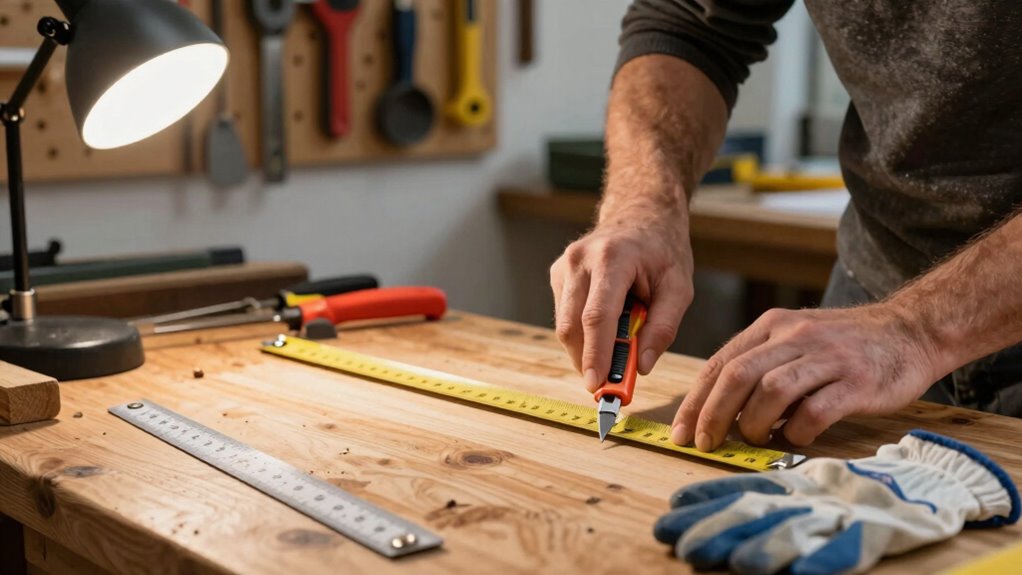
Developing the habit of setting up your tools efficiently can considerably boost your productivity and reduce frustration. When you prioritize proper tool arrangement before starting any cut, you’re less likely to make mistakes that lead to injuries or damaged workpieces. One of the most overlooked aspects of safe and precise cutting is guaranteeing that your workspace and tools follow basic safety precautions. Always double-check that your blades are sharp and properly installed. Dull blades require more force and tend to slip, increasing the risk of bad cuts or accidents. Keep your workspace clean and free of clutter, so you maintain control and focus during each cut. Proper lighting is essential, too—good visibility helps you see exactly where you’re cutting and reduces the chance of slips.
Equally important is maintaining ergonomic positioning while setting up your tools. Position your workpiece and tools at a comfortable height, so you don’t strain your body or lose control. When you bend or stretch awkwardly, your precision diminishes, and your risk of injury increases. Take the time to adjust your work surface or your stance to assure your back is straight, your elbows are close to your body, and your wrists are in a neutral position. This minimizes fatigue and enhances your control over the tool, making each cut cleaner and safer. Proper ergonomic positioning also helps you stay alert and focused, preventing accidents caused by tiredness or discomfort. Additionally, ensuring your tools are stored in a safe and organized manner can prevent accidental injuries when not in use. Regularly inspecting your tools and workspace for potential hazards supports a safer working environment and reduces the likelihood of mistakes. Incorporating proper safety procedures into your routine can further help you avoid common pitfalls and maintain a secure workspace.
As an affiliate, we earn on qualifying purchases.
Frequently Asked Questions
How Often Should I Check My Tools for Safety?
You should check your tools for safety before each use, ensuring proper tool calibration and that safety inspections are up to date. Regularly inspecting tools helps catch any damage or wear that could lead to accidents. For power tools, do a quick safety inspection daily, and perform more thorough safety inspections weekly. Staying vigilant and maintaining your tools keeps you safe, prevents bad cuts, and extends their lifespan.
What Tools Are Essential for Beginners?
Think of tool selection as choosing your trusted team; you need the essentials to succeed safely. For beginners, start with a hammer, screwdrivers, a handsaw, and a measuring tape. Always wear safety gear like goggles and gloves to protect yourself. These basic tools form your foundation, helping you learn proper techniques while keeping accidents at bay. With the right tools and safety gear, you build confidence and craftsmanship alike.
How Do I Clean and Maintain My Tools Properly?
To clean and maintain your tools properly, always store them in a designated tool storage area to prevent damage. After use, wipe blades and surfaces with a damp cloth to remove debris, then dry thoroughly. Regularly inspect and sharpen blades for safety and efficiency. Always wear protective gear during maintenance to avoid injuries. Proper storage and consistent upkeep prolong your tools’ lifespan and ensure safe, effective work every time.
Can Incorrect Tool Setup Cause Injuries?
Incorrect tool setup can definitely cause injuries. When tools aren’t properly adjusted or secured, you risk slips, cuts, or even more serious accidents. That’s why safety training is essential—you learn how to set up tools correctly and use protective gear to stay safe. Always double-check your tool setup before starting, and wear the right protective gear, so you minimize injury risks and work confidently.
What Are Signs of a Dull or Damaged Tool?
You might think dull or damaged tools aren’t a big deal, but they compromise safety and tool longevity. Signs include difficulty cutting, increased force needed, or rough, uneven edges. You may also notice sparks or unusual vibrations. Always perform a safety inspection before use, and if you see any of these signs, sharpen or repair the tool promptly. Proper maintenance guarantees safe work and extends your tools’ lifespan.
As an affiliate, we earn on qualifying purchases.
Conclusion
By developing the habit of properly setting up your tools before each cut, you substantially reduce the risk of mistakes and injuries. Studies show that properly prepared tools decrease errors by up to 40%, highlighting the importance of this simple routine. Remember, a quick check can prevent costly mistakes and ensure safer, more precise work. Make tool setup a non-negotiable part of your process—you’ll save time, money, and frustration in the long run.
As an affiliate, we earn on qualifying purchases.
As an affiliate, we earn on qualifying purchases.