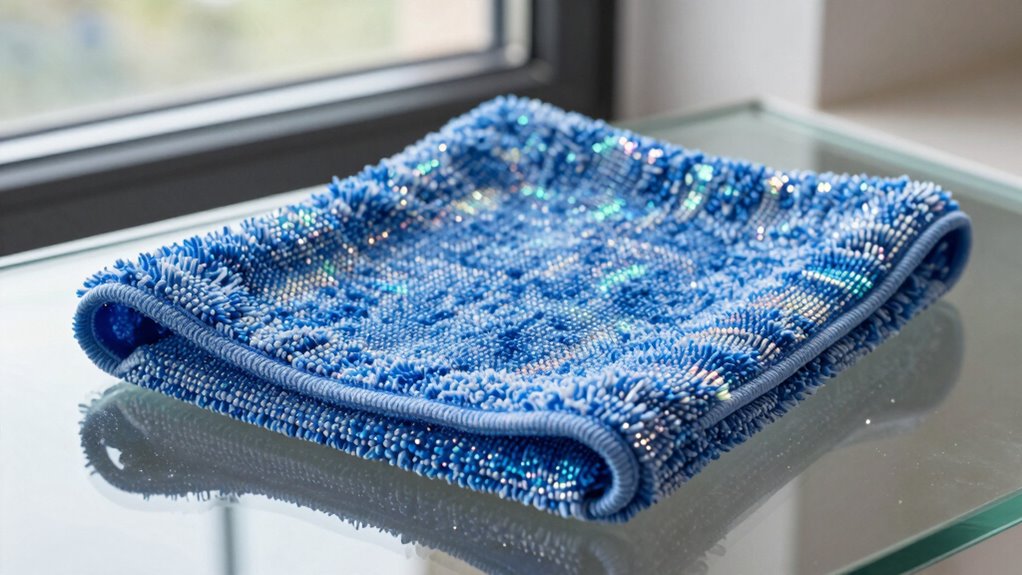
Microfiber is often misunderstood, but it’s a powerful cleaning tool when used correctly. Its ultra-fine fibers trap dirt, dust, and allergens effectively, often reducing the need for harsh chemicals. Microfiber’s electrostatic properties help attract particles, while proper care extends its lifespan. Although some myths suggest it harms surfaces or pollutes the environment, the truth is more nuanced. Keep exploring to discover how microfiber truly performs and its impact on your cleaning routine.

Prime made for students and young adults
- Fast, free delivery for dorm and study essentials
- Prime Video and Amazon Music included
- Member-only deals
Key Takeaways
- Microfiber creates ultra-fine fibers that trap dirt, dust, and bacteria more effectively than traditional cleaning cloths.
- Its electrostatic properties attract and hold onto allergens, dust mites, and tiny particles, improving indoor air quality.
- Microfiber is durable and reusable when properly maintained, but it can shed microplastics into waterways during washing.
- It may scratch soft or delicate surfaces if used improperly, and harsh chemicals can damage fibers and surfaces.
- Despite its cleaning efficiency, microfiber’s environmental impact includes plastic pollution, prompting the need for sustainable practices.
Top picks for "microfiber myth actually"
As an affiliate, we earn on qualifying purchases.
The Cleaning Power of Microfiber: Fact or Fiction
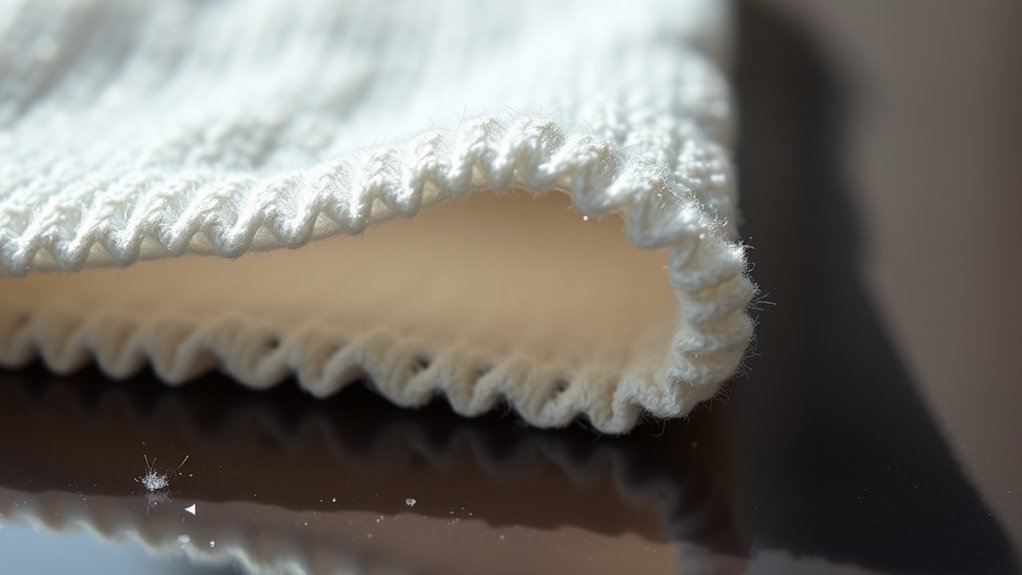
Many people believe microfiber is the best cleaning tool available, but is its reputation justified? The answer lies in microfiber manufacturing, which involves creating fibers that are much finer than human hair, similar to fiber optic strands. These tiny fibers form a dense, woven structure that can trap dirt, dust, and bacteria effectively. Unlike traditional cleaning cloths, microfiber can clean with just water, reducing the need for chemicals. Its unique design allows it to lift and hold particles on its surface. But remember, the cleaning power depends on proper use and quality. Not all microfiber cloths are equal, so understanding how microfiber manufacturing shapes these fibers helps you choose the most effective cleaning tools. Overall, microfiber’s structure truly enhances its cleaning capabilities. microfiber manufacturing plays a crucial role in determining the fiber quality and the cloth’s overall effectiveness. Additionally, the fiber structure created during manufacturing directly impacts the durability and reusability of microfiber cloths, making them a sustainable cleaning option. The specific fiber properties achieved through manufacturing influence how well microfiber traps dirt and withstands repeated washings, ensuring long-term performance. Furthermore, fiber composition affects the cloth’s ability to effectively remove allergens and microbes, enhancing its cleaning versatility. Advances in microfiber technology have also led to the development of specialized cloths for different cleaning tasks, further improving their effectiveness.
Microfiber and Dirt Trapping: How Does It Work?
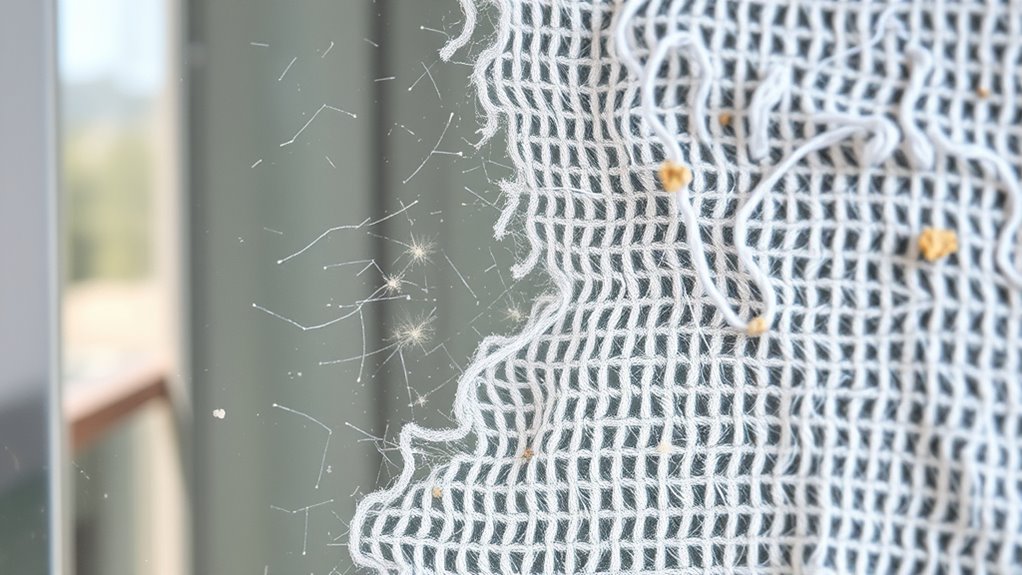
Microfiber traps dirt and dust through its densely woven, ultra-fine fibers that create a large surface area. This extensive surface allows for effective dirt trapping, as particles adhere more easily to the fibers. Microfiber electrostatics play a key role here; when you wipe, the fibers generate static charges that attract and hold onto dust, dirt, and allergens. Unlike traditional cleaning cloths, microfiber’s electrostatic properties enhance dirt removal without the need for harsh chemicals. The fine fibers can reach into tiny crevices, lifting stubborn dirt particles from surfaces. This combination of physical structure and electrostatic attraction makes microfiber highly efficient at trapping dirt, ensuring a thorough clean while reducing the need for excessive wiping or chemical cleaners. Additionally, advancements in AI-powered virtual reality in e-learning are helping develop smarter cleaning tools that optimize microfiber usage for better performance. Understanding fiber structure and electrostatic behavior is crucial for maximizing microfiber’s cleaning efficiency. For example, fiber density influences how much dirt can be held, and recent developments in fiber manufacturing have led to even denser microfibers that are more effective. Moreover, fiber durability ensures that microfiber cloths maintain their trapping ability over many uses, further enhancing their cleaning performance.
Is Microfiber Eco-Friendly? Debunking Environmental Myths
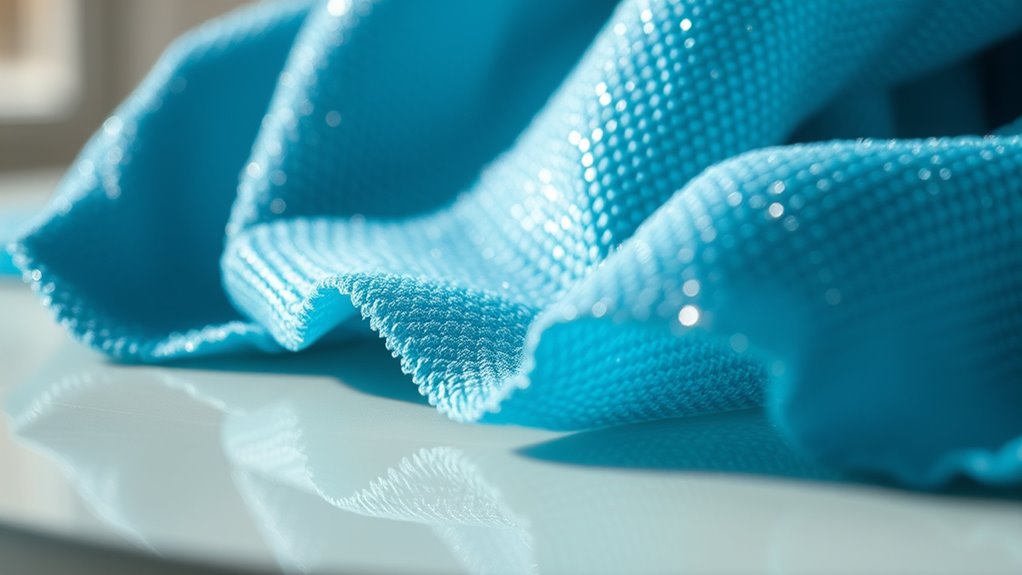
Many believe microfiber is eco-friendly because it’s durable and reusable, but it also sheds tiny fibers into waterways. These microfibers contribute to pollution and affect marine life, raising environmental concerns. Exploring sustainable alternatives can help you reduce microfiber pollution and protect the environment. Additionally, choosing air purifiers that utilize HEPA filters can help improve indoor air quality and reduce the need for synthetic textiles altogether. Recognizing the importance of microfiber shedding highlights the need for better filtration and waste management solutions to minimize environmental impact. Implementing proper filter maintenance can further reduce microfiber release during washing and usage.
Microfiber and Pollution
Although microfiber textiles are often praised for their durability and convenience, their environmental impact is more complex than it appears. Microfiber manufacturing involves processes that can release tiny plastic particles into waterways, contributing to microplastic pollution. When you wash microfiber clothes, these microfibers shed and enter oceans and rivers, harming marine life. While microfiber recycling offers a way to reduce waste, it’s not yet widespread or fully effective in capturing all fibers. This ongoing shedding means that even eco-friendly recycling efforts can’t completely eliminate microfiber pollution. You might think microfiber is a sustainable choice, but the pollution caused during production and laundry shows that its environmental footprint is still significant. Additionally, advancements in sustainable textile production aim to reduce microfiber shedding and pollution at the source. Raising awareness about microplastic pollution is essential to making informed choices.
Sustainable Alternatives Explored
Is microfiber truly the eco-friendly choice it’s often made out to be? While it’s promoted as a sustainable alternative, the reality is more complex. Recycling programs are emerging to reduce microfiber waste, but they’re not yet widespread or fully effective. Many manufacturing processes rely on fossil fuels, contributing to environmental harm even before the fibers reach consumers. Some brands are exploring biodegradable fibers, but these solutions are still in development and not yet mainstream. To genuinely minimize environmental impact, you should look beyond marketing claims and consider how microfiber products are produced and disposed of. Supporting brands that utilize eco-conscious manufacturing processes and participate in effective recycling programs can help you make more sustainable choices. Additionally, understanding the Free Floating nature of microfiber pollution can shed light on how tiny fibers spread effortlessly through ecosystems and watersheds, emphasizing the importance of mindful consumption. Recognizing the environmental footprint of microfiber production can motivate more responsible choices and reduce overall ecological harm.
Durability and Longevity of Microfiber Products
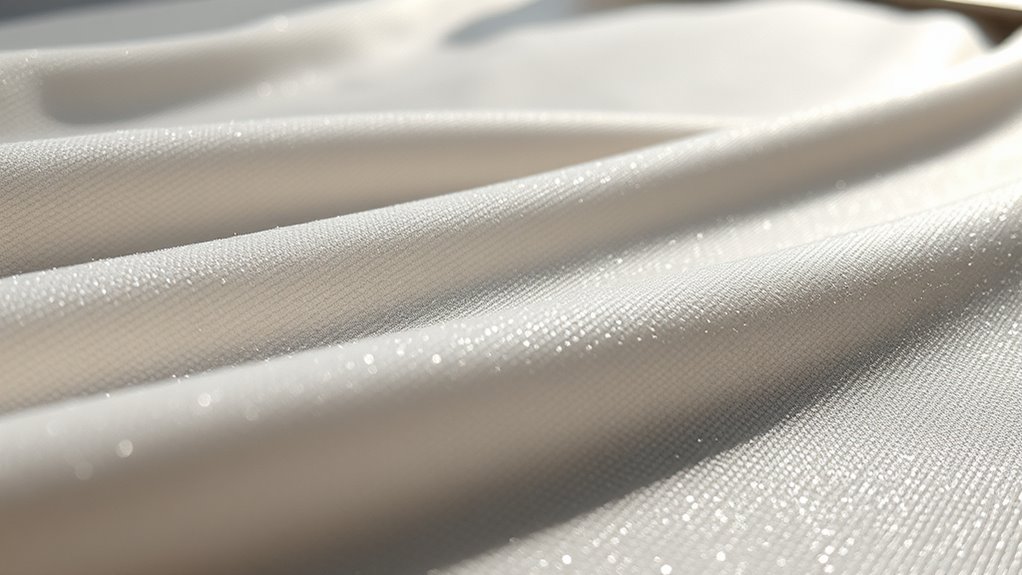
Microfiber products are often praised for their durability, but understanding their true longevity depends on proper care and usage. When maintained correctly, microfiber can retain its fabric softness and color retention over many washes. To maximize lifespan, avoid harsh detergents and high heat, which can degrade fibers. Proper washing and drying help prevent pilling and fading, ensuring your microfiber stays looking new longer. Additionally, understanding the thermal behavior of microfiber during cleaning can help prevent accidental damage, especially since improper handling can lead to fiber degradation. Being aware of the smart cleaning tips can further extend the life of microfiber products. Regularly inspecting and replacing worn cleaning cloths also preserves their performance and effectiveness. Moreover, understanding care instructions for microfiber can significantly influence its durability over time.
Microfiber and Water Usage: Does It Save or Waste Water?
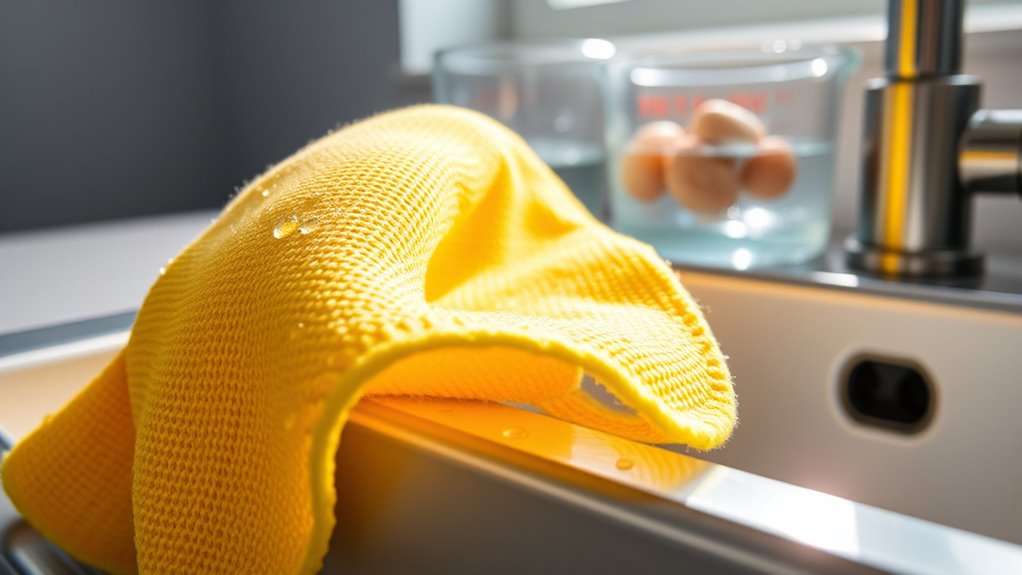
When considering water usage, microfiber cleaning tools often appear to be more efficient than traditional methods, but the truth depends on how you use them. Microfiber can contribute to water conservation if you use less water per cleaning session, reducing overall waste. However, if you rely heavily on rinsing or frequent washing, it may negate those savings. To maximize resource efficiency, consider these factors:
- Using damp microfiber cloths instead of soaking surfaces with water
- Washing microfibers in full loads to minimize water and energy waste
- Opting for dry dusting before damp cleaning to reduce water use
Additionally, understanding the proper maintenance practices for microfiber tools can help extend their lifespan and ensure continued efficiency. Properly used, microfiber can help you save water and promote sustainable cleaning practices without sacrificing effectiveness. It’s about mindful use that balances cleanliness with resource efficiency.
Are Microfiber Cloths Safe for All Surfaces?
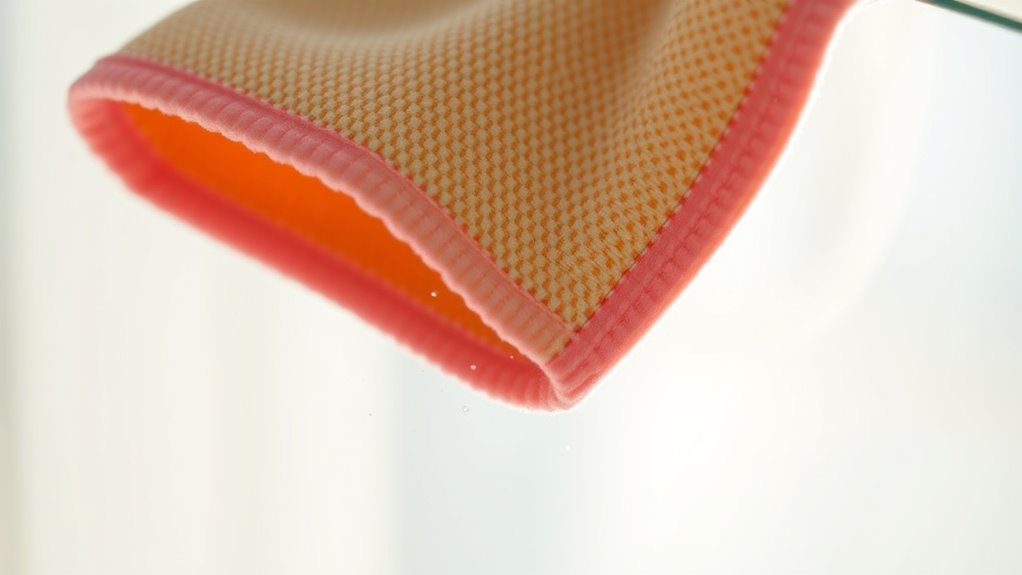
Microfiber cloths are versatile, but you should consider surface compatibility before using them. Some surfaces may be scratched or damaged if the cloth isn’t suitable or if you use too much pressure. Knowing the best cleaning practices helps make certain you safeguard your surfaces while cleaning effectively.
Surface Compatibility Considerations
Although microfiber cloths are known for their gentle cleaning power, it’s important to contemplate whether they’re suitable for every surface. Different materials react uniquely to microfiber, affecting surface reactions and material compatibility. Some surfaces, like delicate screens or untreated wood, may be more sensitive to microfiber fibers or cleaning residues. To ensure safe use, consider these factors:
- The type of finish or coating on the surface
- The presence of abrasive particles that could scratch
- Compatibility with cleaning solutions used alongside microfiber
Understanding these aspects helps prevent unintended damage. Always test a small, inconspicuous area first, especially on sensitive surfaces. Recognizing surface reactions and material compatibility ensures microfiber cloths work effectively without causing harm.
Potential Surface Damage
While microfiber cloths are generally gentle, they can still cause damage if used improperly on certain surfaces. Surfaces with abrasive textures, like rough stone or unpolished wood, can be scratched by the tiny fibers if you press too hard. Additionally, microfiber cloths may trigger unwanted chemical reactions if they come into contact with harsh cleaning agents, especially those containing bleach or strong acids. These reactions can discolor or weaken delicate surfaces like polished metals or painted finishes. Always test on an inconspicuous area first, and avoid using microfiber on surfaces prone to scratching or reacting unfavorably to cleaning chemicals. Proper usage guarantees microfiber cloths help, rather than harm, your surfaces.
Best Cleaning Practices
To guarantee microfiber cloths are safe for all surfaces, you need to follow proper cleaning techniques and avoid common pitfalls. Always use a gentle approach to prevent microfibers from releasing allergens or chemicals that could harm delicate surfaces. Rinsing cloths thoroughly between uses helps remove microfiber allergens and residual microfiber chemicals. Avoid harsh cleaners or fabric softeners, which can damage microfiber fibers and reduce their effectiveness. Additionally, wash microfiber cloths at appropriate temperatures to prevent buildup of allergens and chemicals.
- Use distilled water or mild detergents to minimize microfiber allergens and chemicals buildup
- Avoid abrasive scrubbing that can damage microfiber fibers and surface finishes
- Regularly replace worn or heavily soiled cloths to maintain safety and effectiveness
The Effectiveness of Microfiber in Different Cleaning Scenarios
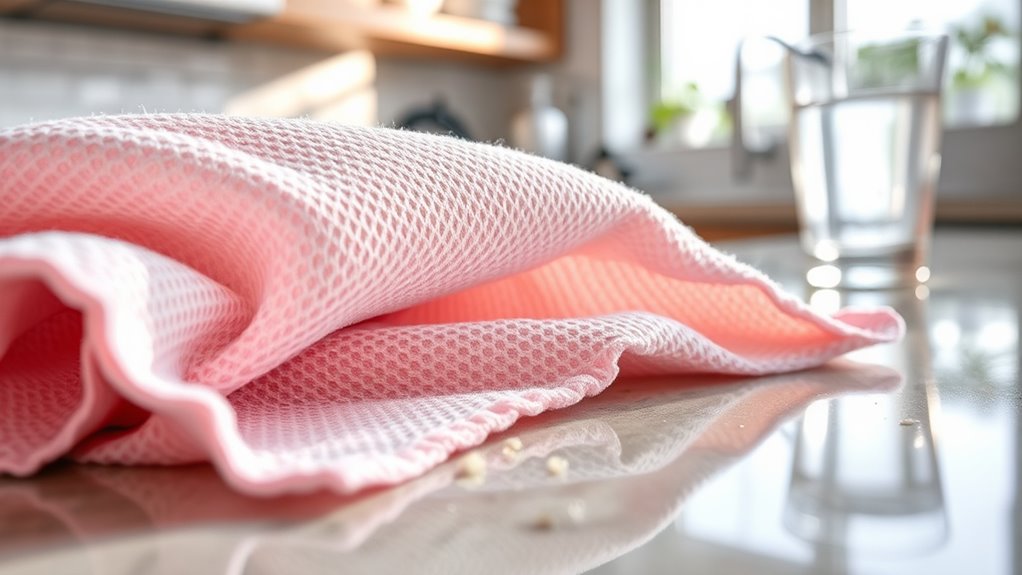
Microfiber is widely praised for its versatility across various cleaning tasks, but its effectiveness can vary depending on the scenario. For delicate surfaces, microfiber excels with minimal abrasive cleaning needed, reducing damage. However, in heavy-duty tasks like stubborn grime removal, microfiber might require additional scrubbing or chemical reliance. Consider this table:
| Surface Type | Microfiber Effectiveness | Recommended Approach |
|---|---|---|
| Glass | Highly effective | Wipe gently for streak-free finish |
| Kitchen Countertops | Good, but may need scrubbing | Combine with mild cleaners |
| Bathroom Tiles | Effective, requires pressure | Use with cleaning solutions |
| Oven Grates | Less effective, abrasive cleaning needed | Use stronger cleaners or tools |
In some cases, microfiber minimizes reliance on harsh chemicals, but for tough grime, combining both yields better results.
Misconceptions About Microfiber and Allergens
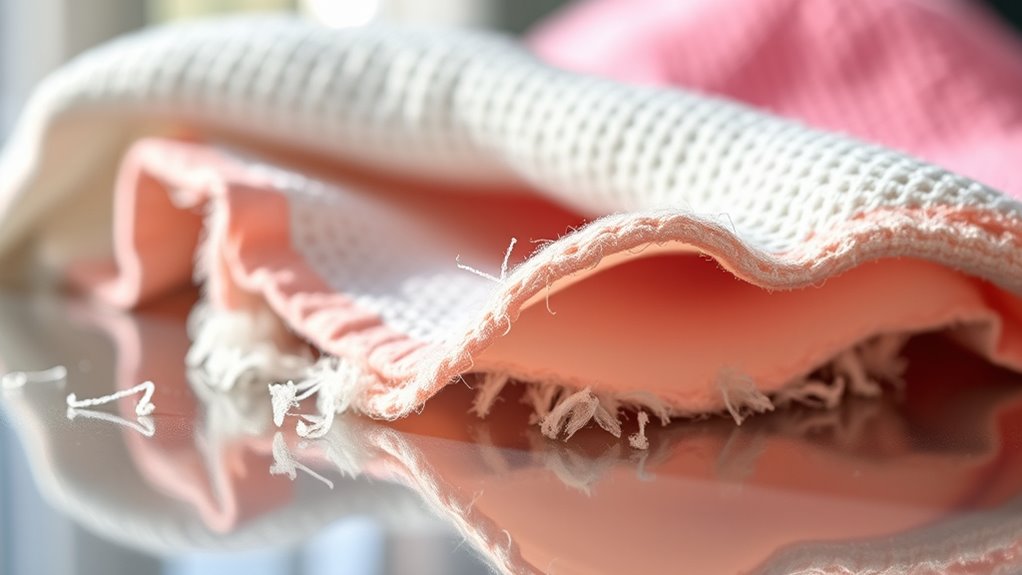
Many people assume microfiber itself is a major source of allergens, but this isn’t entirely accurate. Microfiber is actually effective for allergen reduction, especially when it comes to dust mites. Its fine fibers trap particles like pet dander, pollen, and dust mites, preventing them from becoming airborne. However, some misconceptions persist, such as believing microfiber fabrics harbor allergens themselves or worsen allergy symptoms. In reality, properly cleaned microfiber surfaces can help reduce allergens in your environment. Keep in mind that regular washing and maintenance are essential for ideal allergen control. Here are some key points to consider:
- Microfiber’s dense fibers trap dust mites and allergens effectively.
- Proper cleaning prevents microfiber from becoming a source of allergens.
- Microfiber cleaning tools assist in allergen reduction, improving indoor air quality.
Frequently Asked Questions
Can Microfiber Damage Delicate or Sensitive Surfaces?
Microfiber can damage delicate or sensitive surfaces if you’re not careful. It might cause surface scratches if used with excessive pressure or rough handling. Additionally, microfiber can sometimes lead to chemical reactions if cleaning solutions aren’t suitable for the surface. To prevent damage, test a small area first, use gentle motions, and choose appropriate cleaning products. This way, you protect your surfaces from scratches and unwanted chemical reactions.
How Should Microfiber Cleaning Cloths Be Properly Maintained?
You should wash microfiber cloths in warm or cold water, avoiding high washing temperatures that can damage fibers. Skip fabric softeners, as they leave residues that reduce cleaning effectiveness. Use a gentle cycle and dry air or low heat to maintain softness and absorbency. Regularly clean your cloths to prevent buildup and guarantee peak performance. Proper maintenance keeps your microfiber cloths effective and long-lasting for all your cleaning needs.
Do Microfiber Products Contain Harmful Chemicals or Dyes?
Microfiber products generally don’t contain harmful chemicals or dyes if you choose high-quality, certified items. They’re designed with chemical safety in mind, reducing the need for harsh cleaners. However, dye concerns can arise with cheaper options that may use dyes that fade or cause allergies. To stay safe, opt for microfiber cloths labeled as free from dyes and chemicals, and wash them properly to maintain their safety and effectiveness.
Are There Specific Cleaning Agents That Enhance Microfiber’s Effectiveness?
Imagine a gentle breeze sweeping over a surface, lifting dirt effortlessly. You can enhance microfiber’s stain removal by choosing cleaning agents that are chemically compatible, ensuring they don’t damage the fibers. Mild, pH-balanced solutions work best, boosting effectiveness without compromising material integrity. Avoid harsh chemicals that can weaken microfiber, and stick to gentle cleaners for ideal results. This way, you’ll keep your microfiber products effective and long-lasting, shining like new.
What Are the Limitations of Microfiber in Industrial or Heavy-Duty Cleaning?
Microfiber has limitations in industrial or heavy-duty cleaning, especially due to abrasive restrictions and moisture limitations. You can’t rely on it for heavy scrubbing or removing stubborn, deep-seated grime because its fibers can wear down or tear. Additionally, microfiber isn’t ideal when excessive moisture is present, as it may not absorb or dry quickly enough for large-scale tasks. For tough jobs, consider more durable, industrial-grade cleaning tools.
Conclusion
Now that you’ve uncovered the truths behind microfiber, you might wonder what else remains hidden. Its true power and limitations could reshape your cleaning routine—are you truly making the best choice? As myths unravel, one thing becomes clear: microfiber holds secrets worth exploring further. Will you embrace its potential or stay cautious? The next step is yours, but remember—what you don’t know could be the key to a cleaner, smarter future.
Fall Picks
fall essentials
As an affiliate, we earn on qualifying purchases.