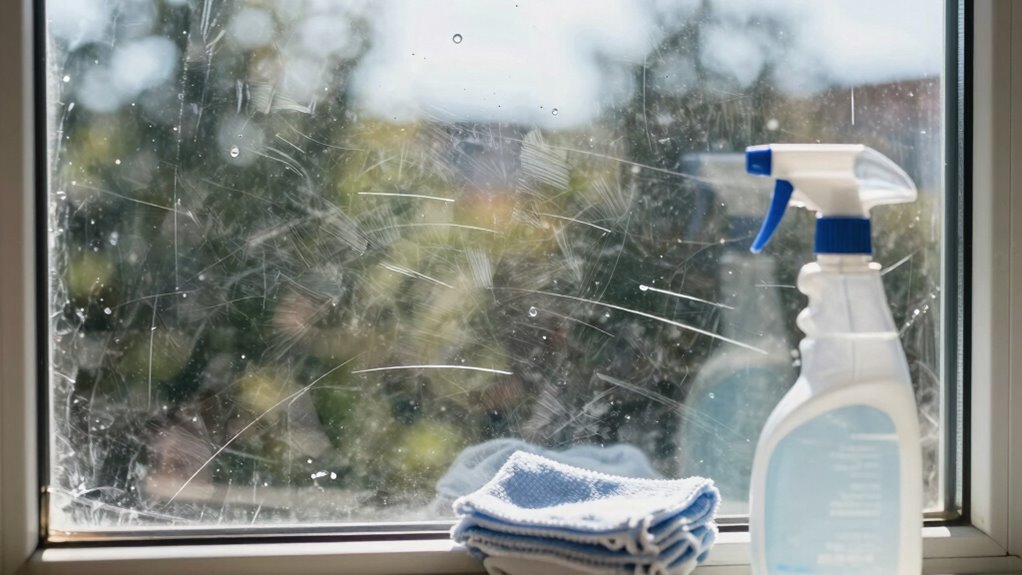

The real cause of streaks on glass isn’t just the cleaner you use but residues, minerals, and improper cleaning techniques. Hard water leaves mineral deposits that dry into spots, while soap and product residues can create an invisible film that dulls the surface. Using the wrong tools or cleaning in harsh conditions makes streaks worse. If you want glass that stays crystal clear and streak-free longer, understanding these factors will help you master the proper cleaning methods.
Key Takeaways
- Residue buildup from minerals, soap scum, and oils causes streaks that cleaning products alone can’t fix.
- Hard water deposits and mineral deposits leave persistent streaks and water spots on glass surfaces.
- Using improper tools or dirty cloths can scratch glass and leave lint or streaks during cleaning.
- Environmental factors like dust, humidity, and sunlight can hinder proper cleaning, leading to streaks and spots.
- Relying solely on streak-free formulas masks underlying issues like residue, mineral deposits, and improper cleaning techniques.

Sprayway Glass Cleaner Foaming Aerosol Spray, 19oz, Pack of 2 | Ammonia-Free, Streakless, Fast-Acting | Cleans & Polishes Glass Surfaces | Fresh Scent, Removes Fingerprints, Dust, Dirt, Smoke Film
Can be used on all glass surfaces
As an affiliate, we earn on qualifying purchases.
As an affiliate, we earn on qualifying purchases.
Debunking the Myth of Streak-Free Glass Cleaners
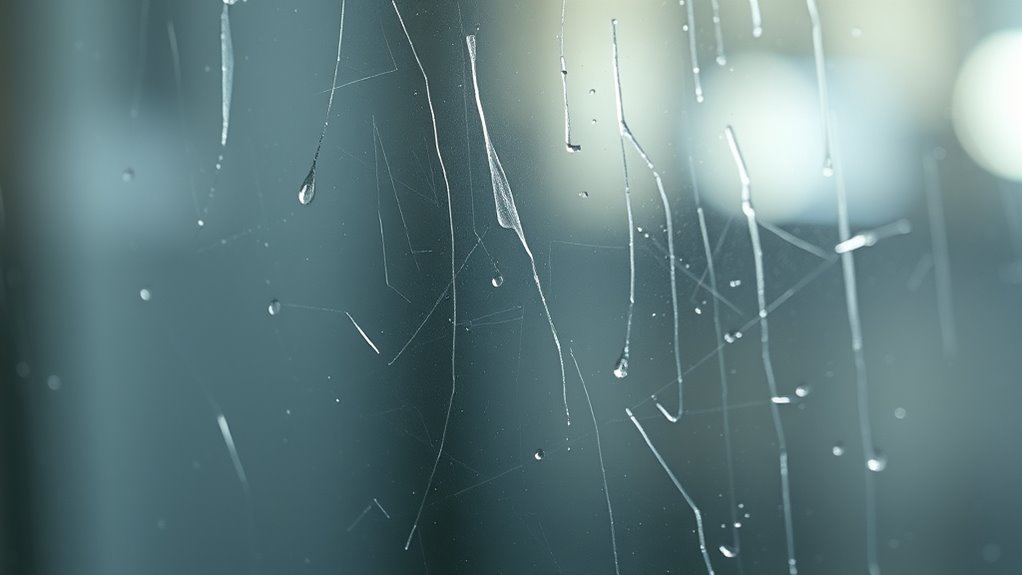
Many people believe that using special streak-free glass cleaners guarantees perfectly clear windows, but this is a myth. While these cleaners can reduce visible streaks, they don’t address underlying issues like glass etching or UV damage, which can cloud your view over time. Glass etching occurs when mineral deposits or improper cleaning products damage the surface, making streaks and cloudiness inevitable. Additionally, UV protection coatings on glass help block harmful sunlight, but improper cleaning can strip these coatings, leading to deterioration. Relying solely on streak-free formulas gives a false sense of perfection. To truly maintain clarity, you need to understand how etching and UV protection impact your glass and choose cleaning methods that preserve these features, rather than just masking streaks. Proper surface protection and gentle cleaning techniques are essential for long-term clarity and to prevent damage that causes cloudiness.
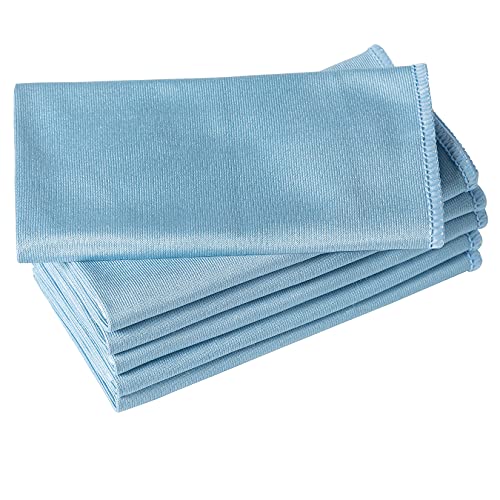
Puomue 6 Pack Microfiber Glass Cleaning Cloth, 16 Inch X 16 Inch, Lint Free Quickly Clean Window, Glasses, Windshields, Mirrors, and Stainless Steel, Blue
ABSORBENT & FAST DRYING – Microfiber material provides super absorbent water ability of the cloths makes quick drying…
As an affiliate, we earn on qualifying purchases.
As an affiliate, we earn on qualifying purchases.
How Regular Glass Cleaners Can Cause Streaks
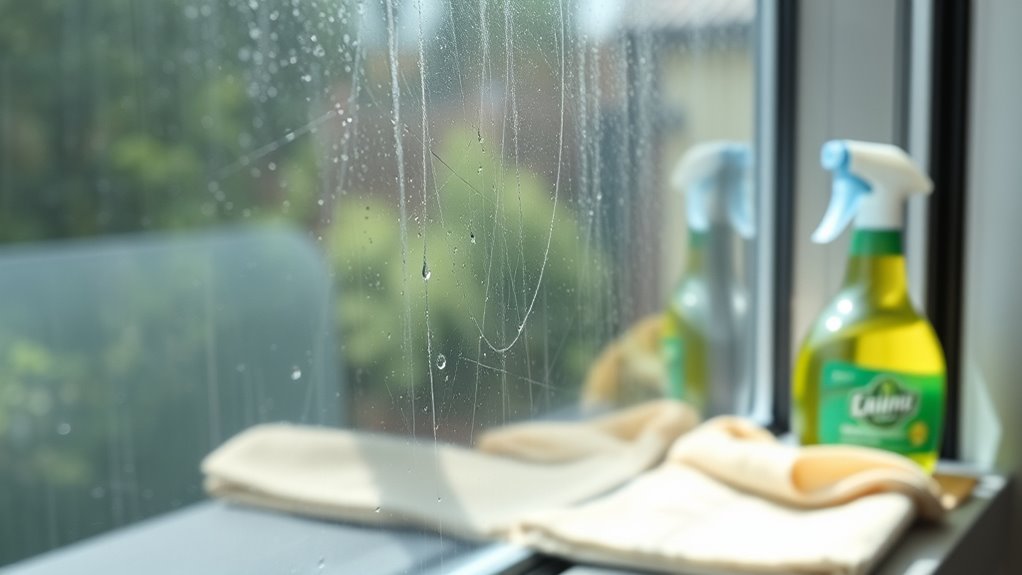
Regular glass cleaners can often cause streaks because they contain ingredients that don’t evaporate quickly or evenly, leaving behind residues. If you have window tinting, these residues can interfere with its clarity or cause discoloration over time. Additionally, using harsh cleaners on glass surfaces exposed to harsh conditions might lead to minor glass etching, which appears as cloudy spots or streaks. When residues are left behind, they reflect light unevenly, making streaks more noticeable. The problem worsens if you don’t wipe thoroughly or use a product incompatible with your glass or tinting. To avoid streaks, choose cleaners formulated for glass and tinted windows, and always wipe with a clean, lint-free cloth to ensure a streak-free finish. Proper cleaning techniques and understanding the materials can also help minimize residue buildup and maintain clarity.

CLR Brands® Lime & Rust Remover, Blasts Calcium, Dissolves Lime, Zaps Stubborn Rust Stains and Hard Water, 22 Ounce Spray Bottle (Pack of 1)
HUNDREDS OF USES – Easily tackle a variety of household cleaning jobs with an all in one cleaner…
As an affiliate, we earn on qualifying purchases.
As an affiliate, we earn on qualifying purchases.
Why Residue and Film Buildup Make Glass Look Cloudy
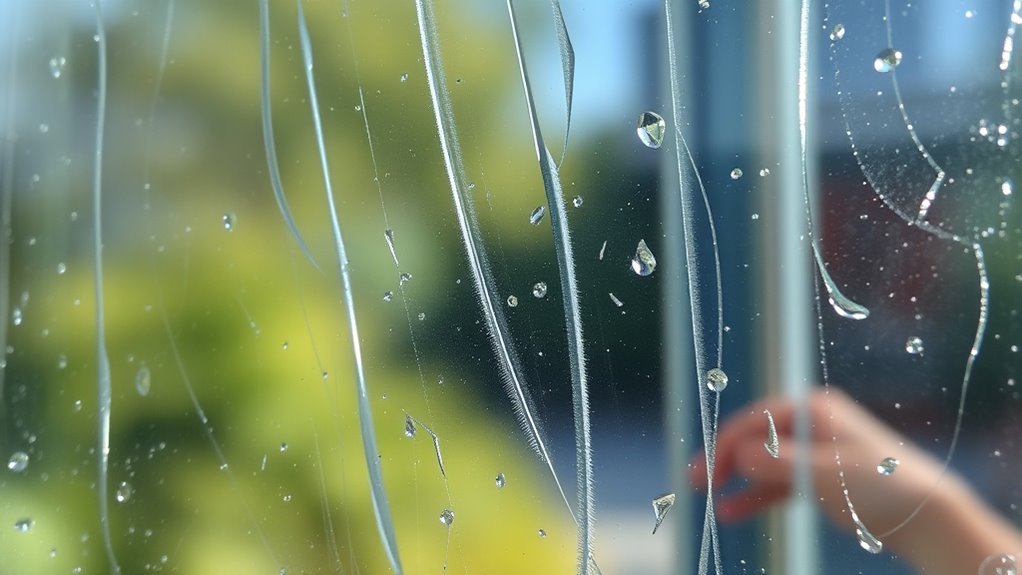
Residue and film buildup on glass surfaces can cause them to look cloudy and dull, even after cleaning. Over time, mineral deposits, soap scum, and oils can accumulate, creating a thin, invisible film that refracts light poorly. This film prevents your glass from shining clearly, making it appear hazy or streaky. Using a glass polish can help remove stubborn residues and restore clarity, but regular cleaning schedules are essential to prevent buildup. Skipping frequent cleanings allows residues to embed and harden, making them harder to remove later. Consistent, thorough cleaning with the right products not only keeps your glass spotless but also reduces the need for aggressive scrubbing or specialized treatments, ensuring your glass stays clear and streak-free. Incorporating Free Floating cleaning techniques can also help maintain the longevity and clarity of your glass surfaces.
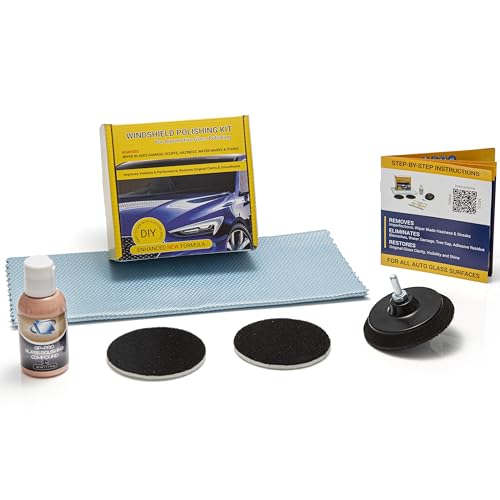
GLASS POLISH DIY 3” (75mm) Windshield Polishing Kit for Car Glass Restoration, Remove Wiper Blade Damage, Fine Scratches, Haziness, and Water Spots, Restore Glass Clarity and Shine
✅ RESTORES GLASS CLARITY & VISIBILITY: Restores a polished finish, surface smoothness, and optical clarity for a clearer…
As an affiliate, we earn on qualifying purchases.
As an affiliate, we earn on qualifying purchases.
How Hard Water and Mineral Deposits Leave Streaks
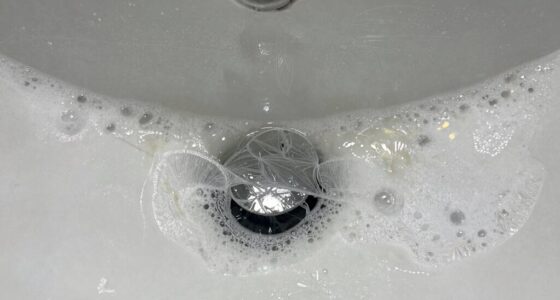
Hard water often leaves behind mineral deposits that create unsightly streaks on glass surfaces. These deposits, known as water spots, form when minerals like calcium and magnesium react with soap residue and evaporate, leaving behind stubborn residue. Over time, these deposits build up, making your glass look cloudy and dull. To avoid streaks, it’s essential to understand how hard water affects your cleaning process. Here are four key points:
- Hard water causes mineral buildup that leaves water spots on glass.
- Soap residue can combine with minerals, intensifying streaks.
- Rinsing thoroughly helps prevent mineral deposits from drying on surfaces.
- Using distilled or softened water reduces the risk of streaks and spots.
- Employing proper cleaning techniques minimizes the impact of mineral deposits and helps maintain clarity.
Knowing this helps you take better steps to achieve streak-free, sparkling glass.
Choosing the Right Cloth and Tools for a Sparkling Finish
Choosing the right cloth and tools makes all the difference in achieving a streak-free shine. You want to pick materials that won’t scratch or leave lint behind, ensuring a spotless finish. Pay attention to effectiveness tips to get the best results with each tool you use. Using appropriate cleaning materials, such as microfiber cloths, can significantly reduce streaks and improve overall clarity.
Proper Cloth Selection
Selecting the right cloth and tools is essential for achieving a streak-free, sparkling glass finish. Your choice directly impacts the clarity and shine of your glass surfaces. Use microfiber cloths, which are highly effective at trapping dirt and leaving no lint behind. Cotton rags can work well, but ensure they are soft and clean to avoid scratches. Here are some tips to help you choose wisely:
- Opt for microfiber cloths for their superior cleaning and polishing ability.
- Avoid rough or dirty fabrics that can scratch or leave streaks.
- Use separate cloths for different cleaning stages to prevent recontamination.
- Keep your cloths clean and dry for the best results, replacing them when worn.
- Proper cloth selection and maintenance are crucial for achieving the best cleaning results.
Proper cloth selection ensures a spotless, streak-free finish every time.
Tool Effectiveness Tips
To achieve a sparkling, streak-free finish, it’s crucial to use the right cloth and tools for your glass cleaning. Start with a high-quality squeegee and ensure proper squeegee maintenance—clean the blade regularly and check for nicks that can cause streaks. When using a spray bottle, follow tips like filling it with a mixture of water and a few drops of dish soap or vinegar for effective cleaning. Always spray evenly across the glass, avoiding excess moisture that can lead to streaks. Pair these with a microfiber cloth or a lint-free towel to wipe edges and stubborn spots. Using the right tools and maintaining them properly helps prevent streaks and guarantees your glass stays crystal clear and shiny. Efficient cleaning methods are essential for achieving professional-looking results.
Mastering Proper Glass Cleaning Techniques

To master proper glass cleaning techniques, you need to use the right tools and choose effective cleaning solutions. The way you apply these tools and solutions makes a big difference in the final result. Remember, technique matters most to achieve streak-free, crystal-clear glass. Additionally, using appropriate cleaning tools designed specifically for glass can help prevent scratches and ensure a spotless finish.
Use the Right Tools
Using the right tools is essential for achieving a streak-free, sparkling clean window. The correct tools help prevent streaks and maintain glass patterns that look flawless. Start with high-quality microfiber cloths, which absorb dirt and avoid scratching. Use a squeegee with a comfortable grip and a clean blade for even, streak-free results. A scrubber or soft brush can loosen stubborn dirt before wiping. Keep your cleaning tools organized to match your cleaning schedules, ensuring consistency. Proper tools make it easier to achieve a pristine finish and keep your windows looking their best over time. Remember, investing in good tools is key to efficient, effective cleaning and avoiding those frustrating streaks that ruin your view. Additionally, understanding glass surface properties can help you select the most suitable cleaning techniques and tools for different types of glass.
Choose Proper Cleaning Solutions
Choosing the right cleaning solutions is essential for effectively removing dirt and grime without damaging your glass. The cleaning frequency depends on how often the glass gets dirty; more frequent cleanings usually require gentler solutions. For instance, lightly soiled windows may only need a mixture of water and a few drops of dish soap, while heavily stained or greasy surfaces might need a specialized cleaner. Consider your glass texture as well—smooth, textured, or frosted glass may require different solutions to avoid streaks or residue. Using the wrong cleaner can dull or scratch the surface, leading to more streaks and spots. Always opt for solutions that match your glass type and cleaning schedule to ensure a clear, streak-free finish every time. Additionally, understanding your home’s clean-home systems can help you select the most effective and safe cleaning methods for your glass surfaces.
Technique Matters Most
Mastering proper glass cleaning techniques is essential for achieving a streak-free, crystal-clear finish. Your goal is to preserve the glass texture while maintaining cleaning frequency. To do this effectively:
- Use a clean, lint-free cloth and proper cleaning solutions to prevent streaks.
- Wipe in a consistent pattern—preferably vertical or horizontal strokes—to avoid missed spots.
- Adjust your cleaning frequency based on glass texture; delicate surfaces need gentler, more frequent care.
- Avoid over-scrubbing, which can leave scratches or residue, making streaks worse.
How Environmental Factors Impact Your Glass Cleaning Results
Environmental factors can markedly influence the effectiveness of your glass cleaning efforts. Environmental pollutants like dust, smog, and airborne chemicals settle on surfaces, making your glass harder to clean thoroughly. Humidity and temperature also play a role; high humidity can cause streaks by preventing proper drying, while extreme cold or heat can affect how cleaning solutions work. Windy weather can blow dirt onto your glass during cleaning, undoing your efforts. Additionally, direct sunlight can cause cleaning solutions to dry too quickly, leading to streaks and spots. To get the best results, choose a calm, shaded day with mild weather conditions. Understanding how these environmental factors impact your cleaning process helps you avoid streaks and achieve crystal-clear glass every time.
Natural and DIY Solutions for Crystal-Clear Glass
Natural and DIY solutions offer an effective and eco-friendly way to achieve crystal-clear glass without harsh chemicals. You can enhance your glass’s appearance through simple methods like homemade cleaning solutions. For instance, using vinegar and water creates a streak-free shine, while rubbing alcohol helps remove stubborn spots. Additionally, for privacy or decorative purposes, consider glass tinting or window frosting, which can be applied DIY-style with kits or films. These options not only improve aesthetics but also reduce the need for frequent cleaning. Here are some popular solutions:
- Vinegar and water spray
- Rubbing alcohol for tough stains
- Applying glass tinting film
- Installing window frosting film
These natural techniques keep your glass clear, protected, and stylish without relying on chemical cleaners.
Simple Tips to Keep Your Glass Streak-Free Longer
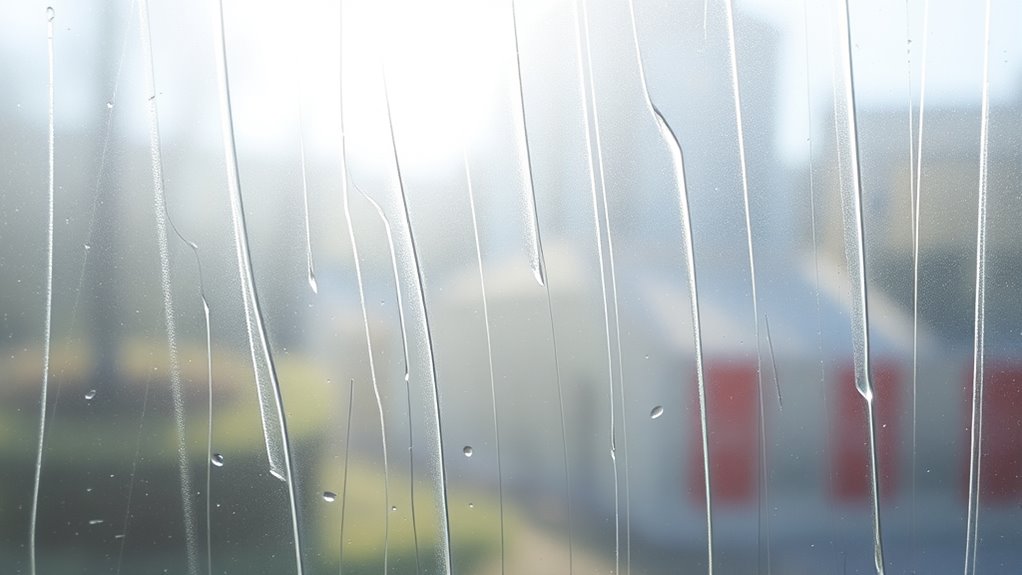
To keep your glass streak-free for longer, start by cleaning it thoroughly with a streak-free solution and a microfiber cloth. This prevents residue that attracts dirt and causes streaks, especially on solar panels or windows with film. After cleaning, avoid touching the glass frequently, as fingerprints and smudges can quickly ruin the clear look. Consider applying a specialized window film that resists fingerprints and dirt buildup, extending the streak-free appearance. Regularly wipe the glass with a dry microfiber cloth to remove dust and prevent streaks from forming. For solar panels, lightly mist with water and wipe gently to avoid damaging the surface. These simple tips help maintain clarity longer, reducing the need for frequent cleaning and keeping your glass spotless and streak-free.
Frequently Asked Questions
Can Ultraviolet Light Affect Glass Cleaning Effectiveness?
UV effects can influence your glass cleaning effectiveness by breaking down certain cleaning solutions and dirt particles. Light influence from ultraviolet rays may cause some streaks if cleaning products react poorly or dry unevenly. You should consider using UV-resistant cleaners or cleaning in shaded areas to minimize these effects. Proper technique and suitable products help make sure your glass stays streak-free and clear, regardless of UV exposure.
Do Certain Types of Glass Require Specific Cleaning Methods?
Yes, certain glasses demand specific cleaning methods. For example, glass with coatings or surface treatments can easily be damaged if you use harsh chemicals or abrasive cloths. These treatments protect the glass but require gentle, specialized cleaners to maintain their clarity and integrity. If you ignore these differences, you risk streaks or even ruining the surface—so always check for coatings before cleaning, or you might inadvertently undo their benefits.
How Does Temperature Influence Streak Formation?
Temperature fluctuations considerably influence streak formation when you clean glass. If your cleaning solution is too cold or too hot, it won’t evaporate evenly, leaving streaks behind. Always make certain the cleaning solution temperature is consistent with the room temperature to prevent rapid drying or smudges. Additionally, avoid cleaning in direct sunlight or during extreme temperature changes, as these conditions can worsen streaks and hinder a streak-free clean.
Are There Environmental Pollutants That Worsen Streaks?
Environmental pollutants and poor air quality can definitely worsen streaks when you clean glass. When pollutants like dust, smog, or pollen settle on your windows, they create a dirty surface that’s harder to clean streak-free. As you wipe, these pollutants can cause residue or smudges, making streaks more noticeable. To minimize this, clean your glass during times of better air quality and regularly remove surface pollutants for a clearer, streak-free finish.
Can Glass Composition Impact Cleaning Outcomes?
Your glass’s chemistry notably impacts cleaning results. A glass with high mineral deposits or specific composition can cause streaks, even after proper cleaning. Think of it as trying to polish a rough surface versus a smooth one; the smoother glass allows for better clarity. Variations in mineral deposits or unique glass chemistry can make streaks more likely, so choosing glass with ideal composition helps achieve a streak-free shine.
Conclusion
Remember, achieving streak-free glass isn’t about magic or fancy products — it’s about understanding the true culprits behind those pesky streaks. By avoiding residue buildup, choosing the right tools, and using proper techniques, you’ll see your glass shine like new. Don’t let common mistakes cloud your view; instead, take control and get the clear, sparkling finish you want. After all, a little know-how goes a long way in turning the tide in your favor.