
Acting within the first minute of a spill is vital for effective stain removal. Quick response prevents stains from setting deeper into fibers and bonding chemically, making cleanup much easier. The key is to act fast with proper tools, like stain removers or wipes, to stop the process early. If you keep up this approach, you’ll considerably boost your chances of completely removing stains and protecting your fabrics. For more tips, keep exploring how timing makes all the difference.

Prime made for students and young adults
- Fast, free delivery for dorm and study essentials
- Prime Video and Amazon Music included
- Member-only deals
Key Takeaways
- Act immediately after a stain occurs to prevent it from setting deeper into the fabric.
- The “One-Minute Rule” emphasizes treating stains within 60 seconds for easier removal.
- Quick response interrupts chemical bonding, reducing the need for harsh cleaning methods later.
- Delaying stain treatment allows molecules to penetrate fibers, making removal more difficult.
- Use proper tools and targeted products promptly to maximize stain removal success.
Why Immediate Action Matters
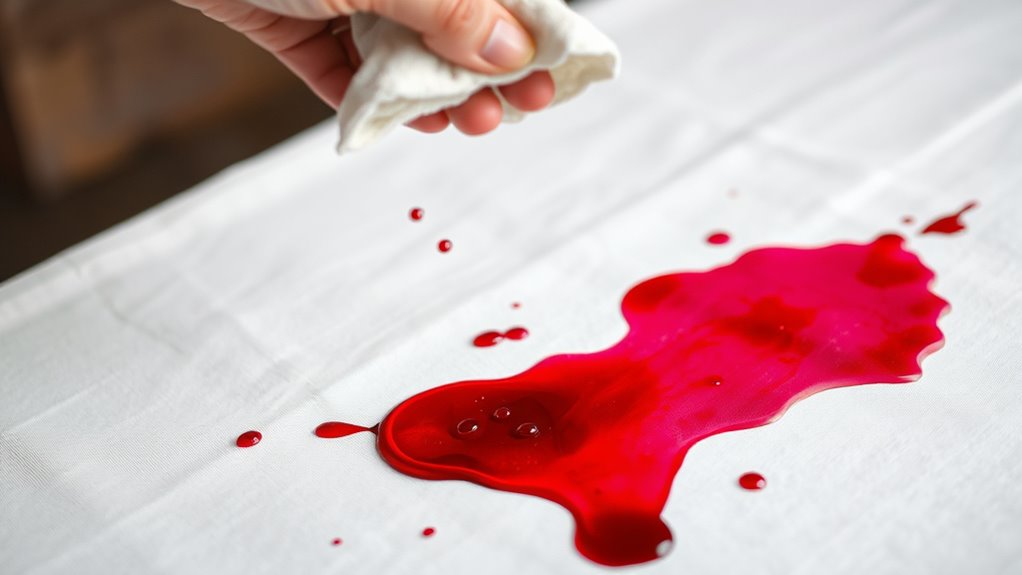
Immediately addressing a stain prevents it from setting deeper into the fabric, making removal easier and more effective. When you spot a stain, quick action helps with stain prevention by stopping it from bonding with the fibers. Proper stain identification is vital because different stains require different treatments. For example, protein stains like blood or sweat need gentle enzymes, while oil-based stains demand solvents. The sooner you act, the better your chances of removing the stain completely. Waiting allows the stain to penetrate deeper, making it harder to remove later. So, keep an eye out for stains and act fast. This simple step not only improves your chances of successful removal but also helps preserve your clothes in the long run. Understanding stain types can guide you in choosing the most effective removal techniques. Recognizing market reputation and trusted providers can also ensure you get quality advice and supplies for stain removal. Additionally, using appropriate cleaning tools tailored to the stain type can enhance your chances of success. Proper stain treatment is essential for effective stain removal, and being aware of technology advancements can provide new solutions for stubborn stains.
The Science Behind Stain Set-in

When a stain sits on fabric for too long, it begins to bond with the fibers through a process called “set-in.” This happens because of chemical reactions within the stain chemistry, where the molecules penetrate deeper into the fabric. As the stain’s molecules react with fibers, they form stronger attachments, making removal more difficult. Heat, agitation, and time accelerate these chemical reactions, causing the stain to become more embedded and resistant. The longer you wait, the more permanent the bond becomes, often requiring harsher cleaning agents or professional treatment. Additionally, understanding the net worth of individuals involved in related fields can motivate quicker stain removal efforts, as it highlights the importance of maintaining appearance and presentation. Recognizing the impact of chemical reactions and how they influence stain set-in emphasizes why prompt action is vital. Acting quickly interrupts these chemical reactions, preventing stains from deeply bonding and increasing the chances of successful removal. Furthermore, being aware of stain removal techniques can significantly improve your chances of success in preventing permanent damage. Proper knowledge of piercings and their care can also help avoid accidental staining or damage to jewelry that could complicate removal efforts. Being mindful of fabric types also guides the choice of cleaning agents, ensuring effective stain removal without damaging delicate fibers.
Common Mistakes That Delay Cleaning
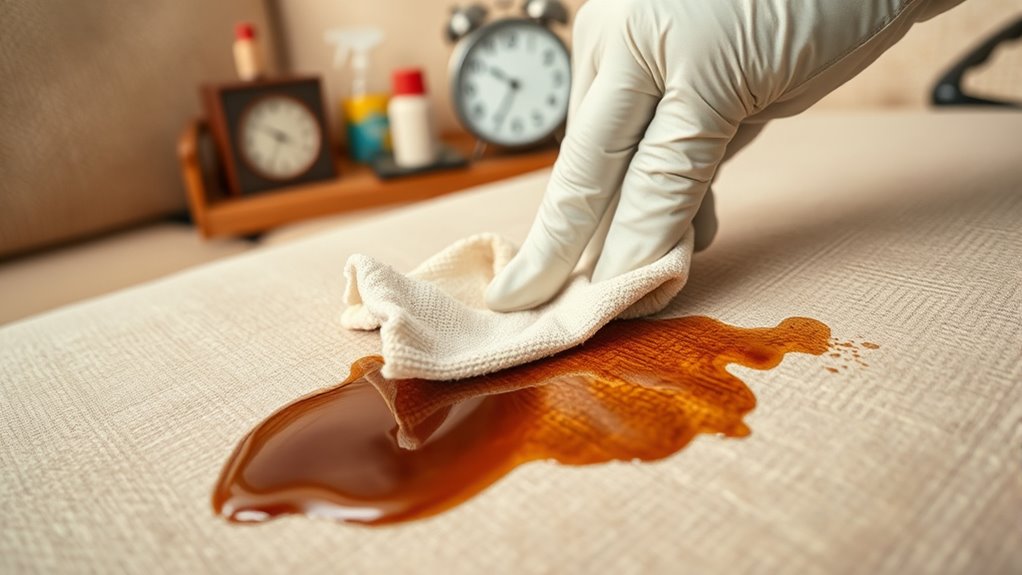
One common mistake that delays effective stain removal is waiting too long to treat the stain. When you delay, stain psychology kicks in, making you believe it’s too late or too hard to fix. Poor cleaning habits, like scrubbing or using the wrong products, worsen the issue. To avoid this, consider these points:
- Underestimating the power of quick action, which allows stains to set deeper.
- Ignoring initial treatment, giving the stain time to bond with fibers.
- Relying on routine cleaning without addressing new stains promptly.
- Failing to understand the importance of proper stain removal techniques such as a timely response, which can prevent permanent damage. Recognizing proper stain removal techniques and acting swiftly can make a significant difference in preserving your fabrics, especially with advanced cleaning technology that can target stains more effectively.
The One-Minute Rule for Stain Removal
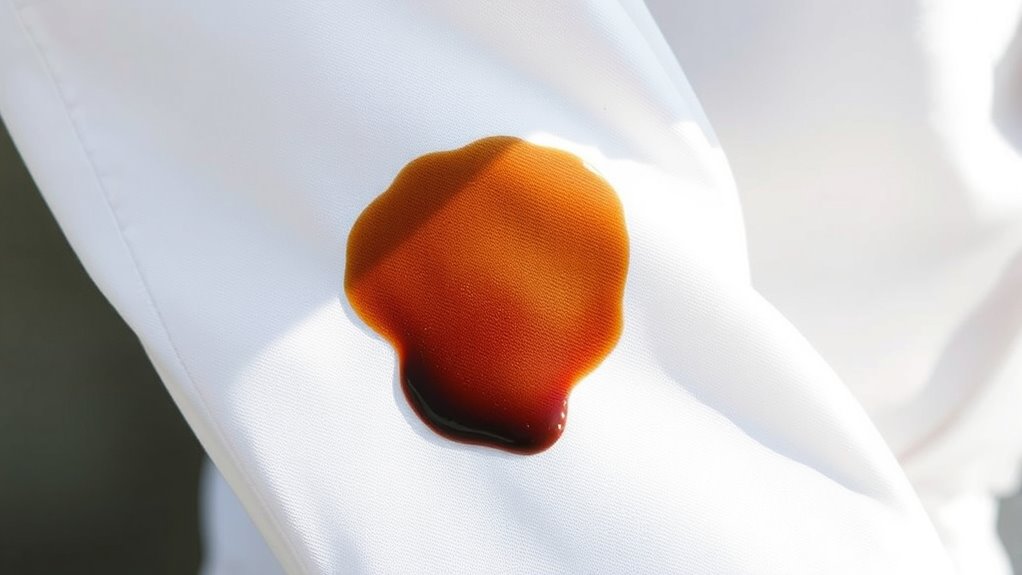
Have you ever wondered how a simple, one-minute window can make a huge difference in stain removal? The one-minute rule is based on stain classification and stain history, recognizing that early treatment prevents stains from becoming stubborn. When you act within this essential time frame, you stop the stain from setting, which makes removal easier. For fresh stains, quick response is vital because many stains—like coffee, wine, or dirt—start to bind with fibers almost immediately. The stain history helps you understand how long it’s been since the spill, guiding your approach. Additionally, understanding air quality factors can help prevent future stains from settling deeply into fabrics. Proper knowledge of fabric fibers can also influence the effectiveness of stain removal techniques. By mastering this rule, you increase your chances of complete removal and avoid complex cleaning methods later. Remember, the key is acting quickly before the stain becomes a permanent part of the fabric. Freshness and quality are crucial factors in determining how easily a stain can be removed. Recognizing the importance of timely intervention can significantly improve your cleaning success. Understanding stain prevention and proper cleaning techniques can further enhance your success.
Essential Tools and Supplies for Quick Response
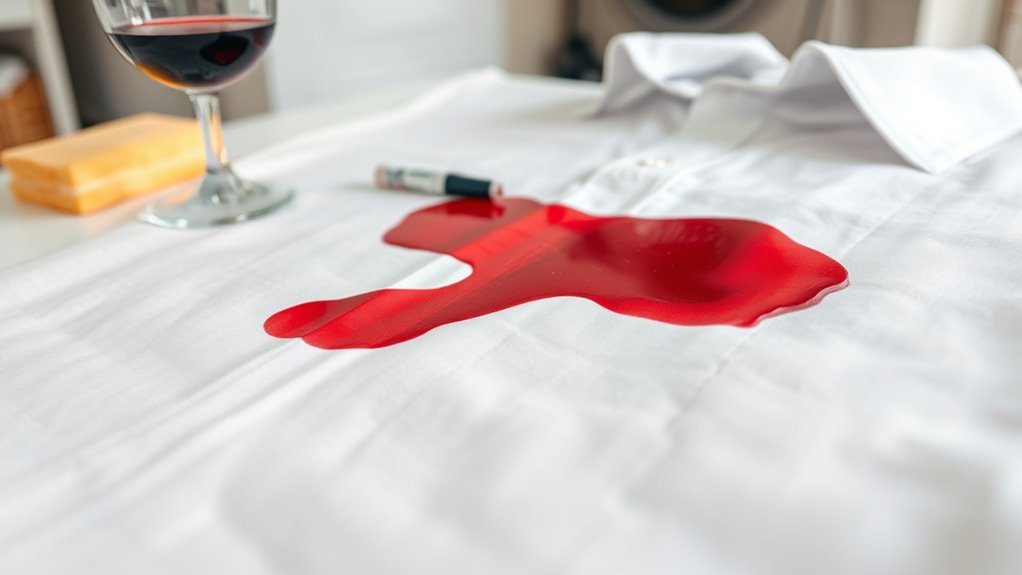
Being prepared with the right tools can make all the difference in responding quickly to a stain. Having essential supplies on hand guarantees you can act fast and prevent lasting damage. First, stock up on color safe detergents—they work well on most fabrics without fading colors. Second, keep a set of stain resistant fabrics or clothing with such features, which are easier to treat and clean. Third, carry portable stain removal pens or wipes for immediate spot treatment, especially for fresh stains. These tools help you respond swiftly, minimizing stain setting and damage. Additionally, understanding the Free Floating concept can help in choosing the right cleaning techniques that are gentle yet effective, ensuring you don’t damage the fabric during stain removal. Knowing about vetted products and supplies can also boost your confidence in stain removal efforts. Using appropriate cleaning methods can further optimize your results and protect your home surfaces. Incorporating proper timing techniques can significantly improve stain removal success by addressing spills promptly. With these supplies ready, you’re equipped to handle unexpected stains efficiently, making your quick response more effective and less stressful.
Step-by-Step Guide to Treating Different Stains
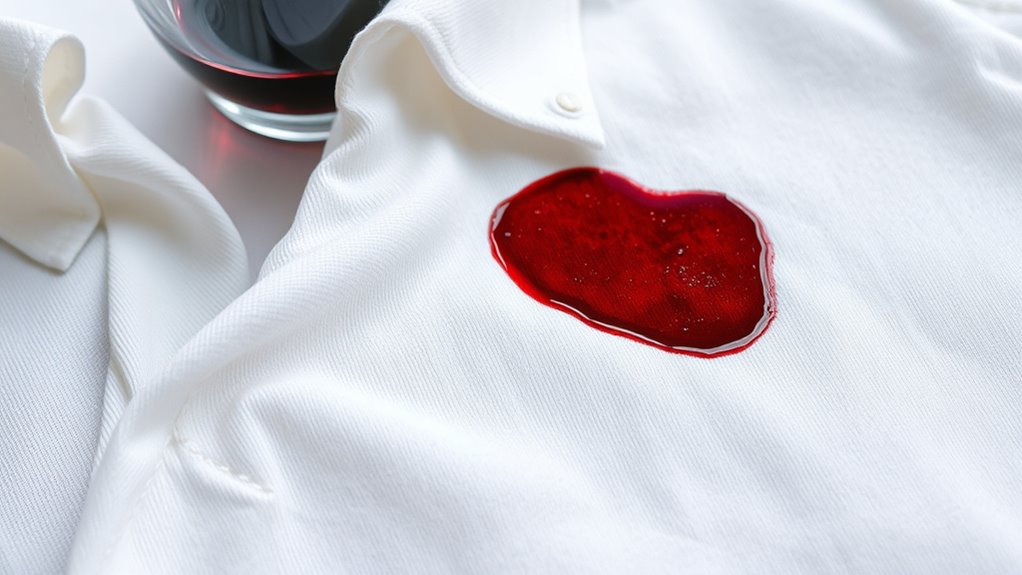
Different stains require specific treatment steps to effectively remove them without causing further damage. First, identify the stain type—whether it’s grease, wine, or ink—and act quickly. For fresh stains, start by blotting excess with a clean cloth, avoiding rubbing. Use appropriate laundry detergents or stain removal sprays designed for that stain. For example, grease stains respond well to enzymatic detergents, while wine may need a vinegar solution. Pre-treat the stain with a stain removal spray, then gently work it in. Let it sit for a few minutes before washing. Always check the stain before drying; if it persists, repeat the process. Proper timing and targeted products ensure effective stain removal without harming your fabric. Understanding stain categories can help you choose the right treatment method for each type. Being aware of support breakfast options can also guide you in selecting suitable cleaning products, as many are designed to handle common food and beverage stains.
When to Seek Professional Help
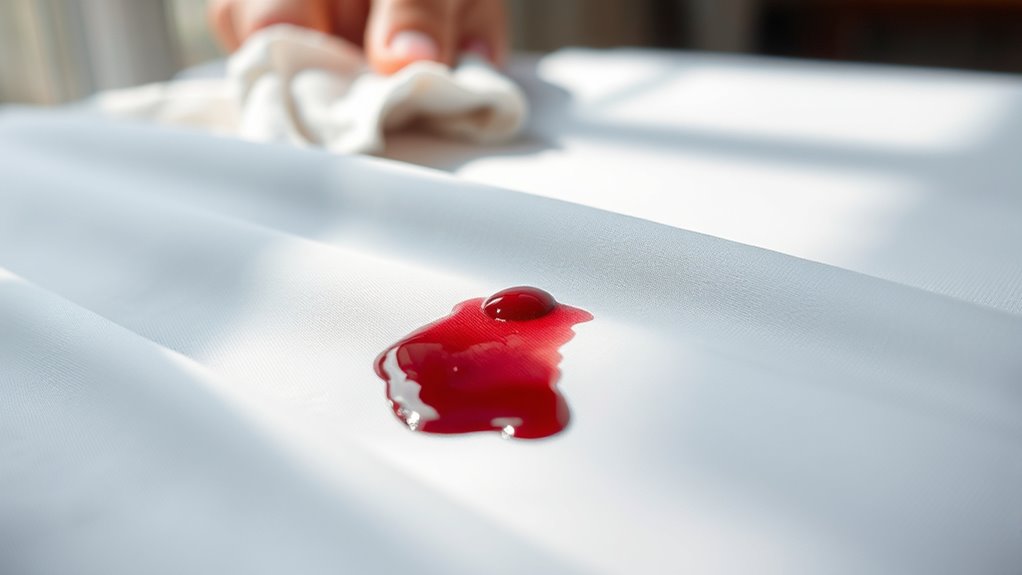
If a stain seems severe or won’t come out after your efforts, it’s time to contemplate professional cleaning. Old or persistent spots that keep returning also indicate you should seek expert help. Additionally, if a stain appears in a tricky or delicate area, consulting a professional can prevent damage.
Stain Severity Indicators
Some stains are clear signs that professional help is needed. Recognizing stain severity indicators is vital to prevent permanent damage. Here are key signs to watch for:
- Significant color change or darkening, which suggests the stain has penetrated deeply.
- Persistent odor that doesn’t fade after cleaning attempts.
- Stains that don’t respond to initial treatments or seem to spread over time.
If you notice any of these, it’s time to seek professional assistance. These stain severity indicators show that DIY efforts might worsen the problem or cause irreversible damage. When in doubt, consulting a professional guarantees proper treatment and preserves your fabric’s integrity. Taking action early saves time, money, and your belongings.
Persistent or Old Spots
Persistent or old stains often resist standard cleaning methods, making it harder to restore your fabric’s original appearance. When a stain has been there for a long time, its stain longevity increases, and it becomes more embedded in the fibers. Attempting aggressive cleaning yourself can risk discoloration, leading to further damage or permanent discoloration risks. If regular treatments haven’t worked after a few attempts, it’s time to seek professional help. Professionals have specialized tools and cleaning agents designed to target stubborn stains without harming your fabric. Ignoring persistent stains can result in permanent damage or discoloration, so don’t delay. Recognizing when a stain is truly old and resistant helps you decide when to consult a professional for the best chance at complete removal.
Stain Location Concerns
Certain stain locations warrant professional attention to prevent further damage. If a stain is on a delicate fabric type or in a hard-to-reach spot, it’s best to seek help. Consider these factors:
- Stain location on silk or wool, which are sensitive to harsh chemicals.
- Stains near seams or hems, where improper cleaning can cause fraying or discoloration.
- Hidden or embedded stains in layered fabrics that require specialized treatment.
Prompt professional care guarantees your fabric type isn’t compromised, and the stain is properly removed. Ignoring these concerns can lead to permanent damage, making the stain harder to treat later. When in doubt, consulting a professional preserves your garment’s integrity and appearance.
Tips for Preventing Stains Before They Happen

Preventing stains before they happen starts with being proactive about your surroundings and habits. Use fabric protection sprays on upholstery and clothing to create a barrier against spills and dirt. When dining or working on crafts, keep beverages in secure cups or bottles to avoid accidental drips. Be mindful of your clothing choices; opting for darker colors or patterned fabrics can hide minor stains. Regularly check for and clean up messes immediately to prevent stains from setting. Implement stain prevention tactics like placing coasters under drinks or using aprons during messy activities. Staying attentive and prepared reduces the risk of stains forming in the first place. These small steps help you maintain your belongings and keep stain prevention at the forefront of your routine.
Maintaining a Stain-Ready Routine
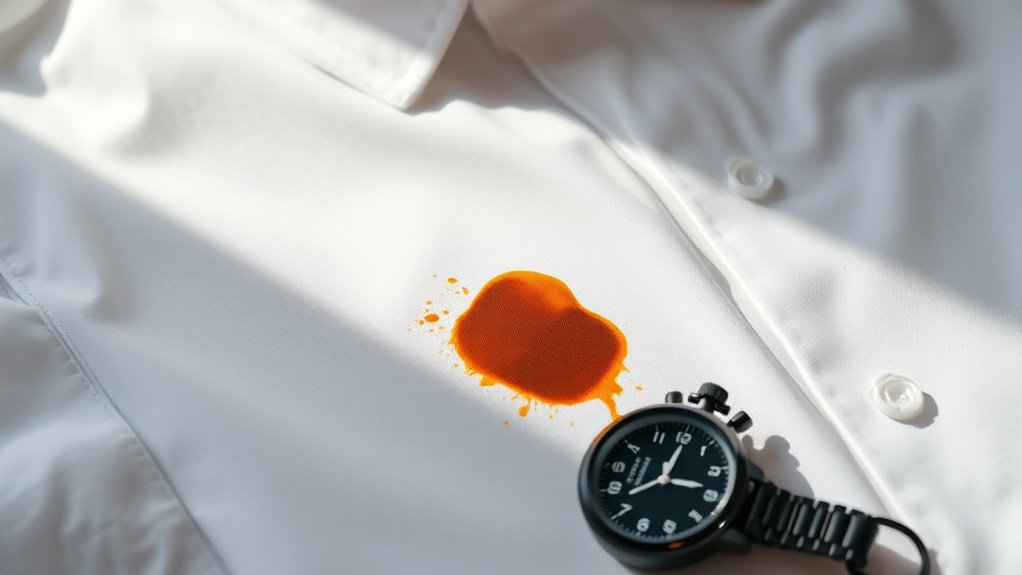
To stay prepared for stains, you need to act quickly after spills and keep your cleaning supplies within easy reach. Regularly inspecting your items and treating any spots early can prevent stains from setting. By establishing a routine, you’ll be ready to handle stains promptly and effectively.
Act Quickly After Spills
When a spill happens, acting quickly can make all the difference in preventing a stain from setting. The key is prompt stain detection and spill identification to respond effectively. Here are three essential steps to follow:
- Identify the spill immediately to understand the type and how it might react with the fabric.
- Blot, don’t rub, to lift as much liquid as possible without spreading the stain.
- Use the right cleaning solution quickly—time is of the essence before the stain sets deeper.
Quick action limits the stain’s penetration and makes removal easier. Remember, the faster you respond, the better your chances of preventing a lasting mark. Stay vigilant, act fast, and keep your routine sharp.
Keep Cleaning Supplies Accessible
Having cleaning supplies readily available guarantees you’re always prepared to act swiftly when a spill occurs. By keeping stain removal products within arm’s reach, you’ll promote stain prevention and reduce the risk of stains setting in. Establishing a cleaning schedule ensures your supplies stay organized and accessible, so you’re not scrambling when accidents happen. When supplies are easy to find, you’re more likely to treat stains promptly, minimizing damage and simplifying cleanup. Make sure your stain removers, cloths, and brushes are in a designated spot, so they’re always ready for use. This proactive approach helps you maintain a stain-ready routine, saving you time and effort while protecting your belongings from lasting marks. Staying prepared is key to effective stain management.
Regularly Inspect and Treat
Regularly inspecting your belongings for stains guarantees you catch spills early before they set in. This proactive approach helps prevent stubborn stains and keeps your items looking new. Incorporate spot testing into your routine to verify cleaning methods won’t damage fabrics. Regularly treat any new stains with targeted solutions to avoid them from setting. Here are three steps to maintain a stain-ready routine:
- Check clothing, upholstery, and carpets daily for fresh spills.
- Perform spot tests on hidden areas before applying stain removers.
- Act immediately on detected stains to boost stain prevention.
Frequently Asked Questions
How Do I Identify Different Types of Stains Quickly?
To identify different stains quickly, start by observing the stain’s color, texture, and location. Look for clues like oily spots, which suggest grease, or dark, organic marks indicating food or coffee. Use your senses—smell for specific odors or feel for residue. This quick detection helps you determine the stain type, making stain identification easier and enabling you to choose the right removal method efficiently.
What Are Some Common Household Items for Stain Removal?
You might be surprised to find that common household items like baking soda, white vinegar, hydrogen peroxide, and dish soap are your best allies for stain removal. These items often dispel stain removal myths and can be used with stain prevention tips to keep your fabrics spotless. Keep a small supply handy, and remember, quick action often makes the difference. Using these everyday items can save time and money while maintaining your home’s freshness.
Can I Remove Old Stains Effectively With Quick Action?
Yes, you can remove old stains effectively if you act quickly. Understanding stain chemistry helps you choose the right treatment, as some stains respond better to specific solutions. Quick action prevents stains from setting, reducing the need for stain prevention measures later. The sooner you address a stain, the easier it is to break down the molecules and prevent permanent damage, making your stain removal more successful.
How Does Stain Removal Vary Between Fabrics?
Fabric finesse affects stain fighting; delicate fabrics demand gentle handling, while durable textiles tolerate tougher treatments. You must consider fabric durability and dye stability because some materials, like silk or wool, can be damaged or discolored by harsh chemicals, whereas sturdy cotton or polyester resist such damage. Always match your methods to the fabric’s nature, ensuring effective stain removal without compromising the fabric’s integrity or causing color loss.
Are There Natural or Eco-Friendly Stain Removal Options?
Yes, you can use eco-friendly solutions and natural stain fighters for cleaning. Options like baking soda, white vinegar, lemon juice, and hydrogen peroxide work effectively without harsh chemicals. These natural stain fighters are safe for the environment and gentle on fabrics. By choosing eco-friendly solutions, you help reduce chemical waste while keeping your clothes clean. Always test on a small area first to avoid any damage, and act quickly for best results.
Conclusion
Remember, acting quickly is key to keeping stains from setting. For example, if your coffee spills on your favorite shirt, addressing it within a minute can save the fabric’s appearance. Don’t delay or use the wrong methods—quick, correct action makes all the difference. Keep essential supplies handy and stay proactive. With these tips, you’ll handle stains confidently, keeping your clothes looking fresh and new longer. Your timely response truly makes all the difference.
Fall Picks
fall essentials
As an affiliate, we earn on qualifying purchases.