Bleach isn’t a universal solution because it doesn’t work well on all surfaces, can cause damage or discoloration, and poses health risks like fumes or skin irritation. It also doesn’t effectively disinfect porous materials or organic dirt, and improper disposal harms the environment. Safer, eco-friendly alternatives often deliver better results without the risks. If you want to understand why bleach isn’t always the best choice, there’s more to contemplate below.
Key Takeaways
- Bleach can damage or discolor certain surfaces, fabrics, and materials, limiting its use across different environments.
- Improper handling of bleach poses health risks like respiratory issues, skin burns, and poisoning, requiring careful use.
- Organic dirt, grime, and porous surfaces reduce bleach’s effectiveness as a disinfectant.
- Disposal of bleach can harm the environment, contaminating water sources and harming ecosystems.
- Safer, eco-friendly alternatives like vinegar or baking soda provide effective cleaning without the risks associated with bleach.

CleanSmart Daily Surface Cleaner and Pet-Safe Disinfectant, 23 oz (2 pack)
- Virus and Bacteria Killer: Kills 99.9% of viruses and bacteria
- Daily Surface Disinfectant: Suitable for household surfaces
- Food-Safe Formula: Safe to spray around food
As an affiliate, we earn on qualifying purchases.
As an affiliate, we earn on qualifying purchases.
Limitations of Bleach in Different Environments
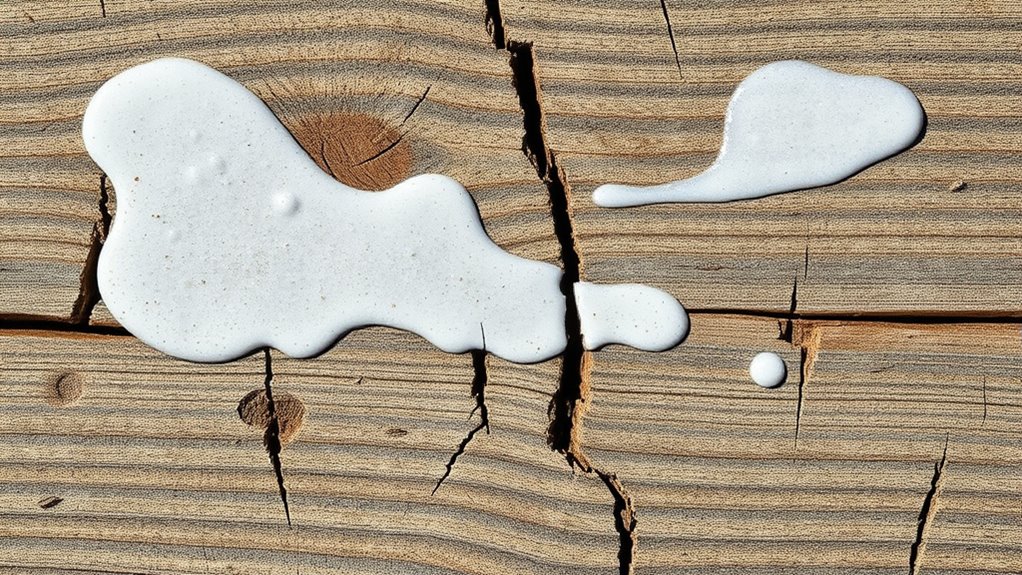
While bleach is widely used as a disinfectant, it doesn’t work equally well in every environment. Its effectiveness depends on chemical reactions that break down germs, but these reactions vary based on surface compatibility. Some materials, like certain plastics or fabrics, can be damaged or discolored by bleach, reducing its usefulness. Porous surfaces, such as wood or unsealed concrete, may absorb the bleach, making it less effective and harder to disinfect thoroughly. Additionally, organic materials like dirt or grime can interfere with chemical reactions, further hindering bleach’s disinfecting power. Color accuracy impacts how well the disinfectant can be visualized and assessed during cleaning, underscoring the importance of choosing the right surface for application. Understanding surface compatibility is essential; applying bleach to incompatible surfaces can cause damage without providing proper sanitation. Recognizing these limitations helps you choose the right disinfectant for each environment.
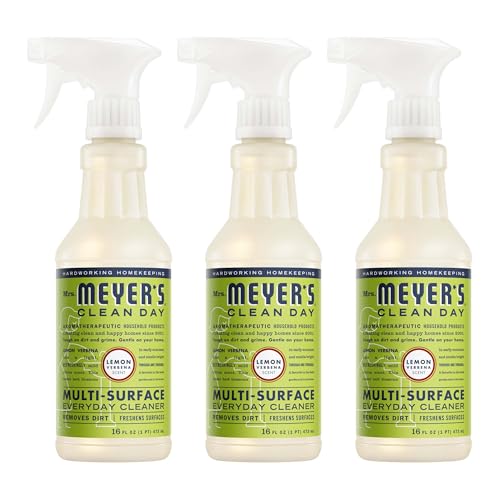
MRS. MEYER'S CLEAN DAY Cleaner Spray, Lemon Verbena, 16 fl oz, 3 Pack
- Effective Multi-Surface Cleaner: Removes dirt and freshens surfaces
- Cruelty-Free & Certified: Made with essential oils, Leaping Bunny Certified
- Lemon Verbena Scent: Bright citrus aroma with bergamot, lemon, geranium, cedarwood
As an affiliate, we earn on qualifying purchases.
As an affiliate, we earn on qualifying purchases.
Health Risks Associated With Bleach Use

Using bleach to disinfect can pose significant health risks if not handled properly. Improper use increases the chance of chemical exposure, which can harm your household safety. Breathing in bleach fumes may cause respiratory issues, such as coughing or throat irritation. Accidental ingestion can lead to severe internal injuries, especially if children are involved. Skin contact may result in burns or irritation, compromising your safety. To stay protected, keep these points in mind:
Using bleach improperly can cause respiratory, skin, and internal injuries; always handle with care.
- Always use bleach in a well-ventilated area.
- Wear gloves and eye protection during handling.
- Store bleach out of reach of children and pets.
- Avoid mixing bleach with other cleaning chemicals, especially ammonia.
Being aware of these risks helps minimize health hazards associated with bleach use.
CleanSmart Daily Surface Cleaner and Pet-Safe Disinfectant, 23 oz (2 pack)
- Virus and Bacteria Killer: Kills 99.9% of viruses and bacteria
- Daily Surface Disinfectant: Suitable for household surfaces
- Food-Safe Formula: Safe to spray around food
As an affiliate, we earn on qualifying purchases.
As an affiliate, we earn on qualifying purchases.
Damage to Surfaces and Fabrics From Bleach

Bleach can cause significant damage to surfaces and fabrics if not used carefully. When applied improperly, it can lead to color fading, making your clothes and household items look dull and worn out. Fabrics, especially dyes and delicate materials, are vulnerable to material degradation, weakening fibers over time. Surfaces like countertops, tiles, or painted walls can become discolored or develop patches of discoloration when exposed to bleach repeatedly. Overuse or accidental spills can strip away the original finish, leaving surfaces scratched or damaged. You might find that your favorite fabrics lose their vibrancy or become brittle, ultimately reducing their lifespan. To protect your belongings, always test bleach on a small, inconspicuous area and use it sparingly, understanding that it’s not a one-size-fits-all solution. Additionally, understanding the material compatibility of surfaces and fabrics can help prevent unintended damage. Proper cleaning techniques can further minimize the risk of harm caused by bleach and prolong the life of your household items. Being aware of the material behavior of various surfaces and fabrics can also help you choose the safest cleaning methods and prevent costly repairs or replacements. Recognizing the potential for damage can guide you in selecting appropriate cleaning agents, ensuring your items remain in good condition. Additionally, understanding the precious metal IRA market trends can also help in making informed investment decisions for your financial future.
MRS. MEYER'S CLEAN DAY Cleaner Spray, Lemon Verbena, 16 fl oz, 3 Pack
- Effective Multi-Surface Cleaner: Removes dirt and freshens surfaces
- Cruelty-Free & Certified: Made with essential oils, Leaping Bunny Certified
- Lemon Verbena Scent: Bright citrus aroma with bergamot, lemon, geranium, cedarwood
As an affiliate, we earn on qualifying purchases.
As an affiliate, we earn on qualifying purchases.
Environmental Impact of Bleach Disposal

Disposing of bleach improperly can have serious environmental consequences. When bleach enters waterways, it raises biodegradability concerns and threatens aquatic life. You need to be aware that bleach doesn’t break down easily, lingering in the environment longer than expected. This can lead to increased aquatic toxicity, harming fish and other aquatic organisms. Here are some key points to contemplate:
Improper bleach disposal harms ecosystems and aquatic life by persisting and releasing toxic chemicals.
- Bleach waste can contaminate soil and water sources.
- Its slow biodegradability means it persists in ecosystems, disrupting ecosystem balance.
- Aquatic toxicity risks increase with improper disposal.
- Harmful chemicals from bleach can accumulate, affecting biodiversity.
- Proper disposal practices help maintain safe energy management and protect the environment.
- Following recommended disposal procedures can reduce the impact on environmental health.
- Understanding biodegradability is essential for making environmentally responsible choices in cleaning practices and disposal methods.
- Promoting awareness of environmental impact can help minimize long-term ecological damage.
Safer and More Effective Alternatives for Cleaning
Given the environmental risks associated with improper bleach disposal, exploring safer and more effective cleaning options becomes essential. You can rely on household disinfectants that are less harmful to the environment and your health. Natural cleaning methods, like vinegar, baking soda, and lemon juice, are powerful alternatives that kill germs without toxic chemicals. These options are often cheaper and safer for your family and the planet. For example, vinegar effectively disinfects surfaces, while baking soda deodorizes and cleans. Using these alternatives reduces chemical exposure and waste. Additionally, choosing air purifiers with HEPA filters can help improve indoor air quality by removing airborne contaminants. Incorporating natural pools that use eco-friendly filtration can further reduce chemical reliance in outdoor spaces. Furthermore, understanding halal standards for cleaning products ensures that the disinfectants used align with your values and dietary laws. Recognizing environmental safety in cleaning practices promotes healthier living environments for everyone. When selecting cleaning products, considering their biodegradability ensures they break down safely in the environment and do not contribute to pollution. Here’s a quick comparison:
| Household Disinfectants | Natural Cleaning Methods |
|---|---|
| Contain chemicals that | Use everyday items like |
| may be harmful if used | vinegar and baking soda, |
| improperly. | which are safe and effective. |
Frequently Asked Questions
Can Bleach Be Used Safely on All Types of Plastics?
You shouldn’t use bleach on all plastics because it can compromise plastic safety. Some plastics, especially those not labeled as bleach-safe, may undergo harmful chemical reactions when exposed to bleach. These reactions can weaken the material, cause discoloration, or release dangerous fumes. Always check the plastic’s label or manufacturer’s guidelines before using bleach, and opt for safer cleaning alternatives if you’re unsure about the plastic type.
Is Bleach Effective Against All Strains of Bacteria and Viruses?
Bleach isn’t effective against all strains of bacteria and viruses because of bacterial resistance and virus specificity. Some bacteria develop resistance over time, making bleach less effective. Additionally, bleach works well on certain viruses but not others, especially non-enveloped viruses. For thorough disinfection, consider alternative or supplementary disinfectants, especially for resistant strains or specific viruses, to guarantee safety and effective elimination of pathogens.
How Long Does Bleach Typically Take to Disinfect Surfaces?
You typically need to leave bleach on surfaces for at least 1 to 10 minutes, depending on the contact time required for effective disinfection. Porous surfaces may require longer or different cleaning methods, as bleach is less effective there. Always follow the instructions on the label, ensuring the surface stays wet for the recommended contact time. This guarantees proper disinfection, especially on non-porous surfaces.
Are There Any Indoor Air Quality Concerns When Using Bleach?
When you use bleach indoors, you should be conscious of indoor air quality concerns. For example, if you’re cleaning a small, poorly ventilated room, chemical fumes can build up, causing irritation or respiratory issues. Bleach releases strong fumes that can affect indoor air, especially with prolonged exposure. To minimize risks, guarantee good ventilation, open windows, and avoid mixing bleach with other chemicals, which can worsen air quality and pose health hazards.
What Are Natural or Homemade Alternatives to Bleach for Cleaning?
You can use homemade disinfectants like a mixture of white vinegar and water or baking soda and water as natural cleaning agents. Lemon juice also acts as a natural antibacterial. These options are safer for indoor air quality and environmentally friendly. Just spray or scrub surfaces with these solutions, and they’ll help disinfect without the harsh chemicals found in bleach, making your cleaning routine healthier and more sustainable.
Conclusion
While bleach might seem like a quick fix, it’s not always the best choice for every situation. By exploring gentler and more eco-friendly options, you can keep your home safe and sparkling without risking your health or the environment. Think of these alternatives as whispering solutions—quietly effective and kinder to everything around you. Embrace smarter cleaning habits, and you’ll create a healthier, more harmonious space for yourself and the planet you cherish.