
If your ducts are placed behind thick walls, beneath floors, or within ceilings, costs can skyrocket beyond your expectations. Difficult-to-reach spots often mean longer installation times, specialized tools, and careful navigation around existing structures like wiring or plumbing. These complications increase labor and material costs and may require custom ductwork or extra insulation. Paying attention to duct placement early on can save you money later. Keep going to discover the details that could help you avoid unexpected expenses.

Prime made for students and young adults
- Fast, free delivery for dorm and study essentials
- Prime Video and Amazon Music included
- Member-only deals
Key Takeaways
- Installing ducts behind thick walls or within ceilings increases labor and material costs significantly.
- Difficult-to-access locations like beneath floors require specialized tools and extra time, raising expenses.
- Routing ducts through multiple floors or irregular layouts complicates installation, adding to overall costs.
- Unconditioned spaces demand additional insulation, increasing material costs and energy efficiency expenses.
- Poorly planned duct placement can lead to airflow inefficiencies, causing higher long-term energy bills.
Are you wondering how much it costs to install ductwork in your home or business? The answer isn’t always straightforward, especially when you consider the duct location and how it impacts the overall price. One of the main factors influencing cost is the duct’s placement within your space. It’s tempting to think that simply running ducts along the shortest paths is enough, but the reality is more complex. The location of your ducts can significantly affect airflow efficiency and the ease of installation, both of which drive up costs in unexpected ways.
Duct placement impacts installation costs, airflow efficiency, and long-term energy savings. Thoughtful planning is key.
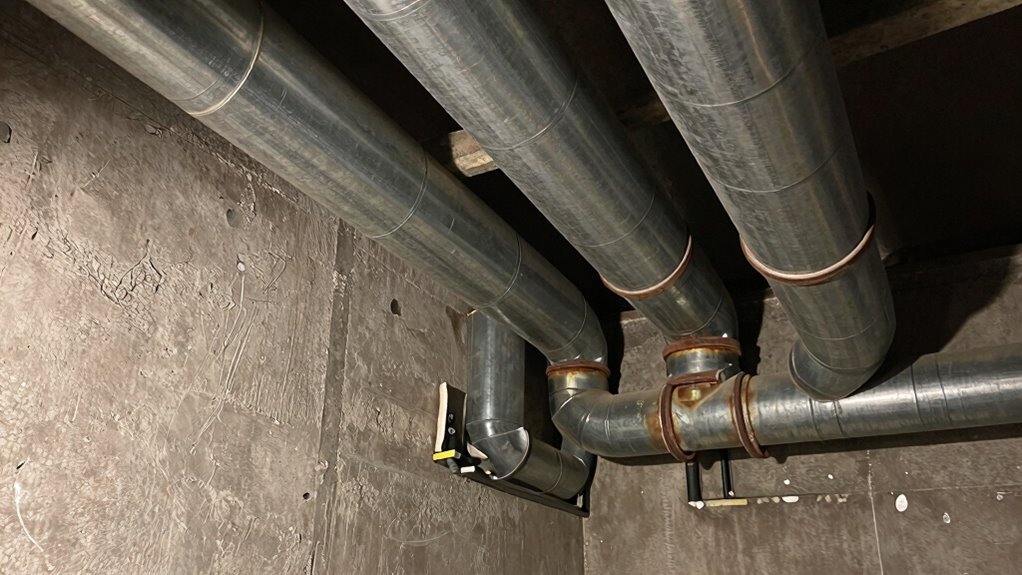
When ducts are placed in hard-to-reach areas—like behind thick walls, beneath floors, or within ceilings—you encounter installation challenges that increase labor time and complexity. These challenges aren’t just about physical access; they also involve navigating existing structures, avoiding electrical wiring, plumbing, and other systems. The more obstacles you face, the more you’ll pay, as installers need to take extra precautions or use specialized tools to complete the job safely and effectively. Proper planning and systematic layout design can help mitigate some of these issues before installation begins. Additionally, understanding building layout can help reduce unnecessary costs by optimizing duct pathways from the start. Considering building codes and regulations early in the planning process can also prevent costly modifications later.
Airflow efficiency is another critical consideration tied to duct location. Properly positioned ducts ensure even distribution of air and optimal heating or cooling performance. If ducts are poorly located—say, in cramped spaces or far from the central unit—they can lead to uneven temperatures and higher energy bills. Correct placement minimizes these issues, but achieving ideal airflow often requires thoughtful planning and additional materials, which can bump up costs. Furthermore, airflow optimization is essential for ensuring your HVAC system operates at peak efficiency, which can influence your overall energy expenses.
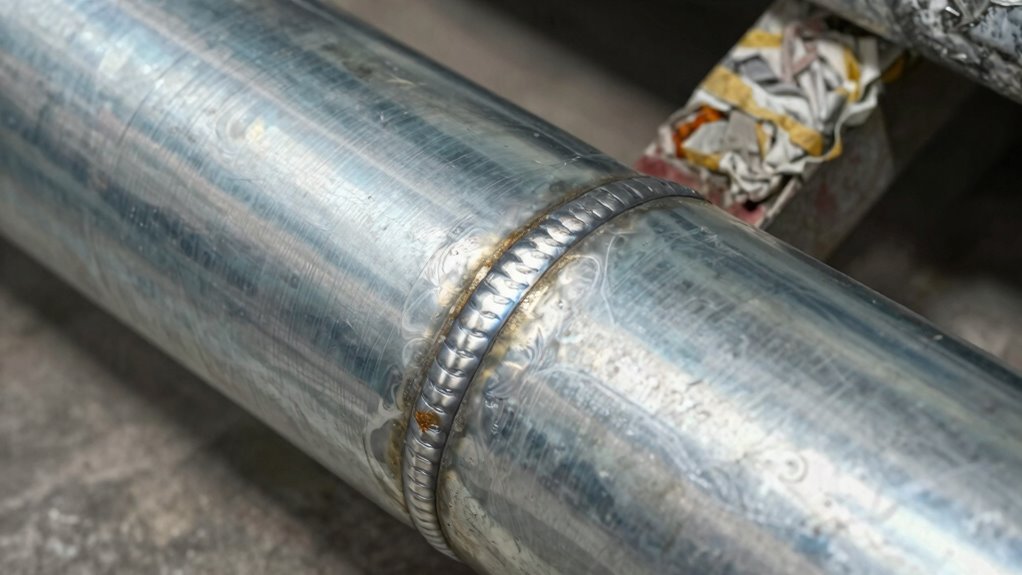
It’s also worth noting that certain locations demand custom ductwork or additional insulation to prevent energy loss. For example, ducts running through unconditioned spaces like attics or basements may need extra insulation to prevent heat gain or loss, adding to the overall expense. Moreover, if your property’s layout is irregular or involves multiple floors, the complexity of routing the ducts increases, further driving up installation costs. Additionally, considering duct location as a critical factor can help prevent costly modifications later on.
Ultimately, while the initial price tag may seem based solely on the amount of ductwork needed, the duct location plays a pivotal role in shaping the final bill. You might save money by choosing the easiest, most accessible routes, but doing so could compromise airflow efficiency or lead to future energy inefficiencies. On the other hand, investing in strategic duct placement—despite higher upfront costs—can pay off through better performance and lower energy bills over time. Understanding these factors helps you make smarter decisions and avoid unpleasant surprises when it’s time to install or upgrade your duct system.
As an affiliate, we earn on qualifying purchases.
Frequently Asked Questions
How Does Duct Location Affect Overall HVAC System Efficiency?
Your duct location directly impacts HVAC efficiency by influencing airflow optimization and insulation considerations. When ducts are properly placed, air flows more freely, reducing energy loss and maintaining consistent temperatures. Avoiding uninsulated or poorly insulated areas minimizes heat gain or loss, saving energy. Strategic duct placement ensures your system runs smoothly, lowers energy bills, and extends equipment lifespan, making it an essential factor in overall HVAC performance.
Are There Specific Building Codes Influencing Duct Placement Costs?
Yes, building codes and duct regulations greatly influence duct placement costs. These codes specify safety standards, insulation requirements, and accessible locations, which can increase installation complexity and expenses. When planning your HVAC system, you must ensure duct placement complies with these regulations to avoid fines or future modifications. Understanding local building codes helps you anticipate costs and work efficiently with contractors to meet all necessary standards.
What Are Common Mistakes That Increase Duct Installation Expenses?
Don’t let small mistakes blow your budget; they add up fast. You often increase installation costs by neglecting proper duct insulation or overlooking airflow optimization. Poor planning can lead to inefficient airflow and energy loss, forcing you to pay more later. Make certain ducts are correctly sealed, insulated, and strategically placed to enhance airflow. These simple steps prevent costly rework and ensure your system runs smoothly and efficiently from the start.
How Does Duct Location Impact Future Maintenance and Repairs?
Your duct location crucially impacts future maintenance and repairs, particularly with regard to duct insulation and airflow optimization. If ducts are hidden behind walls or ceilings, accessing them becomes more costly and time-consuming. Poorly placed ducts can cause airflow issues, increasing energy expenses and wear on the system. Properly locating ducts ensures easier access for repairs, maintains efficient airflow, and preserves duct insulation, ultimately saving you money and hassle over time.
Can Strategic Duct Placement Reduce Long-Term Energy Costs?
Yes, strategic duct placement can considerably reduce long-term energy costs. When you prioritize proper duct insulation and airflow enhancement, you minimize energy loss and guarantee efficient heating or cooling. By placing ducts in ideal locations—away from extreme temperatures and obstacles—you improve system performance. This proactive approach helps you save on energy bills over time and reduces the need for frequent repairs, making your HVAC system more cost-effective and reliable.
As an affiliate, we earn on qualifying purchases.
Conclusion
Knowing how duct location can considerably increase your HVAC costs helps you plan better. Did you know that improper duct placement can add up to 30% more to your energy bills? By paying attention to duct positioning early on, you avoid costly fixes later and save money in the long run. So, when planning your system, prioritize strategic duct placement—your wallet will thank you!
As an affiliate, we earn on qualifying purchases.
insulated ducting for unconditioned spaces
As an affiliate, we earn on qualifying purchases.
As an affiliate, we earn on qualifying purchases.
Columbus Day / Indigenous Peoples' Day Picks
long weekend sales
As an affiliate, we earn on qualifying purchases.