
TL;DR
Canada is experiencing a record-breaking wildfire season in 2026, with thousands of hectares burned and widespread air quality issues. Authorities are responding to escalating fires, which are affecting neighboring regions.
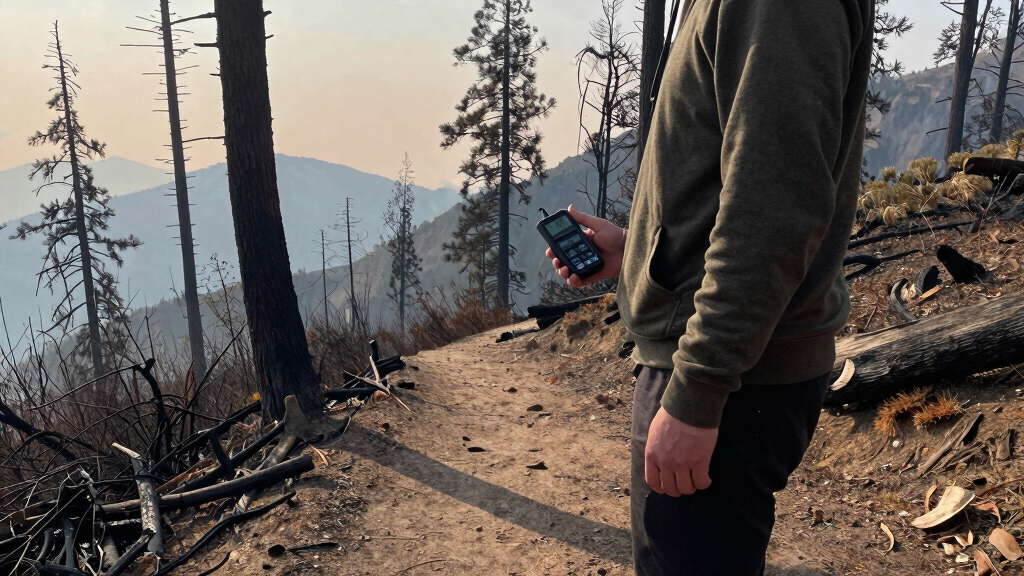
Canada is currently experiencing one of its most severe wildfire seasons in 2026, amid dangerous wildfires with hundreds of active fires across multiple provinces. The fires have led to evacuations, widespread air quality deterioration, and increased pressure on firefighting resources. The situation is evolving daily, and authorities warn that conditions could worsen as dry weather persists.
According to the Canadian Forest Service, as of early August 2026, over 1,200 active wildfires are burning across provinces including British Columbia, Alberta, and Quebec. These fires have collectively scorched more than 3 million hectares of land, surpassing previous records for the same period. Emergency services have issued numerous evacuation orders, especially in rural and suburban communities near fire zones.
Air quality indices (AQI) across southern Canada and parts of the northern United States have reached hazardous levels, prompting health advisories. The smoke has traveled southward, affecting cities such as Toronto, Montreal, and even reaching New York and Michigan, according to air quality monitoring agencies.
Authorities attribute the severity to a combination of prolonged drought, record-high temperatures, and early snowmelt, which have created conditions for wildfires. Firefighting efforts include thousands of personnel, aircraft, and equipment, but the scale of the fires has challenged response capabilities.
Impacts on Public Health and Regional Safety
The ongoing wildfires in Canada in 2026 are significant due to their extensive land damage and the health risks posed by smoke inhalation. The widespread air pollution affects millions, with vulnerable populations such as children, the elderly, and those with respiratory conditions at heightened risk. The fires also threaten communities, infrastructure, and ecosystems, with potential long-term ecological consequences.
Furthermore, the fires have economic implications, disrupting forestry, transportation, and tourism industries. The international community is closely monitoring the situation, as smoke and pollution cross borders, affecting air quality across North America.

WESTHEY H13 HEPA Air Purifier for Home up to 1650 Sq Ft Washable Pre-Filter
- 360° Surround Air Intake: Covers up to 1650 sq ft with 6 air changes per hour
- High-Efficiency HEPA Filter: Captures 99.98% of 0.3-micron particles
- Effective Pollutant Removal: Filters pet dander, dust, pollen, smoke, odors
As an affiliate, we earn on qualifying purchases.
As an affiliate, we earn on qualifying purchases.
Record-Breaking Fire Season and Climate Factors
The 2026 wildfire season follows a series of increasingly severe fire years in Canada, linked to climate change-driven factors such as higher temperatures and prolonged droughts. Historically, wildfire activity peaks in late summer, but this season has seen fires ignite earlier and spread more rapidly than usual. Previous notable seasons include 2021 and 2019, but current conditions are surpassing those in scope and intensity.
Canadian authorities have emphasized that climate change is a major driver behind the escalation, with experts warning that such extreme fire seasons may become more common if global warming continues unabated. The government has declared states of emergency in several provinces and is mobilizing additional resources to contain the fires.
“Climate change is significantly increasing the frequency and severity of wildfires in Canada, and this trend is expected to continue.”
— Environmental scientist Dr. Lisa Chen

3M Aura Particulate Respirator 9205+ N95, Lightweight, Three Panel Designed Respirator Helps Provide Comfortable And Convenient Respiratory Protection, 3-Pack
- Filtration Efficiency: NIOSH approved for 95%+ filtration
- Universal Fit: Fits various face shapes and sizes
- Comfortable Design: Curved low-profile fits nose and eyes
As an affiliate, we earn on qualifying purchases.
As an affiliate, we earn on qualifying purchases.
Uncertain Long-Term Ecological and Economic Impact
While the immediate situation is well-documented, the long-term ecological effects of the 2026 fires are still uncertain. It is also unclear how long firefighting efforts will need to continue and what the full economic impact will be on affected communities and industries. The potential for additional fires later in the season remains a concern, especially if weather conditions do not improve.
As an affiliate, we earn on qualifying purchases.
Monitoring Fire Progress and Climate Policy Responses
Authorities will continue to monitor fire activity closely, with updates expected as new fires ignite or existing ones are contained. Emergency response efforts will adapt to changing conditions, and climate policy discussions are likely to intensify given the severity of this season. Long-term recovery plans are being drafted for affected areas, with international support and aid possibly playing a role.
respiratory masks for wildfire smoke
As an affiliate, we earn on qualifying purchases.
As an affiliate, we earn on qualifying purchases.
Key Questions
How many wildfires are currently active in Canada in 2026?
As of early August 2026, there are over 1,200 active wildfires across multiple provinces, according to the Canadian Forest Service.
What areas are most affected by the wildfires?
The provinces most impacted include British Columbia, Alberta, and Quebec, with some fires threatening populated communities and critical infrastructure.
How is the air quality affected by the wildfires?
Air quality indices across southern Canada and parts of the US have reached hazardous levels, with smoke drifting into major cities like Toronto, Montreal, and New York.
What is causing the severity of the 2026 fire season?
Experts cite prolonged drought, record-high temperatures, and early snowmelt as key climate factors contributing to the extreme fire activity.
What are the long-term effects of this wildfire season?
The long-term ecological and economic impacts are still uncertain, but significant land damage and health risks are expected to persist.
Source: google-trends