
TL;DR
Listen free for 30 days with Audible
Thousands of audiobooks and originals — cancel anytime.
Start your free trialAs an affiliate, we earn on qualifying purchases.
Recent upgrades to weather radar technology are enhancing forecast accuracy across the US. While confirmed improvements are evident, some technical and deployment details remain under discussion.
Recent advancements in weather radar technology have led to the deployment of improved radar systems across the United States, enhancing organizational awareness of weather forecasts. These upgrades, confirmed by meteorological agencies, aim to better detect severe weather events and provide more timely warnings. Women’s Health Radar can also be a valuable tool for health-related weather impacts.
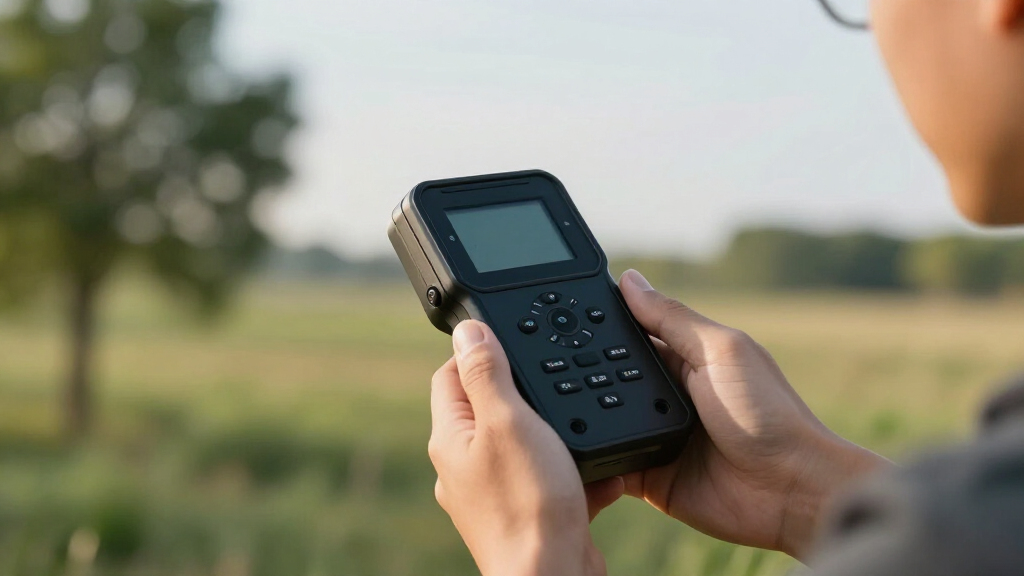
Several weather agencies, including the National Weather Service (NWS), have announced the rollout of next-generation radar systems, such as phased-array radars, which offer faster scanning and higher resolution compared to traditional Doppler radars. These systems are designed to improve detection of severe storms, tornadoes, and heavy precipitation, potentially saving lives and property.
According to the NWS, the new radars have already been installed in key locations, with initial data indicating a significant improvement in storm tracking and warning lead times. Industry experts highlight that these radars can scan the atmosphere in near real-time, reducing the delay in weather updates.
However, some technical challenges remain, including integration with existing infrastructure and calibration issues that require ongoing adjustments. For more on operational signals, see the Trade and supply-chain operations signal monitor. Deployment is also uneven, with some regions still operating older radar systems, which may affect forecast consistency nationwide.
Impact of New Radar Systems on Weather Forecasting
The deployment of advanced radar technology represents a major step forward in meteorology, potentially leading to more accurate and timely weather warnings. This can reduce the impact of severe weather events, saving lives and minimizing property damage. For the public, improved radar data means better preparation and response to weather emergencies.
For agencies, these upgrades could also streamline operations and improve data sharing with emergency services and the public. Nonetheless, the uneven rollout and technical hurdles mean that full benefits are still being realized across all regions.
As an affiliate, we earn on qualifying purchases.
Recent Developments in Radar Technology and Deployment Timeline
Over the past decade, weather radar technology has evolved from traditional Doppler radars to phased-array systems capable of rapid scanning and higher resolution imaging. The U.S. government has allocated funding for upgrading radar networks, with pilot programs beginning in 2021. By late 2023, several major cities and regions have reported the successful installation of these new radars.
Previous radar limitations, such as slow scan times and lower resolution, hindered early detection of fast-developing storms. The current upgrades aim to address these issues, with ongoing assessments of performance and integration challenges.
“While the technology is promising, we are still working through calibration issues and ensuring these radars integrate smoothly with existing systems.”
— John Miller, Weather Technology Expert
As an affiliate, we earn on qualifying purchases.
Remaining Technical and Deployment Challenges
It is not yet clear how quickly all regions will fully upgrade to the new radar systems, or how long calibration issues will persist. The impact of these challenges on forecast accuracy during the transition period remains to be seen.
As an affiliate, we earn on qualifying purchases.
Upcoming Deployment Phases and Performance Evaluations
Further deployment of phased-array radars is planned through 2024, with continuous performance monitoring and calibration adjustments. Agencies will assess the real-world impact on forecast accuracy and warning lead times, informing future upgrades.
As an affiliate, we earn on qualifying purchases.
Key Questions
How do new weather radars improve forecast accuracy?
They provide faster scanning and higher-resolution data, enabling meteorologists to detect severe weather developments more quickly and precisely.
Are all regions in the US receiving these new radars?
No, deployment is ongoing, with some regions still operating older systems. Full nationwide coverage is expected by late 2024.
What technical issues are currently being addressed?
Calibration challenges and integration with existing infrastructure are the main technical hurdles, which are being actively managed by agencies.
While improved radar data can lead to earlier warnings and better preparedness, the overall impact depends on timely deployment and operational effectiveness.
Source: google-trends
Flea & tick season Picks
flea and tick prevention
As an affiliate, we earn on qualifying purchases.