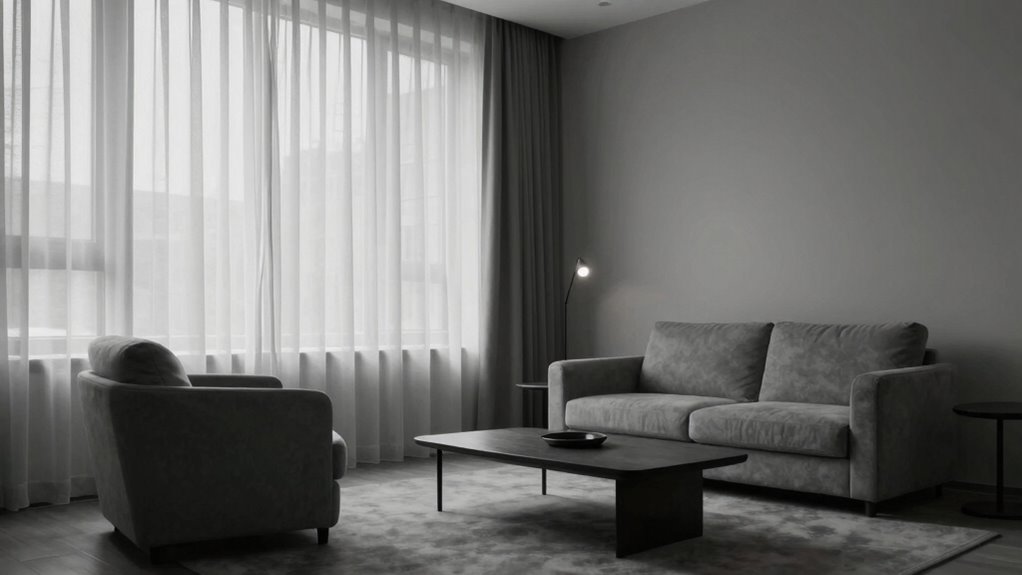

In a quiet room, you might think fewer distractions help focus, but silence can actually make minor sounds and visual details more noticeable. Without background noise, your mind may become more aware of internal thoughts and worries, leading to internal distraction. Small visual cues or faint sounds that are usually ignored become harder to block out. If you keep exploring, you’ll discover strategies to turn silence into a more productive environment.

Get school and study supplies delivered free — and shop member deals
- Fast, free delivery on millions of items
- Access to Prime Big Deal Days deals on October 6–7
- Prime Video, Amazon Music and more included
Key Takeaways
- Complete silence heightens awareness of subtle sounds, causing distractions rather than improving focus.
- Lack of auditory cues can lead to increased internal thoughts and rumination, reducing concentration.
- Visual details become more prominent in quiet environments, fragmenting attention and increasing distraction.
- The absence of background noise removes environmental buffers, making internal chatter more distracting.
- Incorporating gentle ambient sounds helps maintain focus by providing balanced sensory input.

Even though quiet rooms are often recommended to boost focus, they can sometimes have the opposite effect. When a space is completely silent, your mind might become more aware of subtle sounds or sensations that it normally ignores. Instead of concentrating, you may start to notice your own breathing, the ticking of a clock, or faint background noises like distant traffic or hums from electrical devices. These sounds, though minimal, can draw your attention away from your task, making it harder to stay immersed in your work. Without background noise to anchor your focus, your mind can wander more easily, seeking stimulation in the silence itself.
Silent environments can heighten awareness of subtle sounds, distracting focus instead of enhancing concentration.
In addition to sound, visual distractions can become more prominent in quiet rooms. Without auditory cues filling the space, your eyes might fixate on small details — a crack in the wall, a flickering light, or a passing shadow. These visual distractions can pull your attention away from what you’re trying to accomplish. When the environment is quiet and visually unengaging, your brain may start to seek out any visual stimuli, which can fragment your concentration. This is especially true if the room lacks variety or interest; in a stark, silent space, even minor visual features can become magnified in your focus. Sometimes, the absence of environmental cues can also lead to a sense of disconnection from your surroundings, further diminishing your focus.
You might also find that the absence of background noise makes your thoughts more restless. Sometimes, a little ambient sound—like light chatter, music, or nature sounds—acts as a buffer against over-focusing on internal thoughts or worries. When those sounds are missing, your mind can spiral into rumination or distraction. The silence can amplify internal chatter, making it easier to get lost in unproductive trains of thought. This can be frustrating, especially if you’re trying to maintain a steady flow of concentration. Recognizing the importance of environmental cues can help you create a more balanced and engaging workspace. Incorporating gentle, consistent auditory stimuli can help maintain your mental energy and focus over longer periods. Additionally, some individuals find that a slight background hum or white noise can provide just enough sensory input to keep their attention anchored without becoming disruptive.
As an affiliate, we earn on qualifying purchases.
Frequently Asked Questions
Can Noise-Canceling Headphones Improve Concentration in Quiet Rooms?
Yes, noise-canceling headphones can improve your concentration in quiet rooms. They block out background noise that might cause sensory overload or distract you, helping you focus better. Even in quiet settings, subtle sounds can be disruptive. Using these headphones creates a more controlled environment, reducing external stimuli and allowing your brain to concentrate fully on your tasks without unnecessary interruptions.
Do Personal Preferences Affect How Quiet Environments Influence Focus?
Yes, your personal preferences markedly influence how quiet environments affect your focus. If you prioritize personal comfort and environmental preferences, a silent room might boost your concentration if it aligns with your needs. Conversely, if you find absolute silence unsettling, a slightly less quiet setting or background sound may help you stay focused. Ultimately, tailoring your environment to your individual comfort level enhances your ability to concentrate effectively.
Are There Specific Tasks That Benefit More From Quiet Rooms?
Certain tasks, like deep concentration, reading, or problem-solving, benefit more from quiet rooms. When ambient noise is minimal, your cognitive load decreases, allowing you to focus better and process information efficiently. You avoid distractions that can break your attention, making quiet environments ideal for tasks requiring intense mental effort. However, tasks needing collaboration or creative brainstorming might thrive with some background noise, which can boost idea generation.
How Long Does It Take to Adapt to a Quiet Work Environment?
It typically takes about one to two weeks to adapt to a quiet work environment, but this adaptation period varies based on individual habits and the consistency of the environment. You’ll find that maintaining environmental consistency helps your brain adjust more quickly, reducing distractions over time. During this period, your focus improves as you become accustomed to the silence, allowing you to better concentrate on tasks without external interruptions.
Can Too Much Silence Cause Feelings of Isolation or Distraction?
They say, “Too much of a good thing can be bad,” and silence is no exception. When you’re in an overly quiet environment, you might feel social isolation or experience sensory deprivation, which can lead to distraction. This silence can make you feel disconnected from others, increasing feelings of loneliness and reducing focus. Remember, a little background noise often helps maintain mental balance and concentration.
As an affiliate, we earn on qualifying purchases.
Conclusion
Even in the silence of quiet rooms, your mind can falter like a ship lost in still waters. Without subtle stimuli, your focus may drift, leaving your thoughts stranded on an empty shore. Sometimes, a little noise stirs the depths of your creativity and concentration, like a gentle breeze awakening dormant sails. Remember, it’s not just silence that fuels your mind, but the delicate balance of sound and stillness that keeps your focus sailing smoothly.
As an affiliate, we earn on qualifying purchases.
visual distraction reducing desk accessories
As an affiliate, we earn on qualifying purchases.
As an affiliate, we earn on qualifying purchases.
Halloween Picks
halloween
As an affiliate, we earn on qualifying purchases.