You often experience glare because window placement and light management are overlooked in room design. When windows face the sun directly, or if there’s no shading, bright sunlight hits screens and work surfaces, causing discomfort and distraction. Poor positioning can make rooms too harsh during certain times of the day. By understanding how window choices affect light, you can create a space that’s both comfortable and productive—if you keep exploring, you’ll find ways to improve your room layout effectively.

Get school and study supplies delivered free — and shop member deals
- Fast, free delivery on millions of items
- Access to Prime Big Deal Days deals on October 6–7
- Prime Video, Amazon Music and more included
Key Takeaways
- Improper window placement allows direct sunlight to hit work surfaces, causing harsh glare.
- Lack of shading or adjustable treatments fails to control natural light effectively.
- Room orientation and window positioning often overlook glare-prone sunlight angles.
- Reflective surfaces and screens amplify glare, worsened by poor room layout.
- Ignoring natural light management leads to discomfort and reduced productivity.
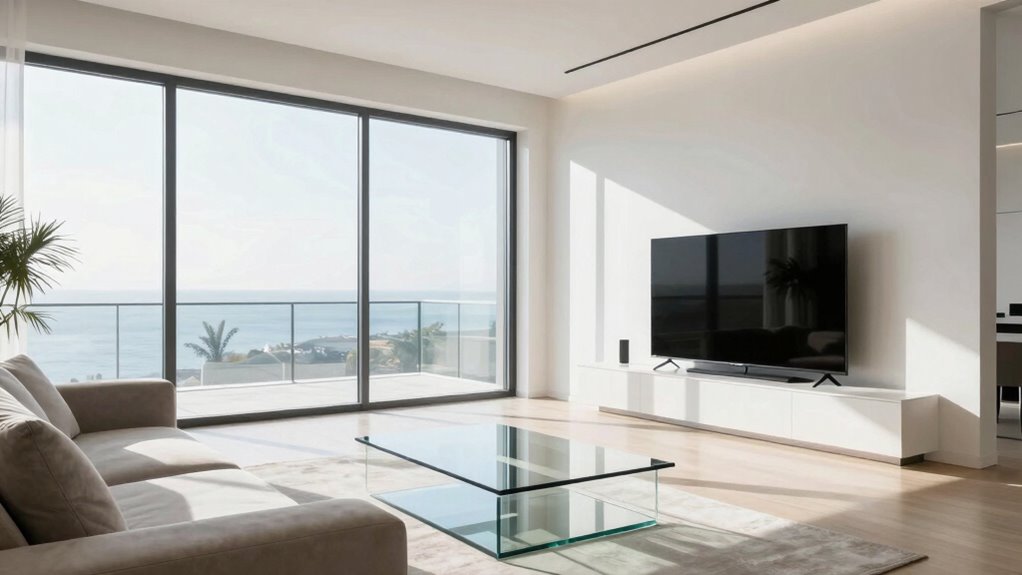
Glare isn’t just a minor inconvenience; it’s a fundamental room layout problem that can considerably impact your comfort and productivity. When natural light streams through your windows, it should enhance your space, not hinder it. However, poor window placement can cause harsh glare on screens, desks, or work surfaces, making it difficult to see or concentrate. If your windows are directly facing your workspace or positioned where sunlight hits at certain times of the day, you’re likely to experience glare issues that disrupt your daily routines. The key lies in understanding that natural light is a valuable resource, but only when it’s properly managed through thoughtful window placement.
Proper window placement is key to reducing glare and enhancing comfort in your space.
You might notice that during certain hours, sunlight floods into your room, reflecting off screens or shiny surfaces and creating discomfort. This often happens when windows are positioned directly opposite or adjacent to your work area without any shading or adjustments. The placement of windows influences how sunlight enters and moves throughout the day, so ignoring this factor can turn an otherwise bright and welcoming space into a glare-prone zone. For example, east-facing windows bring in morning light, while west-facing ones cause afternoon glare. Without strategic window placement or window treatments, you’re left battling the sunlight instead of enjoying its benefits. Incorporating natural light management strategies early on can significantly improve your room’s comfort and functionality. Recognizing the importance of daylight control techniques is essential for creating a space that is both bright and comfortable. Proper window positioning is fundamental to achieving this balance, ensuring that sunlight enhances rather than hinders your environment.
To reduce glare caused by natural light, you need to think about how to position your windows during the room design process. Proper window placement considers the room’s orientation, ensuring that direct sunlight doesn’t fall onto screens or work surfaces at inconvenient times. If you’re working with an existing space, adding adjustable window treatments like blinds or shades can help control the amount of light entering. Installing awnings or overhangs can also block intense sunlight during peak hours, minimizing glare without sacrificing the benefits of natural light. The goal is to find a balance: letting sunlight brighten your space without creating visual discomfort. Effective window design is a key factor in achieving this balance and preventing glare issues from the outset.
Additionally, understanding the importance of indoor light management can help you make informed decisions that enhance both comfort and energy efficiency. The key is to find a balance: letting sunlight brighten your space without creating visual discomfort. In essence, understanding the relationship between natural light and window placement helps you prevent glare instead of fighting it. By thoughtfully positioning windows and incorporating shading solutions, you can optimize your room for comfort and productivity. Proper planning allows you to enjoy the benefits of natural light—such as improved mood and energy—without the downsides of glare. When you address window placement early, you set your space up for long-term comfort, making your environment more functional and pleasant for work and relaxation alike.
adjustable window blinds for glare control
As an affiliate, we earn on qualifying purchases.
As an affiliate, we earn on qualifying purchases.
Frequently Asked Questions
How Can I Measure Glare Effectively in a Room?
To measure glare effectively, use glare measurement techniques like the Unified Glare Rating (UGR), which quantifies discomfort based on light source brightness and position. You can also perform visual assessments during different times of day. Incorporate lighting control strategies like adjustable blinds or dimmable fixtures to reduce glare. Regularly evaluate the space, adjusting lighting as needed, to guarantee comfort and minimize glare issues.
What Materials Increase or Reduce Glare in Interior Design?
Materials selection plays a key role in managing glare through surface reflection. To reduce glare, choose matte or textured finishes that diffuse light instead of reflecting it sharply. Avoid glossy surfaces like polished tiles or shiny plastics, as they increase glare. Instead, opt for fabrics, paints, or wall coverings with low reflectivity. These materials help control surface reflection, making your space more comfortable and visually balanced.
How Does Window Placement Influence Glare Issues?
Your window placement can turn your room into a glare battlefield or a cozy retreat. If you face the sun directly, especially with poor external obstructions like tall trees or buildings, you’ll battle blinding rays all day. Proper window orientation diminishes glare by avoiding direct sunlight during peak hours. Positioning windows thoughtfully and considering external obstructions guarantees natural light enhances your space without turning it into a glare nightmare.
Can Specific Lighting Fixtures Minimize Glare?
Yes, specific lighting fixtures can minimize glare. You should look for fixtures with good lighting control options, like dimmers and adjustable angles, to fine-tune brightness and reduce harsh reflections. Fixture design also matters—fixtures with diffusers or indirect lighting help distribute light evenly and prevent direct glare. By choosing the right combination of lighting control and thoughtful fixture design, you create a more comfortable, glare-free environment.
What Are the Health Effects of Prolonged Glare Exposure?
Prolonged glare exposure can cause significant health issues like visual discomfort and eye strain. When you’re exposed to intense or persistent glare, your eyes work harder to focus, leading to fatigue and headaches. Over time, this can increase your risk of developing more serious problems like migraines or even deteriorate your vision. To protect your health, it’s essential to manage glare effectively by adjusting lighting and room layout.
outdoor window awnings for sun shading
As an affiliate, we earn on qualifying purchases.
As an affiliate, we earn on qualifying purchases.
Conclusion
So, next time you blame your poor eyesight on the sun, remember it might just be your room’s layout playing tricks on you. Instead of blaming your eyes, maybe consider how the arrangement of furniture and windows invites glare in. Ironically, the very design meant to brighten your space could be the culprit behind your discomfort. Sometimes, a little rearrangement is all it takes to turn a glare-filled nightmare into a cozy retreat—who knew?
anti-glare screen protectors for monitors
As an affiliate, we earn on qualifying purchases.
As an affiliate, we earn on qualifying purchases.
window shades for natural light management
As an affiliate, we earn on qualifying purchases.
As an affiliate, we earn on qualifying purchases.
Halloween Picks
halloween
As an affiliate, we earn on qualifying purchases.