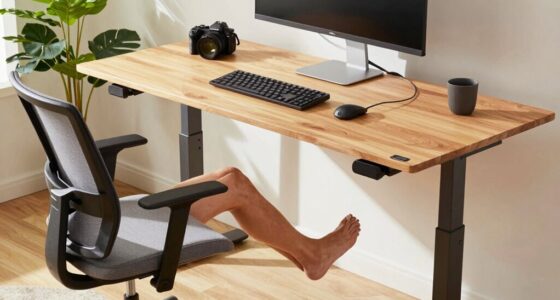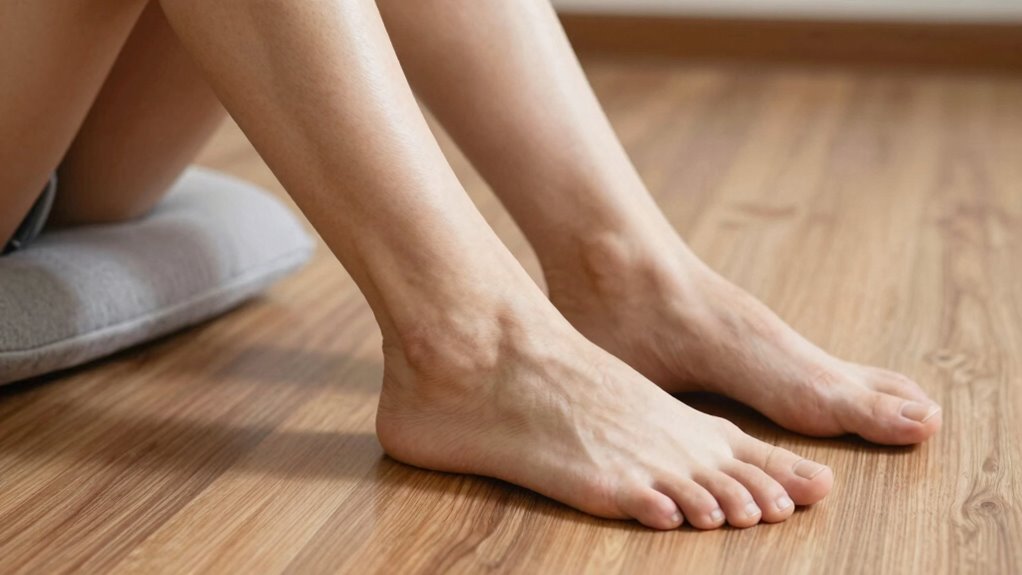
To fix your foot position for lower back comfort, focus on keeping your feet shoulder-width apart with proper ankle alignment. Support your arches with suitable shoes or insoles to prevent overpronation or supination. Regularly check your stance throughout the day, and avoid high heels or uneven surfaces that shift your balance. Small daily adjustments can make a big difference, and if discomfort persists, exploring expert advice can help you find lasting relief. Keep going to discover more helpful tips.

Get school and study supplies delivered free — and shop member deals
- Fast, free delivery on millions of items
- Access to Prime Big Deal Days deals on October 6–7
- Prime Video, Amazon Music and more included
Key Takeaways
- Ensure feet are shoulder-width apart to promote proper alignment and even weight distribution.
- Use supportive footwear with adequate arch support to maintain natural foot curvature.
- Regularly check and correct ankle positioning to prevent inward or outward rolling.
- Incorporate foot stretches and exercises to strengthen muscles that support proper foot stance.
- Seek professional evaluation if experiencing persistent back discomfort or signs of misalignment.
As an affiliate, we earn on qualifying purchases.
Understand How Foot Placement Influences Lower Back Health
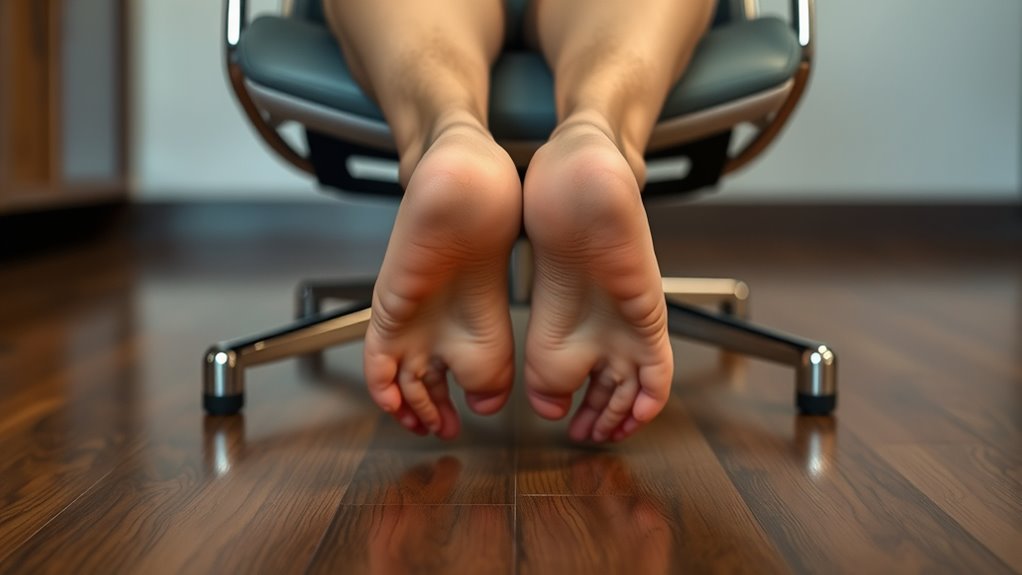
Your foot placement plays a crucial role in maintaining lower back health, as it directly affects your posture and alignment. Proper ankle alignment ensures that your legs and hips support your lower back evenly, reducing strain. When your ankles are misaligned, it can cause your feet to roll inward or outward, leading to uneven weight distribution. This imbalance puts extra pressure on your lower back muscles and joints. Adequate arch support is essential because it helps maintain natural foot curvature, preventing overpronation or supination. When your arches are supported properly, your feet stay aligned, which in turn promotes better overall posture. Paying attention to your foot placement and choosing supportive footwear can make a significant difference in preventing lower back pain caused by improper alignment. Additionally, proper footwear can help correct subtle misalignments and improve overall stability.
comfortable supportive shoes for lower back pain
As an affiliate, we earn on qualifying purchases.
As an affiliate, we earn on qualifying purchases.
Spot Poor Foot Positioning and Its Effects on Your Back
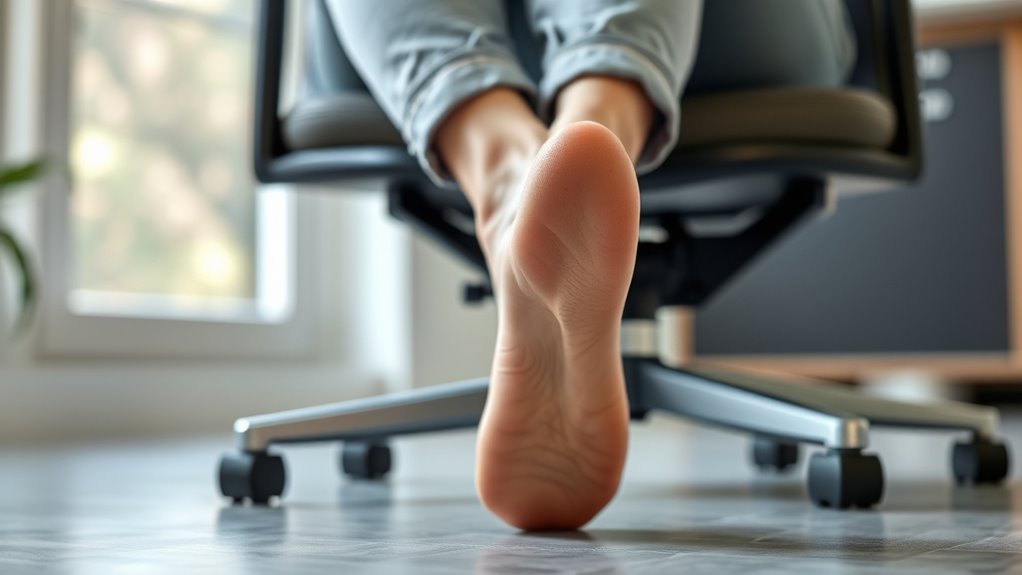
Poor foot positioning often goes unnoticed but can have immediate and lasting effects on your back health. When your ankle alignment is off, it can cause uneven weight distribution, leading to strain on your lower back muscles. Lack of proper arch support exacerbates this issue, forcing your legs and hips into misalignment. Over time, these imbalances can cause discomfort, stiffness, and even chronic pain. If your feet roll inward or outward, or if your arches collapse, your posture shifts, increasing pressure on your lumbar spine. Recognizing these signs is key, as poor foot positioning disrupts your body’s natural alignment. Addressing these issues early helps prevent longer-term back problems and improves overall comfort. Proper foot support and attention to ankle alignment are essential for maintaining healthy lower back function. Correcting foot posture can significantly alleviate back strain and promote better spinal health.
foot alignment correction orthotics
As an affiliate, we earn on qualifying purchases.
As an affiliate, we earn on qualifying purchases.
Find the Right Foot Stance to Ease Lower Back Pain
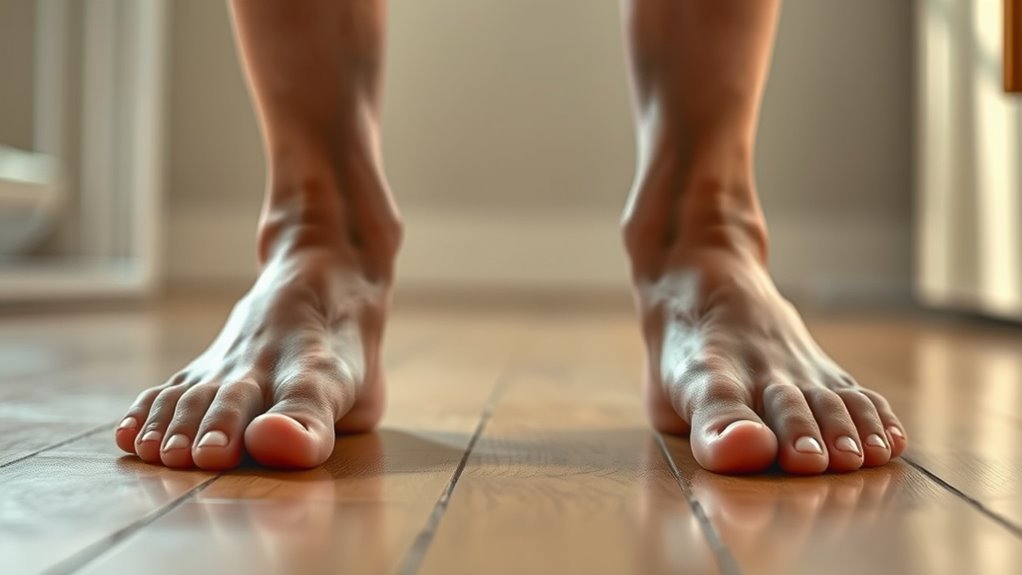
Finding the right foot stance can considerably reduce lower back pain by promoting proper alignment and weight distribution. Start by ensuring your ankles are aligned, preventing inward or outward tilting that can strain your back. Your feet should be shoulder-width apart, providing a stable base. Pay attention to arch support; shoes with adequate arch support help maintain natural foot positioning, which directly impacts your lower back’s comfort. Proper foot placement encourages even weight distribution across your feet, reducing unnecessary pressure on your lumbar region. Avoid overly narrow or wide stances that can cause imbalance. By consciously adjusting your foot stance to support healthy ankle alignment and arch support, you set a sturdy foundation that alleviates lower back stress and promotes better posture overall. Proper foot positioning is essential for maintaining good overall body mechanics and preventing strain.
foot stretches and exercises for back health
As an affiliate, we earn on qualifying purchases.
As an affiliate, we earn on qualifying purchases.
Learn Simple Ways to Adjust Your Foot Position Daily
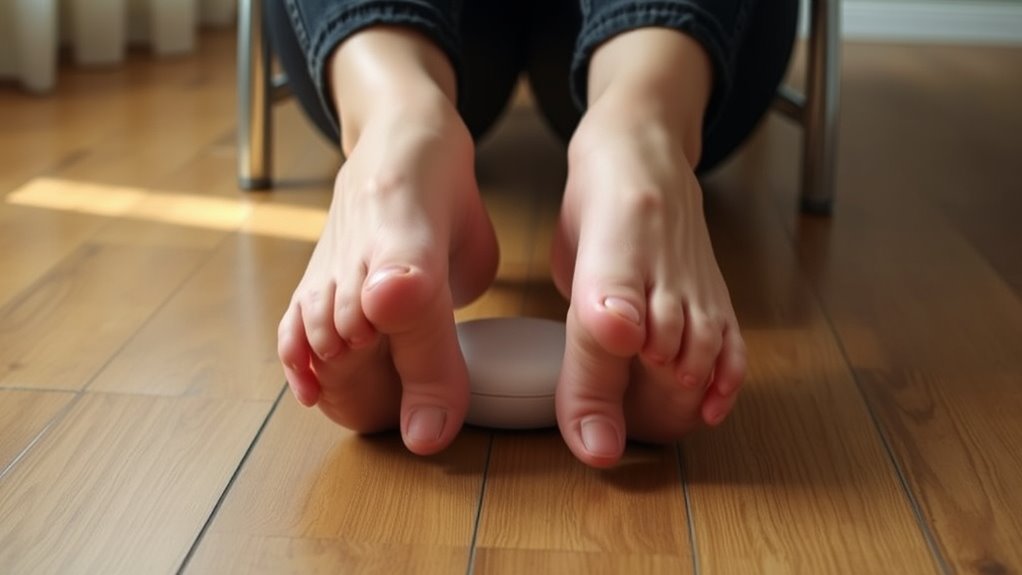
To maintain proper foot positioning throughout the day, incorporate simple, daily adjustments into your routine. Start by paying attention to your ankle alignment—keep your feet straight and avoid rolling inward or outward. Regularly check your stance when standing or sitting, making small tweaks as needed. Pay close attention to your shoe selection; choose supportive shoes that promote proper ankle alignment and offer stability. Avoid high heels or shoes with uneven soles, as they can shift your foot position and cause discomfort. Incorporate brief stretches or foot rotations into your day to reset your stance. Additionally, practicing aquatic exercise can help strengthen the muscles responsible for maintaining proper foot alignment. These simple habits help guarantee your feet stay aligned, reducing strain on your lower back and promoting overall comfort throughout the day.
Know When to Get Professional Help for Back Discomfort
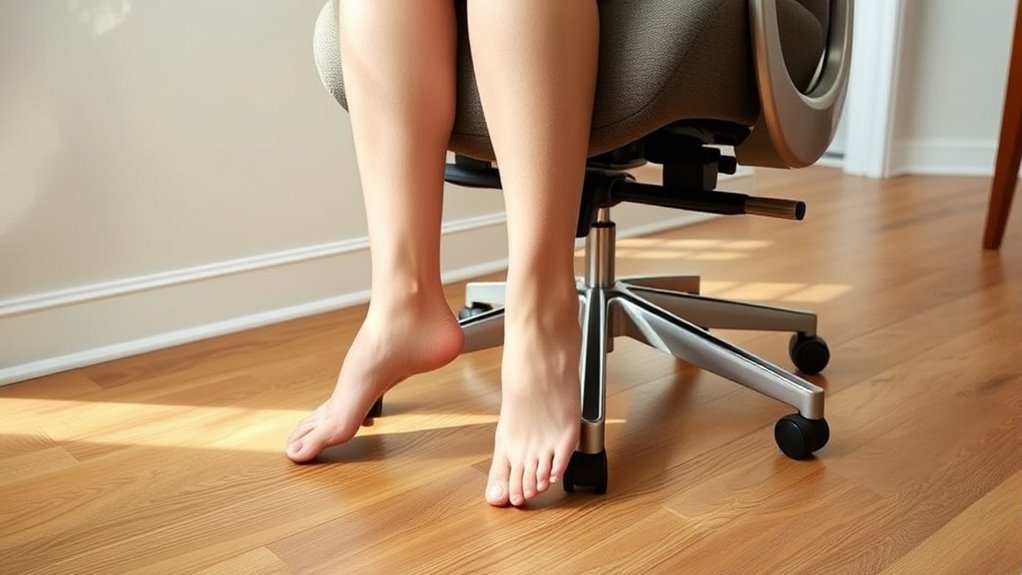
Even with daily foot adjustments, persistent or severe back discomfort may indicate a problem that requires professional evaluation. If your symptom severity worsens or doesn’t improve after trying foot position fixes, it’s time to consult a healthcare provider. Warning signs include ongoing pain, numbness, tingling, weakness, or difficulty moving. Ignoring these symptoms can lead to further injury or chronic issues. A professional can accurately diagnose the root cause and recommend effective treatment options, such as physical therapy, medications, or specialized interventions. Proper understanding of the contrast ratio can also help in assessing and improving your home setup for better back comfort. Don’t hesitate to seek help if your discomfort persists or escalates, as early intervention can prevent long-term damage and improve your overall back health. Recognizing when professional help is needed ensures you get the appropriate care to restore comfort and mobility.
Frequently Asked Questions
Can Footwear Choices Affect My Lower Back Pain?
Yes, your footwear impact can substantially influence lower back pain. Wearing supportive shoes helps maintain proper posture correction, reducing strain on your lower back muscles and spine. Poor footwear choices, like high heels or unsupportive shoes, can throw off your alignment, causing discomfort. Choosing footwear that offers good arch support and cushioning promotes better posture, alleviating lower back pain and preventing future issues.
How Long Should I Maintain a Proper Foot Stance Daily?
You should aim to maintain a proper foot stance for about 15 to 30 minutes daily, spreading it out in intervals rather than all at once. Incorporate regular daily maintenance by adjusting your foot stance throughout the day, especially if you stand or sit for long periods. This helps reduce strain on your lower back and improves overall comfort. Remember, consistency is key for lasting benefits.
Are There Specific Exercises to Improve Foot Positioning?
Think of your foot like an arch bridge—strengthen it with specific exercises. You can do toe stretching to enhance flexibility and improve your foot alignment. Incorporate simple exercises like toe curls and arch lifts, which act like reinforcing the bridge’s structure. These exercises help stabilize your foot, ensuring better posture and reducing lower back discomfort. Regular practice makes your foot’s foundation stronger, supporting your entire posture like a sturdy bridge.
Does Leg Length Discrepancy Impact Foot Positioning and Back Health?
Yes, leg length discrepancy can affect your foot positioning and back health. When one leg is shorter, it alters your gait, causing uneven weight distribution and potential discomfort. A gait analysis helps identify these issues, enabling targeted interventions. Correcting leg length differences through exercises, orthotics, or therapy can improve foot alignment, reduce strain, and promote better back health. Addressing these factors early prevents long-term problems.
How Does Sitting Versus Standing Alter Optimal Foot Placement?
A stitch in time saves nine, so adjusting your foot placement is key. When sitting, keep your feet flat on the ground to promote proper posture alignment and prevent strain. Standing, shift your weight evenly and avoid locking your knees. Ergonomic adjustments like proper foot positioning help maintain comfort and reduce back pain, regardless of whether you’re sitting or standing. Being mindful of these details keeps your posture aligned and your back happy.
Conclusion
By mastering your foot placement, you can turn your back from a ticking time bomb into a fortress of comfort. Just a tiny shift in your stance can banish lower back pain faster than you can say “relief.” Don’t let poor footing turn your daily life into a never-ending saga of discomfort—take control now! Correct your foot position consistently, and watch your back transform from fragile to invincible. Your back’s future depends on it!
Halloween Picks
halloween
As an affiliate, we earn on qualifying purchases.