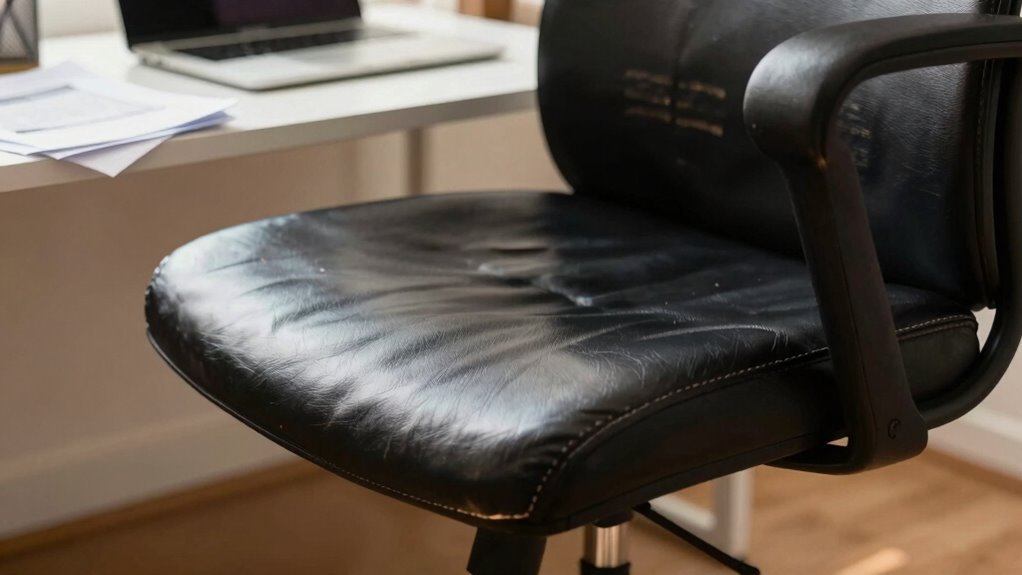

Your chair feels fine for an hour because your body adjusts easily at first, but as the day goes on, subtle postural changes and accumulated strain make it uncomfortable. Small misalignments and lack of ongoing adjustments cause muscles to work harder and become sore. Your posture habits and the need for regular movement also affect comfort. If you keep exploring, you’ll discover how ongoing adjustments and awareness can help maintain comfort all day.

Get school and study supplies delivered free — and shop member deals
- Fast, free delivery on millions of items
- Access to Prime Big Deal Days deals on October 6–7
- Prime Video, Amazon Music and more included
Key Takeaways
- Initial comfort is due to easy body adjustment, but subtle misalignments worsen over prolonged periods.
- Ergonomic setup needs ongoing fine-tuning to maintain proper posture and support throughout the day.
- Poor posture habits, like slouching, accumulate strain, causing discomfort after extended sitting.
- Lack of movement reduces circulation, increasing muscle fatigue and discomfort over time.
- Continuous awareness and small adjustments help sustain comfort and prevent long-term discomfort.
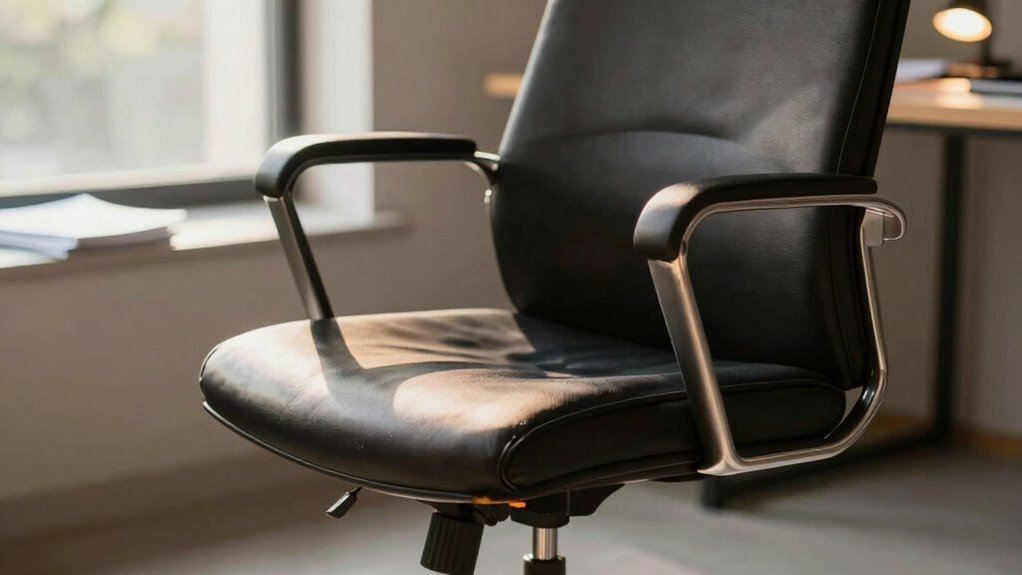
Have you ever noticed how your chair feels comfortable at first but becomes uncomfortable after a day of sitting? That’s because, initially, your body adjusts easily to the seat’s support, but over time, subtle issues start to surface. Your body isn’t just passively sitting; it’s actively affected by how well your chair supports your posture and how you manage your ergonomic adjustments throughout the day. When you sit for hours, the small misalignments in your posture habits—like slouching or leaning forward—compound, causing discomfort and fatigue. That’s why what feels fine initially can become unbearable later.
The key to understanding this lies in ergonomic adjustments. When you first sit down, your chair might seem perfect, but if you haven’t customized it to your body’s needs, your comfort won’t last. Adjusting your chair’s height so your feet are flat on the floor, or ensuring that the lumbar support fits the curve of your lower back, can make a significant difference. These subtle tweaks help maintain proper alignment, reducing strain on your muscles and joints as the hours pass. Without these adjustments, your muscles work harder to compensate for the lack of support, leading to soreness and discomfort.
Proper ergonomic setup is essential for long-term comfort, as it ensures your workstation supports healthy posture habits. Your posture habits play a crucial role too. If you tend to slouch or crane your neck forward, these habits can become ingrained, causing tension and pain over time. Even if your chair initially feels supportive, poor posture habits can undo that comfort. Over the course of a day, the cumulative effect of slouching or leaning on one side leads to muscle fatigue, especially in your neck, shoulders, and lower back. It’s important to develop awareness of your posture and make a conscious effort to sit upright, engaging your core and keeping your shoulders relaxed. Practicing posture awareness can help reinforce good sitting habits and prevent discomfort from building up. Additionally, incorporating regular movement into your day can help alleviate prolonged static pressure and improve circulation.
Ultimately, the reason your chair feels fine for an hour but not a day is a combination of how well you’ve set up your workspace and how consistently you maintain good posture habits. Ergonomic adjustments aren’t just about setting your chair once; they’re about continuously fine-tuning your position to support your body’s changing needs. Developing awareness and making these small, intentional changes can help you sustain comfort and reduce fatigue, so sitting doesn’t become a source of pain after hours. Remember, comfort isn’t just about the chair—it’s about how you interact with it over time.
ergonomic office chair with adjustable lumbar support
As an affiliate, we earn on qualifying purchases.
As an affiliate, we earn on qualifying purchases.
Frequently Asked Questions
How Does Posture Affect Long-Term Comfort?
Your posture directly impacts long-term comfort by maintaining proper spinal alignment and providing lumbar support. When you sit with good posture, your spine stays naturally aligned, reducing strain and discomfort. Proper lumbar support helps prevent lower back pain, especially during prolonged sitting. By actively adjusting your posture and ensuring your chair supports your lower back, you can experience sustained comfort and avoid long-term issues caused by poor posture habits.
Can Seat Material Impact Prolonged Sitting Comfort?
Yes, seat material can impact prolonged sitting comfort. Fabric with good ventilation helps regulate temperature and reduces sweat buildup, keeping you comfortable longer. Cushion density also plays a role; higher density cushions offer better support and maintain shape over time, preventing discomfort. Choosing a chair with breathable fabric and appropriate cushion density guarantees you stay comfortable, even during extended sitting periods.
Does Sitting Duration Influence Back Pain?
You bet sitting duration influences back pain. When you sit too long, even with good foam cushioning and lumbar support, your muscles get tired and strain increases. Think of it as pushing a car uphill—eventually, it’s going to wear you down. To prevent discomfort, take regular breaks, change positions, and make sure your chair offers proper lumbar support. Your back will thank you for it!
Are Ergonomic Chairs Better for Extended Use?
Yes, ergonomic chairs are better for extended use. They offer adjustable features like lumbar support, seat height, and armrests, helping you customize comfort and reduce strain. Plus, their aesthetic appeal means they look good in your workspace, encouraging regular use. By providing proper support and comfort over long periods, ergonomic chairs help prevent discomfort and back pain, making your workday more productive and less painful.
How Can I Improve Comfort Over a Full Workday?
Imagine your comfort is a delicate balance, and ergonomic design is the steady hand guiding it. To improve comfort over a full workday, prioritize chairs with good seat padding and adjustable features. Take regular breaks to stretch, and adjust your seat height and lumbar support to maintain proper posture. These small adjustments, like tuning a finely crafted instrument, can make your day more comfortable and prevent fatigue.
ergonomic seat cushion for long sitting
As an affiliate, we earn on qualifying purchases.
As an affiliate, we earn on qualifying purchases.
Conclusion
Remember, even the best chair can be a touch too welcoming over time. While it might feel just right at first, lingering too long can turn comfort into a quiet whisper of discomfort. So, take gentle breaks and switch things up—your body will thank you for the subtle reminder that lasting comfort often comes from small, thoughtful adjustments. After all, a little change now and then keeps the day smoothly flowing.
adjustable desk chair for proper posture
As an affiliate, we earn on qualifying purchases.
As an affiliate, we earn on qualifying purchases.
Halloween Picks
halloween
As an affiliate, we earn on qualifying purchases.