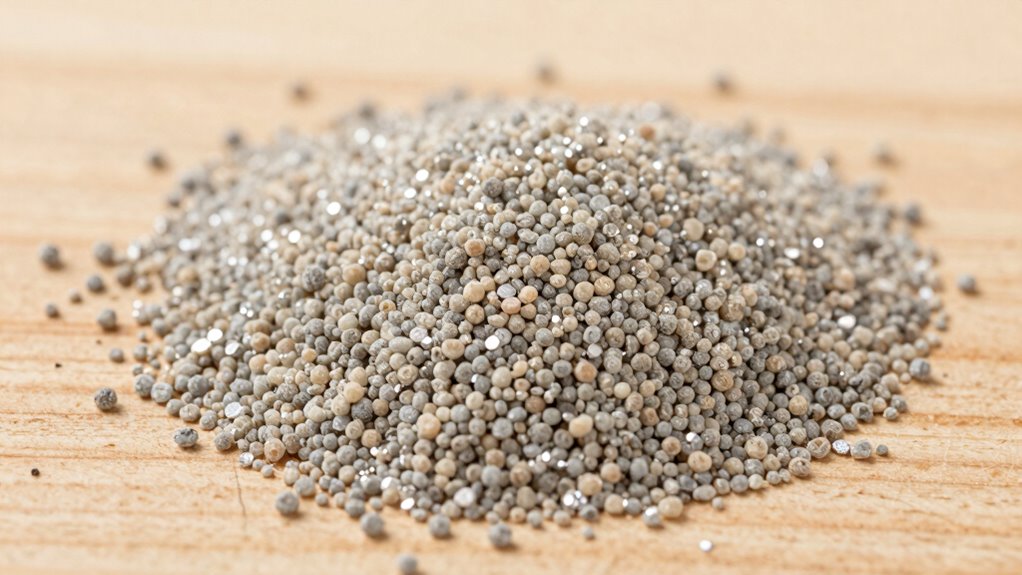

To achieve a smooth finish, follow the fast rule of progressing from coarse to fine sanding grits. Start with a lower grit number (like 60 or 80) to remove rough imperfections quickly. Then, move to medium grit (120-150) to smooth scratches. Finish with a fine grit (220+) for a silky surface. Skipping steps can cause surface flaws, so understanding this sequence helps you get professional results efficiently—plus, you’ll discover more tips along the way.
Key Takeaways
- Start with coarse grit (60-80) to remove imperfections quickly.
- Progress to medium grit (120-150) for smoothing scratches left by coarse grit.
- Finish with fine grit (220+) for a smooth, professional surface.
- Do not skip intermediate grits to prevent uneven or rough finishes.
- Match grit progression to material and desired finish for optimal results.
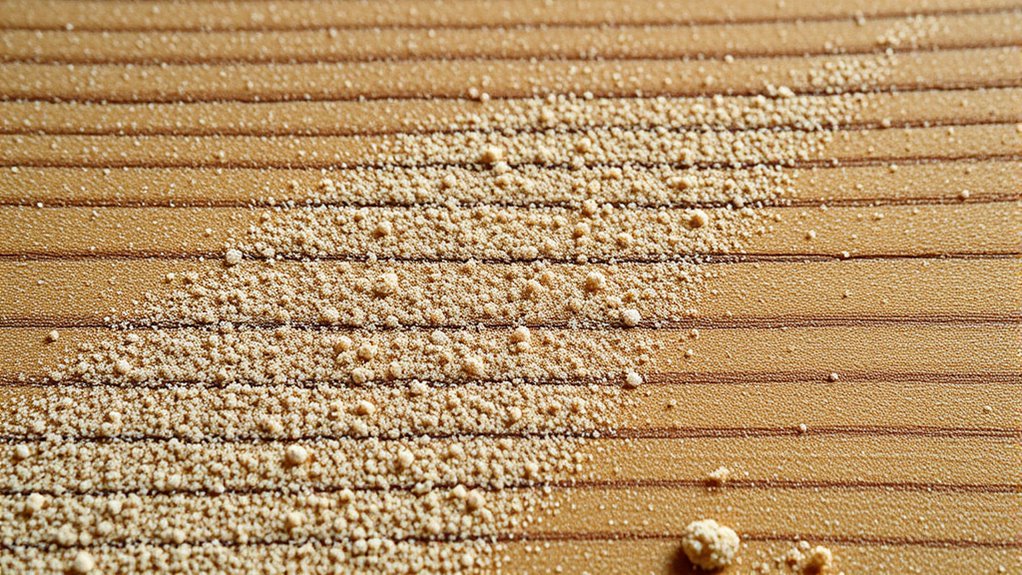
Have you ever wondered how to choose the right sanding grit for your project? It’s a common question, and the answer lies in understanding abrasive materials and grit progression. The type of abrasive material—whether aluminum oxide, silicon carbide, or garnet—affects how quickly the grit removes material and how smooth the finish will be. Each material has its strengths: aluminum oxide is durable and great for wood and metal, while silicon carbide is sharper and better suited for harder surfaces like plastic or ceramic. By selecting the appropriate abrasive material, you ensure efficient sanding and avoid unnecessary wear on your tools or damage to your workpiece.
Once you’ve decided on the abrasive material, the next step is understanding grit progression. Grit size refers to the coarseness or fineness of the abrasive particles, with lower numbers indicating coarser grits and higher numbers representing finer ones. Starting with a coarse grit, such as 60 or 80, helps you remove rough imperfections, old paint, or heavy material faster. Then, you gradually move to medium grits like 120 or 150 to smooth out scratches from the initial sanding. Finally, finishing with fine grits like 220 or higher gives you a silky surface ready for finishing or painting. Following this grit progression ensures you don’t skip essential steps, which could lead to an uneven or rough final finish.
Start with coarse grit, then progress to finer grits for a smooth, professional finish.
Additionally, understanding the abrasive material‘s properties can help you anticipate how quickly it will wear down and when to switch to finer grits, ultimately saving time and improving your results. The key to mastering sanding is to be deliberate with your grit choices at each stage. Skipping intermediate grits might save time initially but will often result in a less polished appearance or visible scratches that can’t be easily sanded out later. Conversely, sticking to a proper grit progression allows you to build a smooth, even surface with minimal effort. Also, remember that the abrasive materials you choose influence how many grit changes you’ll need; some materials wear down faster and may require more frequent switching to finer grits.
Using the right abrasive materials and following a logical grit progression makes all the difference in achieving a professional, smooth finish. It’s about balancing efficiency with quality—starting coarse enough to remove imperfections but finishing fine enough to create an ideal surface for finishing. With practice, you’ll develop an instinct for selecting the right grit at each stage, saving time and effort while ensuring your project looks its best. Keep in mind that patience and attention to grit progression are essential—skipping steps or rushing through the process can undermine your results. By mastering these fundamentals, you’ll turn rough surfaces into sleek, polished masterpieces effortlessly.

180 PCS Mini Detail Sanding Kit, 80-1000 Grit Sandpaper with Finger Sanding Blocks for Small Areas and Corners, Ideal for Woodworking, Furniture Repair, Crafts and DIY
- Complete Sanding Kit: Includes 180 sandpapers and micro sanding block
- Nine Grit Variations: Grits from 80 to 1000 for versatile sanding
- Color-Coded Grits: Red, yellow, grey for easy grit identification
As an affiliate, we earn on qualifying purchases.
As an affiliate, we earn on qualifying purchases.
Frequently Asked Questions
Can Sanding Grit Be Reused Multiple Times?
Yes, you can reuse sanding grit multiple times, but its lifespan depends on how well you maintain it. To maximize sandpaper lifespan, clean the grit regularly by gently tapping or using a brush to remove debris. Grit recycling involves carefully evaluating if the grit still effectively sands your surface without clogging or losing abrasiveness. Keep in mind that as the grit wears down, its effectiveness decreases, so replace it when it no longer performs well.
How Do I Store Different Grit Sandpapers?
Storing different grit sandpapers properly is as vital as a safe vault for treasure. Keep your grit categorization organized by using labeled, airtight containers or dedicated drawers. Store your sandpapers flat in a cool, dry place to prevent warping and damage. Avoid mixing grits, which helps you find the right one quickly and keeps everything in top shape. Following these storage tips ensures your sandpapers stay effective and ready whenever you need them.
Are There Eco-Friendly Sanding Grit Options?
Yes, you can choose eco-friendly sanding grit options like biodegradable abrasives and plant-based grit. These alternatives break down naturally, reducing environmental impact. Look for products labeled as biodegradable or made from plant-based materials, and you’ll find they work well for smoothing surfaces without harming the planet. Switching to these options helps you finish your projects sustainably while still achieving that smooth, professional look.
How Does Grit Size Affect Sanding Speed?
Think of grit size like a race car’s speed; the lower the grit, the faster you sand. Using a coarse abrasive material with larger grit numbers removes material quickly, making your sanding process faster. As you progress with finer grits, sanding slows but smooths the surface better. Grit progression guarantees you start with speed and finish with finesse, balancing efficiency and quality in your project.
What Safety Gear Is Recommended When Sanding?
When sanding, you should wear protective eyewear to shield your eyes from dust and debris, and a dust mask to prevent inhaling fine particles. These safety gears protect you from potential irritants and airborne dust that can cause respiratory issues or eye injuries. Always make certain your protective gear fits properly and use it consistently, especially during prolonged sanding sessions, to keep yourself safe and healthy.

8 Pack Sanding Sponge Block, Wet Dry Sandpaper Sand Paper for Drywall Wood
- Variety of Grits: Includes 4 grit levels: 60/80/120/220
- Handheld Size: Compact 4 x 2.75 x 0.65 inches
- Reusable & Washable: Durable sponge for multiple uses
As an affiliate, we earn on qualifying purchases.
As an affiliate, we earn on qualifying purchases.
Conclusion
Now that you understand how different sanding grits work, you might think using the highest grit always gives the smoothest finish. But that’s not entirely true. Sometimes, starting with a coarser grit and gradually moving to a finer one actually produces better results. Think of it like sanding a rough surface—skipping steps can leave scratches. So, trust the process: match your grit to your project, and you’ll achieve a flawless, professional finish every time.

4 Pack Hand Sanding Sponge Set -120 220 320 400 Grit- Coarse Medium Fine Grit Sanding Block, Sander Sponges for Wood-Working Drywall Metal, Washable and Reusable Sponge for Rust Removal Polishing
- Assorted Grits Included: 120, 220, 320, 400 grits for various needs
- Color-Coded for Easy Identification: Different colors for quick grit recognition
- High-Density Durable Material: Flexible, tear-resistant, long-lasting sponge
As an affiliate, we earn on qualifying purchases.
As an affiliate, we earn on qualifying purchases.

Romeda 8-Pack Sanding Sponge, Four Grits Per Pack 60/80/120/220, Washable and Reusable Handmade Sandpaper Block, Drywall Sandpaper Blocks for Wooden Drywall Sheetrock and Metal Glazing
- Assorted Grits and Colors: 8 sanding blocks with 4 grit sizes
- Durable High-Density Sponge: Flexible, tear-resistant, long-lasting material
- Wide Application Range: Suitable for woodworking, drywall, metal, and more
As an affiliate, we earn on qualifying purchases.
As an affiliate, we earn on qualifying purchases.