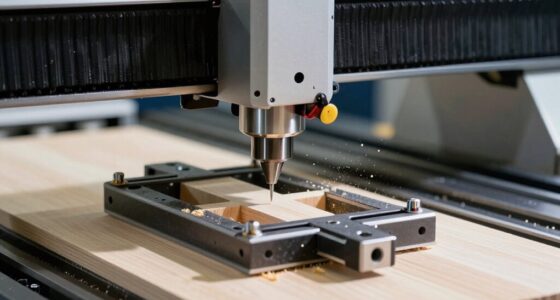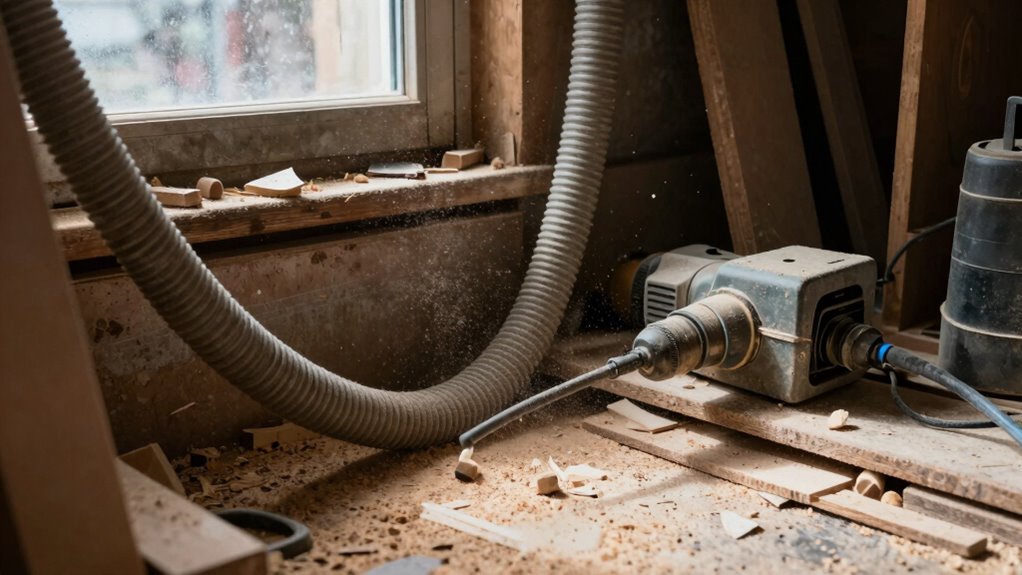

In small workshops, dust often accumulates quickly and spreads secretly in tight spaces, creating hidden health and safety risks. Limited equipment and space make effective dust control challenging, and airborne particles can linger unnoticed. Without proper air filtration and routine maintenance, dust levels build up, affecting both cleanliness and your health. If you want to discover how to better manage these hazards and improve your workspace, there’s more to take into account.

Prime made for students and young adults
- Fast, free delivery for dorm and study essentials
- Prime Video and Amazon Music included
- Member-only deals
Key Takeaways
- Limited space and equipment hinder effective dust collection, leading to airborne particles and workspace contamination.
- Inadequate or poorly maintained filtration systems fail to capture microscopic dust, risking health hazards.
- Dust often accumulates quickly in confined areas, making consistent removal challenging.
- Lack of proper safety protocols and ventilation increases dust exposure and health risks.
- Neglecting regular maintenance of filtration and containment measures worsens dust buildup and workplace safety.
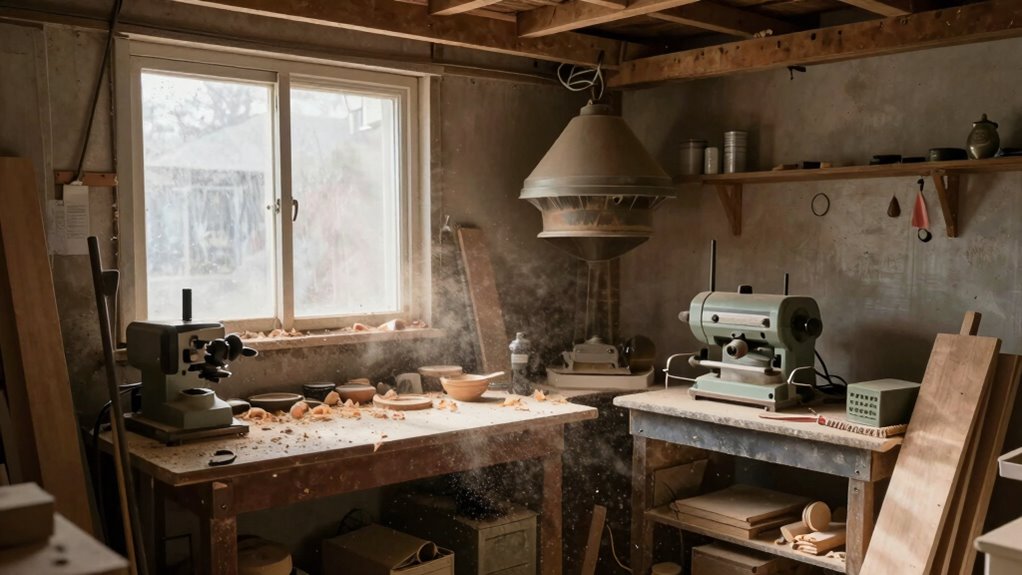
Small workshops often struggle with dust collection because their equipment and space are limited, making it hard to control airborne particles effectively. Dust can quickly become an issue, impacting not just your workspace’s cleanliness but also your health. The key to managing this problem lies in understanding the importance of proper air filtration and adhering to safety protocols. When dust particles float freely in the air, they pose risks to your respiratory system and can lead to long-term health issues if not managed properly. Investing in effective air filtration systems is essential, especially in confined spaces where dust tends to accumulate rapidly. These systems remove airborne particles before they settle on surfaces or are inhaled, creating a safer, cleaner environment. However, choosing the right filtration system isn’t just about capacity; you need to consider the type of dust produced in your workshop and whether your current setup can handle it. High-efficiency particulate air (HEPA) filters are often recommended because they trap even microscopic particles, but they require proper maintenance to stay effective. Additionally, understanding the types of dust particles you encounter can help in selecting the most suitable filtration technology for your specific needs.
Alongside air filtration, safety protocols serve as your first line of defense against dust-related hazards. You should establish and follow clear procedures for dust management, including regular cleaning routines, proper disposal of debris, and the use of personal protective equipment like masks and goggles. Consistently maintaining these protocols can substantially reduce dust levels and prevent accidental inhalation. It’s also vital to ensure your workshop is well-ventilated, with airflow directed outside whenever possible. This prevents dust from recirculating and settling on surfaces again. Implementing ventilation strategies can greatly improve air quality and reduce dust buildup over time. When working with power tools or materials that produce a lot of dust, consider temporary containment measures, such as portable dust collectors or barriers, to minimize spread. Recognizing the importance of air filtration systems and proper ventilation is essential for long-term health and workspace cleanliness. Additionally, understanding the different types of dust particles and their specific health risks can help you tailor your dust management strategies more effectively.
Implementing safety protocols and investing in reliable air filtration systems work hand in hand to combat dust issues effectively. You’ll find that regular maintenance of your filtration units and adherence to safety procedures keep dust levels manageable. Remember, small workshops often overlook these aspects, but neglecting them can lead to health problems and a messy workspace. By prioritizing proper air filtration and establishing strict safety protocols, you create a safer environment for yourself and anyone else who enters your workshop. It’s not just about cleanliness—it’s about protecting your health and ensuring your workspace remains functional and safe for the long haul.
As an affiliate, we earn on qualifying purchases.
Frequently Asked Questions
How Do I Determine the Right Dust Collector Size for My Workshop?
To determine the right dust collector size for your workshop, start by calculating your tools’ total airflow needs, ensuring ideal airflow efficiency. Consider the CFM (cubic feet per minute) ratings of your equipment and select a collector that can handle that volume effectively. Remember, proper filter maintenance is essential to keep airflow steady and prevent clogging, which helps maintain consistent dust extraction and keeps your workspace safe and clean.
What Are the Health Risks Associated With Poor Dust Management?
Poor dust management puts your health at risk by exposing you to airborne particles that can cause respiratory issues, allergies, and asthma. When dust isn’t properly collected, these tiny particles linger in the air, increasing your inhalation risk. Over time, this can lead to chronic respiratory problems and diminish your overall respiratory health. To protect yourself, make certain you have an effective dust collection system that minimizes airborne particles and promotes a safer workshop environment.
Can I Retrofit Existing Tools for Better Dust Collection?
You can retrofit existing tools for better dust collection, but keep in mind that about 60% of small workshop owners face tool compatibility and retrofit challenges. To succeed, you’ll need to assess each tool’s design and seek compatible dust collection attachments or modifications. Some tools may require custom solutions, which can be tricky, but with patience and proper parts, improving dust collection is definitely achievable and worth the effort.
How Often Should I Clean or Replace Dust Collection Filters?
You should clean or replace your dust collection filters regularly to maintain ideal air quality and filter efficiency. Generally, check filters every one to three months, depending on usage, and replace them when they become clogged or damaged. Regular filter maintenance ensures your system runs smoothly, keeps airborne dust levels down, and protects your health. Don’t wait until airflow decreases—stay proactive with your filter care for a cleaner, safer workshop environment.
What Are Cost-Effective Solutions for Small Workshop Dust Problems?
You can stretch your dollar by investing in simple air filtration units and DIY dust separators, which are cost-effective solutions for small workshop dust problems. These options improve air quality without breaking the bank. Keep filters clean and replace them as needed to maintain efficiency. Combining these approaches helps you stay safe and saves money, proving that sometimes, the best things come in small, budget-friendly packages.
dust collection system for small workshop
As an affiliate, we earn on qualifying purchases.
As an affiliate, we earn on qualifying purchases.
Conclusion
So, here’s the irony: while you’ve probably invested in fancy tools to craft your projects, you might have ignored that tiny dust problem lurking in the corner. It’s almost poetic—your workshop’s biggest enemy is the very dust you helped create. But don’t worry, fixing that dust collection issue is easier than sanding a rough edge. After all, a clean workshop isn’t just tidy—it’s your secret weapon against sneaky dust disasters.
portable workshop dust collector
As an affiliate, we earn on qualifying purchases.
As an affiliate, we earn on qualifying purchases.
As an affiliate, we earn on qualifying purchases.
Columbus Day / Indigenous Peoples' Day Picks
long weekend sales
As an affiliate, we earn on qualifying purchases.