
Shop air filtration alone isn’t enough because it can leave gaps in contaminant control, especially if pollutants are produced faster than filters can handle. By capturing contaminants at their source, you prevent their spread and settle, improving air quality and safety. Source capture reduces the workload on filters and lowers operational costs. To optimize your air quality strategy effectively, understanding the types of pollutants and device choices is essential—there’s more to uncover for better results.
Key Takeaways
- Source capture intercepts contaminants at their origin, preventing dispersion and reducing reliance solely on filtration.
- Filtration systems can be overwhelmed by high contaminant volumes, making source capture essential for effective control.
- Relying only on filters allows airborne particles to settle on surfaces, creating safety and cleanliness issues.
- Source capture reduces the workload and operational costs of filtration systems by removing pollutants early.
- Proper device selection and process understanding optimize contaminant removal and enhance overall air quality management.
Have you ever wondered how to effectively control airborne contaminants at their source? When it comes to maintaining good air quality, relying solely on shop air filtration systems often isn’t enough. While air filtration plays an essential role in cleaning the air you breathe, it’s only part of the solution. To truly protect your workspace and guarantee ideal contaminant control, you need to focus on capturing pollutants right where they originate. This approach minimizes the amount of contaminants that escape into the broader environment, making the entire system more efficient and effective.
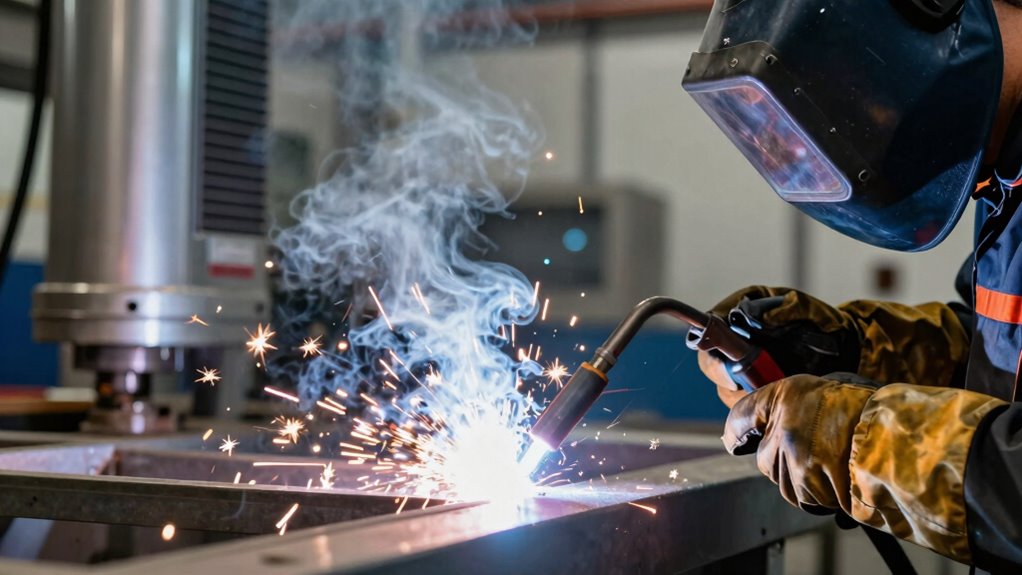
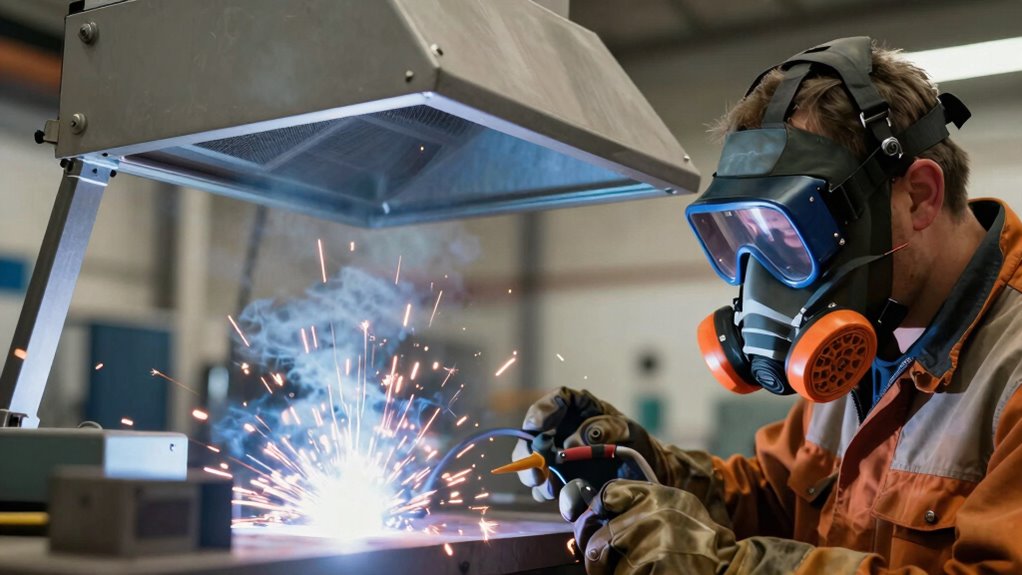
Source capture is designed to intercept airborne contaminants at their point of release, whether it’s welding fumes, dust, vapors, or chemical fumes. When contaminants are captured at their source, they’re removed before they can disperse into the surrounding air. This not only improves air quality but also reduces the workload on your centralized filtration systems. Instead of filtering contaminants after they’ve spread throughout the workspace, you’re effectively preventing a significant portion of them from ever becoming a problem. It’s a proactive strategy that minimizes health risks and enhances overall contaminant control.
Capture airborne contaminants at their source to improve air quality and reduce filtration system workload.
Shop air filtration systems are valuable, but they work best when complemented by source capture methods. Relying solely on filtration can leave gaps, especially if contaminants are produced faster than your filters can handle or if they’re generating high concentrations of harmful particles. Without source capture, these particles can linger in the air, reducing visibility, creating health hazards, and decreasing the overall air quality. Plus, contaminated air can settle on surfaces, leading to additional cleanup and potential safety issues. Source capture reduces these risks by trapping pollutants right where they originate, preventing them from spreading and settling. Incorporating effective air quality management strategies ensures a safer and healthier workspace. Additionally, implementing source control techniques can significantly decrease the burden on filtration systems, leading to more sustainable operations.
Furthermore, selecting appropriate capture devices requires understanding the specific contaminant types generated during various processes, which can help optimize their effectiveness. Additionally, understanding the importance of source capture helps in designing comprehensive air quality management strategies that maximize safety and efficiency.

Extract-All Wall-Mounted Dust Absorber for Air Purification, Expanded Diameter Capture Hood Welding Fume Extraction and Source Capture Arm Smoke Absorber with 180° Arm Swing (Black, 4"x84")
- Industrial-Strength Fume Extraction: Removes smoke, dust, fumes from industrial tasks
- Wall-Mounted, Lightweight Design: 37 lbs, easy to install and access
- Durable Construction Materials: Aluminum frame, heavy-duty flex hose, spun aluminum hood
As an affiliate, we earn on qualifying purchases.
As an affiliate, we earn on qualifying purchases.
Frequently Asked Questions
How Does Source Capture Differ From General Air Filtration?
Source capture differs from general air filtration because it targets pollutants right at the dust source, preventing accumulation and improving airflow dynamics. You actively remove fumes, dust, and smoke before they disperse into your workspace, reducing health risks and maintaining a cleaner environment. Unlike general filtration, which filters air after pollutants spread, source capture addresses contaminants early, making your shop safer and more efficient.
What Are the Main Benefits of Source Capture Systems?
Source capture systems offer high filtration efficiency, effectively removing fumes, dust, and particles directly at their source. This targeted approach improves air quality and reduces health risks. You’ll find that these systems often have lower maintenance requirements because they trap contaminants early, preventing buildup in ductwork or filters elsewhere. Overall, source capture systems provide a more efficient, cost-effective way to maintain a cleaner, safer workspace by focusing on the source of pollutants.
Can Source Capture Eliminate All Airborne Contaminants?
Source capture greatly improves air quality and contaminant removal in your workspace, but it can’t eliminate all airborne contaminants. Some particles and fumes disperse before being captured or are too small to be effectively filtered at the source. To maximize air quality, combine source capture with general ventilation and air filtration systems. This thorough approach guarantees better contaminant removal and healthier indoor air for you and your team.
What Industries Most Need Source Capture Technology?
You’re playing with fire if you ignore source capture in industries like welding and manufacturing. These sectors most need it to control industrial fumes and welding smoke at the source. Relying solely on general air filtration is like putting a band-aid on a big problem. Source capture technology keeps hazardous airborne contaminants from spreading, ensuring a safer workspace and healthier employees, especially in environments with heavy fumes or smoke.
How Do Installation Costs Compare Between Source Capture and Traditional Filters?
Installation costs for source capture systems tend to be higher than traditional filters due to their specialized setup and integration needs. The cost comparison varies depending on your shop’s size and complexity, but source capture often involves more installation challenges like ductwork or placement adjustments. While initial expenses are higher, these systems can be more effective and may reduce long-term costs by improving air quality and reducing filter replacements.

HEPA and Activated Carbon Composite Air Filter for PVC Pipes, Designed to Capture Smoke, Dust, and Harmful Particles in Air Outlet Systems (104mm)
- Efficient Smoke and Dust Removal: Removes smoke, dust, and odors
- Versatile Application: Suitable for PVC pipes and outlets
- Multi-Layer Filtration: Combines HEPA and activated carbon
As an affiliate, we earn on qualifying purchases.
As an affiliate, we earn on qualifying purchases.
Conclusion
Think of air filtration like a castle defending its walls—you need to stop the invaders at the gate before they even get inside. Source capture acts as that gatekeeper, snatching pollutants right at their origin. Without it, you’re trying to clean up a spill after it spreads across the floor, which is much harder. So, remember, to keep your air truly clean, you’ve got to catch the mess at the source—it’s your best line of defense.

Extract-All Salon Pure Air Fume Extraction System – Chemical Smell & Smoke Air Purifier with 3 Stage Filter for Salon and Workshops (SPA-H, Black)
- Purpose: Removes fumes and airborne chemicals
- Design: Clear source capture hood and overhead arm
- Filtration System: Multi-stage fume extraction
As an affiliate, we earn on qualifying purchases.
As an affiliate, we earn on qualifying purchases.
air pollution source capture equipment
As an affiliate, we earn on qualifying purchases.
As an affiliate, we earn on qualifying purchases.