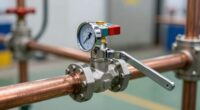
Hard water contains high levels of minerals like calcium and magnesium, which can interfere with soap lather, leave deposits, and damage appliances. Water softening works by removing these minerals, usually through processes like ion exchange, which swaps calcium and magnesium for sodium or potassium ions. Different systems, such as resin or stainless steel beads, offer options depending on your needs. To learn how to test your water, maintain your system, and weigh costs, keep exploring these practical basics.
Key Takeaways
- Hard water contains high minerals like calcium and magnesium, causing soap scumping and mineral buildup.
- Water softening removes these minerals mainly through ion exchange, replacing them with sodium or potassium ions.
- Types include resin bead systems and stainless steel beads, each with different maintenance and durability needs.
- Regular testing of water hardness helps monitor the effectiveness of softening methods and ensures water quality.
- Maintenance involves salt refills, resin regeneration, and system inspections to keep water softening efficient and cost-effective.
What Is Hard Water and Why Should You Care?
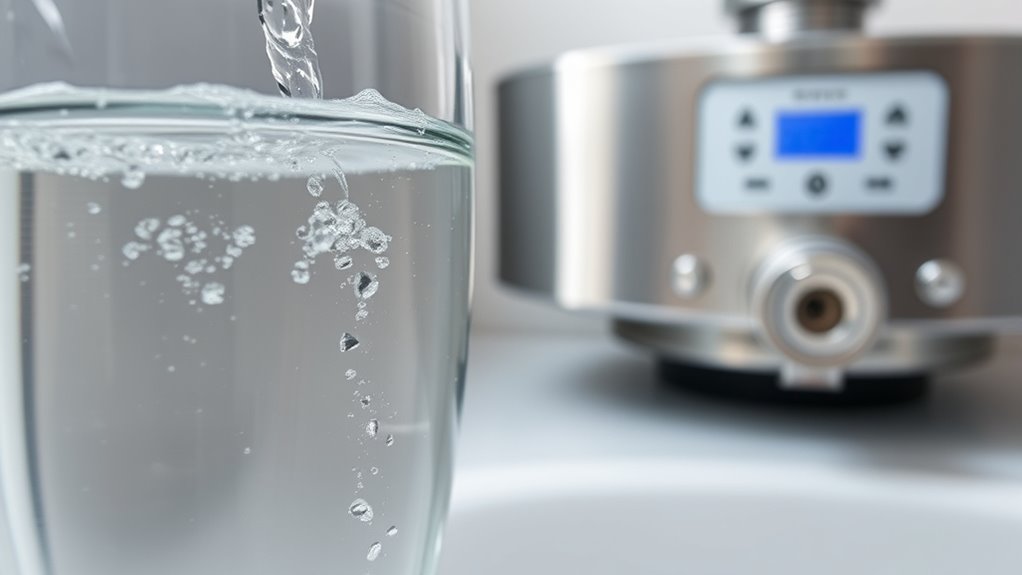
Have you ever noticed soap not lathering well or feeling a film on your skin after a shower? That’s a sign of hard water, which contains high levels of minerals like calcium and magnesium. These minerals cause scaling buildup in your pipes and appliances, leading to inefficient operation and costly repairs. Hard water also makes it harder for soap to dissolve properly, reducing cleaning effectiveness. Understanding what hard water is helps you recognize why scaling prevention is essential. Removing these minerals from your water can improve your daily routines, protect your plumbing, and prolong the life of your appliances. Addressing hard water issues isn’t just about cleanliness; it’s about maintaining your home’s efficiency and avoiding unnecessary damage caused by mineral buildup.
How Does Water Softening Actually Work?

Water softening works by removing the minerals that cause hardness, primarily calcium and magnesium, from your water supply. These minerals are responsible for scaling issues, which can clog pipes, damage appliances, and reduce soap efficiency. The process involves introducing a medium, such as resin beads, that attracts and captures these minerals through a process called ion exchange. As water passes through the softener, calcium and magnesium ions are swapped with sodium or potassium ions, effectively removing the hardness minerals. This mineral removal prevents buildup and scaling, helping your plumbing and appliances last longer and operate more efficiently. The softened water then flows out, free from the minerals that cause problems, making everyday tasks like washing and cleaning more effective. Understanding field-of-view and imaging-scale can help you optimize your water softening setup for better performance and maintenance.
What Are the Main Water Softening Technologies?
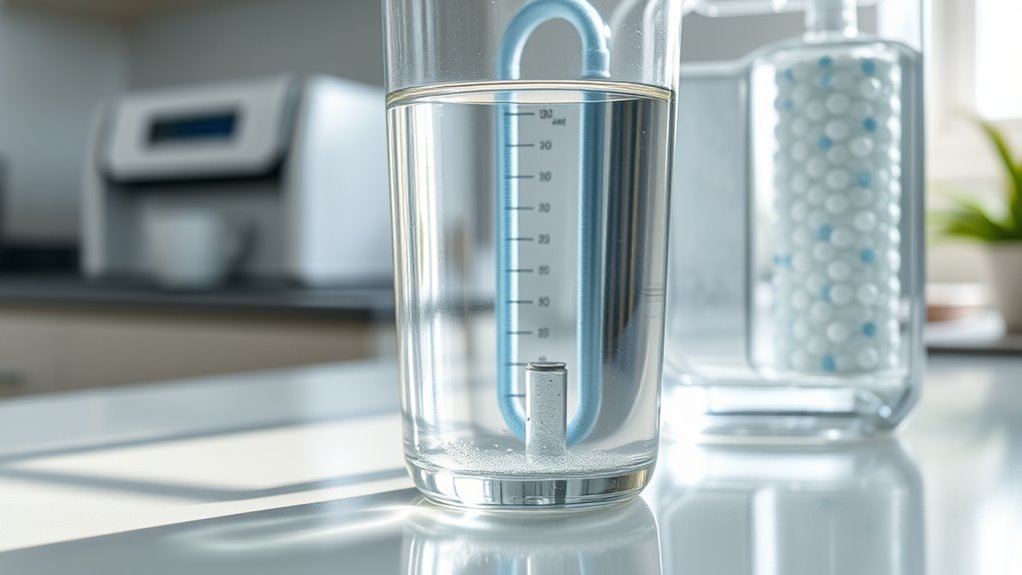
When choosing a water softening system, you’ll notice options like stainless steel and resin beads. These materials play a key role in the ion exchange process that removes hardness minerals from water. Understanding how each works helps you decide which technology fits your needs best. Additionally, high-quality materials can improve the durability and efficiency of your system over time.
Stainless Steel vs. Resin Beads
Stainless steel and resin beads stand out as two primary methods for water softening, each with distinct advantages and mechanisms. Stainless steel beads offer exceptional durability, meaning they can last longer and withstand more frequent use without degrading. This makes them a solid choice if you want a low-maintenance system. Resin beads, on the other hand, are the most common in traditional ion exchange softeners. They have a finite lifespan, typically lasting several years before needing replacement or regeneration. Resin beads effectively remove hardness minerals through an ion exchange process, but they can be sensitive to fouling and require proper regeneration to maintain efficiency. Both options are effective, but your choice depends on your priorities for longevity, maintenance, and cost. Additionally, energy-efficient cloud solutions can support sustainable water treatment systems by reducing overall environmental impact.
Ion Exchange Process Details
Have you ever wondered how water softening actually works? The core process is ion exchange, where resin beads attract and swap out calcium and magnesium ions responsible for hardness. As water passes through the resin, these hard minerals are replaced with sodium ions, softening your water. Over time, the resin becomes saturated and requires resin regeneration, usually by flushing with a salt solution, to restore its ion exchange capacity. Proper maintenance ensures consistent softening and prolongs the lifespan of the system. The process is efficient and eco-friendly when managed correctly, especially when regeneration techniques are optimized to minimize salt use and waste.
What Are the Benefits and Drawbacks of Softening Systems?
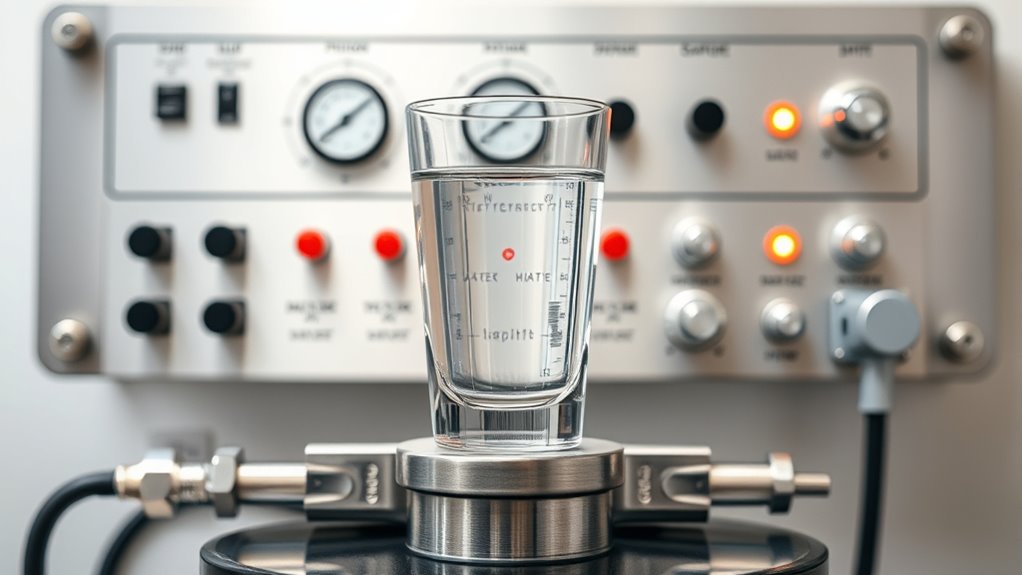
Softening systems offer several clear benefits, such as extending the lifespan of plumbing and appliances by reducing mineral buildup. They effectively provide scaling prevention by removing calcium and magnesium ions, which cause hard water problems. This mineral removal helps prevent clogs and corrosion, saving you money on repairs and replacements. Additionally, understanding the cost‑of‑ownership associated with different systems can help you make an informed decision. However, there are drawbacks to take into account. Softening systems can be costly to install and maintain, especially with ongoing salt or resin replacements. Some systems may also produce wastewater during regeneration, which isn’t ideal for environmentally sensitive areas. Additionally, softened water contains sodium, which might be a concern for people on low-sodium diets or with certain health conditions. Overall, while softening systems offer significant benefits, weigh these advantages against potential drawbacks before deciding if they’re right for your home.
Is Water Softening the Right Choice for Your Home?
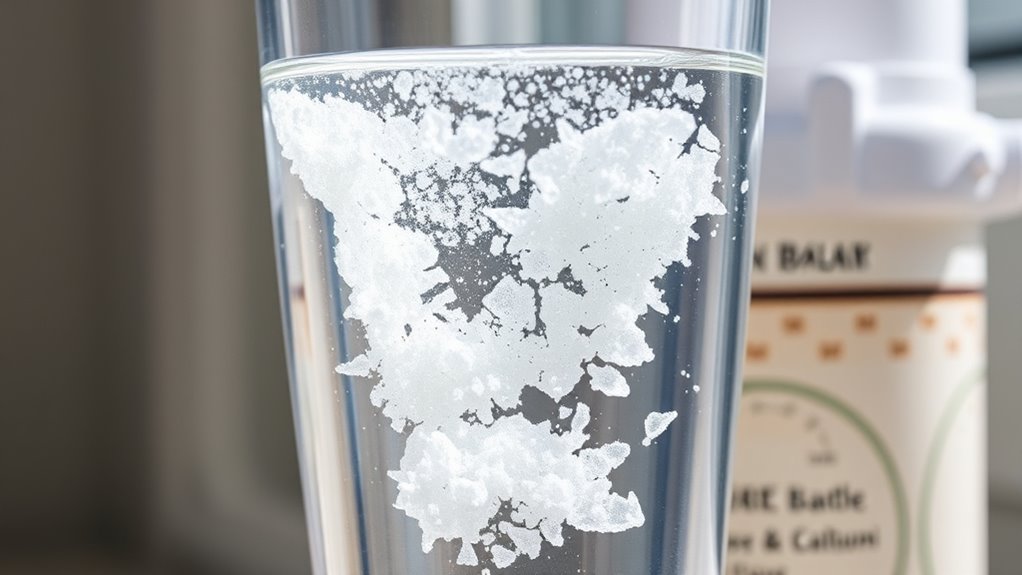
Deciding whether water softening is right for your home depends on your specific water quality and household needs. If you notice scale buildup, soap scum, or dry skin, softening could improve your daily life. It also promotes water conservation by reducing the need for excessive soap and detergents. Plus, it can enhance plumbing efficiency, preventing clogs and extending pipe lifespan. Consider these factors:
- Your water hardness level
- The frequency of appliance maintenance
- Your household’s water usage
- Long-term cost savings and benefits
If these issues are persistent, softening may be a worthwhile investment. However, if your water is not overly hard, or you’re concerned about sodium levels, it might not be necessary. Carefully evaluate your water quality and household priorities before deciding. Additionally, understanding the science behind sound vibrations and their impact on health can help you weigh alternative approaches to improving water and overall well-being.
How Can You Try Water Softening Yourself?
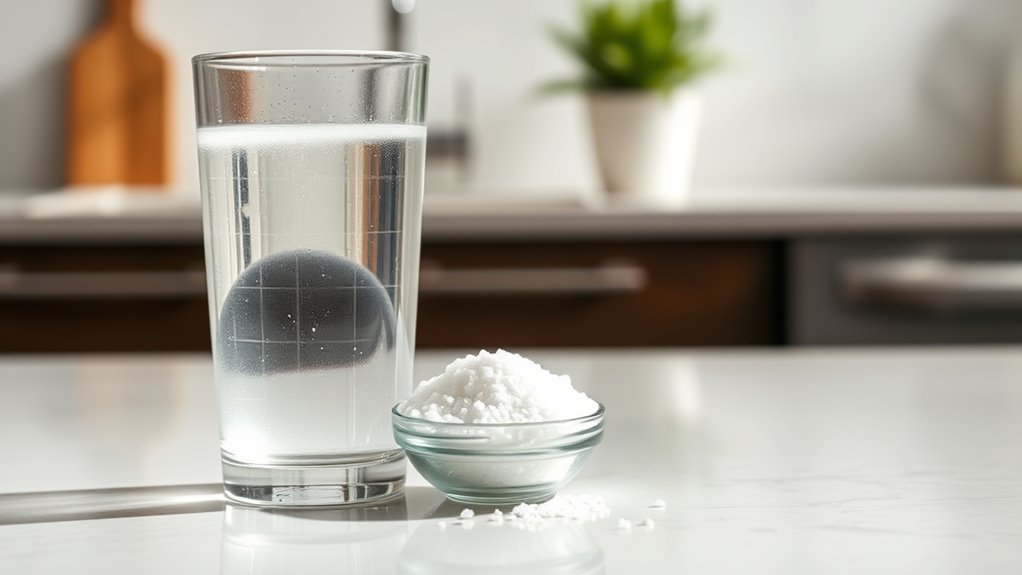
You can try softening your water with simple DIY methods like using commercial water conditioners or installing a basic filter. To see if these methods work, test your water before and after treatment with test strips or kits. This allows you to monitor the effectiveness of your water softening efforts in real-time. connected home fitness systems
DIY Softening Methods
If you’re enthusiastic to try water softening on your own, there are simple methods you can implement without professional help. DIY installation options include using portable water softeners or salt-based units that fit under your sink. With regular maintenance tips, you can keep these systems running efficiently. Here are some key ideas to contemplate:
- Choose a softening method suited to your water hardness level
- Follow manufacturer instructions carefully during DIY installation
- Regularly check salt levels and clean mineral buildup
- Keep track of maintenance schedules to ensure ongoing effectiveness
- Understanding water hardness levels helps you select the most appropriate softening method for your needs
These steps can help you effectively soften water without costly professional service. By understanding basic DIY softening methods, you gain control and save money while improving water quality in your home.
Testing Water Effectiveness
Wondering whether your water softening efforts are working? The best way to know is by testing your water quality using simple testing methods. You can start with water test strips, which are affordable and easy to use—just dip them into your water sample and compare the color change to the chart. Another option is liquid test kits, which provide more precise readings of hardness levels. These tests help you determine if your water contains too many minerals like calcium and magnesium. Regular testing allows you to evaluate the effectiveness of your softening system and make adjustments if needed. Additionally, understanding the concept of Free Floating minerals can help you interpret test results more accurately. Remember, consistent testing is key to ensuring your water quality improves and stays within safe, soft water standards.
What Will Softening Cost and What Maintenance Is Needed?

The cost of water softening systems varies depending on the type and size of the unit you choose, as well as installation expenses. When considering cost considerations, it’s important to factor in not just the initial purchase but also ongoing maintenance. Softening systems typically require regular salt refills and periodic resin bed regeneration, which can add to your maintenance requirements. You might also need professional servicing every few years to ensure peak performance. To keep costs manageable, consider these points:
- Choose a system that matches your water usage
- Budget for replacement salt and filters
- Schedule routine inspections
- Understand the lifespan and replacement costs of components
Being aware of these factors helps you make informed decisions without surprises down the line. Additionally, opting for a vetted system like Perfect Fit Living can ensure quality and reliability over time.
Frequently Asked Questions
Can Water Softening Harm Your Plumbing or Appliances?
Water softening typically doesn’t harm your plumbing or appliances. However, if the system causes pH alteration, it can lead to corrosion over time, especially in metal pipes. Softened water helps prevent scale buildup, which protects your appliances. Regular maintenance ensures your system works correctly, avoiding potential issues. So, while softening can have some effects, proper management minimizes risks to your plumbing and appliances.
Are There Health Concerns Associated With Softened Water?
You might wonder if softened water poses health concerns. Generally, softened water is safe and doesn’t harm your health. However, it can affect mineral absorption because it removes calcium and magnesium, which are essential minerals. If you have specific health conditions or need higher mineral intake, consult your healthcare provider. For most people, drinking softened water is safe, but monitoring mineral levels is advisable for peak health.
How Long Does a Typical Water Softening System Last?
A typical water softening system lasts about 10 to 15 years with regular maintenance. You should follow the manufacturer’s maintenance schedule, including resin bed cleaning and filter checks, to prolong its lifespan. Replacement costs vary, but expect to spend around $500 to $2,500, depending on the system’s size and features. Proper upkeep ensures your system works efficiently and lasts as long as possible, saving you money over time.
Is Salt-Based Softening Safe for All Household Uses?
You might worry that salt-based softening isn’t safe, but it’s generally safe for household use when used correctly. While salt toxicity and environmental impact are valid concerns, most systems use minimal salt, reducing risks. It’s important to regularly maintain your system and avoid over-salting. If you have specific health or environmental worries, consider alternative softening methods, but for most homes, salt-based systems are both effective and safe.
Can Water Softening Impact Water Taste or Mineral Content?
Yes, water softening can impact water taste and mineral content. You might notice taste alteration because softening removes minerals like calcium and magnesium, which contribute to water’s flavor. While mineral removal can improve water’s clarity and reduce scale, it also means your water may taste different, often smoother or less metallic. Keep in mind, these changes are typical and part of the softening process, affecting mineral levels and overall water quality.
Conclusion
Deciding on water softening depends on your demands and desires. If you want to ward off mineral buildup, enjoy softer skin, and simplify cleaning, softening might suit your space. Weigh the costs, consider the maintenance, and match it to your needs. Remember, a well-worn water system can ward off wear and worry. Weigh your options wisely and decide whether water softening will bring balance and brilliance to your home’s water.