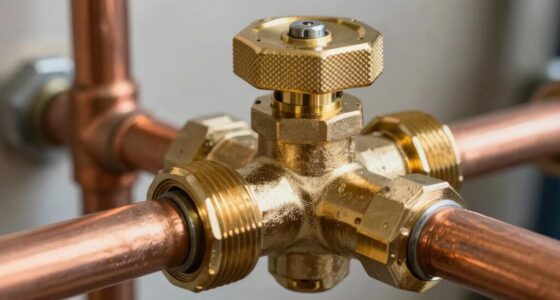
Automatic shutoff valves often include manual override options to guarantee you can control the system if automatic functions fail or need maintenance. Be aware that failure modes can include mechanical issues, sensor malfunctions, power interruptions, and electrical problems, which might leave the system in an unsafe state. Regular testing and maintenance help prevent these issues. To learn more about safeguarding your system with manual overrides and understanding failure modes, keep exploring these important safety considerations.

Prime made for students and young adults
- Fast, free delivery for dorm and study essentials
- Prime Video and Amazon Music included
- Member-only deals
Key Takeaways
- Manual override functions provide a critical safety fallback if automatic systems fail or require maintenance.
- Regular testing of manual overrides ensures reliable operation during emergency or system failures.
- Common failure modes include sensor malfunctions, mechanical wear, power outages, and electrical faults.
- Proper maintenance and calibration of sensors prevent false alarms and ensure accurate detection of abnormal conditions.
- Understanding potential failure modes helps in designing backup strategies to maintain system safety and reliability.
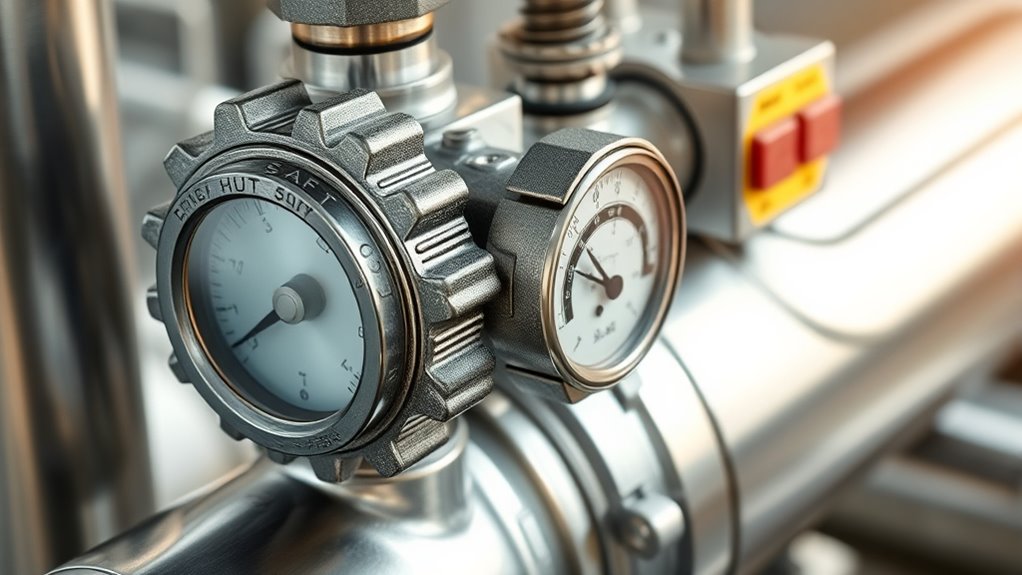
Automatic shutoff valves are essential safety devices that quickly stop the flow of liquids or gases when a problem is detected. They play a critical role in preventing damage, leaks, or potentially hazardous situations. To guarantee they function properly, you need to understand their manual overrides and common failure modes. A key aspect of modern automatic shutoff valves is smart sensor integration, which allows them to monitor conditions continuously and respond swiftly to anomalies. These sensors can detect pressure drops, temperature spikes, or flow irregularities, triggering the valve to close automatically. Incorporating smart sensor integration into your system enhances safety and enables remote diagnostics, but it also means you need to stay on top of maintenance procedures to keep everything working smoothly. Regular maintenance procedures are essential for guaranteeing that both the sensors and the valves operate correctly. You should routinely inspect the sensors for dirt, corrosion, or damage, as these issues can impair their ability to detect problems accurately. Calibration is crucial — if sensors drift out of alignment, false alarms or missed detections can occur, compromising safety. Testing the manual override functions is equally important; these overrides serve as a fail-safe if the automatic system malfunctions or if urgent intervention is needed. When testing, make sure the manual override engages smoothly and that the valve responds promptly. Document these procedures to track performance over time, and schedule periodic maintenance to prevent unexpected failures. Additionally, understanding the typical failure modes can help you anticipate and mitigate issues before they lead to safety concerns. Failure modes of automatic shutoff valves can vary, but common issues include mechanical failure, sensor malfunction, or power supply interruptions. Mechanical parts like the actuator or seal may wear out or become blocked, preventing the valve from closing properly. Sensor failures can lead to false signals, either causing the valve to close unnecessarily or not respond when it should. Power failures or electrical issues can disable the entire control system, leaving the valve in a default position that might not be safe. Understanding these failure modes helps you develop effective maintenance routines and backup plans. For example, having manual override options and regular testing ensures that you can intervene quickly if automatic functions fail. In essence, the integration of smart sensors and diligent maintenance procedures keeps your automatic shutoff valves reliable. By proactively addressing potential failure modes and ensuring manual overrides are functional, you reduce risks and maintain system safety. Staying attentive to these aspects means you’re better equipped to respond swiftly to emergencies, safeguarding your equipment, environment, and personnel.
automatic shutoff valve manual override
As an affiliate, we earn on qualifying purchases.
As an affiliate, we earn on qualifying purchases.
Frequently Asked Questions
How Often Should Manual Override Mechanisms Be Tested?
You should perform manual override testing at least once every six months to guarantee proper functionality. The override frequency depends on your specific system and manufacturer recommendations, so check your maintenance schedule. Regular manual override testing helps identify issues early, preventing potential failures. By staying consistent, you ensure the valve’s manual mechanism works when needed, maintaining safety and operational reliability in your system.
What Are Common Causes of Automatic Shutoff Valve Failure?
You might not realize it, but valve corrosion and sensor malfunctions are common culprits behind automatic shutoff valve failures. Corrosion weakens the valve’s structural integrity, causing leaks or sticking, while sensor issues can lead to false signals or missed detections. These hidden threats can strike when you least expect, risking system shutdowns. Regular inspections and maintenance are essential to catch these problems early, ensuring your system stays reliable and safe.
Are There Specific Maintenance Schedules for Different Valve Types?
You should follow specific maintenance intervals tailored to each valve type, ensuring essential performance. Regular valve calibration is vital for accuracy and safety, especially in critical systems. For example, pressure and flow control valves require more frequent calibration than simple shutoff valves. Check manufacturer guidelines for recommended schedules, and perform routine inspections to identify wear, leaks, or malfunctions early, preventing failures and extending your valve’s lifespan.
Can Manual Overrides Be Accidentally Triggered?
Manual override triggers can sometimes be accidentally activated if you’re not careful or if the system isn’t properly secured. You should make certain the override controls are clearly marked and protected to prevent unintentional activation. Regular inspections and proper training help minimize the risk of accidental activation, so you can confidently operate the valve without concerns about unintended manual override triggers.
What Are the Safety Considerations During Manual Override Operation?
During manual override operation, you should follow strict override protocols to make certain of safety. Always be aware of emergency procedures in case the system behaves unexpectedly. Confirm that the area is clear and communicate clearly with team members before overriding the valve. Regularly inspect override mechanisms for proper functioning, and never bypass safety features unless absolutely necessary. These precautions minimize risks and make sure safe manual intervention during critical situations.
automatic shutoff valve maintenance kit
As an affiliate, we earn on qualifying purchases.
As an affiliate, we earn on qualifying purchases.
Conclusion
As you rely on automatic shutoff valves, remember that manual overrides can be your safety net—until they aren’t. Failure modes lurk silently, ready to surprise you when you least expect it. Will your system hold when it’s most needed? Stay vigilant, regularly inspect, and never assume perfection. Because in the world of safety, a small oversight can lead to big consequences—making it essential to understand every potential failure before disaster strikes.
smart sensor automatic shutoff valve
As an affiliate, we earn on qualifying purchases.
As an affiliate, we earn on qualifying purchases.
automatic shutoff valve failure diagnostic tools
As an affiliate, we earn on qualifying purchases.
As an affiliate, we earn on qualifying purchases.
Fall Picks
fall essentials
As an affiliate, we earn on qualifying purchases.