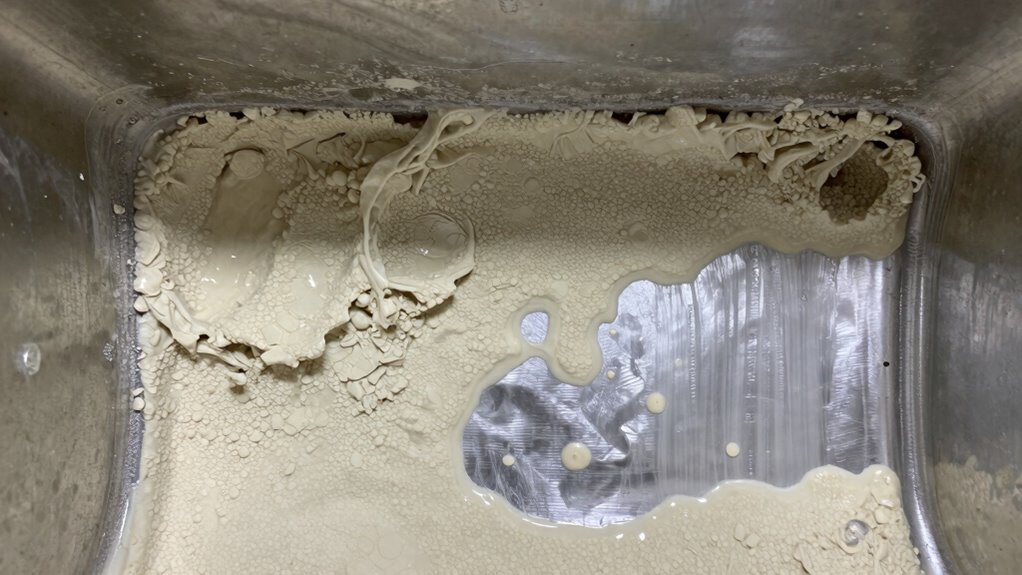
Sediment builds up in water heaters when minerals like calcium and magnesium from hard water enter the tank and settle at the bottom over time. These minerals dissolve into the supply water and gradually accumulate, especially if you don’t flush or maintain your heater regularly. As sediment layers form, they can reduce efficiency and cause damage. Keep going to discover simple ways to spot and prevent this common issue before it gets costly.
Key Takeaways
- Minerals like calcium and magnesium from hard water dissolve into the supply and settle at the bottom of the tank.
- Inadequate maintenance and lack of flushing accelerate mineral accumulation and sediment buildup.
- Heating causes dissolved minerals to precipitate out, forming sediment layers over time.
- Sediment layers create rough surfaces, impairing heat transfer and reducing heater efficiency.
- Discolored water, strange noises, and decreased hot water supply indicate sediment presence.

Sediment Buster – Water Heater Tool UL Verified V699054 – Flushes, Cleans, Drains, Breaks Up Sediment Clogs from Electric or Gas Water Heaters – Easy to Use
UL Verified V699054 for heat & pressure
As an affiliate, we earn on qualifying purchases.
As an affiliate, we earn on qualifying purchases.
What Causes Sediment to Enter Your Water Heater

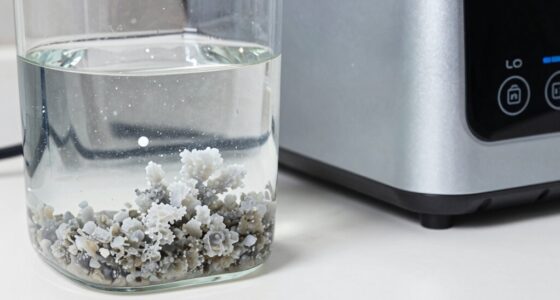
Have you ever wondered what causes sediment to enter your water heater? The main factor is water quality; in areas with hard water, minerals like calcium and magnesium dissolve into the supply. Over time, these minerals settle and form sediment within your tank. Additionally, inadequate maintenance routines can allow buildup to accelerate. If you don’t flush your water heater regularly or ignore signs of mineral accumulation, sediment can accumulate faster. The minerals enter your system through the incoming water, especially if the source has high mineral content. Poor water quality combined with infrequent maintenance creates the perfect environment for sediment to enter and settle in your water heater, leading to efficiency issues and potential damage. Regular upkeep helps minimize sediment entry and prolongs your water heater’s lifespan. water quality plays a critical role in sediment buildup, and understanding local water conditions can help you take preventative measures.

44" Flexible Magnesium Anode Rod, Hot Water Heater Anode Rod Replace for GE, Rheem, Reliance, Richmond, Kenmore Water Heater Including 1-1/16" Hex Socket Tool and Teflon Tape
【Part Number】: 44" Flexible Magnesium Water Heater Anode Rod Replacement Kit. Have high durability and reliability, and can…
As an affiliate, we earn on qualifying purchases.
As an affiliate, we earn on qualifying purchases.
How Sediment Settles in Your Water Heater
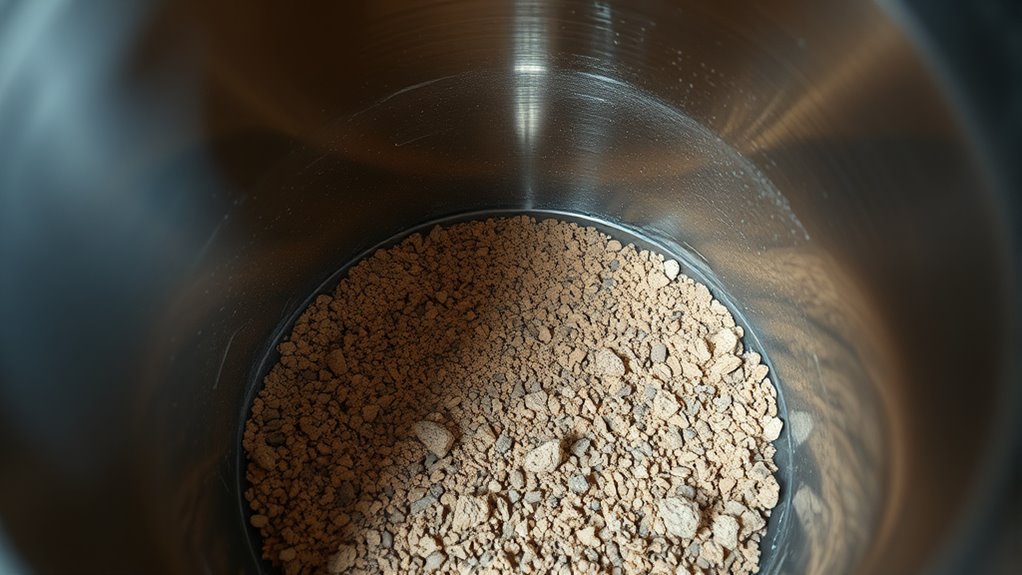
Once minerals like calcium and magnesium enter your water heater, they begin to settle out of the flowing water and accumulate at the bottom of the tank. Poor water quality increases the amount of sediment that settles, forming distinct sediment layers over time. These layers act as a barrier, trapping more minerals and debris. As the sediment settles, it creates a rough surface that can cause water circulation issues and reduce efficiency. The heaviest particles drop first, forming dense layers, while lighter minerals may remain suspended longer. This settling process is natural but accelerates with higher mineral content. Over time, sediment layers can become thick, impacting your water heater’s performance and longevity. Regular maintenance helps manage these deposits and maintains ideal water quality, just as proper filtration can help reduce mineral buildup in water systems.
Sediment Buster – Water Heater Tool UL Verified V699054 – Flushes, Cleans, Drains, Breaks Up Sediment Clogs from Electric or Gas Water Heaters – Easy to Use
UL Verified V699054 for heat & pressure
As an affiliate, we earn on qualifying purchases.
As an affiliate, we earn on qualifying purchases.
How Sediment Builds Up Over Time
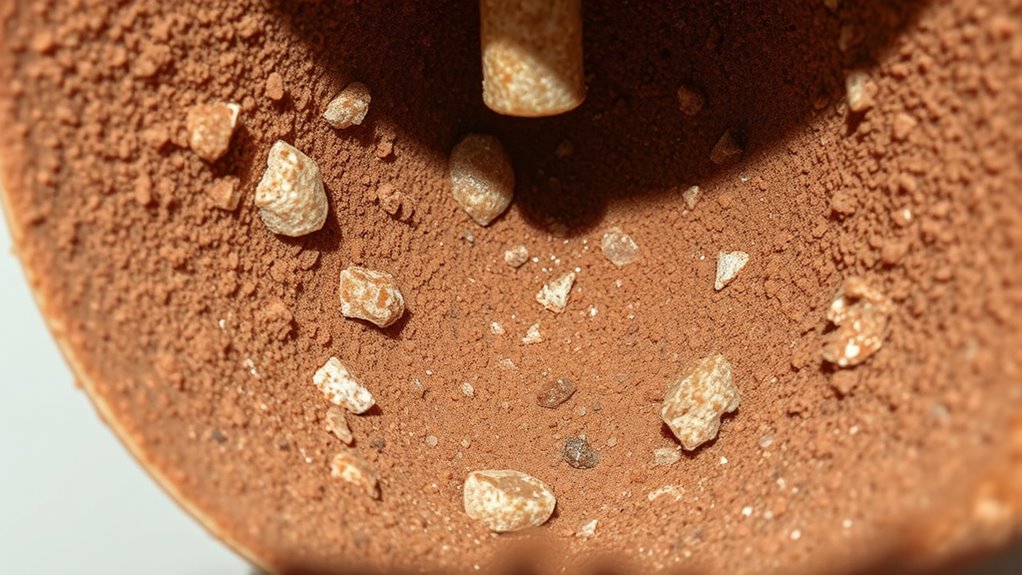
As minerals in your water settle out over time, they form a layer of sediment in your heater. This buildup gradually reduces the efficiency of your water heater, making it work harder to heat water. Understanding how this process happens can help you prevent costly repairs and energy waste. Regular maintenance checks can help identify sediment buildup early and keep your water heater running efficiently.
Mineral Accumulation Process
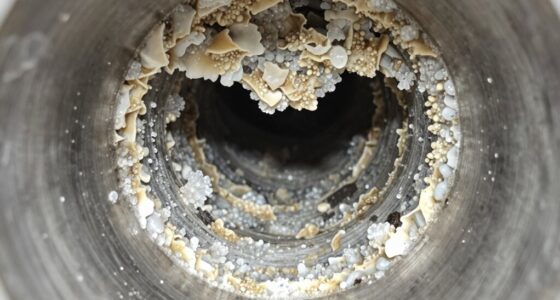
Mineral accumulation in water heaters occurs when dissolved minerals, such as calcium and magnesium, settle out of the water as it heats. As water heats, these minerals become less soluble, forming sediment that coats the tank’s surfaces. Over time, this buildup can lead to:
- Reduced water flow, causing frustration and inconvenience.
- Increased risk of tank overheating or damage, threatening your home’s safety.
- Compromised sediment filtration, which allows mineral deposits to accumulate further and impact water quality.
- The presence of energy-efficient systems in modern water heaters can help reduce mineral buildup by optimizing heating cycles and reducing unnecessary heating.
This process is often linked to aquifer contamination, where minerals enter your water supply. As sediment builds, it blocks essential flow paths and can carry harmful minerals into your household, making regular maintenance and filtration crucial to prevent worsening sediment buildup.
Impact on Efficiency
Sediment buildup gradually diminishes your water heater’s efficiency by insulating heating elements and reducing heat transfer. As sediment accumulates, it creates a barrier that prevents heat from reaching the water effectively, causing the water temperature to drop. This means your heater works harder and longer to maintain desired temperatures, wasting energy and increasing costs. Over time, the sediment layer thickens, further impairing heat transfer and lowering efficiency. Regular sediment removal helps restore proper heat flow, ensuring your water heater operates at its most effective. Without cleaning, sediment buildup forces your system to use more energy, driving up utility bills and decreasing lifespan. Keeping an eye on water temperature and scheduling routine sediment removal are essential steps to prevent efficiency loss and maintain reliable hot water supply. Incorporating proper maintenance practices can help prolong your water heater’s lifespan and keep it running efficiently.
Sediment Buster – Water Heater Tool UL Verified V699054 – Flushes, Cleans, Drains, Breaks Up Sediment Clogs from Electric or Gas Water Heaters – Easy to Use
UL Verified V699054 for heat & pressure
As an affiliate, we earn on qualifying purchases.
As an affiliate, we earn on qualifying purchases.
How Sediment Affects Your Water Heater’s Performance

Sediment buildup inside your water heater can substantially reduce its efficiency and lifespan. When minerals settle, they cause scale formation that insulates the heating elements, forcing your heater to work harder. This increased workload leads to higher energy bills and faster wear. Additionally, sediment accelerates corrosion effects by trapping moisture against metal surfaces, weakening the tank over time. You might notice these consequences:
- Reduced hot water supply and inconsistent temperatures, leaving you cold and frustrated.
- Higher energy costs as your heater struggles to maintain warmth.
- Increased risk of costly repairs or replacements due to tank deterioration.
Ignoring sediment buildup jeopardizes your water heater’s performance, forcing you to face inconvenient failures and costly repairs. Regular maintenance can help prevent these damaging effects. Understanding sediment and how it impacts your water heater can guide you in taking proactive steps to extend its lifespan.
How to Spot Sediment Buildup in Your Water Heater
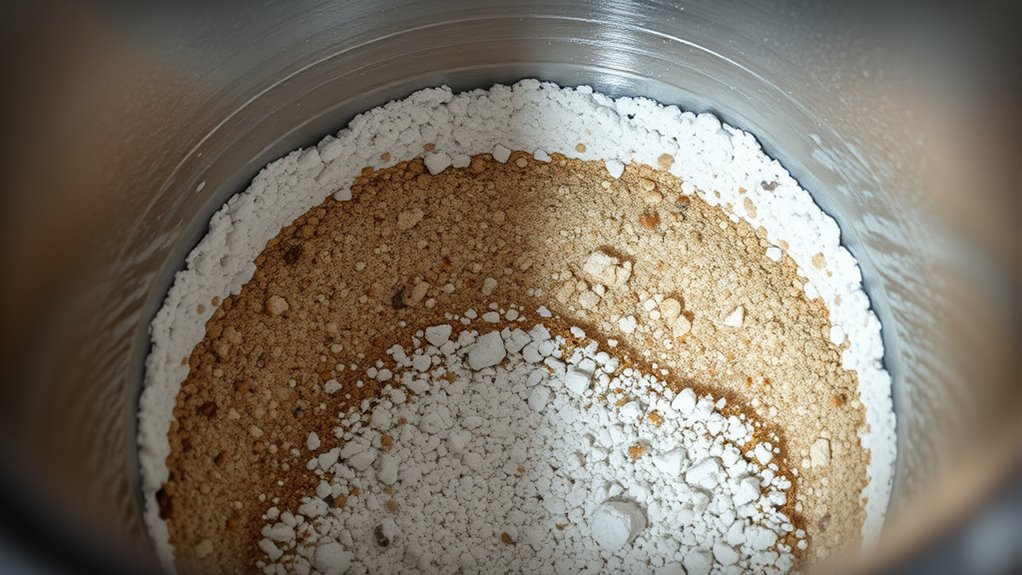
You can often detect sediment buildup in your water heater by paying attention to the quality of your hot water and the sounds it makes. Water discoloration, such as a rusty or cloudy tint, is a clear sign that sediment has accumulated and is affecting water clarity. Additionally, listen for unusual noises like popping, banging, or rumbling sounds during operation. These noises occur when sediment at the bottom of the tank heats unevenly, causing it to shift or create air pockets. If you notice either water discoloration or strange sounds, it’s likely that sediment is building up inside your water heater. Regular inspection ensures you catch sediment buildup before it causes major issues. Proper maintenance can help extend the lifespan of your water heater and keep it running efficiently.
How to Prevent and Reduce Sediment in Your Water Heater

To prevent and reduce sediment buildup in your water heater, regular maintenance is essential. Proper water treatment can considerably lower mineral content, reducing sediment formation over time. Here are three steps to protect your heater:
- Schedule annual flushing to promote sediment removal and keep your tank clean.
- Install a water softener or filtration system to minimize mineral deposits from entering your system.
- Routinely inspect and drain your water heater if you notice increased sediment or reduced efficiency.
- Understanding water heater navigation and mapping can help you troubleshoot issues more effectively and ensure your maintenance practices are correctly targeted.
Frequently Asked Questions
How Often Should I Flush My Water Heater to Remove Sediment?
You should flush your water heater once a year to maintain its efficiency and extend its lifespan. Following a regular maintenance schedule, including flushing frequency, helps prevent sediment buildup that can cause issues. If you notice reduced hot water flow or strange noises, consider flushing more often. Regularly draining and cleaning your heater keeps it running smoothly, saving you money on repairs and energy bills.
Can Sediment Damage My Water Heater Beyond Performance Issues?
Sediment can cause serious damage to your water heater, far beyond just performance issues — it’s like adding fuel to a fire. You risk corrosion, which weakens the tank and shortens its lifespan, and you’ll also lose energy efficiency. Over time, sediment buildup accelerates corrosion risks, leading to costly repairs or replacements. Regular flushing helps prevent this damage, keeping your heater running smoothly and efficiently for years to come.
Are There Specific Water Conditions That Increase Sediment Buildup?
Yes, water hardness and mineral content considerably increase sediment buildup in your water heater. Hard water contains high levels of minerals like calcium and magnesium, which settle over time as sediment. If your water has high mineral content, expect more sediment accumulation, leading to reduced efficiency and potential damage. To minimize this, consider installing a water softener or flushing your heater regularly to remove mineral deposits.
What Are the Signs of Severe Sediment Accumulation Needing Professional Help?
When it’s clear as day that your water heater needs help, you’ll notice signs of corrosion or sediment blockage. You might hear banging noises, see inconsistent hot water, or find rusty water coming out. If these issues persist, it’s time to call in a professional. Ignoring these signs can lead to more damage, so don’t wait until it’s too late—tackle the problem before it becomes a bigger headache.
Does Installing a Water Softener Reduce Sediment Formation in Heaters?
Yes, installing a water softener can reduce sediment formation in your water heater. Water softeners, through mineral reduction, remove minerals like calcium and magnesium that cause sediment buildup. With less mineral content in your water, you’ll see less sediment accumulating in the tank, which helps prolong the heater’s lifespan and improves its efficiency. Regular maintenance of the softener guarantees ongoing benefits for your water quality and appliance durability.
Conclusion
To keep your water heater working well, stay vigilant and regularly flush out sediment. Simple steps can markedly slow sediment’s sinister buildup, saving you stress and sudden repairs. By being proactive, you protect your plumbing, preserve performance, and prolong your heater’s life. Remember, routine maintenance minimizes messes, maximizes efficiency, and maintains peace of mind. Stay sharp, stay scheduled, and guarantee your water heater stays clean, consistent, and clutter-free for long-lasting comfort.