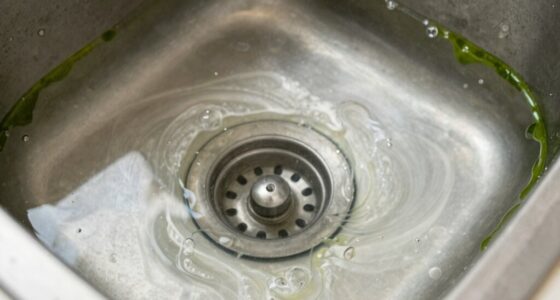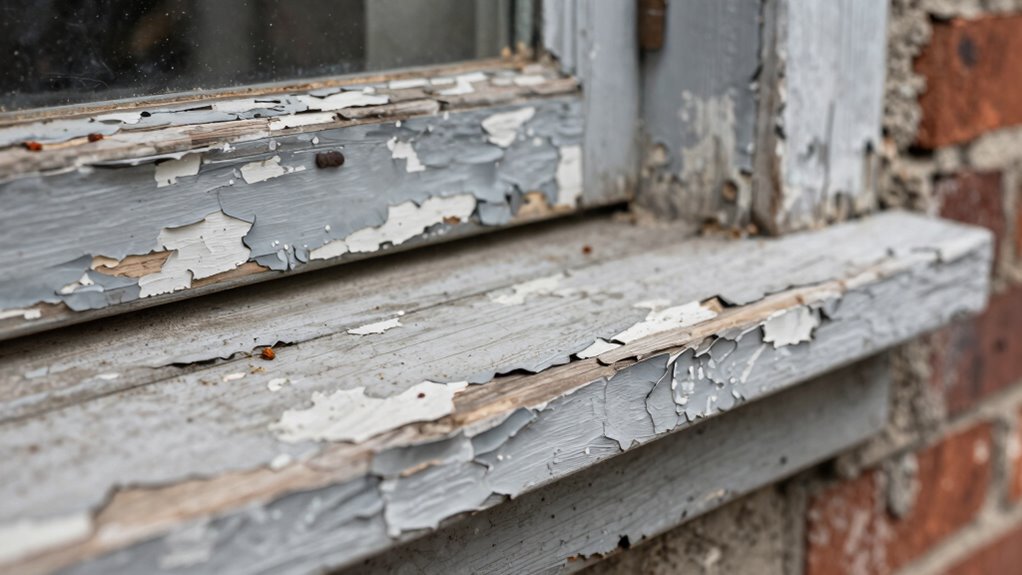

Lead risks mainly come from old paint, contaminated soil, and drinking water sources. You might find lead in peeling paint, especially in homes built before 1978, or in soil around older buildings and busy roads. Imported products and some household dust can also contain lead. Occupational activities like renovation or demolition can stir up lead dust too. To learn how to best protect yourself and your family, keep exploring these common sources.
Key Takeaways
- Lead primarily originates from old paint, soil contamination, and plumbing materials in buildings constructed before 1978.
- Soil near old structures and busy roads can be contaminated with lead from historic emissions and industrial activities.
- Lead-based paint, especially when deteriorating or chipping, is a common indoor source of lead dust and exposure.
- Older water pipes and fixtures may leach lead into drinking water, posing health risks.
- Imported products, toys, and household items can contain lead due to unregulated manufacturing or contaminated raw materials.

Weiworld Heat Recovery Ventilator with Ceramic Heat Exchanger, Wall-Mounted Fresh Air System with WiFi/Remote Control for Home, Attic, Garage – Supply, Exhaust & Recirculation Ventilation Fan
Heat Recovery Ventilator (HRV) for single room ventilation: Equipped with a high-efficiency ceramic heat exchanger that recovers up...
As an affiliate, we earn on qualifying purchases.
How Lead Has Persisted Through History

Lead has been a part of human history for thousands of years, often valued for its malleability and resistance to corrosion. Its history persistence is remarkable, as it’s been used in everything from ancient jewelry to early plumbing systems. This widespread use has left a lasting cultural legacy, shaping civilizations and technological progress. Despite its toxic nature, lead’s durability ensured it remained a key material across centuries. You can see its influence in historic artifacts, architecture, and even art. This enduring presence has made lead a symbol of both human ingenuity and risk, illustrating how a material’s significance can transcend time. Its historical persistence underscores the importance of understanding how lead’s legacy continues to impact us today, especially considering the long-term health risks associated with exposure.

VENTS-US Frigate HRV 120s Heat Recovery Ventilator – Whole House Ventilation Fan with Up to 118 CFM and Freeze Protection
HVI Certified Whole-House Air Exchange: A complete system that ensures continuous, balanced fresh air supply and stale air...
As an affiliate, we earn on qualifying purchases.
Spotting Lead in Old Paint and Building Materials
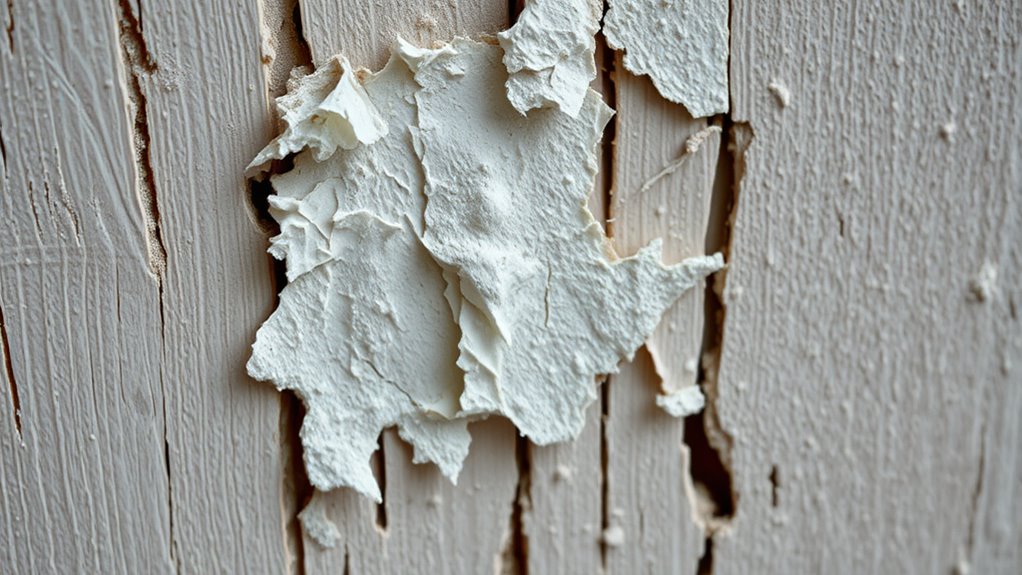
Have you ever wondered how to identify lead-based paint or materials in old buildings? Look for visual clues like peeling paint, cracking surfaces, or chipping paint chips, especially on windows, doors, and trim. Old wallpaper can also hide lead paint underneath or contain lead-based inks and dyes. When paint chips are brittle, chalky, or have a dull finish, they might contain lead. Be cautious around any renovation or removal work, as disturbing such materials can release dangerous dust. Remember, lead paint was common before 1978, so buildings from that era are more likely to have it. Always get professional testing if you’re unsure, because visual inspection alone can’t confirm lead presence, but it can help you spot potential hazards. Additionally, inspecting for paint deterioration can provide further clues to the presence of lead-based materials.

Broan B160H65RS AI 150 CFM Wall or Ceiling Mounted Heat Recovery Ventilator with VIRTUO™ Air Technology and Side Ports - N/A
As an affiliate, we earn on qualifying purchases.
How Soil and Dust Can Hide Lead Risks
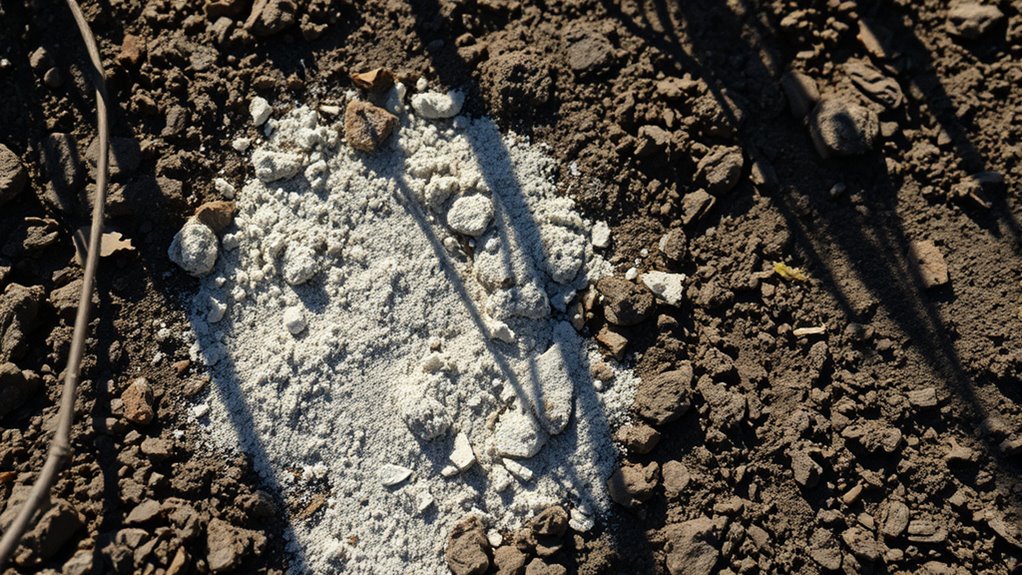
You might not realize that soil around old buildings can be contaminated with lead, posing a hidden health threat. Dust from this soil can settle indoors, making lead exposure less obvious but just as dangerous. Recognizing these hidden sources is key to protecting yourself and your family from lead risks. Additionally, dust contamination can be exacerbated by poor ventilation, which allows lead particles to circulate more readily within indoor environments.
Soil Contamination Risks
Even when soil looks clean, hidden lead contamination can pose serious health risks. Lead can settle into soil from various contamination sources, including old paint, industrial emissions, and past use of leaded gasoline. These sources may leave behind lead particles that are not visible to the naked eye. To identify these hidden dangers, soil testing is essential. Testing helps determine if lead levels exceed safety limits, especially in play areas or gardens. Without proper testing, you might overlook contaminated soil that can expose children and others to lead poisoning. Remember, soil contamination isn’t always obvious; lead can persist underground for decades, making proactive testing vital for safety and peace of mind. Recognizing environmental hazards is crucial for effective risk management and health protection.
Dust as Hidden Source
Dust can quietly conceal lead hazards that aren’t immediately visible. Lead dust often settles on surfaces, hiding behind furniture or in corners, making it easy to overlook. Dust particles containing lead can come from deteriorating paint, soil tracked indoors, or old fixtures. These tiny particles cling to floors, windowsills, and other surfaces, becoming airborne when disturbed. Children, in particular, are vulnerable because they frequently touch surfaces and then put their hands in their mouths. Without proper cleaning, this lead dust accumulates, creating a hidden risk. Recognizing that dust is a concealed source of lead exposure is essential for protecting your family’s health. Indoor contaminants like dust can persist unnoticed, increasing exposure risks over time. Regular dusting with damp cloths and thorough cleaning can help reduce these dangers.
Broan B110H65RS AI 100 CFM Wall or Ceiling Mounted Heat Recovery Ventilator with Side Ports and LCD Screen - N/A
By continuously monitoring changing indoor and outdoor conditions, the AI Series with VIRTUO Air Technology, provides fresh, filtered...
As an affiliate, we earn on qualifying purchases.
What You Should Know About Lead in Drinking Water

Did you know that lead in drinking water can pose serious health risks even at low levels? That’s why regular lead testing is essential to protect yourself and your family. Lead can leach from old pipes, fixtures, or plumbing materials, especially in homes with outdated infrastructure. If testing shows elevated lead levels, water filtration systems can help reduce your exposure. Look for filters certified to remove lead, and ensure they’re properly maintained. Keep in mind that even small amounts of lead can accumulate over time, affecting your health, particularly for children and pregnant women. Staying informed about your water quality and taking proactive steps like testing and water safety awareness can make a significant difference in minimizing your risk.
Lead in Imported Products and Consumer Goods

You might unknowingly bring home products made with contaminated manufacturing materials or from unregulated import sources. These items can contain lead that poses health risks, especially to children. It’s important to stay informed and carefully check the origins of imported consumer goods. Additionally, being aware of potential contaminated products can help you make safer choices.
Contaminated Manufacturing Materials
Contaminated manufacturing materials pose a significant risk when lead is present in imported products and consumer goods. During production, manufacturing residues and production contaminants can introduce lead into items unknowingly. These residues may come from old machinery, contaminated raw materials, or improper cleaning processes, leaving lead traces embedded in the final product. When you handle or use these goods, you might be exposed to lead dust or paint chips that contain dangerous levels of lead. Importers and manufacturers sometimes overlook the risks posed by contaminated manufacturing materials, especially when sourcing from regions with lax regulations. This oversight can result in lead-laden products reaching consumers, increasing health risks, particularly for children and pregnant women. Vigilance and strict quality controls are essential to prevent lead from contaminating consumer goods through manufacturing residues. Additionally, manufacturing process controls play a crucial role in minimizing lead contamination during production.
Unregulated Import Sources
Unregulated import sources often introduce lead into consumer products without proper oversight, exposing you to serious health risks. These unregulated sources can contain imported contaminants that aren’t tested or controlled for lead content. As a result, items like toys, jewelry, and household goods may carry dangerous levels of lead without your knowledge. Because these products bypass strict safety standards, they pose a hidden threat, especially to children who tend to put things in their mouths. Without proper regulation, imported contaminants can slip through borders and reach consumers, increasing the likelihood of lead exposure. Regular appliance testing and compatibility checks can also help identify potential hazards in household items. To protect yourself, always check for safety certifications and buy from reputable sources that verify their products meet safety standards. Being vigilant helps reduce your risk of lead poisoning from unregulated import sources.
Jobs That Still Bring Lead Exposure Risks

Despite stricter regulations, certain jobs still pose significant risks of lead exposure. Workers involved in industrial accidents or hobbyist activities often encounter lead dust or paint. For example, construction, demolition, and renovation work on older buildings frequently disturb lead-based materials. Hobbyists who refurbish vintage toys or furniture also risk exposure without proper precautions. To highlight the risks, consider this table:
| Job Type | Lead Exposure Source | Risk Level |
|---|---|---|
| Construction & Demolition | Disturbing old paint or pipes | High |
| Hobbyist Activities | Sanding or stripping old materials | Moderate |
| Industrial Accidents | Accidental release of lead dust | Very High |
If you’re involved in these activities, take proper safety measures to prevent lead poisoning.
Common Myths About Lead Poisoning Debunked

Many people believe that lead poisoning only occurs in extreme cases or through obvious sources, but this is a common myth. In reality, lead exposure can happen gradually through everyday environments, making lead testing essential for early detection. Relying solely on visible signs or obvious hazards often leads to missed risks. Public awareness plays a crucial role in understanding that lead can be lurking in older paint, contaminated soil, or household dust, even if everything appears normal. Regular lead testing helps identify hidden dangers before health issues develop. Dispelling these myths is imperative to protecting yourself and your family, especially since lead exposure often occurs without obvious symptoms or sources. Being informed and proactive is your best defense against lead poisoning. Additionally, understanding the sources of lead contamination in common household items can help prevent unnecessary exposure.
Simple Ways to Reduce Your Lead Exposure
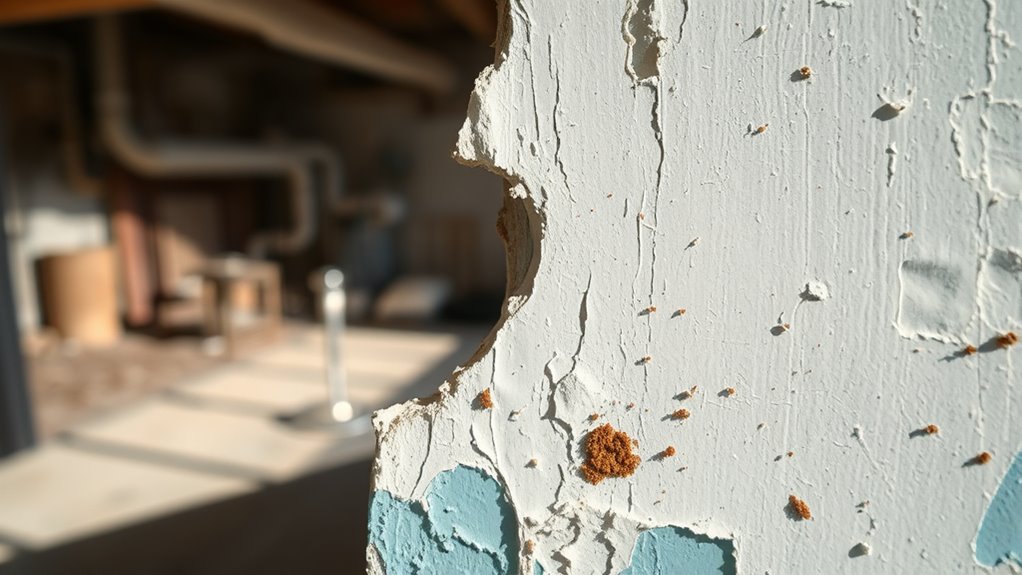
You can considerably reduce your lead exposure by taking simple, proactive steps in your daily routine. Start by avoiding household remedies that may contain lead, such as certain imported ceramics or paints, and ensure your home’s paint is up to date. Regularly wash hands and toys to remove dust that might contain lead particles. When engaging in outdoor activities, steer clear of soil near busy roads or old buildings, as these areas often have higher lead levels. Plant grass or ground cover to keep children from digging in contaminated soil. Keep children’s play areas clean and free of peeling paint or dust. By staying vigilant and making small adjustments, you can lower your risk of lead exposure substantially.
Frequently Asked Questions
How Do I Test My Home for Hidden Lead Hazards?
To test your home for hidden lead hazards, start by using a lead testing kit available at hardware stores. These kits can detect lead paint on surfaces like walls, windows, and doors. Follow the instructions carefully to get accurate results. If the test indicates lead presence, consider hiring a certified professional for thorough testing and safe removal. Regular testing helps keep your home safe from lead exposure.
What Are the Health Effects of Lead Poisoning in Children?
Imagine your child’s future hangs in the balance—lead poisoning can cut it short. It causes developmental delays, learning difficulties, and behavioral issues. Children are especially vulnerable because their growing brains absorb lead more easily. If exposed, they might struggle with attention, speech, and motor skills. Protect your little one by understanding these risks and taking action, because a healthy childhood shouldn’t be a gamble.
Are Lead Risks Higher in Urban or Rural Areas?
You’ll find lead risks are higher in urban areas due to increased urban exposure from older buildings, traffic, and industrial sites. Rural contamination can also pose risks, especially from contaminated soil or water, but generally, urban environments present a greater danger. You should be aware of potential lead sources in both settings, but urban areas tend to have more widespread and severe exposure risks, particularly for children.
Can Lead Exposure Occur Through Food Consumption?
Yes, lead exposure can sneak into your diet through food consumption. Ironically, you might find lead in seafood or imported foods, which are often considered safe. Lead in seafood can come from contaminated waters, while imported foods might contain lead from packaging or environmental pollution. So, while you’re trusting your meals, these hidden sources could be quietly adding lead to your body, making food a surprising route for exposure.
What Regulations Exist to Prevent Lead in Consumer Products?
Regulatory standards like the EPA’s Lead-Based Paint regulations and the Consumer Product Safety Commission’s rules set limits on lead in consumer products. You should be aware of lead abatement requirements, which help reduce lead hazards in older homes and buildings. These regulations aim to prevent lead exposure, especially in children, by ensuring products meet safety standards and proper lead removal practices are followed during renovations or renovations.
Conclusion
Knowing where lead hides is like uncovering a hidden threat lurking in everyday things. By staying informed and taking simple steps, you can shield yourself and your loved ones from its silent danger. Don’t let lead be a ghost in your home—shine a light on it and act. Remember, awareness is your strongest shield against this persistent hazard, keeping your family safe and your future brighter.