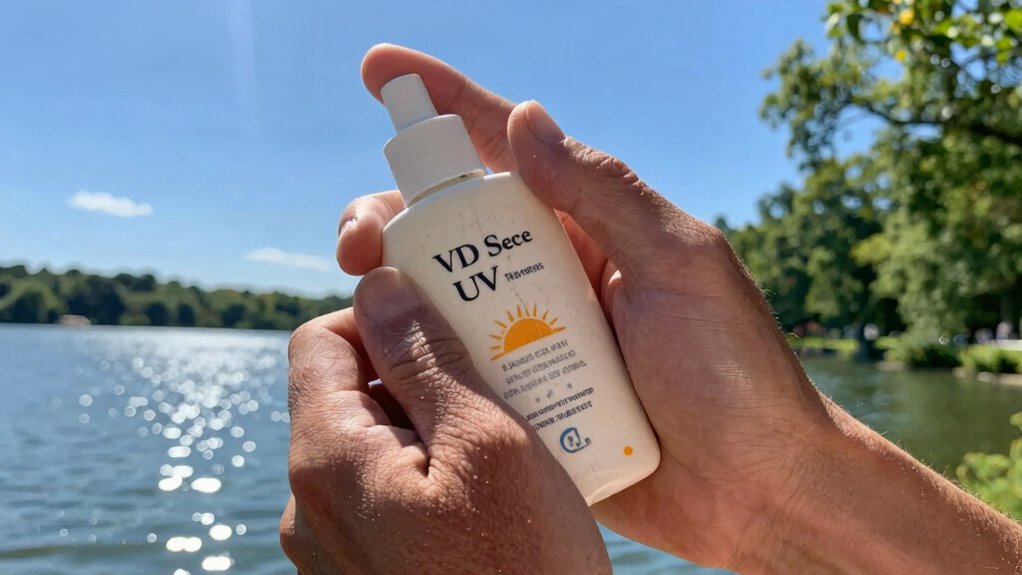

You often find out too late that UV disinfection’s effectiveness hinges on clear water or air, yet many overlook this critical point. Particles, dirt, or clouds can block UV rays, allowing microbes to survive and cause issues. If your system’s not properly maintained or materials aren’t compatible, it can degrade quickly. Understanding these limits early on helps prevent costly failures. Keep going, and you’ll discover how to avoid these common pitfalls and guarantee your UV system works effectively.

Prime made for students and young adults
- Fast, free delivery for dorm and study essentials
- Prime Video and Amazon Music included
- Member-only deals
Key Takeaways
- People often realize too late that UV penetration is hindered by dirt, particles, or turbidity, reducing treatment effectiveness.
- Inadequate material selection can lead to UV system degradation and microbial contamination over time.
- Many neglect regular maintenance, causing dirt buildup that diminishes UV light efficiency.
- Users frequently discover too late that UV treatment cannot neutralize chemical pollutants or heavy metals.
- Early awareness of UV limitations can prevent costly failures and ensure long-term system performance.
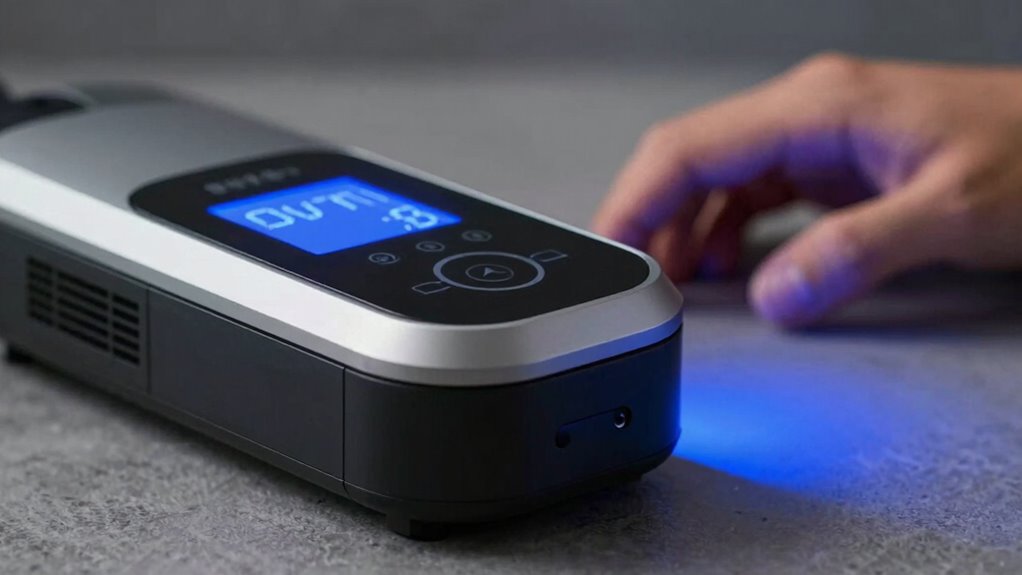
UV treatment is an effective method for disinfecting water and air, but it comes with important limitations you need to understand. One of the key factors affecting UV’s effectiveness is UV penetration. UV light works by damaging the DNA or RNA of microorganisms, rendering them inactive. However, its ability to do so depends heavily on how well the UV rays can reach the pathogens. If particles, dirt, or other impurities are present in the water or air, they can block or scatter UV light, reducing penetration. This means that in turbid water or cloudy air, UV disinfection won’t be as efficient. You might think that UV treatment is foolproof, but if the medium isn’t clear enough, the UV rays simply won’t reach all the microbes, leaving some potentially active.
Material compatibility is another critical limitation that often catches people off guard. UV disinfection systems are designed with specific materials that can withstand UV exposure without degrading. If incompatible materials are used, the UV light can cause deterioration, leading to system failure or the release of harmful substances. For example, certain plastics, rubbers, or coatings may become brittle or discolored when exposed to UV over time. This not only compromises the integrity of the equipment but can also lead to microbial contamination if parts break down. It’s essential to select materials explicitly rated for UV exposure to guarantee longevity and safety. Failing to do so might mean replacing equipment prematurely or risking contamination from degraded components. Additionally, understanding the material compatibility of components helps prevent costly repairs and system downtime. Regular maintenance practices, such as cleaning and inspecting UV components, are also vital to address issues caused by material degradation over time. Moreover, the effects of UV exposure can vary depending on the specific materials used, making careful selection even more crucial.
Another point to take into account is that UV treatment is not effective against all types of contaminants. While it excels at neutralizing bacteria, viruses, and mold spores, it does little against chemical pollutants or heavy metals. Additionally, UV systems require regular maintenance, such as cleaning the quartz sleeves or lamps, to maintain suitable UV penetration. Without proper upkeep, dirt or film can build up, further blocking UV light and diminishing its disinfecting power. Proper maintenance practices are crucial to sustain UV system efficiency and prevent unforeseen failures. Regular inspections and timely replacements of UV lamps ensure the system remains effective over time. Neglecting maintenance can result in increased costs and reduced safety, making it essential to incorporate a routine schedule. People often learn these limitations the hard way—after investing in UV systems and experiencing reduced performance or system failures. That’s why understanding the importance of UV penetration and material compatibility before installation can save you time and money. It’s not just about having a UV system; it’s about ensuring the environment, material choices, and maintenance practices support its effectiveness. When you grasp these limitations early on, you’re better equipped to harness UV treatment’s strengths without falling victim to its weaknesses.
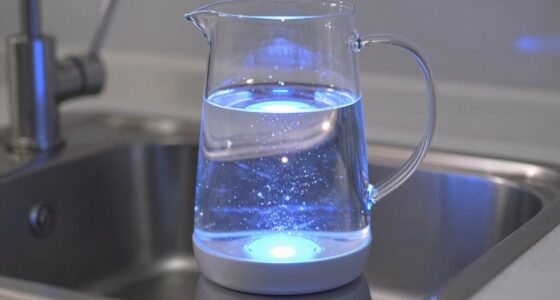
UV water disinfection system with clear water requirement
As an affiliate, we earn on qualifying purchases.
As an affiliate, we earn on qualifying purchases.
Frequently Asked Questions
Can UV Treatment Damage Healthy Skin Cells?
Yes, UV treatment can damage healthy skin cells if not used properly. Overexposure might cause skin cell damage, leading to redness, irritation, or even burns. This damage can reduce treatment efficacy over time, as healthy cells are compromised. To avoid this, it’s essential to follow recommended guidelines and limit exposure. Proper use guarantees maximum benefits while minimizing risks to your healthy skin cells.
How Long Does UV Treatment Effectively Protect Against UV Rays?
Imagine a shield that fades with each splash of water—that’s how UV treatment protection works. It generally lasts about 24 hours, so daily sun protection is essential. Without consistent care, your skin ages faster and sun damage accumulates. Even after treatment, UV rays can penetrate, so applying sunscreen and wearing protective clothing remain crucial to maintain the benefits and prevent premature skin aging.
Are There Age Restrictions for UV Treatment Use?
Yes, there are age restrictions for UV treatment use, especially for children and teenagers. Treatment guidelines typically recommend avoiding UV therapy for very young kids due to their sensitive skin and developing immune systems. Always consult your healthcare provider to determine if UV treatment is suitable for your age group. Following these guidelines guarantees you minimize risks and get the most effective, safe results from UV therapy.
Does UV Treatment Work on All Skin Types?
UV treatment doesn’t work equally well on all skin types. Your skin tone plays a significant role in treatment efficacy; lighter skin tones tend to respond better, showing faster results. Darker skin may require more sessions or different approaches to achieve similar effects, and there’s a higher risk of side effects like hyperpigmentation. Always consult with a specialist to determine if UV treatment suits your skin type for safe and effective results.
What Are the Long-Term Health Risks of UV Treatment?
UV treatment’s long-term health risks are like shadows lurking in the background. It can accelerate skin aging, causing wrinkles and age spots, and compromise cosmetic safety by increasing skin cancer risk. Over time, UV exposure damages your skin’s DNA, which might lead to serious health issues. Protect yourself now by understanding these risks, because neglecting them could turn your youthful glow into premature aging and health complications.
UV air purifier for turbidity and particle removal
As an affiliate, we earn on qualifying purchases.
As an affiliate, we earn on qualifying purchases.
Conclusion
So, if you ignore the UV treatment limitations, you’re basically signing up for a lifetime of invisible skin villains hiding in the shadows, ready to attack when you least expect it. Don’t be the person who learns too late that UV rays are sneaky ninjas, slipping past defenses and wreaking havoc. Arm yourself with knowledge now, or risk turning your skin into a battlefield where sunlight wins every time—and trust me, that’s a war you don’t want to lose!
UV resistant materials for disinfection systems
As an affiliate, we earn on qualifying purchases.
As an affiliate, we earn on qualifying purchases.
As an affiliate, we earn on qualifying purchases.
Fall Picks
fall essentials
As an affiliate, we earn on qualifying purchases.