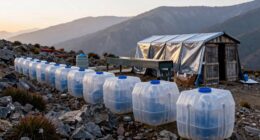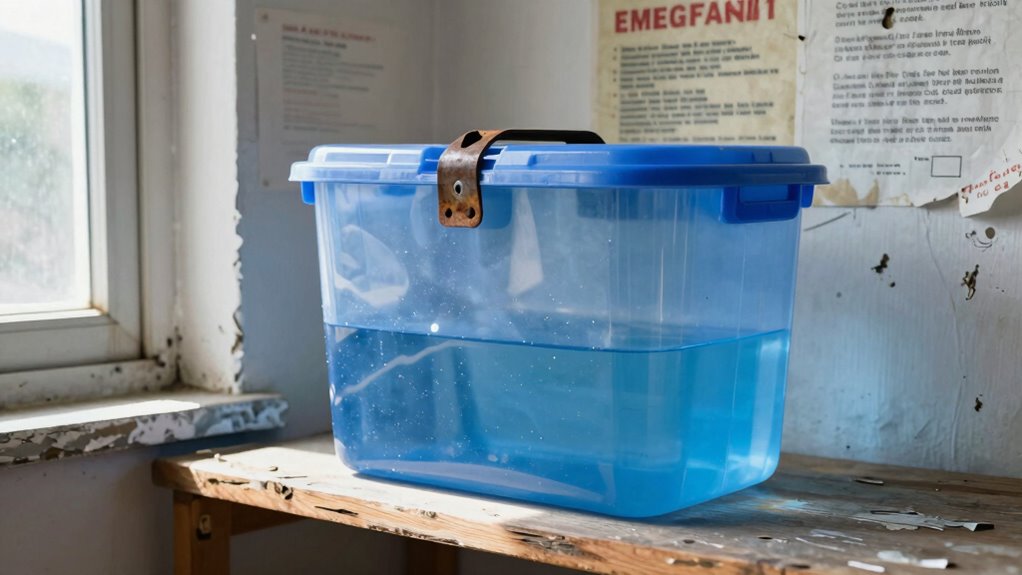

To prevent a bad emergency plan, follow the water storage rule: use food-grade, opaque containers and keep them in cool, dark spots away from chemicals or pollutants. Regularly inspect and clean your containers to guarantee water stays safe and uncontaminated. Proper handling and treatment, like adding household bleach, also help maintain water quality over time. If you want to discover more essential tips, keep exploring how proper storage can make all the difference.

Get school and study supplies delivered free — and shop member deals
- Fast, free delivery on millions of items
- Access to Prime Big Deal Days deals on October 6–7
- Prime Video, Amazon Music and more included
Key Takeaways
- Use food-grade, opaque containers to prevent chemical leaching and algae growth.
- Store water in cool, dark places away from chemicals and contaminants.
- Regularly inspect and clean containers to maintain water quality.
- Properly treat stored water with household bleach to prevent bacterial growth.
- Secure lids to prevent contamination from dirt, insects, and animals.
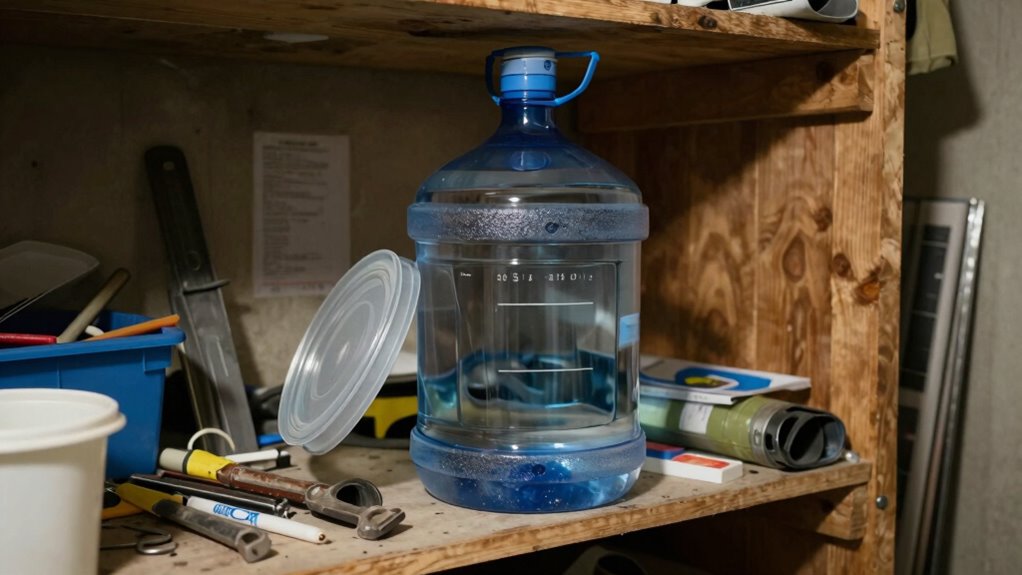
Have you ever wondered why some communities have strict water storage regulations? It’s often because they understand the essential role that water purity plays in emergency preparedness. When disaster strikes—whether it’s a natural calamity, a power outage, or a contamination event—having access to clean water becomes a matter of survival. But simply storing water isn’t enough; it’s equally important to take into account the quality of that water and the containers you use to store it. Poorly chosen storage containers can lead to contamination, making your stored water unsafe and defeating the purpose of your emergency plan.
Guaranteeing water purity is the foundation of a reliable emergency water supply. If your stored water becomes contaminated, it can cause illness or even be life-threatening. That’s why communities enforce regulations that specify what types of storage containers are acceptable. These containers are typically made from food-grade materials that won’t leach chemicals into the water or promote bacterial growth. They’re usually opaque to prevent sunlight exposure, which can foster algae or bacteria. Properly designed storage containers also have secure lids to prevent dirt, insects, or animals from contaminating the water. Using the right containers isn’t just about convenience; it’s about safeguarding your health during critical times. Additionally, understanding the importance of water storage regulations helps ensure you follow best practices for safety and compliance. Being aware of storage container materials can further help prevent contamination and ensure water safety. Choosing the correct storage practices can also significantly extend the shelf life and safety of your stored water. Recognizing the impact of sunlight on stored water can help you select better containers and placement strategies. Implementing proper water treatment methods can further enhance the safety of your emergency supply.
In addition to choosing the right storage containers, the placement and maintenance of your stored water are indispensable. You should keep containers in a cool, dark place away from chemicals or pollutants. Regularly inspecting your storage units for cracks, leaks, or signs of contamination helps guarantee water remains safe over time. Before filling your containers, it’s essential to clean them thoroughly with soap and water, then rinse well. Adding a small amount of household bleach to the water during storage can also help prevent bacterial growth, but only in recommended quantities. These steps preserve water purity and ensure that your emergency supply remains safe to drink when you need it most.
food grade water storage containers
As an affiliate, we earn on qualifying purchases.
As an affiliate, we earn on qualifying purchases.
Frequently Asked Questions
How Long Can Stored Water Safely Last?
Stored water generally stays safe for about six months if you use proper water purification methods and keep it in airtight containers. To guarantee your emergency preparedness, rotate your water supply every six months and use water purification tablets or filters if needed. Proper storage in a cool, dark place prevents bacteria growth. Regularly check your supplies, so you’re ready when an emergency strikes, and your water remains safe to drink.
What Types of Containers Are Best for Water Storage?
You want containers that are durable, safe, and easy to seal. Use food-grade plastic bottles, jugs, or barrels that resist corrosion and leaching. Focus on container materials like high-density polyethylene or polypropylene, which are safe for water storage. Make certain sealing techniques are tight and secure, using airtight caps or lids to prevent contamination. Properly cleaned and sealed containers keep water fresh, safe, and ready for emergencies.
How Often Should Stored Water Be Rotated?
You should rotate your stored water every six months to guarantee freshness and safety. During each rotation, perform emergency filtration on old water if needed, and test it for contaminants. Regular water testing helps confirm there’s no bacteria or chemical buildup, maintaining safe drinking water. This routine keeps your supply reliable and ready, preventing potential health risks during emergencies and ensuring your water remains safe and clean.
Can Stored Water Be Used for Cooking and Hygiene?
Your stored water’s like a precious lifeline, so yes, you can use it for cooking and hygiene, but only after proper water purification. Keep your storage hygiene in check by regularly cleaning containers and rotating water to prevent bacteria buildup. This guarantees your water remains safe and clean, ready to support your health and well-being during emergencies. Proper maintenance transforms stored water into a reliable resource when you need it most.
What Are Signs of Contaminated Stored Water?
You can tell your stored water is contaminated if it smells foul, has an unusual color, or shows cloudiness. Look for signs like algae growth or sediment, which indicate contamination. To stay safe, use water purification methods such as boiling or filtration before drinking or cooking. Regularly checking for contamination indicators helps guarantee your stored water remains safe for hygiene and consumption during emergencies.
As an affiliate, we earn on qualifying purchases.
Conclusion
If you ignore the water storage rule, disaster could strike when you least expect it. Just one overlooked detail might leave you stranded, desperate, and unprepared. Will you risk it all on a flawed plan, or will you act now before it’s too late? The choice is yours—and the clock is ticking. Stay vigilant, follow the rule, and guarantee your safety. Because in an emergency, water isn’t just a resource—it’s your life.
water storage container with secure lid
As an affiliate, we earn on qualifying purchases.
As an affiliate, we earn on qualifying purchases.
household bleach for water treatment
As an affiliate, we earn on qualifying purchases.
As an affiliate, we earn on qualifying purchases.
Halloween Picks
halloween
As an affiliate, we earn on qualifying purchases.