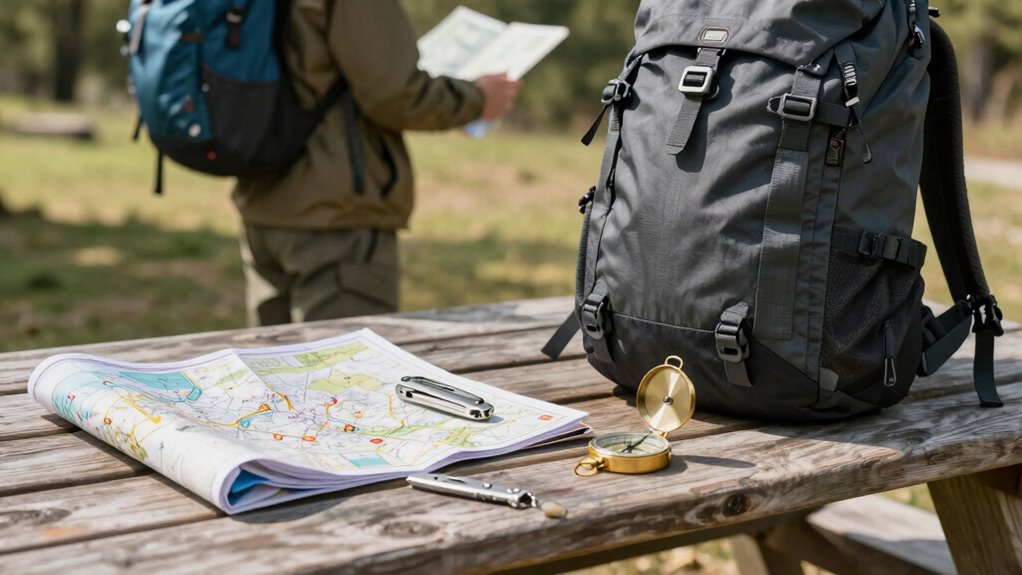

You can develop a preparedness habit that makes gear matter less by focusing on strategic planning. Instead of just collecting supplies, prioritize creating thorough plans for different emergency scenarios. Knowing how to communicate, manage resources, and adapt under stress keeps you safer and more flexible. Proper planning guarantees your safety extends beyond possessions. Keep exploring how honing these habits can transform your readiness and make you truly prepared for any situation.

Prime made for students and young adults
- Fast, free delivery for dorm and study essentials
- Prime Video and Amazon Music included
- Member-only deals
Key Takeaways
- Prioritize strategic planning over accumulating supplies to ensure adaptable and effective emergency responses.
- Develop comprehensive communication protocols to maintain connection and coordination during disruptions.
- Manage resources efficiently through rationing and rotation, reducing dependence on excess gear.
- Establish check-in and contingency plans with family and community to enhance overall preparedness.
- Focus on building resilience through continuous planning and resource management, not just possession of supplies.
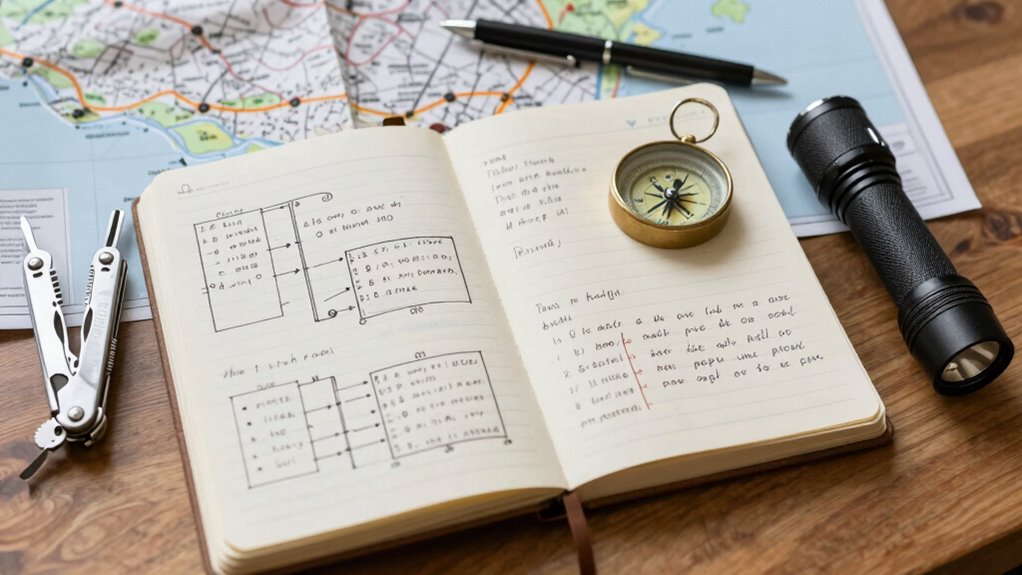
While having the right gear can be helpful, developing a preparedness habit that prioritizes planning over possessions is far more effective in guaranteeing you’re truly ready for emergencies. Gear can be useful, but it’s only part of the equation. The real key lies in how well you plan, especially when it comes to emergency communication and resource management. Without a solid plan, even the best gear won’t guarantee safety or survival.
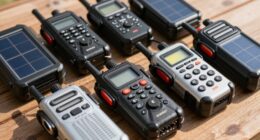
Effective emergency communication is essential. You need to know how to get in touch with loved ones, emergency services, and community resources when chaos strikes. Relying solely on cell phones or traditional communication tools isn’t enough, so you should develop multiple methods of contact. For example, establish a check-in plan with family members, use walkie-talkies, or consider satellite phones if you’re in an area prone to outages. Planning these communication strategies ensures that, no matter what happens, you can stay connected and coordinate effectively. Recognizing the importance of emergency communication methods can help you adapt your plan to different situations. Developing a comprehensive understanding of communication protocols enhances your overall preparedness.
Resource management is equally critical. Instead of stockpiling endless supplies, focus on managing what you have wisely. This means understanding how much food, water, and medical supplies you need for different scenarios and how to ration them efficiently. Think about the duration you might need to sustain yourself without outside help. Create a system for rotating supplies to prevent spoilage and keep an inventory of everything. Planning also involves knowing how to prioritize resource use during shortages, which can make a huge difference in prolonged emergencies. Developing a habit of resource management can improve your resilience and reduce waste. Proper planning in this area ensures that resources are used effectively and last as long as needed.
As an affiliate, we earn on qualifying purchases.
Frequently Asked Questions
How Can I Develop a Consistent Planning Routine?
To develop a consistent planning routine, you should focus on habit formation by setting a specific time each day dedicated to planning. Keep your routine simple and stick to it, even when busy, to build routine consistency. Use reminders or alarms to reinforce the habit, and review your plans regularly to stay engaged. Over time, this consistent effort will make planning second nature, reducing stress and improving your preparedness.
What Common Planning Mistakes Should I Avoid?
You should avoid neglecting thorough risk assessment, as overlooking potential hazards leads to poor planning. Don’t misallocate resources, which can cause delays or failures during emergencies. Make sure your plans are flexible enough to adapt to changing situations, and avoid overcomplicating your strategy. Regularly review and update your plans, ensuring your risk assessment stays accurate and resource allocation remains efficient. This keeps your preparedness realistic and effective in real emergencies.
How Does Mental Preparedness Influence Overall Readiness?
Think of mental preparedness like a muscle; mental resilience strengthens with use, helping you stay calm under pressure. When a sudden problem arises, cognitive flexibility allows you to adapt quickly and find solutions. For example, during a power outage, your ability to stay composed and adjust plans minimizes chaos. This mental agility directly boosts your overall readiness, making you better equipped to handle unexpected challenges efficiently and confidently.
Can Planning Compensate for Lack of Gear?
Planning can sometimes compensate for a lack of gear by emphasizing flexibility and resourcefulness. When you’re adaptable, you reduce gear dependency and focus on contingency plans, which can be more effective in unpredictable situations. Your ability to think ahead and modify your approach helps you navigate challenges without relying solely on physical tools. So, with good planning, you can often overcome gear limitations and stay prepared for various scenarios.
What Tools Best Support Effective Preparedness Planning?
You need tools that are as reliable as a lighthouse in a storm. Emergency communication devices like radios and satellite phones keep you connected, while resource management apps help you track supplies efficiently. These tools streamline your planning, ensuring you can adapt quickly during crises. By integrating them into your strategy, you make your preparedness more effective, reducing reliance on gear and emphasizing smarter, more resilient planning.
As an affiliate, we earn on qualifying purchases.
Conclusion
Remember, while gear can be your safety net, it’s your planning that truly weaves the fabric of preparedness. When you master the habit of thoughtful preparation, you’ll find that gear becomes just a supporting cast, not the star of the show. Like a compass guiding you through uncharted waters, planning keeps you grounded amidst uncertainty. Ultimately, it’s your foresight and adaptability that turn potential chaos into calm—proof that preparedness begins long before the first item is packed.
water rationing and storage supplies
As an affiliate, we earn on qualifying purchases.
As an affiliate, we earn on qualifying purchases.
As an affiliate, we earn on qualifying purchases.
Halloween Picks
halloween
As an affiliate, we earn on qualifying purchases.