📊 Full opportunity report: Trade and supply-chain operations signal monitor: Chicago, Illinois weather forecast: Tornado Watch issued for parts of area | Radar on IdeaNavigator AI — validation score, market gap, and execution plan.
TL;DR
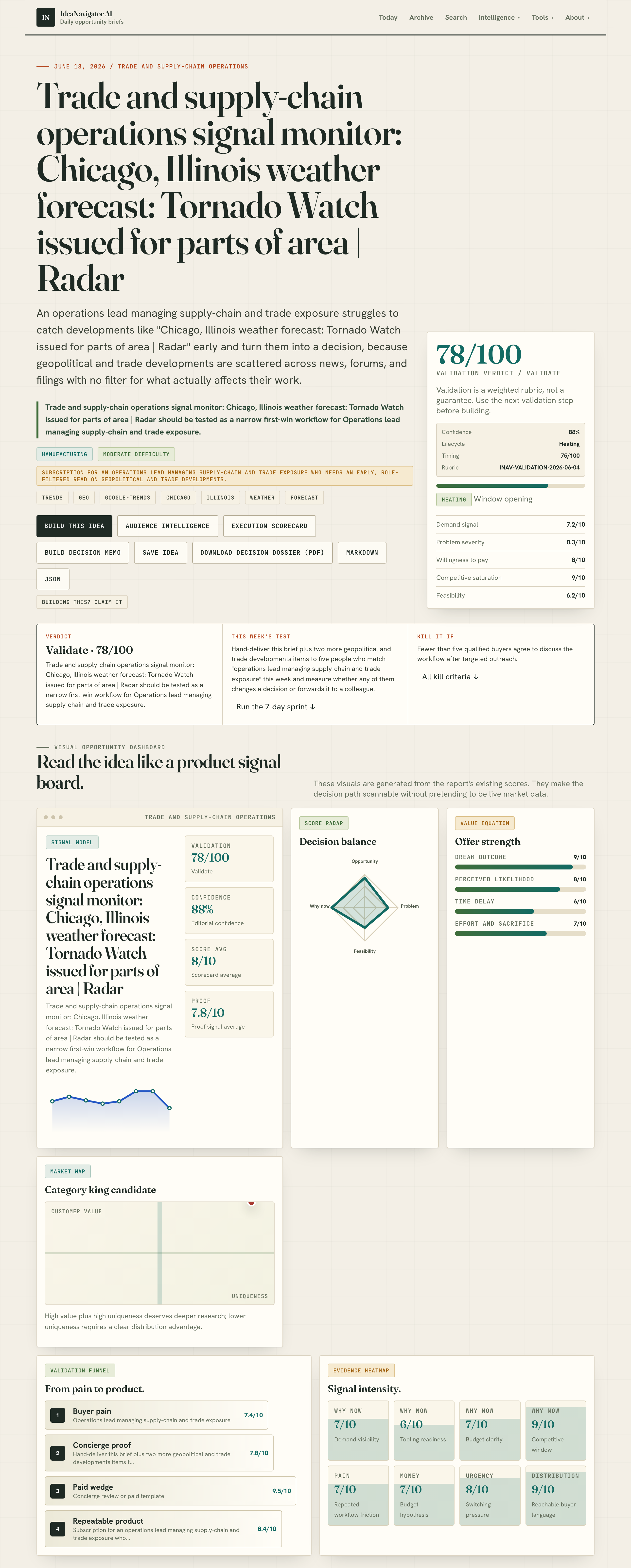
A tornado watch has been issued for parts of Chicago, Illinois, prompting a supply-chain operations signal monitor. This development emphasizes the importance of timely, role-specific alerts for managing trade exposure.
A tornado watch has been issued for parts of Chicago, Illinois, prompting immediate attention from supply-chain and trade operations teams. This development underscores the importance of role-specific weather alerts to mitigate disruptions in logistics and trade flows.
The National Weather Service issued a tornado watch for several counties in the Chicago area earlier today. This alert is part of a targeted weather monitoring effort designed to help operations leads managing supply chains respond swiftly to weather-related risks. The signal monitor, developed based on recent advancements in real-time data filtering, aims to convert broad weather alerts into actionable briefs tailored for logistics decision-makers.
According to sources familiar with the initiative, this monitor uses feeds like Google Trends and weather radar data to identify developments that directly impact supply-chain operations. The current alert for Chicago is the first test of this system, which seeks to provide role-specific, timely information to prevent or reduce disruptions. Experts note that weather events such as tornadoes can cause significant delays and damage to logistics infrastructure, making early alerts vital for contingency planning.
Role-Specific Weather Alerts for Supply-Chain Resilience
This development highlights the growing importance of tailored weather alerts for supply-chain management. By translating broad weather warnings into specific, actionable signals, operations teams can better prepare for disruptions, minimizing delays and financial losses. The initiative demonstrates a move toward more precise, real-time decision-support tools in logistics and trade management, especially during severe weather events that can rapidly escalate.
Tornado weather alert system for supply chain
As an affiliate, we earn on qualifying purchases.
As an affiliate, we earn on qualifying purchases.
Chicago Weather and Supply-Chain Disruptions
Chicago, Illinois, is a major logistics hub, with extensive rail, road, and air networks that support national and international trade. Severe weather events, such as tornadoes, pose a persistent threat to these operations, often causing delays and damage. Historically, supply-chain disruptions in Chicago have been triggered by sudden weather changes, but early detection and targeted alerts have been limited.
The recent issuance of a tornado watch and the testing of a dedicated signal monitor reflect ongoing efforts to improve resilience. The approach aligns with broader industry trends toward integrating weather intelligence into supply-chain decision-making, especially as geopolitical and trade tensions increase the need for rapid, role-specific information.
“Transforming broad weather alerts into role-specific signals can significantly enhance operational readiness and response times.”
— an anonymous researcher
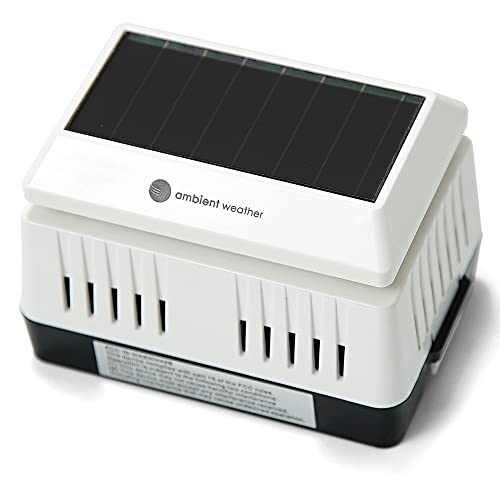
Ambient Weather PM2.5 Wireless Outdoor Particulate Monitor
- Air Quality Monitoring: Measures particulate and pollution levels
- High-Quality Sensor: Uses Sensirion Particle Sensor
- Smart Connectivity: Integrates with Ambient Weather Network, Google Home, Alexa
As an affiliate, we earn on qualifying purchases.
As an affiliate, we earn on qualifying purchases.
Unconfirmed Scope and Effectiveness of Signal Monitor
It is still unclear how broadly the signal monitor will be deployed beyond this initial test in Chicago or how effectively it will translate weather alerts into actionable decisions in real-time. The system’s long-term impact on supply-chain resilience remains to be evaluated as further data and user feedback become available.
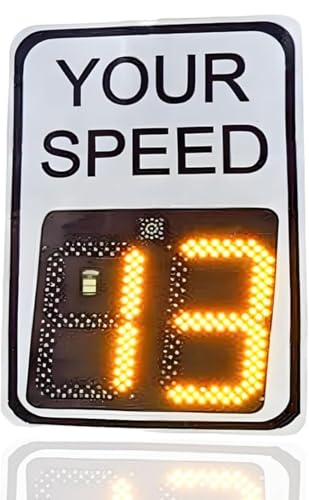
20x27in Solar Powered Radar Feedback Speed Limit Sign, LED Display Solar Radar Detective Aluminum Weatherproof Traffic Signs with Mounting Kit And Remote Control
- All-Weather Monitoring: Real-time radar speed measurement in any weather
- High Visibility LEDs: Bright red and green LED indicators with low energy use
- Durable Aluminum Shell: Corrosion-resistant, waterproof, and weatherproof construction
As an affiliate, we earn on qualifying purchases.
As an affiliate, we earn on qualifying purchases.
Next Steps in Monitoring and System Deployment
The immediate next step involves monitoring how supply-chain teams respond to the tornado watch alert and whether the signal monitor successfully aids decision-making. Developers plan to expand testing to other regions and weather scenarios, aiming to refine the system’s accuracy and usefulness. Industry stakeholders will observe its integration into operational workflows over the coming weeks.

Disaster Preparedness & Recovery: QuickStudy Laminated Reference Guide (Quick Study Home)
As an affiliate, we earn on qualifying purchases.
As an affiliate, we earn on qualifying purchases.
Key Questions
How does the signal monitor work?
The system filters real-time weather data and trends to generate role-specific alerts, helping supply-chain managers respond proactively to weather threats.
Will this system prevent supply-chain disruptions?
While it aims to improve early detection and response, its effectiveness in preventing disruptions will depend on deployment, user adoption, and the accuracy of alerts.
Is this approach being used elsewhere?
Similar role-specific alert systems are in development in other logistics hubs, but this is among the first focused on integrating weather alerts directly into supply-chain decision-making.
What are the limitations of the current system?
Its effectiveness depends on data accuracy, timely updates, and user response, and it is still in testing phases with limited deployment.
When will the system be widely adopted?
Widespread adoption will depend on the results of ongoing tests and feedback, with broader rollout possibly within the next year if proven effective.
Source: IdeaNavigator AI