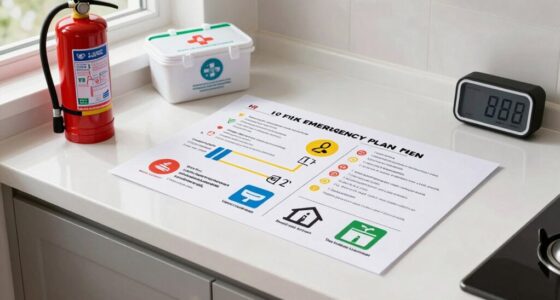
Many homes overlook critical first aid gaps, such as expired supplies, disorganized kits, and missing essential items for common injuries. You might not realize that securely storing hazardous substances and childproofing safety measures are often neglected. Without proper training, you may feel unprepared to handle emergencies effectively. Addressing these gaps can make a big difference when every second counts. Keep exploring to learn how to strengthen your home’s emergency readiness and protect your family better.

Get school and study supplies delivered free — and shop member deals
- Fast, free delivery on millions of items
- Access to Prime Big Deal Days deals on October 6–7
- Prime Video, Amazon Music and more included
Key Takeaways
- Many homes lack regularly updated and fully stocked first aid kits for immediate response.
- Insufficient first aid training leads to hesitation and ineffective treatment during emergencies.
- Common safety measures, like securing furniture and hazardous substances, are often overlooked.
- Families frequently do not practice emergency drills or have clear communication plans.
- Limited awareness of essential first aid items and procedures contributes to delayed or inadequate care.
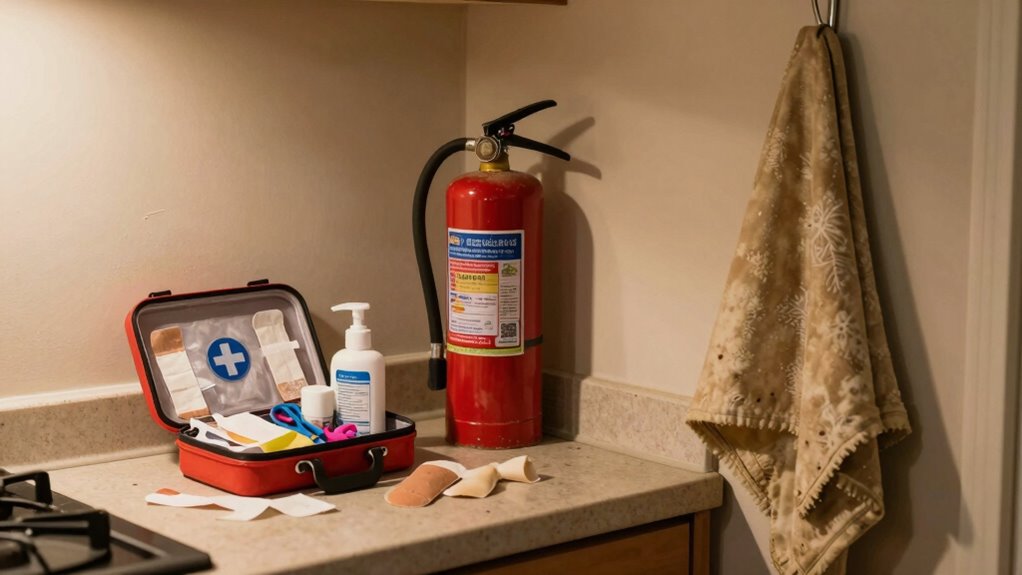
Have you ever wondered if your home is truly prepared for emergencies? Many households overlook critical aspects of emergency preparedness, leaving gaps that could prove dangerous when accidents happen. One of the most overlooked areas is making sure that your first aid supplies are complete and easily accessible. When an emergency strikes, quick and effective first aid can make a significant difference, but if your kit is missing essential items or is poorly organized, precious time is lost. It’s essential to regularly check your first aid kit, replace expired supplies, and confirm you have everything needed for common injuries, from cuts and burns to sprains.
Regularly check and update your first aid kit to ensure readiness for common injuries and emergencies.
Child safety is another indispensable element often neglected in home emergency plans. Kids are naturally curious and more prone to accidents, so it’s important to prioritize their safety in your emergency preparedness efforts. This includes securing furniture to prevent tipping, installing safety gates, and keeping hazardous substances out of reach. But beyond physical safety measures, it also means teaching children basic safety rules and first aid skills appropriate for their age. Knowing how to handle minor injuries or when to seek adult help can empower children and reduce panic during emergencies.
Many homes lack proper training or confidence in administering first aid, which is a key gap in emergency preparedness. Even if your supplies are in order, not knowing how to use them can render them useless in a crisis. Taking a basic first aid course guarantees you’re equipped to provide immediate help, whether it’s controlling bleeding, performing CPR, or dealing with choking incidents. For families with young children, specialized training on pediatric first aid can be invaluable, helping you respond swiftly and appropriately in situations unique to children.
Another common oversight is not having a clear emergency plan or communication strategy. Knowing what to do, where to go, and how to contact emergency services can save lives. It’s equally important to involve all family members in these plans, especially children, so they understand what’s expected of them. Regular drills can help everyone stay prepared and reduce panic during actual emergencies. Additionally, understanding emergency communication and how to use different devices can enhance response efficiency, especially in areas with connectivity issues. Developing community resilience can also support individual preparedness efforts by creating a network of support during crises. Building a culture of preparedness within your community can foster shared resources and knowledge, making everyone more resilient.
Ultimately, closing the first aid gap in your home requires proactive steps: maintaining a well-stocked kit, safeguarding your children, acquiring proper training, and developing a solid emergency plan. It’s also important to recognize that biodiversity and sustainable living practices can influence how communities prepare and respond to emergencies, emphasizing the need for resilient and environmentally conscious solutions. When you invest in these areas, you’re not just preparing for the worst—you’re creating a safer environment where everyone, especially your children, can stay secure and confident in the face of unexpected crises.
comprehensive first aid kit for home
As an affiliate, we earn on qualifying purchases.
As an affiliate, we earn on qualifying purchases.
Frequently Asked Questions
What Are the Most Common First Aid Supplies Missing in Homes?
You often overlook essential first aid supplies like antiseptic wipes, adhesive bandages, and pain relievers. In emergency preparedness, keeping these items organized is vital, but many homes lack a well-structured supply. You should regularly check and replenish your first aid kit, ensuring everything is accessible and up-to-date. Proper supply organization helps you respond quickly during emergencies, preventing small injuries from escalating and promoting a safer home environment.
How Often Should First Aid Kits Be Updated or Replenished?
You should update your first aid kit at least every six months, balancing emergency preparedness with kit maintenance. While it’s easy to forget, missing or expired supplies can compromise your response in emergencies. Regularly check for expired medications, used bandages, or damaged containers. Keeping your kit current guarantees you’re ready for unexpected situations, making maintenance a crucial part of staying prepared and confident in emergencies.
Are There Age-Specific First Aid Items Every Home Should Have?
Yes, your home should have age-specific first aid items to guarantee child safety and elderly care. Keep child-friendly supplies like bandages for small wounds and child-safe ointments. For elderly care, include items like pressure bandages, mobility aids, or medications. Regularly check and update these supplies to address age-related health needs, guaranteeing you’re prepared for emergencies involving children and seniors alike.
How Can I Train Family Members in Basic First Aid Procedures?
You can train your family members in basic first aid procedures by organizing hands-on practice sessions. Teach them CPR techniques, emphasizing proper compression depth and rhythm. Show them wound management skills like cleaning, dressing, and bandaging cuts or scrapes. Use online tutorials or local workshops for guidance, and encourage regular drills. This way, everyone stays prepared to respond confidently during emergencies.
What Are the Legal Requirements for First Aid Supplies at Home?
You need to guarantee legal compliance and meet safety standards by maintaining a well-stocked first aid kit at home. Check local regulations for specific requirements, which often include essentials like bandages, antiseptics, and gloves. Keep supplies up-to-date and accessible, because being prepared means protecting loved ones and meeting legal responsibilities. Staying informed about safety standards guarantees you’re ready to handle emergencies confidently and responsibly.
childproof safety locks and furniture straps
As an affiliate, we earn on qualifying purchases.
As an affiliate, we earn on qualifying purchases.
Conclusion
You might think emergencies happen only elsewhere, but they can strike right in your home anytime. Filling the first aid gap isn’t just about having supplies—it’s about knowing how to use them confidently. Even if you’re unsure where to start, taking a quick first aid course can make all the difference. Don’t wait for an accident to remind you—prepare now, so you’re ready to act swiftly and effectively when it matters most.
pediatric first aid training course
As an affiliate, we earn on qualifying purchases.
As an affiliate, we earn on qualifying purchases.
emergency preparedness kit for families
As an affiliate, we earn on qualifying purchases.
As an affiliate, we earn on qualifying purchases.
Fall Picks
fall essentials
As an affiliate, we earn on qualifying purchases.