
Power outages quickly expose gaps in your community’s emergency plans and infrastructure resilience because they reveal how unprepared you are for sudden disruptions. They highlight weaknesses in maintenance, coordination, and contingency strategies that you might overlook during normal times. When lights go out unexpectedly, it becomes clear whether your community has invested in resilient infrastructure and clear communication. If you want to understand how to better prepare and address these vulnerabilities, there’s more to discover below.

Prime made for students and young adults
- Fast, free delivery for dorm and study essentials
- Prime Video and Amazon Music included
- Member-only deals
Key Takeaways
- Outages expose gaps in emergency preparedness and community response strategies.
- They reveal infrastructure vulnerabilities and maintenance deficiencies.
- Power failures highlight the lack of resilient infrastructure and contingency planning.
- Sudden outages test the effectiveness of communication and coordination efforts.
- They serve as immediate indicators of underlying systemic weaknesses needing urgent attention.
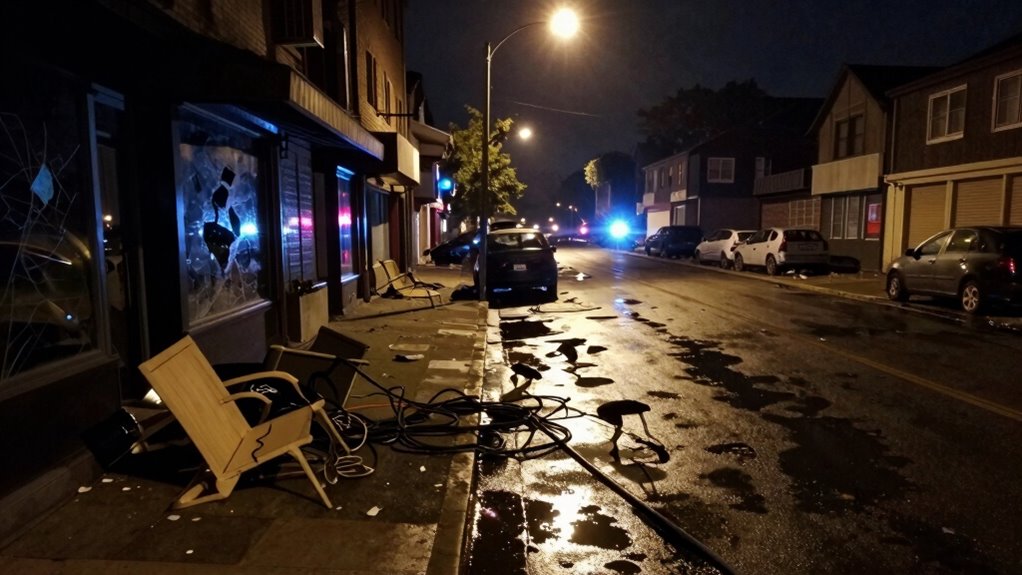
Power outages can strike unexpectedly, exposing the flaws in our planning and preparedness. When the lights go out, it’s a clear sign that our emergency preparedness measures may not be enough, and it highlights weaknesses in infrastructure resilience. These outages reveal how vulnerable our systems are to disruptions, especially when they can happen suddenly and without warning. You might think your community is ready for such events, but the truth is, many areas lack detailed plans that address all possible scenarios. This gap becomes painfully obvious when power lines fail or substations malfunction, leaving residents and businesses scrambling for solutions they hadn’t anticipated.
Power outages expose gaps in emergency plans and infrastructure resilience, leaving communities unprepared for sudden disruptions.
In these moments, it becomes clear that effective emergency preparedness isn’t just about having a few flashlights or backup batteries. It involves a coordinated effort to guarantee critical infrastructure can withstand various shocks. If your community’s infrastructure resilience is weak, even a minor storm or technical fault can escalate into a widespread outage. Power grids are complex systems that require constant maintenance, upgrades, and contingency planning. When these elements fall short, the results are felt immediately—people lose access to essential services like healthcare, communication, and transportation. Your ability to respond quickly and adapt hinges on how robust and flexible your infrastructure really is. Developing resilience strategies is essential to minimize the impact of outages and ensure quick recovery.
The rapid onset of power outages emphasizes the importance of proactive planning. It’s not enough to prepare for common disruptions; you need strategies that consider worst-case scenarios. This involves investing in resilient infrastructure, such as underground power lines or diversified energy sources, to reduce the likelihood of outages. It also requires clear communication plans, so everyone knows what to do when the lights go out. If your local authorities haven’t prioritized these measures, outages will continue to expose critical weaknesses, often with devastating consequences for vulnerable populations. Additionally, understanding the importance of infrastructure resilience can help communities better prepare for and mitigate such risks. Building community emergency preparedness plans that incorporate these resilience measures can significantly improve overall response capabilities. Recognizing these risks also highlights the importance of community engagement in fostering collective resilience and ensuring preparedness efforts are inclusive and effective.
Furthermore, these outages reveal the gaps in community-wide emergency preparedness. If you’re unprepared or unaware of how to respond, you’ll find yourself struggling to meet basic needs. Power failures can quickly turn into crises if plans aren’t in place to provide emergency power, water, and medical support. The faster these issues surface, the more urgent it becomes to strengthen infrastructure resilience and develop thorough emergency plans. Building community awareness about these vulnerabilities can significantly improve response times and coordination during crises. When systems are vulnerable, outages don’t just inconvenience—they threaten safety and well-being. That’s why it’s vital to view power outages as wake-up calls that reveal where your community’s weakest points lie, pushing you toward better planning and stronger infrastructure to withstand future disruptions.
emergency backup power generator
As an affiliate, we earn on qualifying purchases.
As an affiliate, we earn on qualifying purchases.
Frequently Asked Questions
How Do Power Outages Impact Emergency Response Plans?
Power outages can severely disrupt your emergency response plans by exposing vulnerabilities in your utility infrastructure and communication networks. When power goes out, you might find it harder to coordinate rescue efforts or access critical information quickly. These outages highlight weak points, forcing you to reevaluate and strengthen your plans, ensuring that essential services and communication channels remain operational during crises, ultimately improving your overall emergency preparedness.
What Role Does Technology Play in Preventing Outages?
Technology plays a vital role in preventing outages through smart grids and renewable integration. Smart grids enable you to monitor and manage electricity flow in real-time, quickly addressing issues before they cause outages. Renewable integration allows you to diversify energy sources, reducing reliance on a single supply. Together, these innovations enhance grid resilience, improve efficiency, and help you prevent power outages, ensuring a stable and reliable energy supply.
How Do Outages Affect Vulnerable Populations Differently?
You notice that outages hit vulnerable populations hardest, especially those facing socioeconomic disparities and healthcare vulnerabilities. Without reliable power, they struggle with essential needs like medication storage, heating, and communication. These groups often lack resources to prepare or recover quickly, exposing systemic weaknesses. Power outages reveal how planning often overlooks these populations, emphasizing the urgent need for targeted strategies that address their unique challenges and guarantee equitable resilience during disruptions.
What Are Common Misconceptions About Grid Resilience?
You might believe grid resilience means never experiencing outages, but that’s a common resilience myth. Grid myths often assume the system’s invincible, ignoring vulnerabilities exposed during outages. In reality, resilience involves planning for disruptions, maintaining flexibility, and quick recovery. Power outages reveal these weaknesses fast, showing that true resilience requires continuous improvement, risk assessment, and innovation—not just relying on outdated assumptions about the grid’s invulnerability.
How Can Communities Better Prepare for Extended Outages?
Did you know that 60% of communities experience prolonged outages due to poor planning? To better prepare, you should organize regular community drills to practice emergency responses and improve coordination. Stockpiling essential resources like water, non-perishable food, and batteries guarantees you’re ready for extended outages. These proactive steps help your community stay resilient, reducing chaos and ensuring safety when power failures happen unexpectedly.
resilient infrastructure components
As an affiliate, we earn on qualifying purchases.
As an affiliate, we earn on qualifying purchases.
Conclusion
When a power outage hits, it quickly exposes planning weaknesses that can catch you off guard. Did you know that nearly 70% of outages are caused by preventable issues like outdated infrastructure? That’s a stark reminder to prioritize better planning and maintenance. By addressing these vulnerabilities now, you can reduce downtime and keep things running smoothly when it matters most. Don’t wait for a blackout to realize the importance of strong, proactive planning—act today.
community emergency communication systems
As an affiliate, we earn on qualifying purchases.
As an affiliate, we earn on qualifying purchases.
As an affiliate, we earn on qualifying purchases.
Halloween Picks
halloween
As an affiliate, we earn on qualifying purchases.