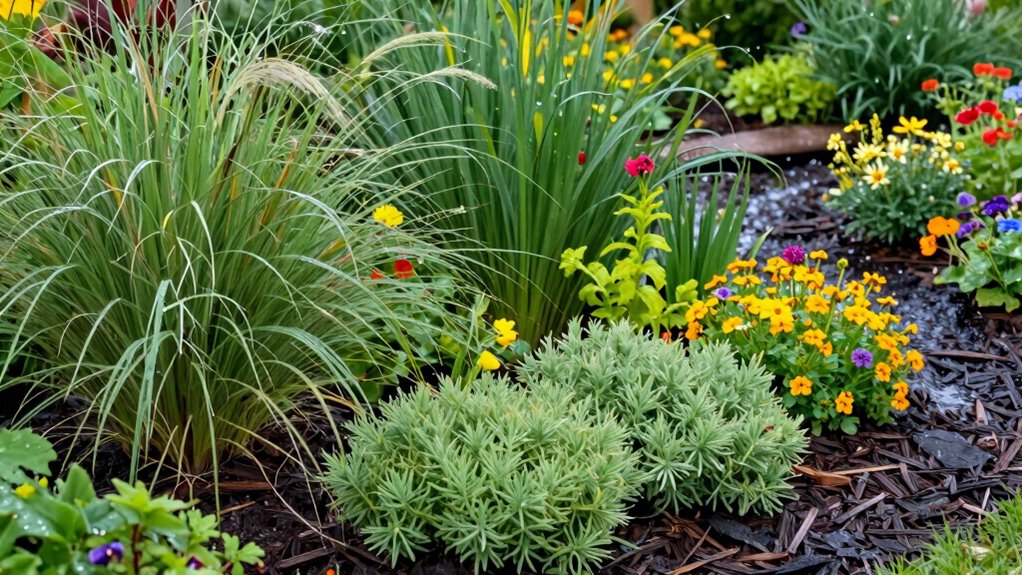

Rain gardens are natural basins designed to filter and absorb stormwater runoff. They use soil, plants, and mulch to trap pollutants, reduce flooding, and recharge groundwater. As water flows into the garden, it slows down, allowing contaminants to be broken down or absorbed by plants and soil. This process helps improve water quality and protects nearby lakes and streams. Keep exploring to see how rain gardens can benefit your community and environment.
Key Takeaways
- Rain gardens use soil and plants to filter and absorb stormwater, reducing runoff and preventing urban flooding.
- They trap pollutants like nutrients, heavy metals, and chemicals, improving water quality before it reaches water bodies.
- The depression in a rain garden temporarily holds water, allowing it to soak into the ground naturally.
- Native, water-tolerant plants help break down pollutants and support local ecosystems.
- Proper maintenance ensures rain gardens remain effective at filtering water and reducing urban environmental issues.
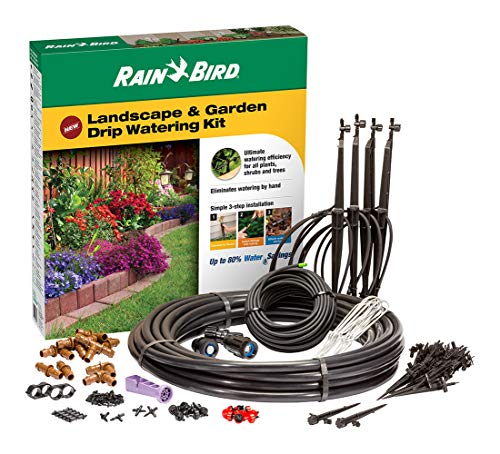
Rain Bird LNDDRIPKIT Drip Irrigation Landscape/Garden Watering Kit with Drippers, Micro-Bubblers, Micro-Sprays
Comprehensive 108-piece kit for flower beds, gardens and landscaped areas; eliminates hand watering, saves time and money
As an affiliate, we earn on qualifying purchases.
As an affiliate, we earn on qualifying purchases.
What Is a Rain Garden and How Does It Work?
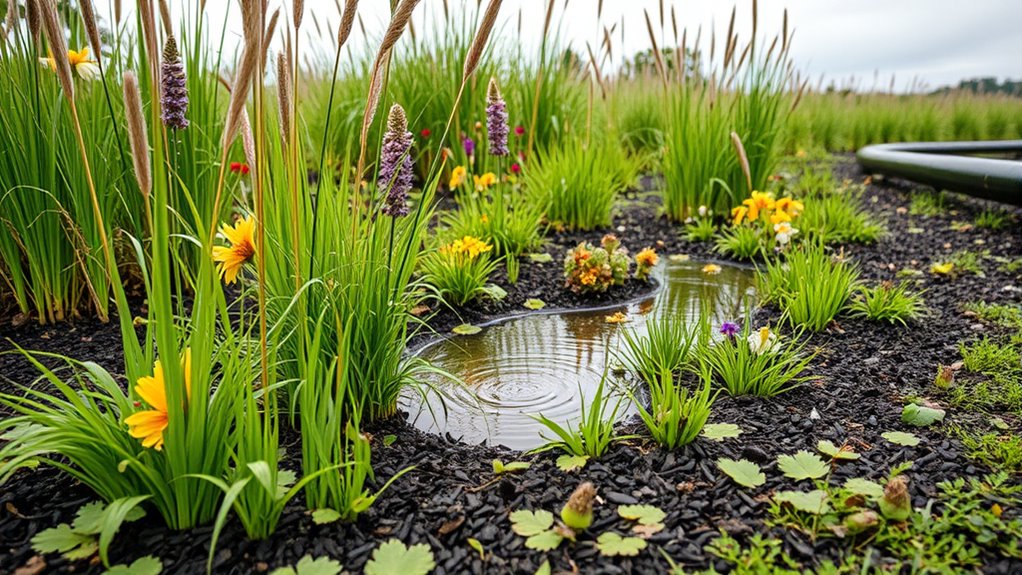
Have you ever wondered how to manage rainwater runoff effectively? A rain garden is designed to do just that by using soil absorption to filter and redirect water. When rain falls, the garden’s carefully selected plants and soil absorb excess water, preventing it from overwhelming storm drains. Plant selection is essential; you want native, water-tolerant plants that thrive in wet conditions and help break down pollutants. The garden’s depression holds stormwater temporarily, allowing it to soak into the ground naturally. This process reduces runoff, minimizes erosion, and improves water quality. Additionally, soil absorption techniques play a crucial role in maximizing the efficiency of rain gardens. By choosing the right soil and plants, you create an eco-friendly feature that manages rainwater efficiently while enhancing your landscape’s beauty.

Dry Climate Gardening: Growing beautiful, sustainable gardens in low-water conditions
As an affiliate, we earn on qualifying purchases.
As an affiliate, we earn on qualifying purchases.
How Do Rain Gardens Filtrate Stormwater?

Ever wonder how rain gardens clean stormwater as it filters through? As water flows into the garden, it slowly seeps through layers of soil, mulch, and plants. This process, called stormwater filtration, traps dirt, debris, and harmful pollutants before they reach groundwater or nearby water bodies. The soil acts as a natural filter, absorbing pollutants like oils, heavy metals, and chemicals. Plants play an essential role by uptaking nutrients and contaminants through their roots. This combination of soil, plants, and mulch ensures that stormwater is cleaned efficiently. Additionally, stormwater management techniques like rain gardens help mitigate urban flooding and improve water quality. By slowing down water flow, rain gardens reduce runoff and prevent pollutants from entering storm drains, effectively removing contaminants and improving water quality before it leaves the garden.

Miracle-Gro Organic Outdoor Potting Mix – Plant Soil for Outdoor Container Plants, Contains Quick-Release Natural Fertilizer, OMRI Listed, 16 qt.
OUTDOOR POTTING SOIL: Miracle-Gro Organic Outdoor Potting Mix contains a quick-release natural plant fertilizer and also feeds plants…
As an affiliate, we earn on qualifying purchases.
As an affiliate, we earn on qualifying purchases.
What Are the Main Parts of a Rain Garden?

| Part | Function |
|---|---|
| Plants | Absorb water, provide plant diversity, filter pollutants |
| Soil Types | Facilitate drainage, support plant roots |
| Depression | Collects runoff |
| Mulch | Reduces erosion, retains moisture |
| Overflow Outlet | Prevents flooding by redirecting excess water |
| In addition, choosing the right soil types is crucial for ensuring proper drainage and long-term garden health.

Wastewater Treatment, Plant Dynamics and Management in Constructed and Natural Wetlands
As an affiliate, we earn on qualifying purchases.
As an affiliate, we earn on qualifying purchases.
How Do Rain Gardens Reduce Pollution and Replenish Groundwater?

Rain gardens play a crucial role in reducing pollution by filtering runoff water through layers of soil and plants, which trap pollutants like nutrients, heavy metals, and chemicals. This process helps cut down on urban pollution, preventing contaminants from reaching streams and lakes. Additionally, rain gardens promote groundwater recharge by allowing water to seep slowly into the ground, replenishing underground aquifers. As water infiltrates, it naturally cleanses itself, reducing the amount of polluted runoff that could otherwise cause water quality issues. By capturing and filtering stormwater, rain gardens protect local water sources and improve overall environmental health. Their ability to manage runoff efficiently makes them an essential tool for urban areas aiming to reduce pollution and support sustainable groundwater levels. Incorporating innovative green infrastructure solutions like rain gardens can further enhance urban resilience to climate change impacts.
Why Are Rain Gardens Great for Cities and Neighborhoods?
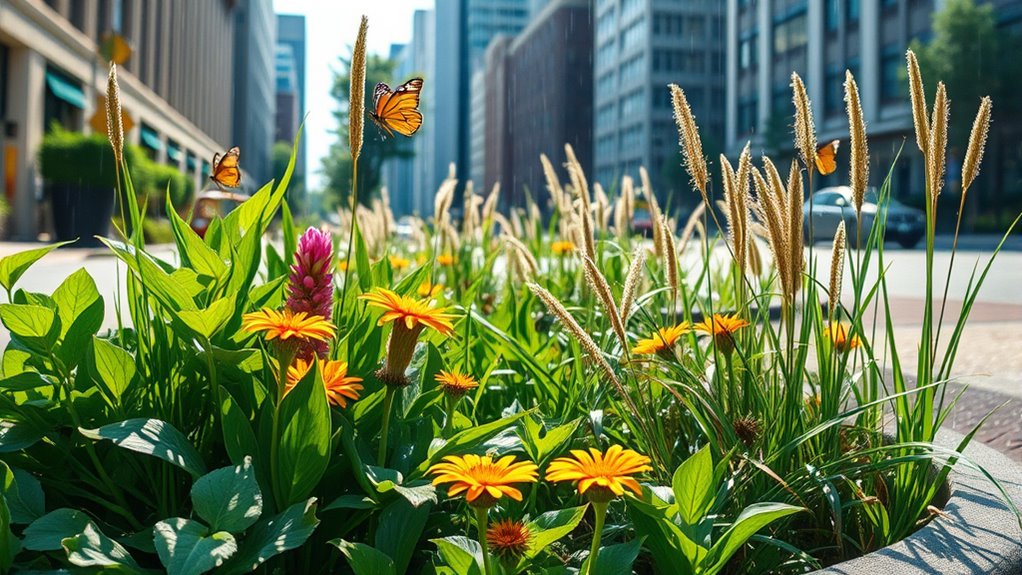
Rain gardens help reduce urban flooding by absorbing excess rainwater before it causes problems. They also boost neighborhood appeal by adding greenery and visual interest. Together, these benefits make cities more resilient and beautiful. Additionally, rain gardens can improve water filtration, helping to remove pollutants from runoff before it reaches local water bodies.
Urban Flood Reduction
Have you ever wondered how cities can better handle heavy storms and prevent flooding? Rain gardens play a crucial role in stormwater management, helping reduce runoff that overwhelms urban drainage systems. By capturing rainwater where it lands, rain gardens slow down excess water, allowing it to soak into the ground instead of rushing into streets and sewers. This natural process considerably enhances urban flood mitigation, protecting neighborhoods from water damage and reducing the risk of flooded streets. Additionally, integrating trusted market options can help communities choose the most effective and sustainable rain garden solutions. Plus, rain gardens are easy to implement in small spaces, making them ideal for city landscapes. They not only manage stormwater effectively but also improve local water quality by filtering pollutants. Overall, rain gardens are a smart, sustainable solution for managing urban flood risks.
Enhancing Local Beauty
Cities and neighborhoods can become more attractive and inviting when rain gardens are added to the landscape. By planting native plants, you create vibrant, low-maintenance greenery that blends seamlessly with the local environment. These plants not only boost visual appeal but also support soil health by reducing erosion and improving water absorption. Rain gardens offer a natural, appealing landscape feature that softens urban spaces and encourages community interaction. They provide a lush, green contrast to concrete and asphalt, making neighborhoods feel more welcoming. Plus, native plants thrive with less watering and care, ensuring long-term beauty. Proper installation and maintenance are essential to prevent issues like soil erosion and to ensure the rain garden functions effectively. When thoughtfully designed, rain gardens enhance the overall aesthetic while promoting healthier soil and a greener, more vibrant community.
How Can You Maintain a Rain Garden for Long-Term Success?
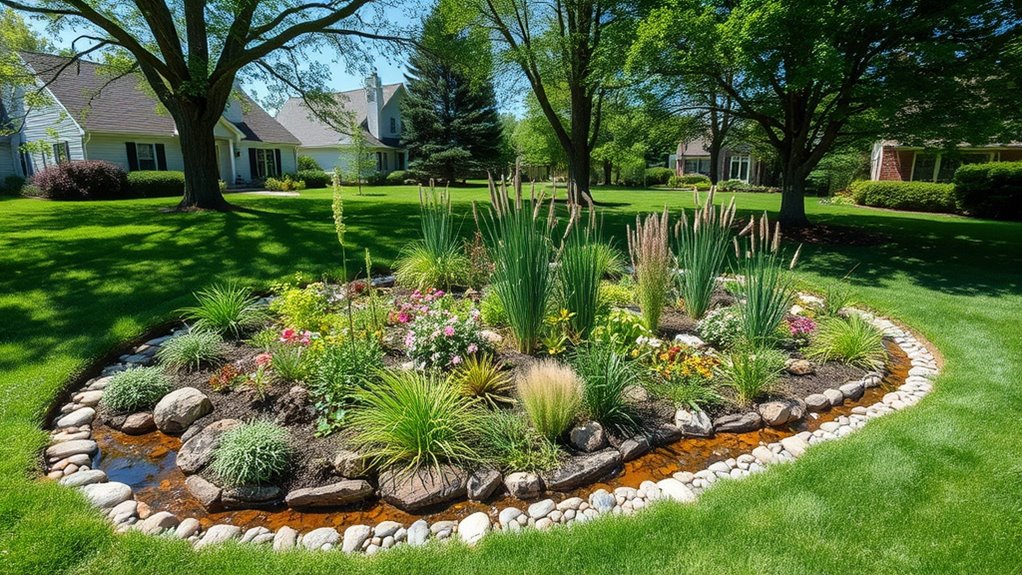
To keep your rain garden thriving, you need to stay on top of weed control and remove invasive plants. Proper watering guarantees the plants stay healthy without overloading the system, especially during dry spells. Additionally, seasonal plant care helps your garden adapt to changing weather and maintain its beauty and function over time. Regular sound therapy techniques can also support your garden’s resilience by promoting healthy plant development and stress reduction.
Regular Weed Control
Maintaining a rain garden’s health requires regular weed control to prevent invasive plants from taking over. Effective weed management involves routinely inspecting your garden and removing unwanted plants before they spread. Invasive species can quickly dominate, choking out native plants and disrupting the ecosystem. Pull weeds by hand or use targeted tools to remove their roots completely. Mulching around your plants also helps suppress weed growth by blocking sunlight. Be vigilant during the growing season, especially after heavy rains, when weeds tend to thrive. Consistent weed control keeps your rain garden balanced, ensuring native plants and beneficial species flourish. Remember, early intervention is key to preventing invasive species from establishing a foothold, preserving your garden’s long-term health and functionality. Incorporating proper maintenance practices ensures your rain garden remains resilient and sustainable over time.
Proper Watering Techniques
Proper watering is essential for your rain garden’s long-term health, ensuring plants thrive without becoming waterlogged or drying out. To maintain ideal soil moisture, consider installing a drip irrigation system, which delivers consistent, targeted moisture directly to plant roots. Regularly check soil moisture levels to prevent over- or under-watering. Use the following ideas as a guide:
| Technique | Tools Needed | Benefits |
|---|---|---|
| Drip irrigation | Timer, tubing | Efficient, even watering |
| Manual watering | Garden hose, spray nozzle | Quick adjustments based on weather |
| Mulching | Organic mulch layer | Retains soil moisture, suppresses weeds |
Monitoring soil moisture and adjusting watering practices will help your rain garden flourish year-round. Additionally, understanding water management techniques can optimize your garden’s health and reduce water waste.
Seasonal Plant Care
Adjusting your watering routine with the changing seasons helps keep your rain garden healthy year-round. Seasonal planting ensures your garden thrives through different weather conditions. In spring, plant new perennials and replace any lost mulch to retain moisture. During summer, monitor soil moisture and water as needed, especially during dry spells. Fall is ideal for dividing plants and adding a fresh layer of mulch to protect roots over winter. In winter, minimize watering unless there’s a dry spell, and avoid disturbing dormant plants. Consistent mulch maintenance prevents weed growth, conserves moisture, and insulates roots. Keep an eye on plant health, removing dead foliage and replacing mulch to maintain a tidy appearance. Proper seasonal care promotes a resilient, long-lasting rain garden.
Frequently Asked Questions
Can Rain Gardens Be Installed on Any Type of Property?
You can install rain gardens on most types of properties, but property restrictions and soil compatibility matter. Check if your land has proper drainage and suitable soil conditions, like well-draining soil, for effective water absorption. Some properties with heavy clay or high water tables might need modifications. Consult with a professional to assess your site’s suitability, ensuring your rain garden functions well and complies with local regulations.
How Long Does It Take for a Rain Garden to Become Effective?
It usually takes a few months for your rain garden to become effective, but soil absorption improves as the plants mature. You’ll notice better water infiltration within the first season, especially if you’ve prepared the soil properly. As plants grow stronger and root deeper, they enhance the garden’s ability to filter runoff. Keep an eye on plant health and soil condition to make certain your rain garden performs its best over time.
Are Rain Gardens Suitable for Areas With Clay Soil?
Yes, rain gardens can work in areas with clay soil if you improve soil permeability first. You should focus on plant selection that thrives in clay, such as native grasses and certain perennials, to help absorb water effectively. Consider amending the soil with compost or sand to increase drainage. Proper plant choice and soil adjustments will make your rain garden more successful in clay-heavy areas.
What Plants Are Best Suited for Rain Gardens?
You should choose native species and drought-tolerant plants for your rain garden to guarantee success. These plants thrive in local conditions, requiring less maintenance and water. Think about options like switchgrass, purple coneflowers, and asters—plants that naturally adapt to your area. Their resilience creates a vibrant, sustainable garden that handles heavy rain and drought alike, transforming your space into a thriving ecosystem that subtly reveals nature’s quiet strength.
How Much Maintenance Do Rain Gardens Require Over Time?
You’ll find that rain gardens require minimal maintenance over time. Usually, you’ll need to check for debris and weeds every few months and remove any that appear. The maintenance frequency is low, making long-term upkeep manageable. Regularly inspecting your rain garden guarantees it stays healthy and effective, but overall, it’s a low-effort addition that helps manage stormwater efficiently without demanding constant attention from you.
Conclusion
So, next time you marvel at a lush rain garden, remember—its real magic isn’t just in soaking up stormwater but in quietly battling pollution and replenishing groundwater. Ironically, what seems like a simple garden actually performs a crucial urban service that we often overlook. By embracing these green solutions, you’re not just beautifying your neighborhood—you’re actively helping the environment, one rainfall at a time. Who knew saving the planet could be so beautifully understated?