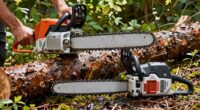
To stay safe while using a chainsaw, be aware of kickback zones, especially the tip of the bar, which can cause sudden jerks if contacted. Choosing a bar length between 16 and 20 inches offers a balance of power and control, reducing kickback risk. Always maintain your chainsaw properly, use full protective gear, and follow safety procedures. If you keep these tips in mind, you’ll better understand how to operate safely—more essential details follow.
Key Takeaways
- Avoid cutting with the tip of the chainsaw to reduce the risk of kickback; the upper tip is the primary danger zone.
- Selecting a bar length of 16-20 inches offers a safe balance between reach and kickback control for most residential tasks.
- Maintaining a sharp chain and proper tension minimizes force exerted, decreasing the chance of sudden kicks.
- Using appropriate PPE, especially face shields and gloves, protects against debris and unexpected chain movements.
- Knowing emergency procedures and turning off the saw during jams or kickbacks enhances overall safety during operation.
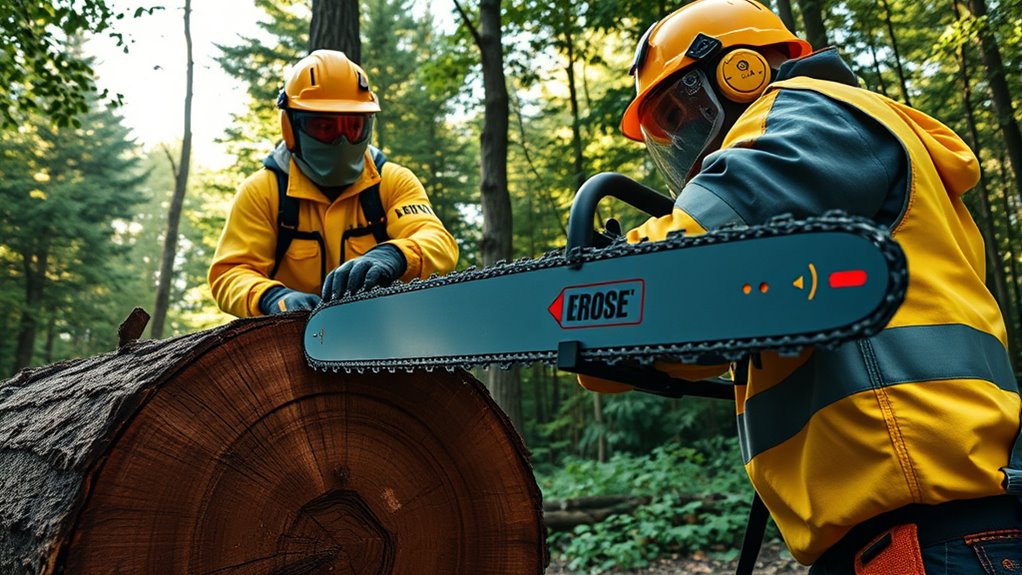
Using a chainsaw can be dangerous if you don’t prioritize safety, but with proper precautions, you can substantially reduce the risk of injury. One of the most critical aspects of safe operation is understanding kickback zones and choosing the right bar length. Kickback occurs when the tip of the chainsaw’s bar contacts an object or becomes pinched, causing the saw to jerk suddenly toward you. To minimize this risk, you need to pay close attention to the kickback zones—the upper tip of the bar—and avoid cutting with the tip whenever possible. Being aware of these zones helps you maintain control and prevents unexpected movements that could lead to injuries. Additionally, selecting the appropriate bar length for the job is essential; a longer bar might provide more reach, but it also increases leverage and the potential for kickback. For most residential tasks, a bar length of 16 to 20 inches balances power and safety effectively. Properly maintaining and sharping the chain is also crucial, as dull chains can increase the likelihood of kickback and cause you to exert more force during cuts.
Before you start cutting, ensure you’re wearing proper protective gear. Safety goggles or a face shield guard your eyes from flying debris, while hearing protection shields your ears from noise. Heavy-duty gloves improve grip and protect your hands from cuts and splinters. Steel-toed boots give stability and protect your feet if the chainsaw slips or drops. Long sleeves and pants made of thick material can help prevent cuts and scratches from debris or accidental contact with the chain. Wearing the right gear isn’t just about comfort; it’s about reducing injuries if something goes wrong. Equally important are emergency procedures—knowing what to do if an accident occurs. Have a first aid kit nearby and know how to stop the chainsaw quickly. If the chain jams or the saw kicks back unexpectedly, turn off the engine immediately, and avoid trying to free the jam with your hands. Instead, use a tool to clear any obstructions. Keep a phone within reach in case you need to call for help. Staying aware of kickback zones and practicing safe handling also helps prevent accidents caused by unexpected movements.

Husqvarna 590091101 Classic Personal Protective Power Kit with Chainsaw Chaps, Forest Helmet and Safety Gloves, Chainsaw Safety Equipment, Gifts for Men
Husqvarna Classic Personal Protective Power Safety Kit includes: one pair of Husqvarna classic chaps (homeowner) (36 to 38…
As an affiliate, we earn on qualifying purchases.
As an affiliate, we earn on qualifying purchases.
Frequently Asked Questions
How Often Should I Inspect My Chainsaw for Safety?
You should inspect your chainsaw for safety before each use. Follow a maintenance checklist to ensure all parts, like the chain and safety features, are in good condition. Regular inspections help prevent accidents and guarantee ideal performance. Also, perform proper storage safety when not in use, keeping it in a secure, dry place. Frequent checks keep you safe and extend your chainsaw’s lifespan, so make it a routine habit.
What Protective Gear Is Essential Beyond Gloves and Goggles?
Beyond gloves and goggles, you should wear protective clothing like chainsaw chaps or pants to guard your legs from cuts. Hearing protection, such as earplugs or earmuffs, is essential to prevent hearing damage from prolonged noise. Steel-toed boots give your feet extra protection, and a helmet with a face shield adds an extra layer of safety. Always prioritize all-encompassing safety gear to reduce risks while operating a chainsaw.
Can Chain Brake Failures Increase Kickback Risk?
Did you know that chain brake failures account for nearly 15% of chainsaw injuries? If your chain brake isn’t properly maintained, it can substantially increase kickback risk. Regular chain brake maintenance is vital for effective kickback prevention techniques. Always check the brake before use, make sure it engages correctly, and replace worn parts. Proper maintenance and awareness help keep you safe from dangerous kickbacks during your cutting tasks.
Are Electric Chainsaws Safer Than Gas-Powered Ones?
Electric chainsaws are generally safer than gas-powered ones because electric safety features, like automatic shut-offs and easy-start mechanisms, reduce user error. Plus, they produce less vibration and fumes, making them more comfortable and safer to operate. However, gas safety remains vital—gas chainsaws can be more powerful but pose higher risks of leaks and fires. Always follow safety guidelines regardless of your chainsaw type.
How Do Weather Conditions Affect Chainsaw Safety?
Weather conditions turn your worksite into a safety puzzle. You’ll want to be extra cautious because weather hazards like rain or snow increase moisture effects, making chainsaw handling trickier. Wet wood can slip, and slick surfaces boost your risk of losing control. Wind can also toss branches unexpectedly, adding to the danger. Always assess weather before cutting, wear proper gear, and delay work if conditions become unsafe—your safety depends on it.

Oregon 16-Inch Replacement Chainsaw Bar and AdvanceCut Chainsaw Chain Combo, 56 Drive Links, 3/8" Pitch, .050" Gauge, Low Vibration (27857)
Upgrade your chainsaw with Oregon's premium bar & chain combo. Ensure that your saw uses a 16" bar…
As an affiliate, we earn on qualifying purchases.
As an affiliate, we earn on qualifying purchases.
Conclusion
Remember, understanding kickback zones and choosing the right bar length can make all the difference in your safety. Don’t let complacency be the straw that breaks the camel’s back—staying informed and cautious keeps accidents at bay. Always respect your equipment and follow safety guidelines, because a moment’s oversight can turn a routine job into a costly mistake. Stay alert, stay safe, and keep your wits about you—after all, safety isn’t just a suggestion, it’s a must.
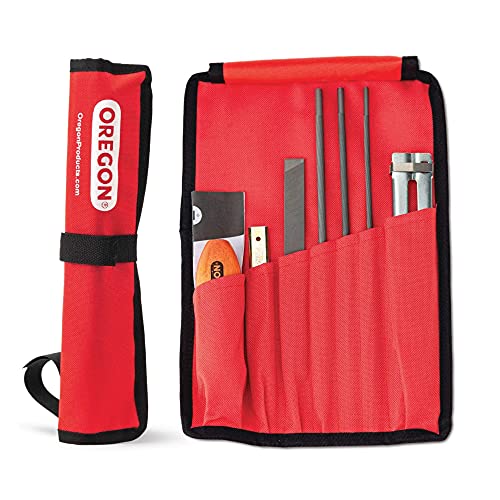
Oregon Universal Chainsaw Field 7pc Sharpening Kit – Includes 5/32", 3/16", and 7/32" Round Files, 6" Flat File, Handle, Filing Guide, and Travel Pouch (617067)
This portable universal chainsaw sharpening kit by Oregon makes it easy to keep your chainsaws, pole saws, and…
As an affiliate, we earn on qualifying purchases.
As an affiliate, we earn on qualifying purchases.

Vgo… 1Pair Chainsaw Gloves, 12-Layer Chainsaw Protection on Left Hand Back, Safety leather Work Gloves, Mechanic Gloves (L,Orange, GA8912)
Ideal for chainsaw working, logging, forest working, metalworking, power tools operating, DIY, and multi-purpose works.
As an affiliate, we earn on qualifying purchases.
As an affiliate, we earn on qualifying purchases.