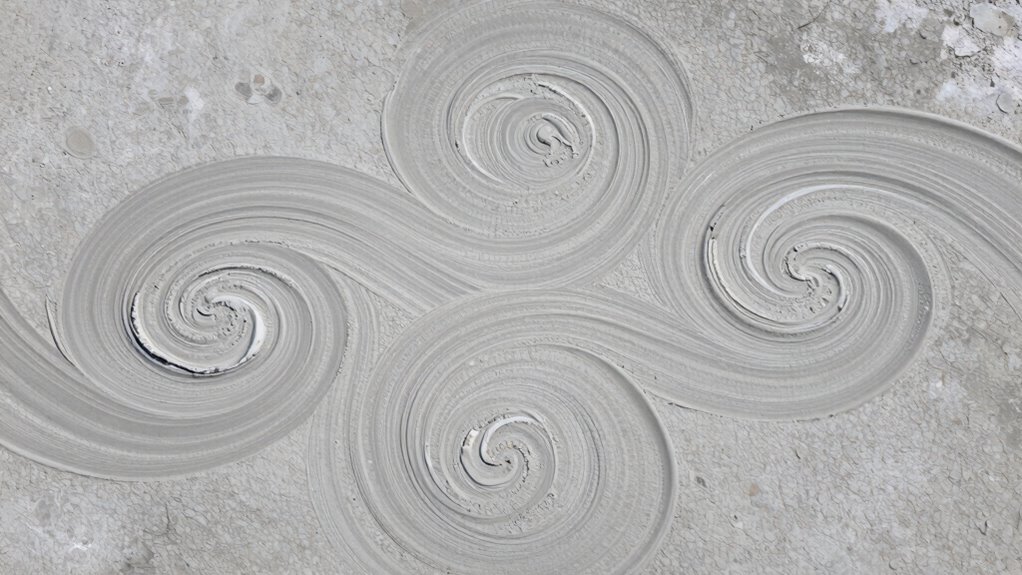

Swirl marks on your concrete surface often happen when you use abrasive tools or apply harsh chemicals that damage the top layer. Rushing or pressing too hard can scratch or grind the surface, while residues from cleaners can cause streaks and uneven patterns. To avoid this, use gentle, non-abrasive tools and guarantee thorough rinsing. Learning proper techniques can help maintain a smooth, flawless finish—if you continue exploring, you’ll discover how to keep your concrete pristine.

Get school and study supplies delivered free — and shop member deals
- Fast, free delivery on millions of items
- Access to Prime Big Deal Days deals on October 6–7
- Prime Video, Amazon Music and more included
Key Takeaways
- Improper use of abrasive techniques and excessive force can scratch and leave swirl marks on concrete surfaces.
- Residual chemicals from cleaners can cause streaks and uneven swirl patterns if not rinsed properly.
- Using harsh abrasives or aggressive scrubbing damages the surface and worsens swirl appearance.
- Chemical residues react with dirt or moisture, creating haze and streaks on the concrete.
- Gentle cleaning with proper tools and thorough rinsing help prevent swirl marks and maintain surface integrity.
Have you ever wondered how to keep your surfaces spotless and free of germs? When it comes to cleaning concrete, it’s not just about removing dirt; it’s about understanding what causes those unsightly swirls and marks. One common culprit is the improper use of abrasive techniques, which can leave behind streaks and uneven patterns on your concrete surface. These abrasive methods, when not carefully controlled, can grind away at the top layer of the surface, creating visible swirls and scratches that mar its appearance. You might think scrubbing harder will clean better, but in reality, excessive force or rough abrasives can damage the surface, making it look worse over time.
Another key factor that contributes to swirl marks is the presence of chemical residues. Many cleaning products contain chemicals that don’t fully rinse away, leaving behind a film that can interfere with the next cleaning. When you use a cleaner with harsh chemicals and then follow up with a rough cloth or mop, these residues can cause streaking and swirl marks. Instead of achieving a smooth, clean finish, you end up with a pattern of uneven spots that make your concrete look dull and neglected. The residual chemicals can also react with dirt or moisture, creating a haze that’s difficult to remove and further accentuates any swirl marks.
Chemical residues from cleaners can cause streaks and swirl marks on concrete surfaces.
To avoid these issues, it’s important to choose the right cleaning approach. Use gentle, non-abrasive tools like soft microfiber mops or cloths, especially when dealing with delicate surfaces or when you want to prevent swirl marks. If you need to use abrasive techniques, opt for low-grit abrasives and apply light pressure, ensuring you don’t create unnecessary scratches or swirls. Rinsing thoroughly after cleaning helps remove any chemical residues, leaving your surface free of streaks and film. Diluting cleaning solutions properly and avoiding overly harsh chemicals will also minimize the risk of chemical buildup that can cause swirl marks. Additionally, understanding proper cleaning methods and using the right tools can make a significant difference in maintaining your concrete’s appearance.
Ultimately, maintaining a spotless concrete surface requires attention to detail. Avoid aggressive scrubbing and harsh chemicals, and instead, focus on gentle, consistent cleaning methods. This approach preserves the integrity of your surface, prevents swirl marks, and keeps your concrete looking fresh and clean for longer. Remember, a little care and patience go a long way in ensuring your surfaces stay pristine without the unsightly swirls that can develop from improper cleaning techniques.
microfiber cleaning cloth for concrete
As an affiliate, we earn on qualifying purchases.
As an affiliate, we earn on qualifying purchases.
Frequently Asked Questions
Can Surface Cleaners Damage Older Concrete Surfaces?
Yes, surface cleaners can damage older concrete surfaces if you’re not careful. Age-related deterioration makes older concrete more vulnerable to damage from high-pressure water and harsh chemicals. To avoid this, verify the cleaner is compatible with your surface and use appropriate pressure settings. Proper surface compatibility checks and gentle cleaning techniques help prevent further deterioration and preserve your concrete’s integrity over time.
Are Specific Surface Cleaners Better for Preventing Swirls?
Have you ever wondered if certain surface cleaners can prevent swirls? The answer is yes. When you choose specific surface cleaners designed for pressure washing and surface prep, they help minimize swirl marks on concrete. These cleaners often contain formulations that reduce surface abrasion and improve cleaning efficiency. Using the right cleaner guarantees a smoother, more professional finish, protecting your concrete while achieving a cleaner look with less risk of damaging or swirling the surface.
How Long Does It Take for Swirls to Fade Naturally?
Swirls on concrete usually fade within a few weeks to a couple of months, depending on surface porosity and concrete absorption. As rain and cleaning help, the uneven surface gradually wears down, reducing swirl visibility. To speed this process, avoid harsh chemicals and use gentle cleaning methods. Keep in mind, porous concrete absorbs more cleaner, making swirls last longer, so patience is key for natural fading.
Do Different Concrete Finishes Impact Swirl Formation?
Think of concrete textures as a painter’s canvas—each finish variation adds unique character. Yes, different concrete finishes impact swirl formation; smooth surfaces are more prone to visible swirls, while textured finishes hide them better. Your choice of finish influences how surface cleaners interact, affecting swirl visibility. So, understanding finish variations helps you choose the right approach to minimize swirls and keep your concrete looking sleek and polished.
Can Improper Application Cause Permanent Swirl Marks?
Yes, improper application can cause permanent swirl marks. If you don’t follow correct application techniques, such as applying the surface cleaner unevenly or too vigorously, you risk damaging the concrete. Proper surface preparation is essential; make sure the surface is clean and free of debris before cleaning. Using the right tools and techniques prevents swirl marks from becoming permanent, so take your time and follow manufacturer instructions carefully.
non-abrasive concrete surface cleaner
As an affiliate, we earn on qualifying purchases.
As an affiliate, we earn on qualifying purchases.
Conclusion
So, don’t worry if you notice swirls on your concrete after using surface cleaners. It’s a common issue caused by the cleaner’s application or leftover residue, not a sign of damage. By applying the cleaner gently and rinsing thoroughly, you can avoid these frustrating marks. Remember, a little extra care goes a long way in keeping your concrete looking fresh and smooth. With patience, those swirls will be a thing of the past.
low grit abrasive pad for concrete
As an affiliate, we earn on qualifying purchases.
As an affiliate, we earn on qualifying purchases.
As an affiliate, we earn on qualifying purchases.
Fall Picks
fall essentials
As an affiliate, we earn on qualifying purchases.